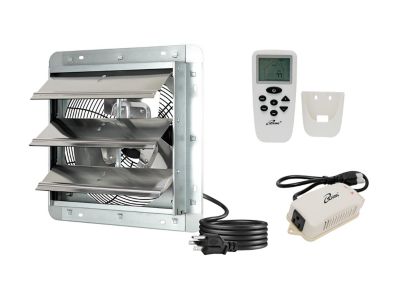
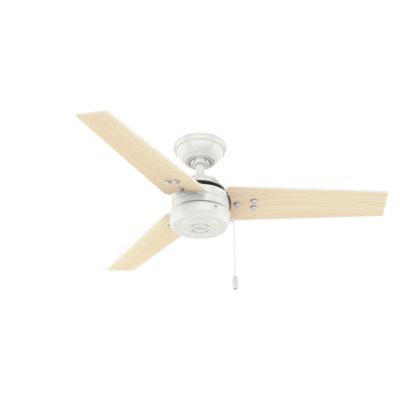
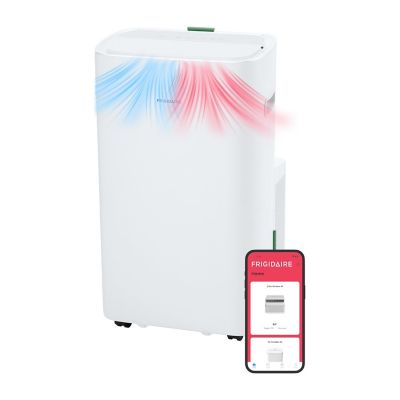
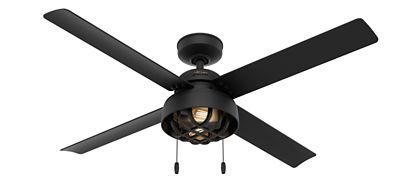
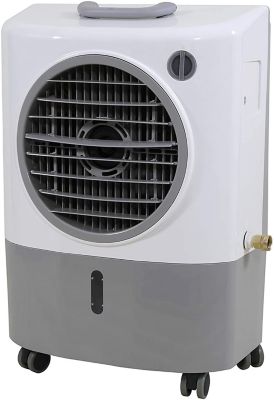
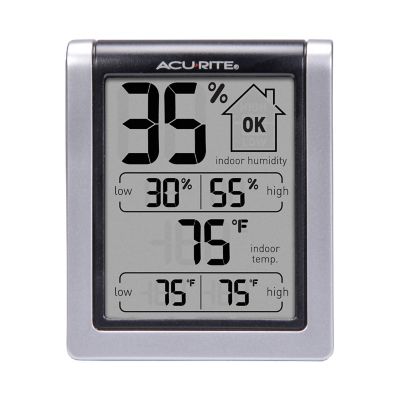
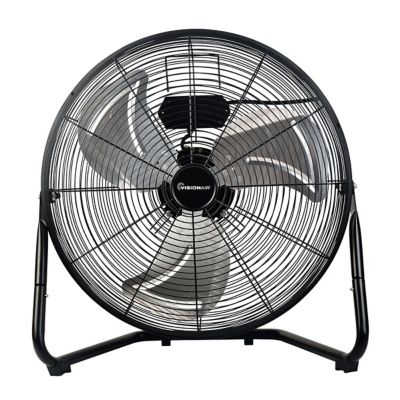
Humidity control fans help move moisture-laden air out of enclosed spaces, with automatic controls that start ventilation when humidity rises above a set level. Depending on the design, a fan may respond to a selected relative humidity setting, detect a rapid increase in moisture, or keep running for a timed period after conditions settle down. That makes these fans a practical fit for bathrooms, laundry rooms, utility spaces, and other areas where damp air can linger. In a busy farmhouse bathroom, for instance, automatic operation can keep the exhaust running after the last shower without someone having to circle back and flip a switch. In a laundry room, ventilation can help clear moisture from air-drying clothes or a deep utility sink. The important distinction is that an exhaust fan moves air; it does not collect water like a dehumidifier. Moisture leaves through an exhaust path, and replacement air enters the space. How much that helps depends on the moisture level of the incoming air, the fan’s airflow, and the room’s layout. A circulation fan alone moves air around but does not carry moisture outdoors. Humidity control fans can help reduce lingering dampness and condensation when properly sized and installed, but they do not fix plumbing leaks, standing water, or moisture coming through a foundation. They also cannot guarantee that mold will not develop. For homeowners, property managers, and folks maintaining outbuildings, the appeal is straightforward: ventilation that responds to actual moisture conditions rather than depending entirely on someone remembering to turn it on. Some controls offer adjustable sensitivity, a manual override, or a run-on timer, giving the system flexibility for everyday routines. Those features matter when one room sees a brief burst of shower steam while another has a slower, steadier moisture load. The best match starts with the space and the source of the dampness, not simply the largest fan or the highest airflow number.
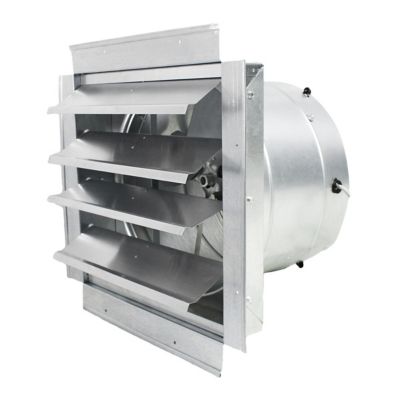
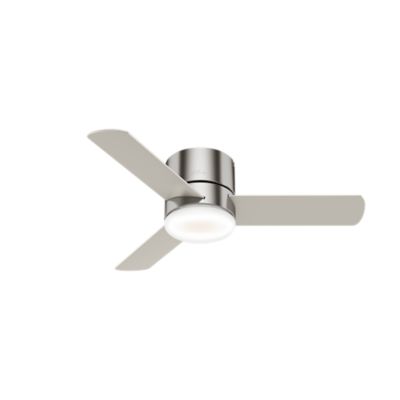
Humidity control ventilation comes in several configurations, and the differences affect both installation and everyday performance. Ceiling- and wall-mounted exhaust fans combine an air inlet, motor, and housing at the room itself, while inline duct fans place the motor farther along a duct run. A compatible humidity-sensing wall control can add automatic operation to some existing exhaust fans without replacing the whole assembly. Compatibility still matters: the control must match the fan’s electrical requirements, motor type, and wiring arrangement. For a replacement installation, housing dimensions, ceiling or wall depth, mounting points, and duct diameter all deserve a close look. A grille that covers the opening does not necessarily mean the housing fits behind it. Airflow is commonly listed in cubic feet per minute, or CFM, which describes how much air the fan moves under specified test conditions. Room size and intended use help establish the airflow requirement, but long ducts, sharp elbows, restrictive outlets, and undersized ductwork can reduce the air that actually reaches the outdoors. A short, properly sized exhaust route generally gives the fan less resistance to work against. Sound is another everyday consideration, especially near bedrooms or in a bathroom that shares a wall with the living room. Where a sone rating is provided, a lower number generally indicates quieter operation under the stated test conditions. Materials also affect the fit for a space. Housings may be metal or plastic, grilles may have washable surfaces, and corrosion-resistant components can be helpful where damp air is common. The assembly’s location rating matters more than appearance alone, particularly near a shower or another splash-prone area. Motors, bearings, electrical enclosures, and mounting hardware should suit the intended operating environment. A household bathroom fan is not automatically suitable for a dusty livestock building, a chemical storage area, or a workshop with combustible vapors. Those spaces call for equipment specifically rated for their conditions, along with ventilation planning that accounts for more than humidity.
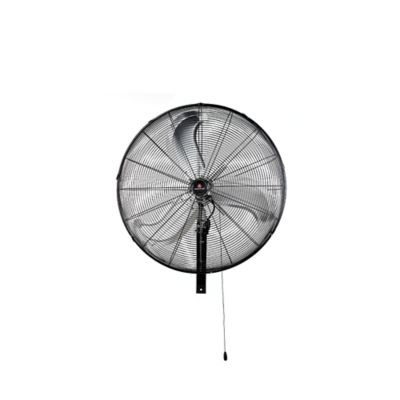
Day-to-day performance depends on the whole ventilation setup, from where the sensor sits to how easily fresh air can replace the exhaust. A sensor tucked into a stagnant corner may respond differently from one positioned according to the manufacturer’s directions, and a control placed close to a moisture source may cycle more often than expected. Adjustable settings can help match operation to the room, though continuous running can point to an ongoing moisture source, restricted ductwork, or incoming air that is already damp. Exhausting a bathroom or laundry area into an attic, wall cavity, or enclosed crawlspace simply transfers moisture somewhere else; the discharge should lead outdoors through an appropriate termination. Backdraft dampers help limit reverse airflow when the fan is off, and an unobstructed exterior outlet helps the system breathe. In a tight building, sufficient replacement air is especially important. Exhaust systems also need careful planning around fuel-burning appliances so they do not interfere with safe venting. Electrical work, required circuit protection, and installation details should follow the equipment instructions and local codes, with a qualified professional handling work that calls for one. Care is usually straightforward: disconnect power before cleaning, remove lint and dust from accessible grilles as directed, and keep the outlet clear. In a laundry space, that surface buildup can arrive faster than expected, so easy access for cleaning is worth considering. A humidity control fan is not a substitute for a clothes dryer’s dedicated exhaust system. Crawlspaces, basements, and plant-growing spaces have their own moisture patterns, and ventilation may need to work alongside drainage improvements, air sealing, or dehumidification rather than carry the entire load. Where the main task is moving trapped heat instead of responding to moisture,
Heat Ventilation Fans address a related ventilation need. For humidity-focused spaces, a well-matched fan brings together suitable airflow, sensible controls, manageable sound, and access for upkeep. That combination helps keep damp air moving out while fitting into the daily work of caring for a home, shop, or property.