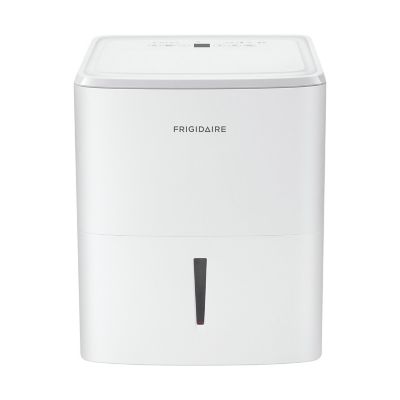
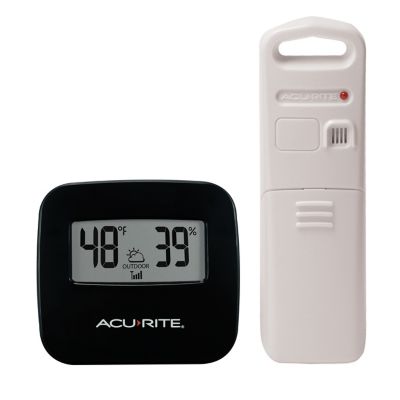
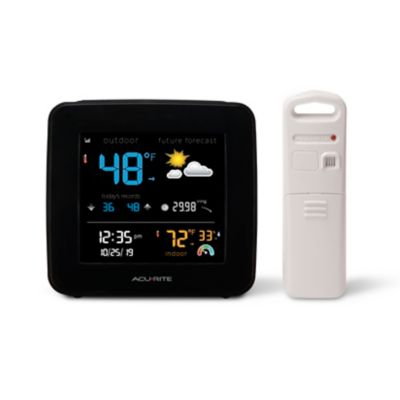
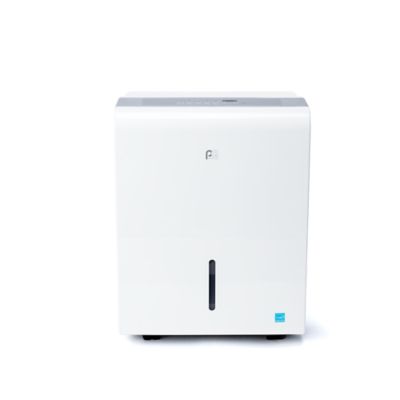
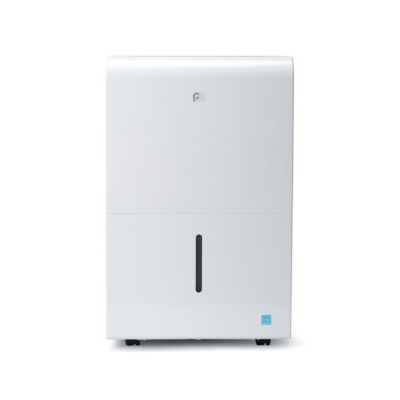
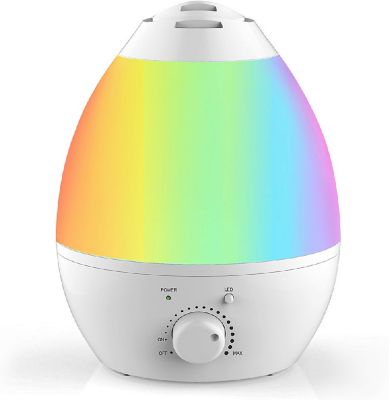
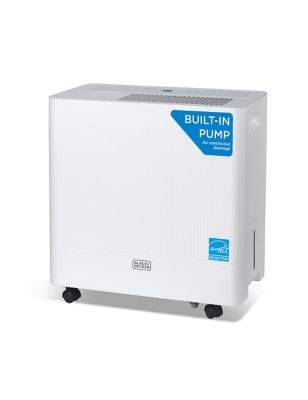
Humidity controllers, also called humidistats, help keep moisture levels on a steadier track without requiring you to check a gauge every few hours. These handy controls use a sensor or probe to read relative humidity, shown as RH%, and compare that reading with the target level you set. When the air gets too dry, the controller can switch on a connected humidifier. When moisture climbs too high, it can turn on a dehumidifier, exhaust fan, or other compatible equipment. Many controllers are designed to manage both humidification and dehumidification, while others are made for a single function. That automatic on-and-off operation can be useful in a greenhouse, grow tent, basement, crawlspace, workshop, storage area, incubator, or other enclosed space where changing moisture can affect plants, animals, equipment, or stored materials. A controller does not create or remove moisture by itself; it works as the decision-maker between your humidity source or moisture-removal equipment and the space you are managing. Think of it like a dependable helper checking the air while you handle the rest of the chores. If you are comparing options, start with the environment and the equipment you plan to control. Check the controller’s voltage, outlet type, amperage rating, and whether it is suitable for the humidifier, dehumidifier, fan, or other device you intend to connect. A unit with separate outlets or relays for humidifying and dehumidifying may be a good fit for spaces that swing from overly dry to overly damp, while a single-output model may be all that is needed for one fan or appliance. A long probe cable can make placement easier when the controller needs to stay outside a grow tent, cabinet, incubator, or protected enclosure. Digital displays are useful for checking the current RH% and set point at a glance, especially when the controller is mounted where you can see it during a quick morning check. Before buying, also look for an adjustable humidity range, a clear differential or tolerance setting, and an alarm or alert feature if the space needs closer attention. Simple plug-in controls can be convenient for many everyday setups, but always follow the instructions and local electrical requirements. Keep connections dry, use equipment rated for the load, and avoid placing cords or outlets where water can drip, splash, or collect.
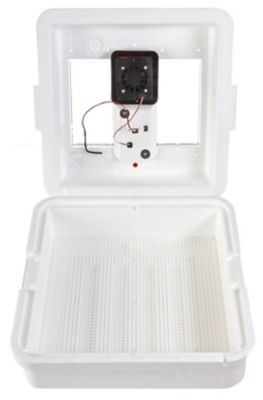
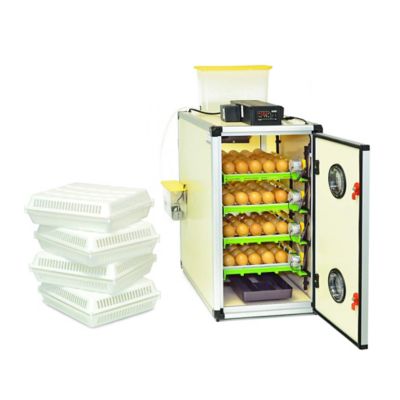
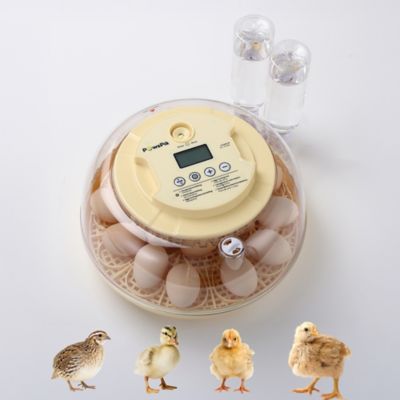
The right humidity level depends on what is inside the space, the ventilation available, and how much temperature changes from day to night. In a greenhouse or grow tent, a controller can help limit the damp, heavy air that settles around leaves and soil, while still allowing enough moisture for healthy plant growth. Good airflow remains important; a controller should work alongside fans, vents, shade, and sensible watering rather than replace them. Mushroom growers and hobby cultivators may use humidity controllers to help prevent a fruiting chamber from drying out too quickly or becoming wet enough for standing condensation. In an egg incubator, stable humidity is one part of maintaining the proper incubation environment, but the incubator’s instructions and the needs of the particular poultry or bird species should always guide the settings. In a basement, crawlspace, tack room, or storage building, a humidity controller can operate a dehumidifier or exhaust fan to help reduce the damp conditions that contribute to musty odors, condensation, and mold. It is still wise to repair leaks, improve drainage, seal obvious air gaps, and address standing water instead of relying on a controller to cover up a larger moisture problem. For barns, coops, and animal areas, make sure any connected equipment is appropriate for dust, bedding, feathers, and changing temperatures, and keep probes away from direct mist, wet walls, heat sources, and strong drafts. A sensor placed too close to a humidifier may read a pocket of wet air and shut the system down before the rest of the room reaches the target. Mounting the probe near the level of the plants, eggs, stored goods, or other items being protected usually gives a more useful reading. For a better understanding of gauges, meters, and other ways to check conditions by hand, visit
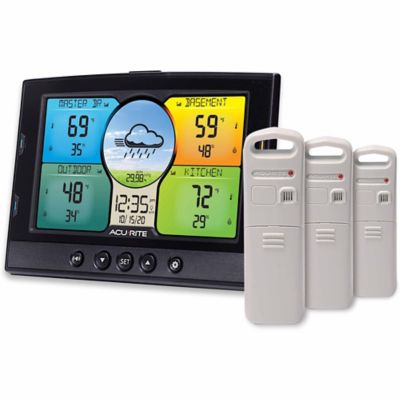
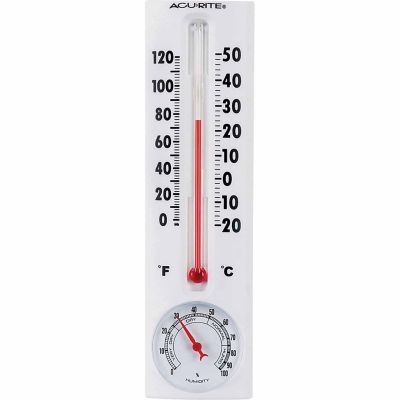
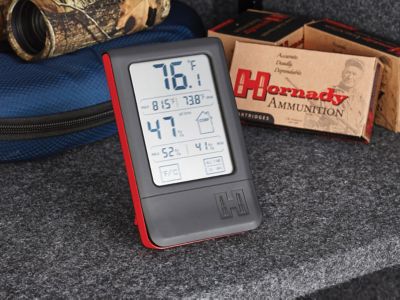
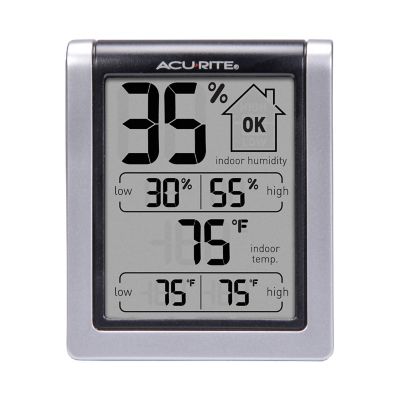
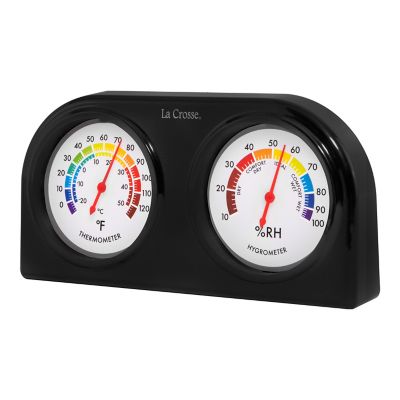
Humidity Measurement Tools. Taking an occasional manual reading is a good habit, since it helps confirm that the probe is working and that the displayed number makes sense for the space.
When choosing among humidity controllers, look beyond the number on the display and consider how the unit will fit into your daily routine. A large, easy-to-read screen can be helpful in a dim basement or a busy shop where you may only have a moment to glance over the setup. Memory settings can save time when you need to restore a preferred range after cleaning or a power interruption, and a controller with a clear differential setting can reduce rapid cycling that makes connected equipment switch on and off too often. If the space is outdoors or in an unheated building during cooler weather, check the operating temperature range before installation. Temperature affects relative humidity, so the same amount of moisture may produce very different RH readings as the air warms or cools. During warm, muggy stretches, a dehumidifier or fan may run more often; during dry periods or when heaters are running, a humidifier may be needed more frequently. Give the system time to respond after changing a setting, since room air, soil, wood, bedding, and stored materials can hold moisture and keep readings moving for a while. It is also worth labeling cords and outlets when a setup includes more than one appliance, keeping the sensor clean, and checking the probe against a trusted meter from time to time. Humidity controllers can make thoughtful gifts for gardeners, greenhouse owners, homesteaders, mushroom hobbyists, poultry keepers, workshop tinkerers, and anyone caring for a storage area where moisture matters. They are especially useful for folks who enjoy practical tools that quietly prevent problems instead of waiting for damp boxes, curled leaves, fogged windows, or a musty smell to point them out. Whether you are managing a small grow space, protecting supplies in a barn office, or keeping an incubator’s environment more consistent, a well-matched controller gives you a simple way to automate moisture control and spend less time guessing at the air.