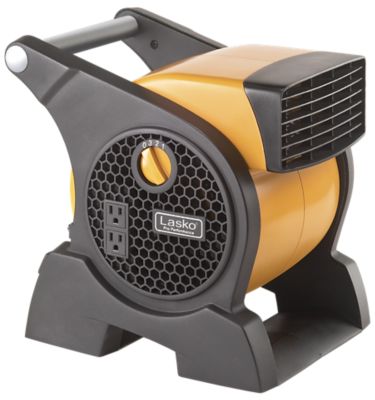
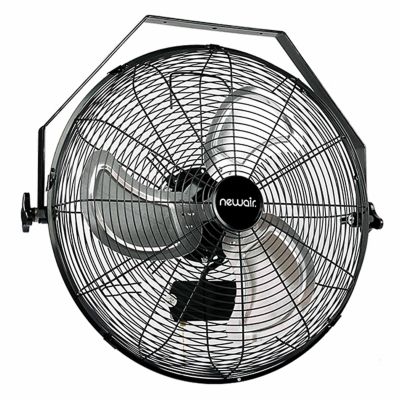
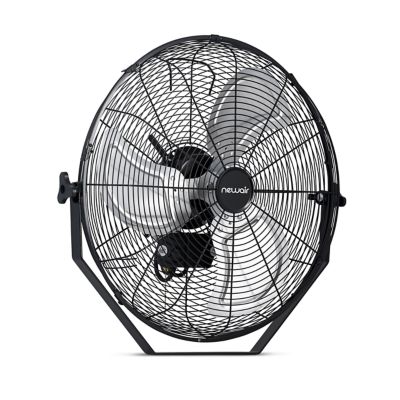
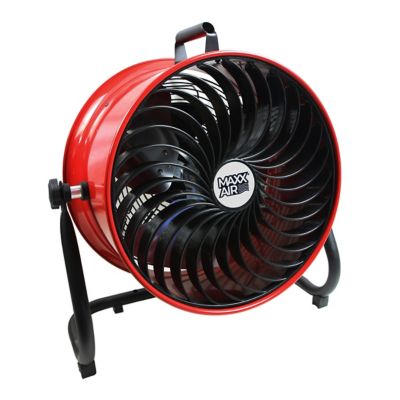
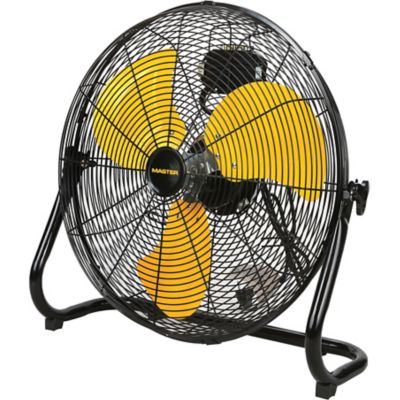
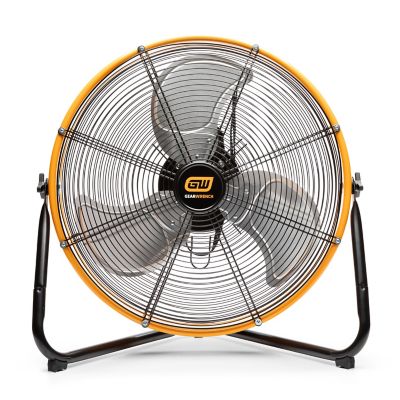
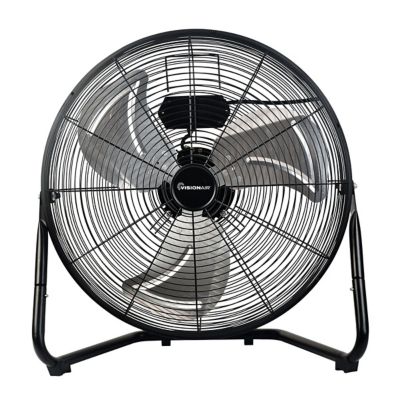
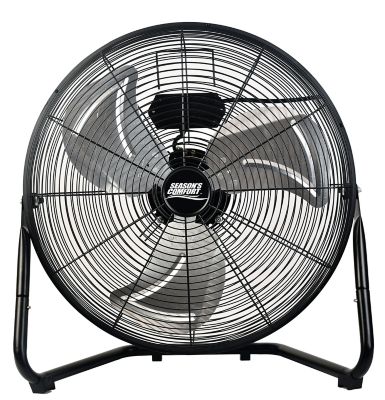
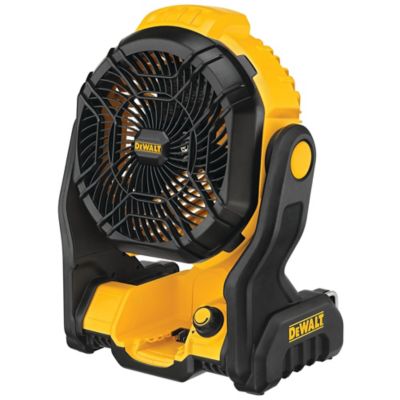
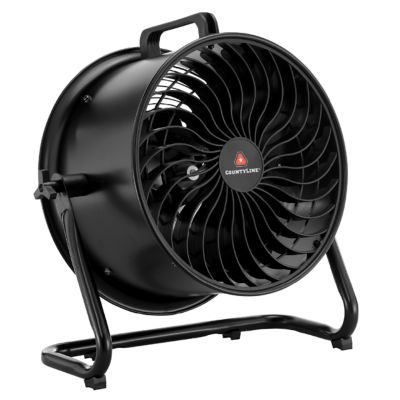
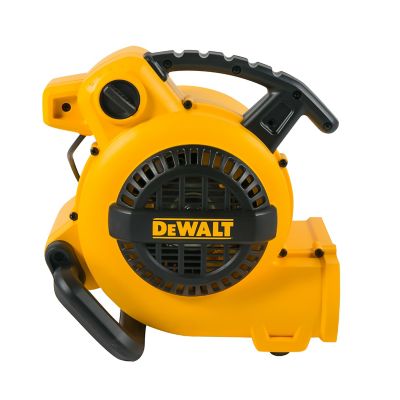
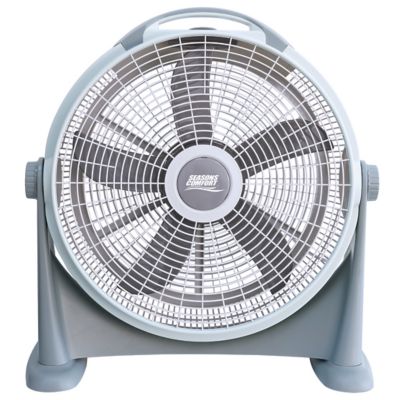
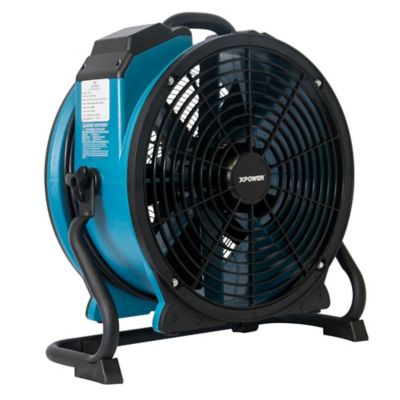
High velocity fans deliver a strong stream of moving air for garages, workshops, farm buildings and other spaces where a light breeze may not reach far enough. Compared with many standard room fans, they generally emphasize higher airflow and a more concentrated air stream, though performance varies by size and design. That extra air movement can make a workbench more comfortable, help a freshly cleaned floor dry and keep air circulating around an open work area. A fan does not lower the air temperature the way an air conditioner does; moving air helps people feel cooler by supporting evaporation from the skin. For someone sorting tools after chores or working on equipment in the garage, that distinction matters: the benefit comes from putting airflow where the work happens. Airflow ratings, commonly listed in cubic feet per minute, or CFM, describe how much air a fan moves. Higher CFM generally means more air movement, but blade diameter alone does not tell the whole story. Motor performance, blade design, guards and the surrounding layout all affect the result. A clear stretch of shop floor allows air to travel differently than a room crowded with shelving, feed containers and parked equipment. High velocity floor fans sit close to the ground and often have a tilting head for directing airflow toward a particular area. Drum fans have a barrel-shaped housing and commonly suit larger, open workspaces, while pedestal fans raise the air stream above floor-level obstacles. Wall-mount fans leave walking paths and work surfaces open, making them worth considering in a tight garage or busy utility building. These styles serve different spaces rather than one being the best fit for every job. The practical match depends on where people stand, how far the air needs to travel and whether the fan will stay in one place or move between tasks. Even during cooler weather, air circulation can help with damp work areas and drying tasks when conditions and equipment ratings allow.
Construction and fit make a noticeable difference once a high velocity fan becomes part of the daily routine. Steel housings, metal guards and aluminum or steel blades are common, although materials vary across fan styles. Protective finishes can help metal surfaces stand up to everyday exposure, but a metal housing alone does not mean a fan belongs outdoors or near water. The electrical and environmental ratings determine whether it suits a dry indoor shop, a covered outdoor area or a location with damp conditions. In a farm setting, dust exposure deserves its own consideration. An enclosed motor may offer better protection from airborne debris than an open design, but it does not automatically make a fan suitable for combustible dust or flammable vapors. Ordinary circulation fans are not a substitute for equipment specifically rated for hazardous locations. For everyday garage and shop work, a steady base, protected blades and controls that are easy to reach help make operation more practical. Handles and wheels matter when the fan travels from a storage corner to a work area, especially across thresholds or uneven concrete. A tilting head lets the air stream reach a standing workbench or pass beneath a piece of equipment, while oscillation spreads airflow across a broader area. Multiple speed settings provide flexibility when full power would scatter papers, stir up loose dirt or make conversation difficult. Sound levels are worth considering around shared workspaces, nearby living areas and animals that may react to unfamiliar noise. Strong airflow often comes with more operating sound, and vibration can become more noticeable on an unstable surface. Physical dimensions matter just as much as output: a fan needs clearance around its intake and discharge, room for its base and a cord route that stays out of traffic. Wall-mounted designs also need a suitable supporting surface and the mounting hardware specified by the manufacturer. A well-placed fan should help the work area function without becoming another obstacle to step around.
The intended job helps separate everyday air circulation from ventilation, moisture control and other needs. A high velocity fan can move air across a damp concrete floor after cleaning, but drying time still depends on humidity, temperature and where the moisture can go. In a closed building, circulating the same damp air may do less than expected; removing moisture may call for ventilation or a dehumidifier. Likewise, moving warm air around a garage is different from exhausting it outside. Spaces that need heat removal or a planned exchange of indoor and outdoor air may also call for
Heat Ventilation Fans, depending on the building and the task. General-purpose fans should not serve as protection from engine exhaust, welding fumes or solvent vapors, and running an engine indoors remains unsafe even with a fan operating. Around livestock areas, airflow needs to suit the animals, housing and conditions rather than simply blowing at the highest speed. Placement should keep cords and guards beyond animals’ reach and avoid pushing bedding dust toward feed, water or occupied stalls. In a workshop, directing air away from sanding debris and loose hardware helps keep a strong breeze from creating another mess. Routine care supports steady performance over time. Dust buildup on guards and blades can restrict airflow, while loose fasteners or an unsteady base can contribute to rattling and vibration. With power disconnected, cleaning should follow the manufacturer’s directions, keeping water away from electrical parts unless the equipment is expressly designed for that cleaning method. Motors may be permanently lubricated or have specific service requirements, so adding oil is not a universal maintenance step. Cords, plugs and guards deserve regular checks, especially on fans that move around the property. Storage in a dry, sheltered spot helps protect the fan between jobs. For farmers, mechanics and anyone with a hardworking garage, the right combination of airflow, placement and straightforward care can make a high velocity fan a useful part of the workspace through changing seasons.