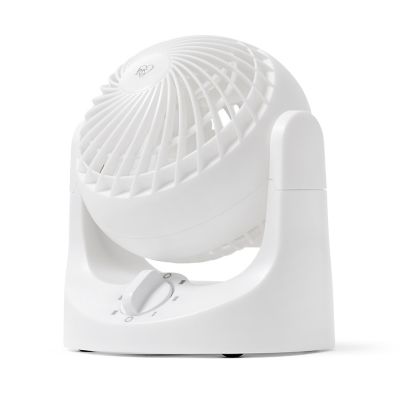
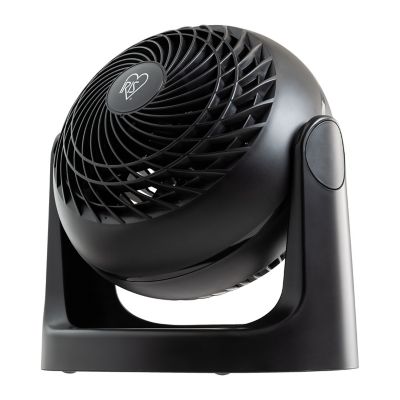
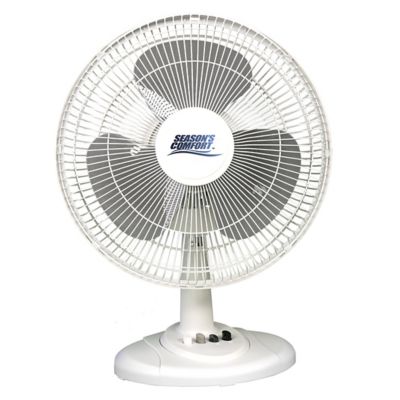
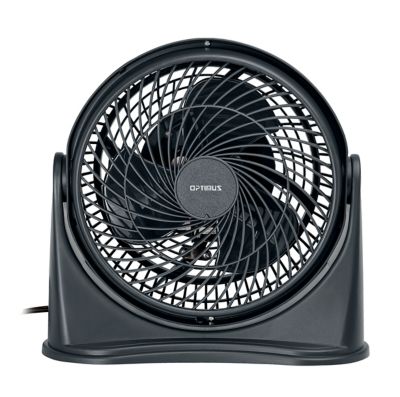
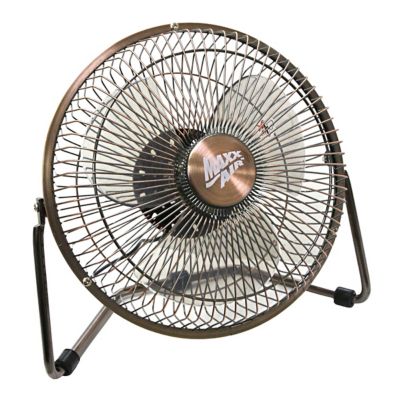
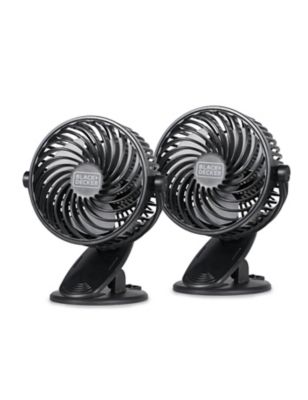
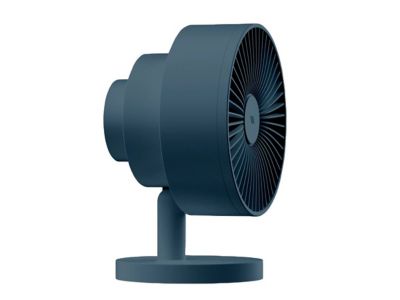
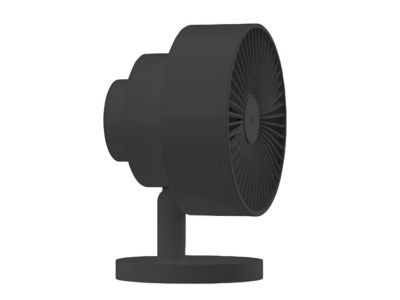
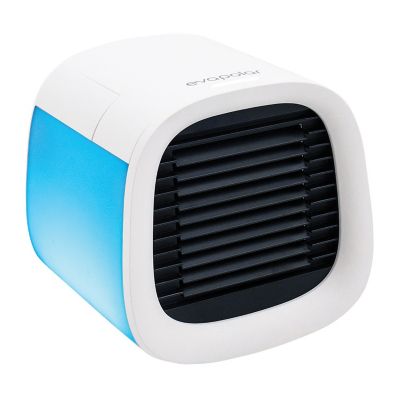
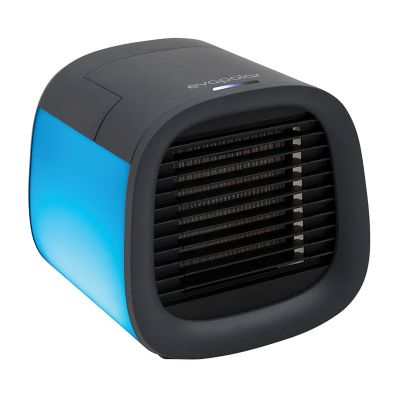
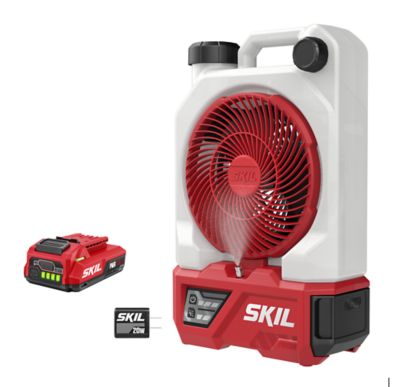
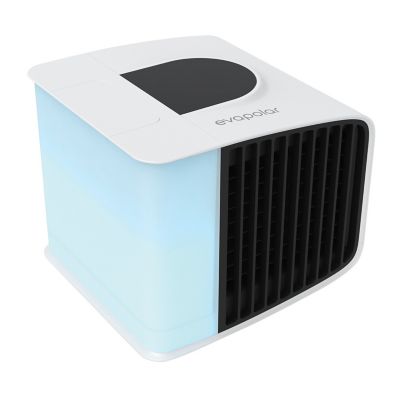
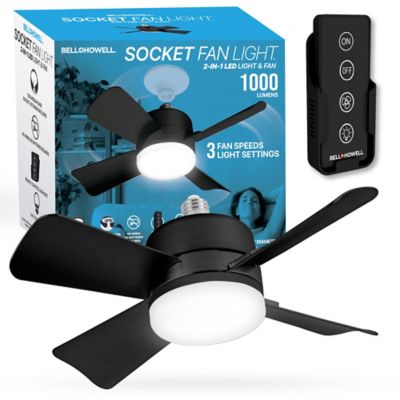
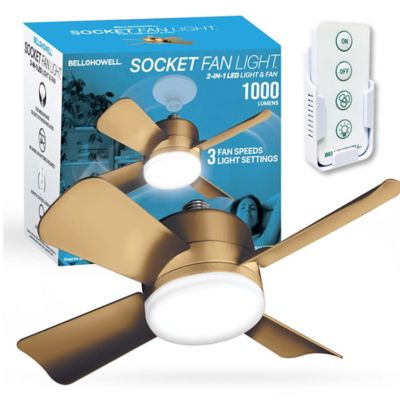
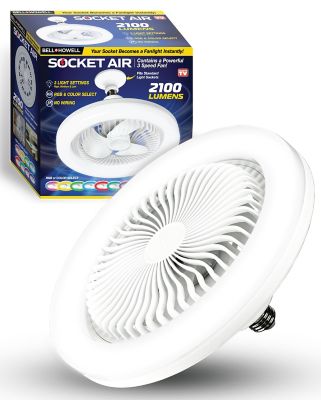
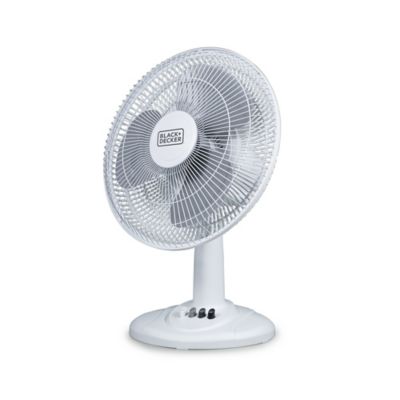
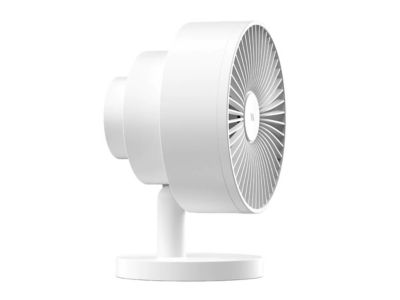
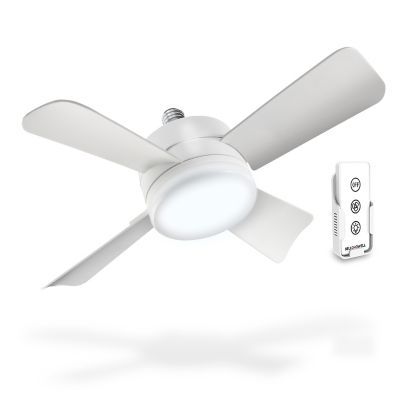
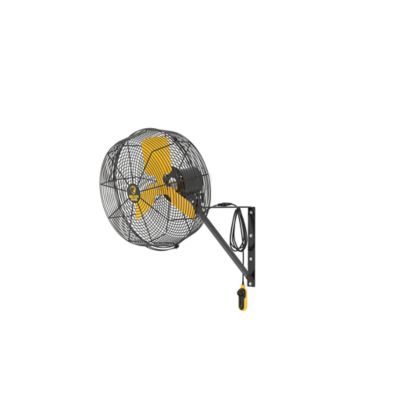
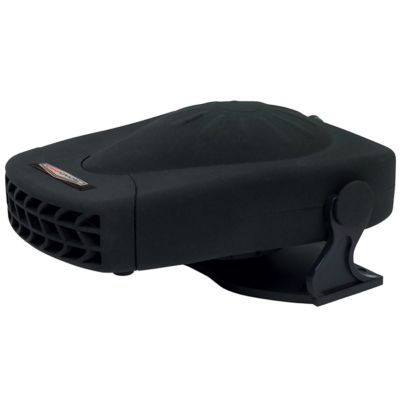
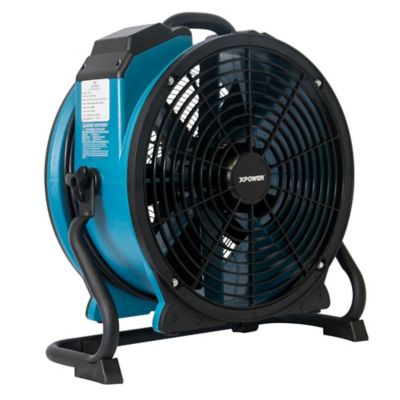
Small cooling fans are handy little helpers when you need a breeze in one spot without running a full-size room fan. These compact devices circulate air and help lower the feel of local heat around a desk, nightstand, workbench, bunkhouse, camper, or outdoor seating area. They do not replace an air conditioner, but they can make a noticeable difference by moving still air across your skin. A small fan can also help dry damp gloves, keep air moving around a workstation, or add comfort while you handle chores in a warm barn, garage, tack room, or shop. As the weather warms, a portable fan is easy to keep close at hand, and many models remain useful during cooler months when indoor spaces feel stuffy from closed windows and running heat. When sorting through small cooling fans, start by thinking about where the fan will be used and what kind of power is available. A desktop fan is a good fit for a home office, kitchen counter, bedside table, or checkout area, especially when you want steady airflow without taking up much room. Look for a compact footprint, a stable base, adjustable tilt, and controls that are easy to reach. A tilting head lets you aim the breeze toward your face, hands, or upper body instead of wasting airflow against a wall. If the fan will sit near papers, feed tags, receipts, or other lightweight items, several speed settings can help you choose a gentle breeze rather than a strong blast. A quieter design is worth considering for sleeping, phone calls, reading, or working around animals that may be startled by sudden noise. It is also smart to check how easy the grille is to clean, since dust, hay, pet hair, and workshop debris can collect on fan guards over time.
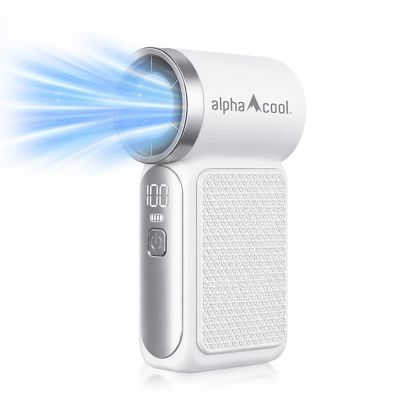
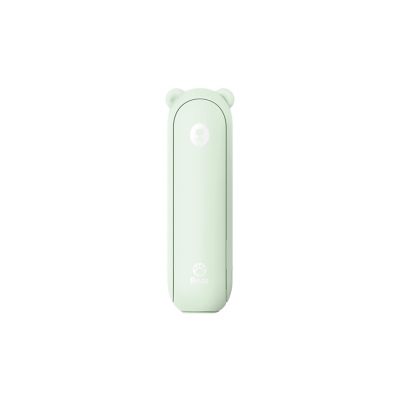
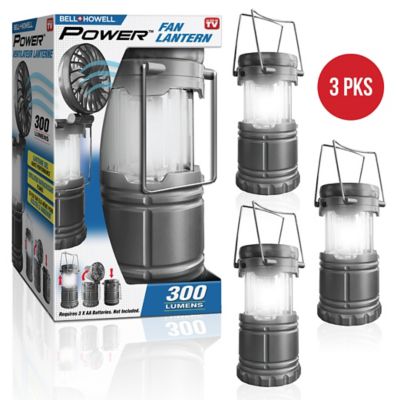
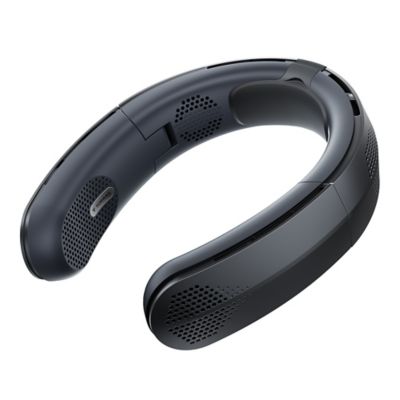
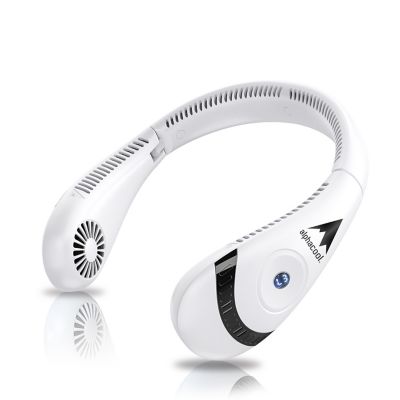
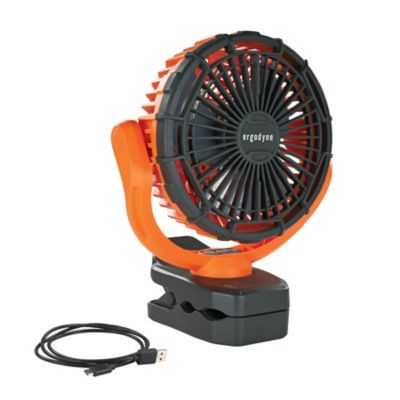
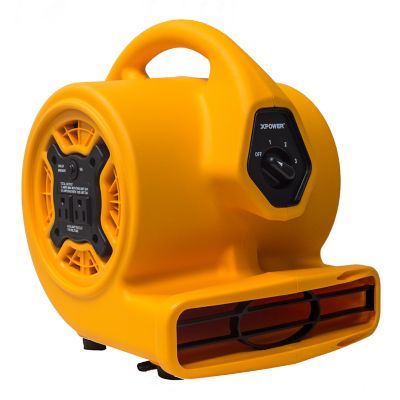
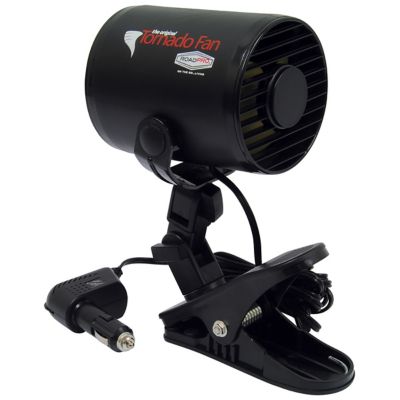
For moving from one spot to another, handheld and portable small cooling fans offer a little more flexibility. These fans can ride in a purse, backpack, lunch bag, glove box, or tool tote and may be useful on the porch, at a ball field, during a fair, on a camping trip, or while waiting beside a hot truck or trailer. Battery-powered fans are convenient when an outlet is not close by, while rechargeable options can reduce the need to keep spare batteries on hand. Check the expected runtime, charging method, recharge time, and whether the fan can stand on its own when you need both hands free. A handle or compact shape makes carrying easier, but pay attention to the grip if the fan will be used during long stretches outdoors. For travel, a protective grille and durable housing can be helpful, especially when the fan is tossed into a bag with keys, gloves, or other gear. Small USB-powered fans are another practical choice for desks, laptops, power banks, and other areas with USB access. They are often a simple way to add airflow to a work area, cab, camper, or temporary setup, and some small 5-volt fans are also used as components in electronics or do-it-yourself cooling projects. Anyone working with a component fan should confirm voltage, connector style, airflow direction, and mounting dimensions before connecting it to equipment. Keep loose wires secured, make sure vents are not blocked, and use only a power source that matches the fan’s specifications. For general household use, features such as multiple speeds, an adjustable angle, a timer, oscillation, and an indicator light can make a small fan more useful, though the best choice depends on whether portability, quiet operation, or steady airflow matters most.
Small cooling fans can be useful for folks who spend long hours at a computer, work in a garage, manage a home office, travel in a camper, or simply prefer a little moving air at bedtime. They can also make thoughtful gifts for students heading to a dorm, new homeowners setting up a workshop, campers, remote workers, grandparents who like a breeze near their favorite chair, or anyone who spends hot days outdoors. A compact fan tucked into a care package can be especially practical alongside a water bottle, cooling towel, work gloves, or other everyday essentials. In a barn or animal area, use fans thoughtfully and keep them out of reach of curious livestock and pets; a fan should be positioned securely, protected from moisture, and kept clear of bedding, straw, feed, and loose debris. Never cover a running fan or place it where the cord can become a trip hazard, and unplug it before cleaning or moving it. A soft brush or dry cloth can help remove dust from the grille, while the owner’s instructions should guide any deeper cleaning. For shoppers who want more flexibility in directing airflow,
Adjustable Fans offer another option to consider. Whether it is cooling one person at a desk, helping air move through a snug corner of the house, or providing a portable breeze beside the fire ring, the right small fan should match the space, power source, noise level, and daily routine. A little planning around placement and maintenance helps keep that welcome breath of air working reliably through changing seasons.