Quiet cooling fans bring a steadier breeze to bedrooms, living rooms, home offices, and other spaces where a loud motor can wear out its welcome. The right fit depends on whether the job is moving air around one room or drawing fresh air through much of the house. Room fans circulate air, helping people feel cooler without actually lowering the room’s temperature. Whole-house fans work differently: they pull outdoor air through open windows, draw that air through the living space, and discharge it into the attic, where it exits through properly sized vents. That makes whole-house ventilation most useful when the outdoor air is cooler than the indoor air. In a farmhouse that holds heat upstairs or a home with a stuffy hallway, that exchange can carry trapped heat out rather than just stir it around. It can also reduce demand on air conditioning under suitable conditions, though results depend on the house, outdoor conditions, and how the system operates. There is no single energy-savings figure that fits every home. Whole-house fans are not a replacement for air conditioning when outdoor air is hot or humid, and bringing outside air indoors may not suit days with smoke, heavy pollen, or other airborne irritants. Open windows provide the incoming air these systems need; operating a whole-house fan in a closed-up house can create excessive negative pressure. Homes with fireplaces or fuel-burning appliances need an assessment from a qualified professional to address possible backdrafting before installation. For shoppers comparing quiet cooling fans, the distinction between circulation and ventilation matters as much as the sound level. A bedside fan, a fan beside the kitchen table, and a whole-house ventilation system all move air, but they serve different spaces and call for different placement, electrical connections, and upkeep. Matching the fan to the actual job helps keep everyday operation simple, whether the goal is sleeping comfortably, hearing the television, or clearing accumulated heat from the living space.
Quiet operation comes from more than a low setting on the control panel. Motor design, blade shape, airflow resistance, mounting, and vibration all contribute to the sound that reaches the room. Some ducted whole-house systems position the motor assembly away from the ceiling opening and use suspension or isolation components to limit vibration transfer into the framing. That separation can soften the mechanical sound downstairs, but moving air still makes noise, especially at higher speeds. A system that sounds unobtrusive on low may be quite noticeable at full output. Published sound ratings are most helpful when they identify the operating speed, measurement distance, and test conditions; a quiet rating by itself does not tell the whole story. Airflow ratings, commonly expressed in cubic feet per minute, need similar context. Floor area, ceiling height, the layout of the home, and the resistance along the air path all affect the airflow needed. A long hallway, several closed bedroom doors, or restricted attic venting can change how a whole-house system performs. Installation fit includes attic access, framing clearance, duct routing, electrical service, and enough exhaust vent area for the selected system. Cutting a ceiling opening or moving structural members is not a casual weekend chore. Attic fans have a separate role: they exhaust air from the attic and depend on adequate intake ventilation, rather than intentionally drawing air through open windows in the occupied rooms. They should not be treated as interchangeable with whole-house fans. The
Quiet Exhaust Fans category is also relevant when the task calls for removing air from a particular space instead of recirculating it. Controls can make daily operation easier, whether that means a wall switch, timer, remote, or connected control where supported. Timers offer a practical way to limit operating time, while several speed settings allow airflow and sound to be adjusted together. Control compatibility, wiring requirements, and access for service belong in the fit discussion alongside the fan’s dimensions.
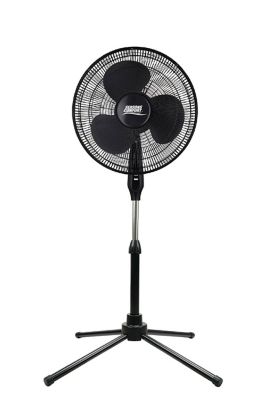
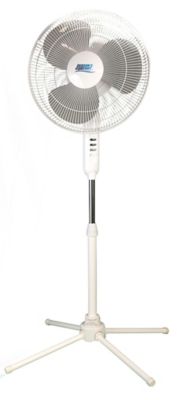
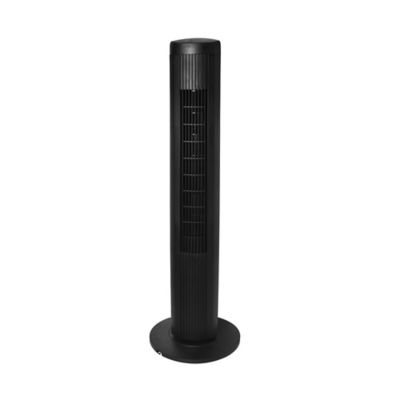
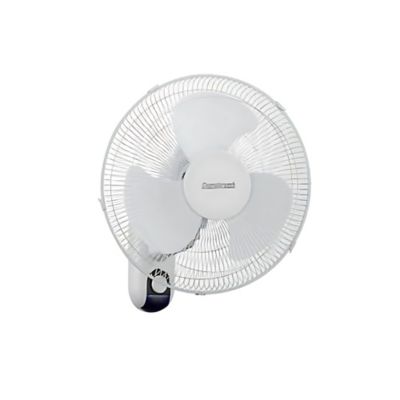
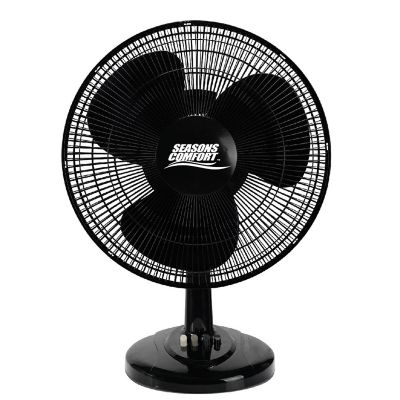
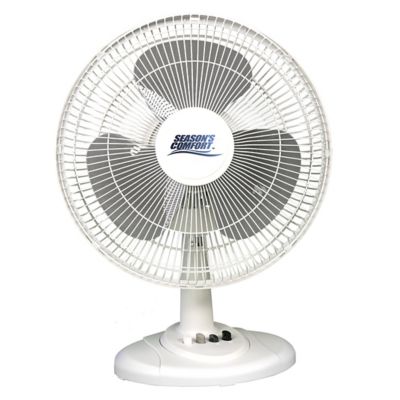
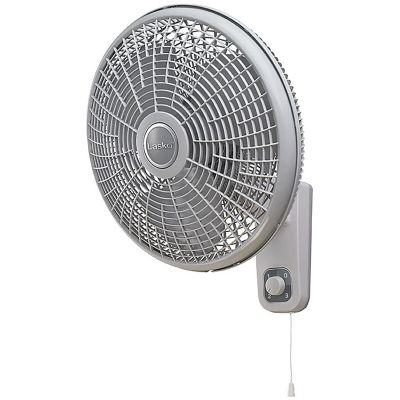
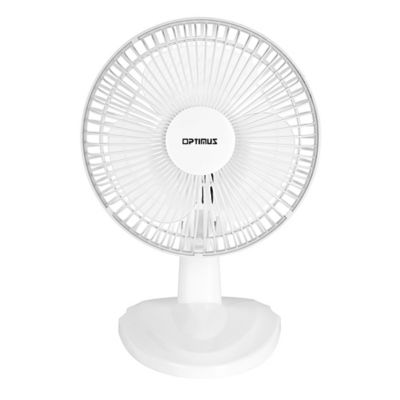
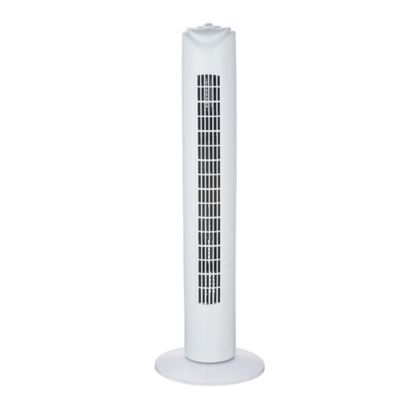
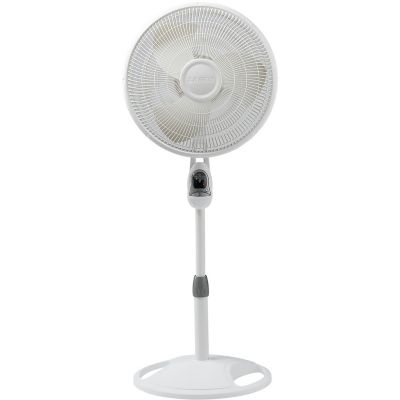
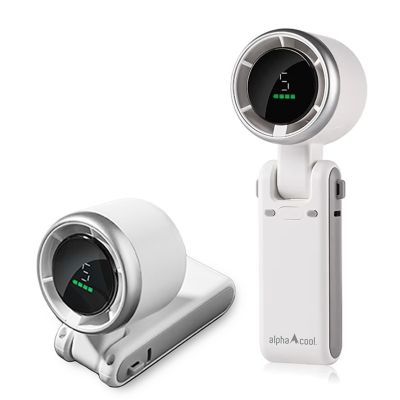
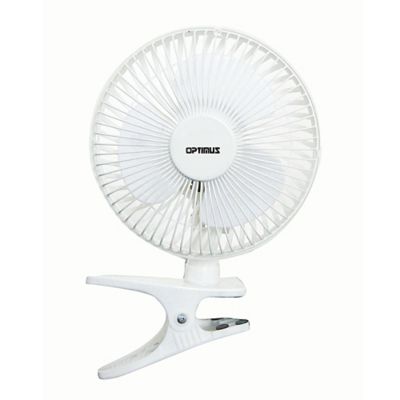
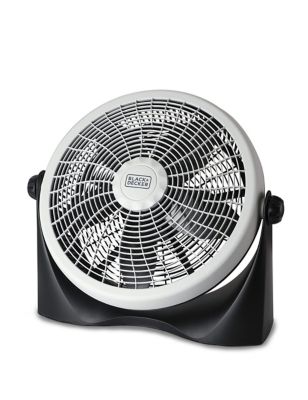
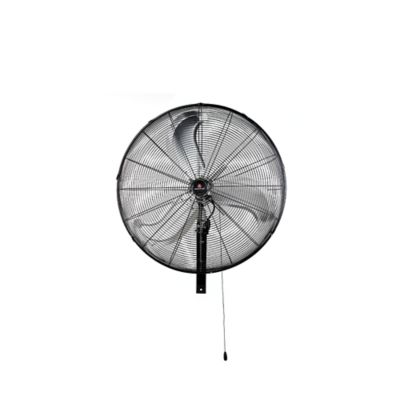
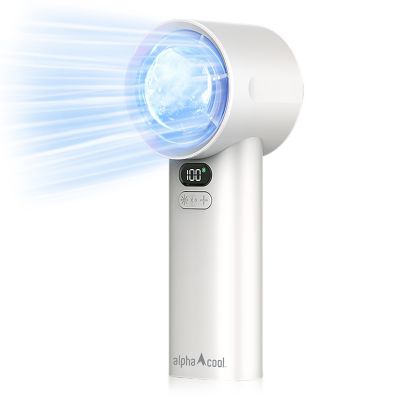
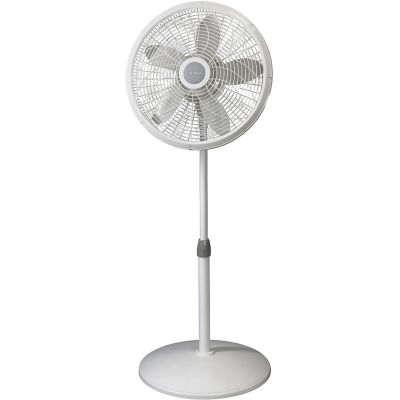
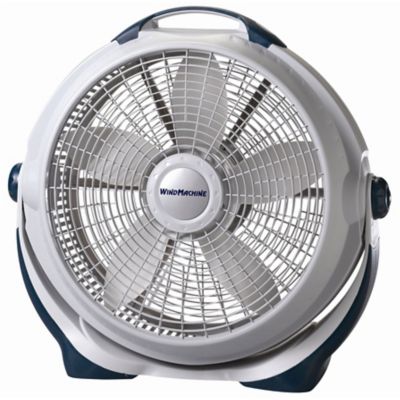
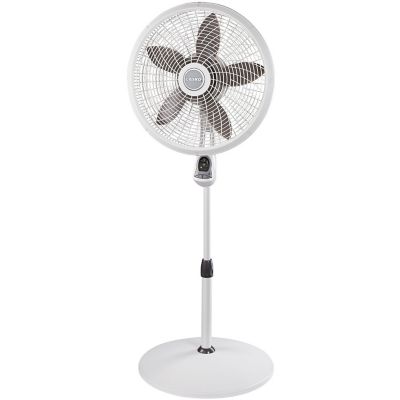
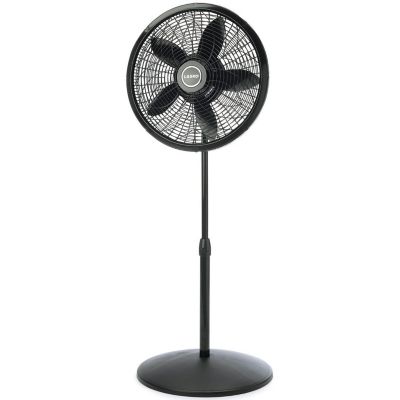
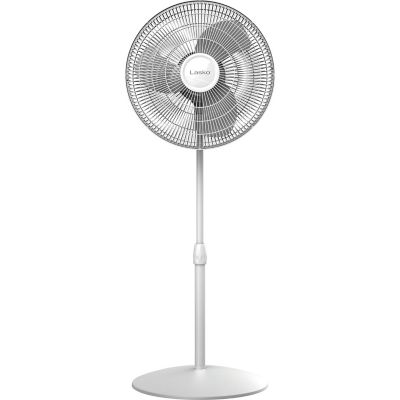
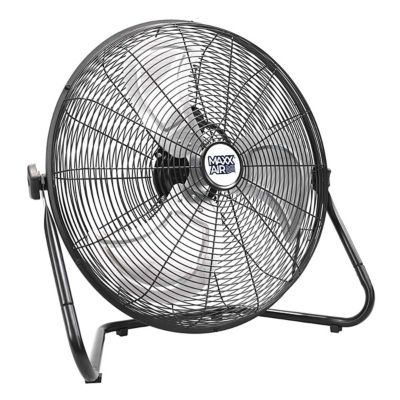
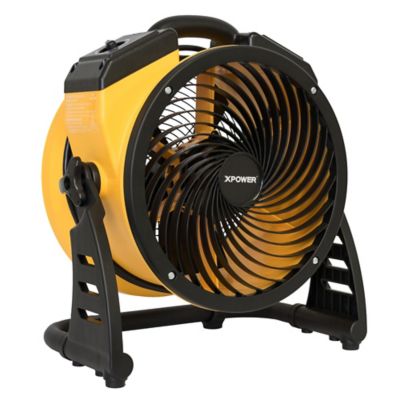
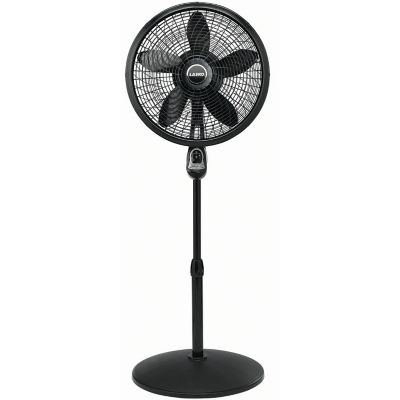
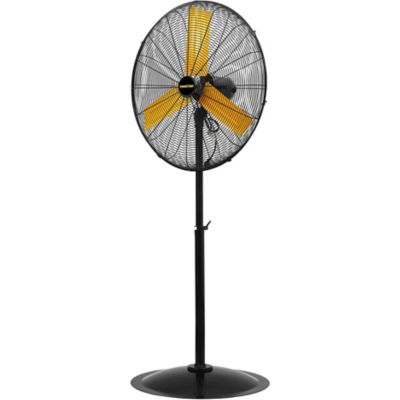
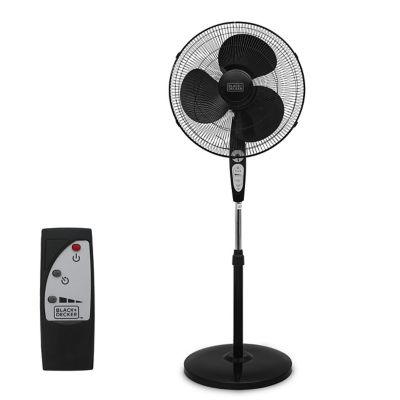
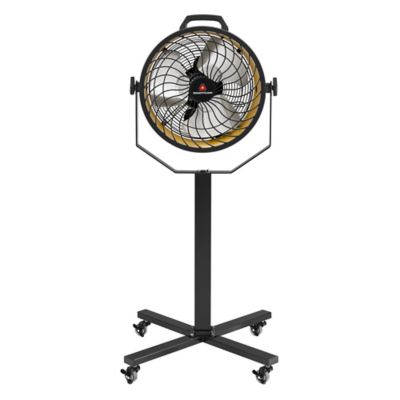
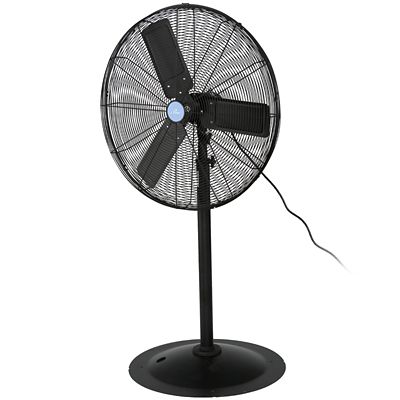
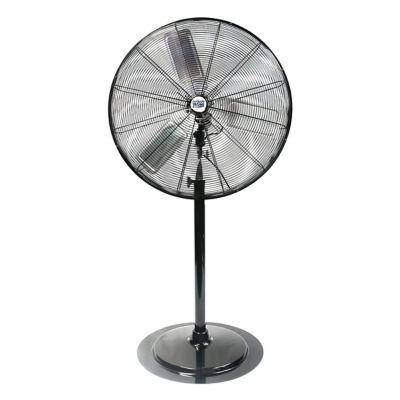
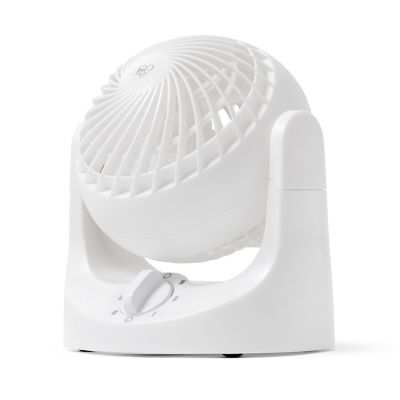
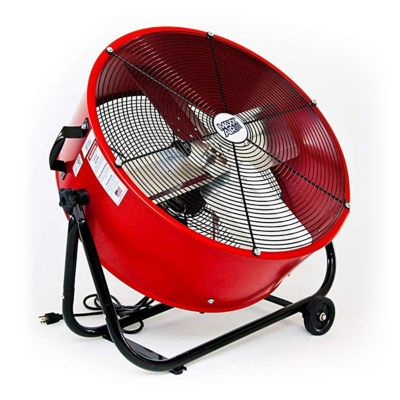
For room-by-room cooling, quiet fan styles range from compact tabletop designs to taller tower and pedestal formats, with each taking up space differently. A tabletop fan fits near a reading chair or desk, while a pedestal fan can direct air above furniture without claiming a spot on the work surface. Tower fans generally have a narrow footprint, though a stable base and room around the intake still matter. In a spare bedroom, gentle airflow may matter more than strong output; in an open living area, broader coverage and oscillation may be more useful. Adjustable tilt and height help direct the breeze toward the seating area instead of loose papers on a desk. A clear, easy-to-reach control panel is handy when the fan sits beside a bed, and display dimming can matter to light sleepers. Construction affects handling and care as well as appearance. Molded housings are often lighter to carry between rooms, while metal housings and guards can add weight and a different feel. Neither material alone establishes how long a fan will last; motor design, assembly, operating conditions, and regular cleaning all play a part. Smooth surfaces and accessible grilles make dust removal less of a chore, especially in homes where boots, pets, and everyday traffic keep dust moving. Cleaning should follow the manufacturer’s directions, with power disconnected before handling blades or removing a guard. Water and cleaning sprays need to stay away from electrical components unless the instructions specifically allow them. A household fan is not automatically suited to a dusty shop, damp outbuilding, or covered porch; the location needs to match its stated rating. Secure placement, intact guards, and a cord kept clear of walking paths matter around children and animals. Whether the fan stays beside a favorite recliner or moves between rooms, manageable weight, a steady base, and convenient controls help it earn its place without becoming the loudest thing in the house.