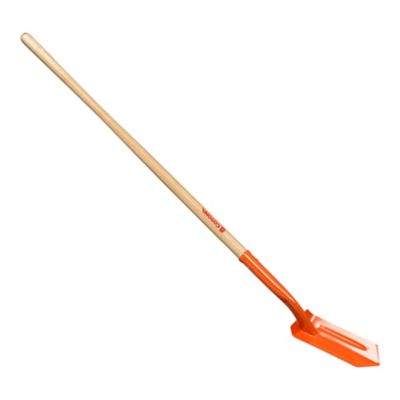
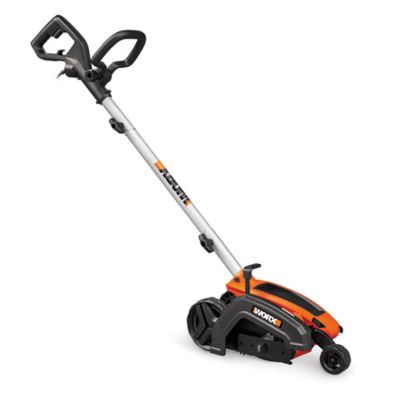
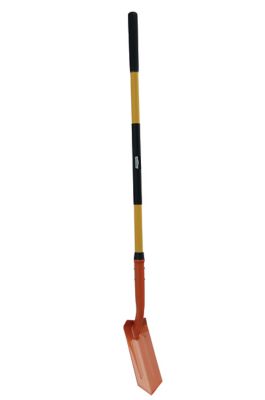
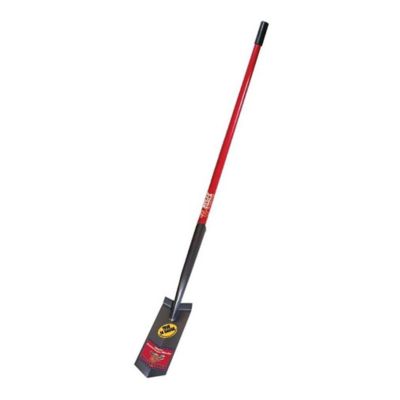
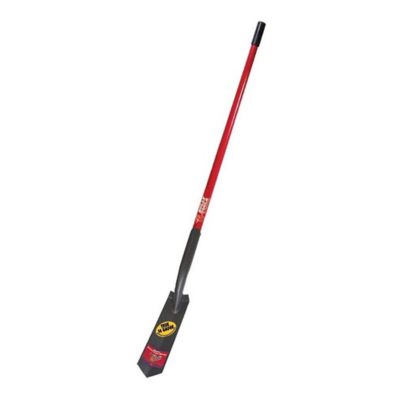
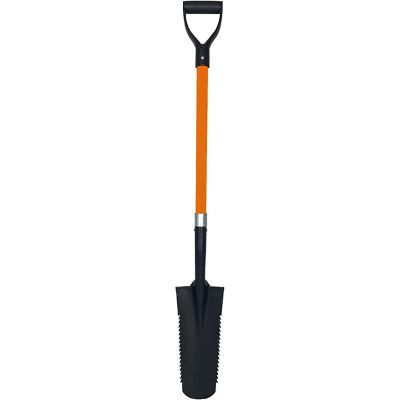
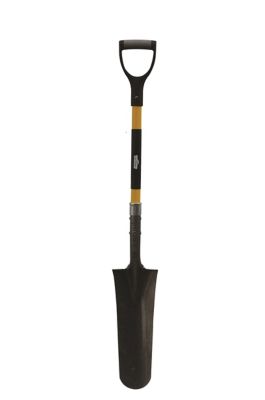
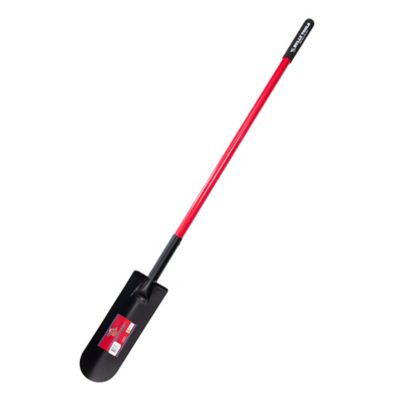
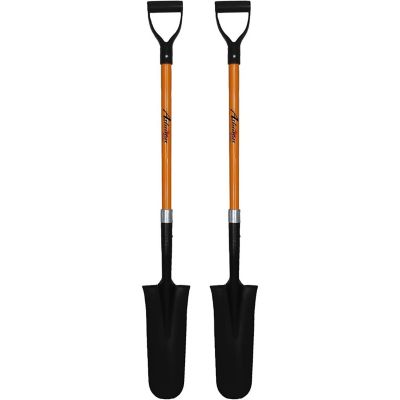
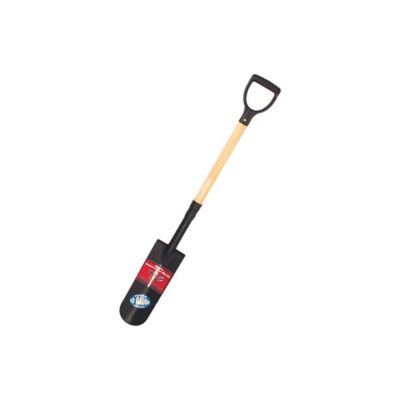
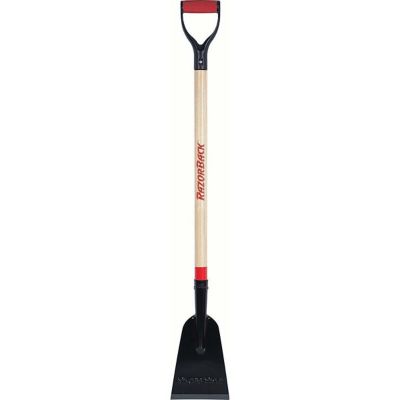
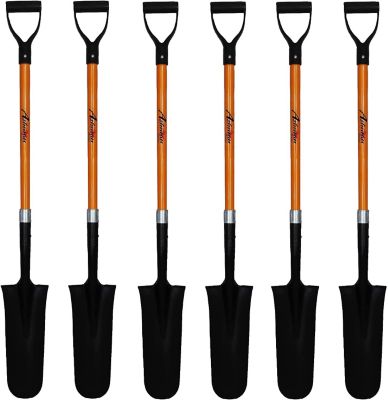
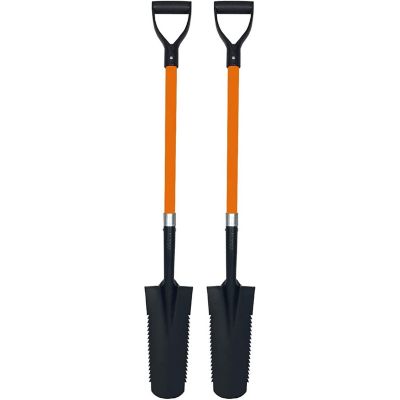
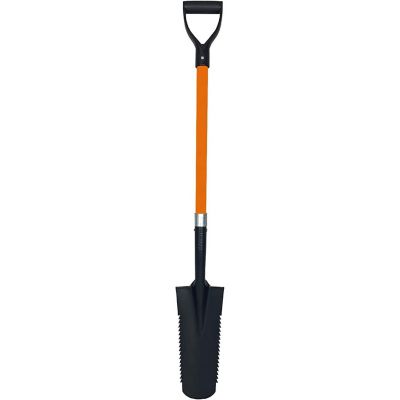
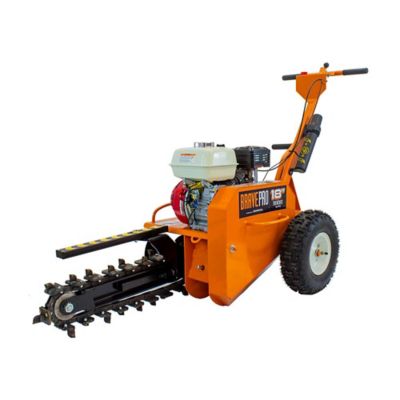
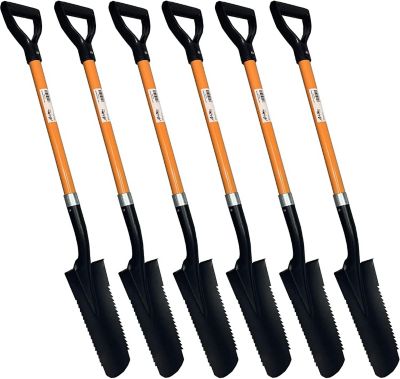
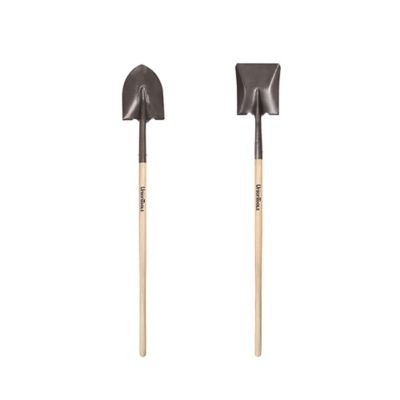
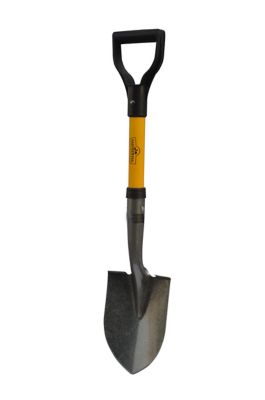
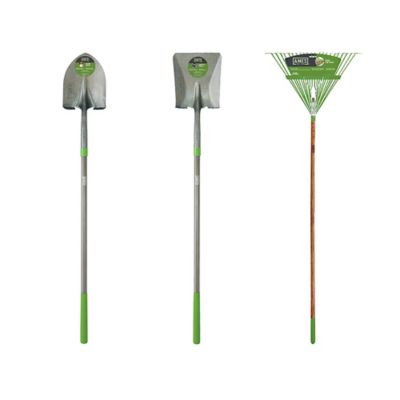
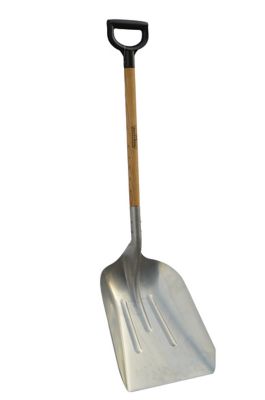
Trench shovels earn their place in the tool shed when a digging job calls for a narrow channel rather than a wide hole. Along a garden irrigation line, beside a livestock watering setup, or across a stretch of yard getting new drainage, their slim blades help remove soil without opening up more ground than the job needs. That smaller footprint can mean less backfill to handle and less disturbance around nearby grass and planting beds. These shovels are built for moving earth within a confined space, with blade shapes that help reach into a trench and clear loose material from the bottom. Some have pointed cutting edges that suit the initial digging, while others have flatter ends that work well for cleaning out an existing channel. Raised sides on certain blades help hold loose dirt as it comes up, which comes in handy when a narrow trench keeps collecting crumbs of soil along its base. The distinction matters: a shovel that scoops loosened earth neatly may not be the best tool for breaking through tightly packed ground. For landowners, grounds crews, gardeners, and folks maintaining small farms, matching the blade to the work makes a noticeable difference over a full stretch of digging. A short run to a garden bed has different demands than a lengthy drainage project, but both benefit from a tool that fits the space. Trench shovels also complement larger digging equipment, reaching into spots where a machine bucket leaves loose earth or where the final shape needs a little more attention. Their purpose is fairly straightforward, but the details of blade width, handle length, and overall weight affect how they feel from the first scoop to the last. A well-matched shovel leaves room to work along the sides of the channel without making every lift a wrestling match.
Blade construction is worth a close look, especially for ground with packed clay, gravel, or a mix of soil and small stones. Steel is common because it provides the strength a digging edge needs, though thickness, shaping, and heat treatment all play a part in how a blade handles repeated work. A heavier blade may offer more substance for demanding digging, while a lighter shovel can feel more manageable when the main task is lifting loose dirt from a shallow run. Protective finishes help limit surface corrosion, but the working edge still sees plenty of abrasion as it moves through the ground. Blade width should suit the planned channel and leave enough clearance for the work taking place inside it. Too wide, and the shovel removes extra soil; too narrow, and cleaning the bottom may take more passes. The angle between the blade and handle also affects reach and lifting posture. Some shapes favor scooping from the base of a trench, while others feel more natural for cutting downward. Foot steps, where present, give a boot a place to bear against the blade, although narrow shovel shoulders offer less room than those on a broad digging spade. Handle material brings another set of trade-offs. Wood has a familiar feel and can make changes in its condition easy to spot, while fiberglass resists rot and avoids wood splinters. Fiberglass handles do not make a shovel safe for contact with electrical lines. Steel handles can add strength but may add weight as well. Just as important is the connection between the handle and blade: a firm socket and sound fastening keep the tool feeling steady under a load of earth. Across these designs, the best fit comes down to the ground, the depth of the work, and the amount of lifting the job involves—not simply choosing the biggest or heaviest shovel.
Handle length and grip shape help determine whether a trench shovel feels comfortable in your hands or awkward halfway through the project. A longer shaft offers reach into a channel and can reduce the need to bend as far, though extra length may get in the way near fences, walls, or closely spaced plants. A shorter shaft can be easier to maneuver in tight quarters. D-shaped grips offer a defined handhold for controlling a loaded blade, while straight handles allow more freedom to shift hand position. Overall balance matters, too: a blade-heavy shovel feels different from one with more weight through the shaft, especially when lifting soil out and setting it alongside the trench. Gloves need enough grip and flexibility to hold the handle securely without bunching in the palm. For someone who regularly tends irrigation, maintains garden beds, or tackles drainage work around a property, those small comfort details can matter more than an extra feature that rarely comes into play. A trench shovel also works best as part of a sensible digging setup rather than as a tool for every task. A digging bar or mattock may be better suited to loosening stubborn ground, while
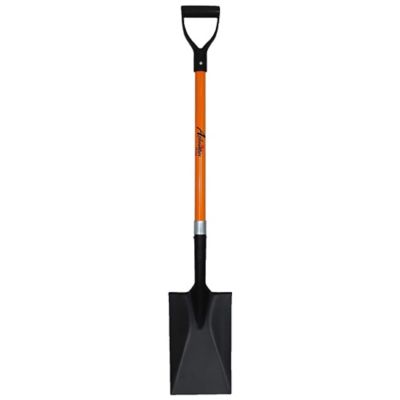
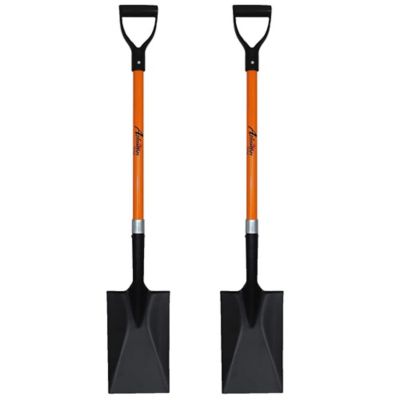
Square Shovels suit scooping loose material from flatter surfaces and tidying up spoil around the work area. Trench shovel handles are not meant to serve as pry bars for buried rocks or heavy roots. Before any digging project, contacting 811 and checking for private underground lines helps establish where work can proceed; a narrow blade can still damage buried utilities. After the job, clearing soil from the blade, drying the metal, and storing the shovel off the ground help keep it ready for another stretch of work. Wood handles benefit from care suited to their finish, and all handles deserve a check for cracks, looseness, or worn gripping surfaces. With the right fit and routine attention, a trench shovel can stay a practical part of the everyday lineup for keeping water lines, drainage runs, and planting projects moving along.