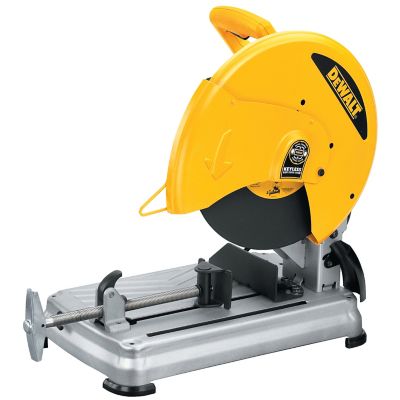
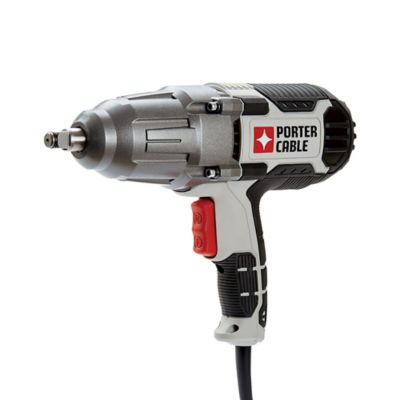
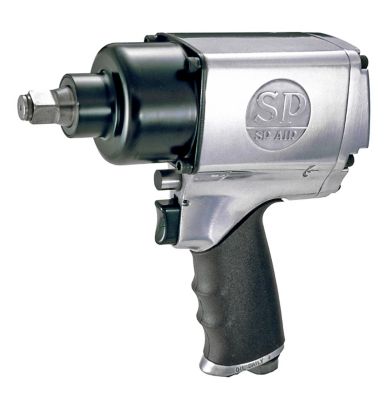
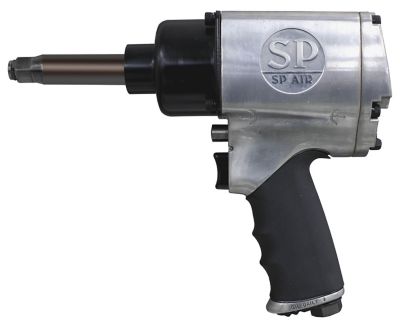
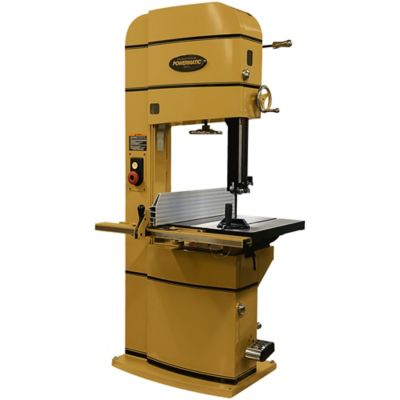
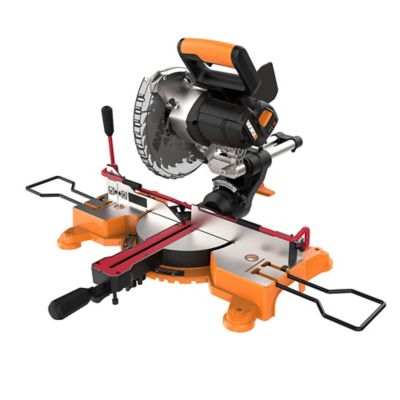
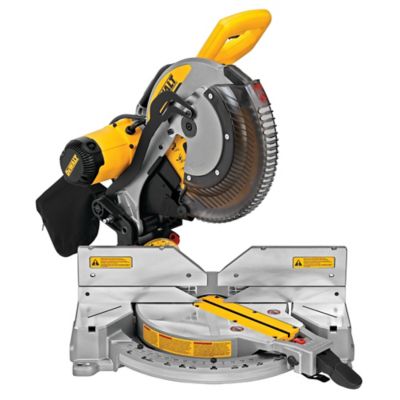
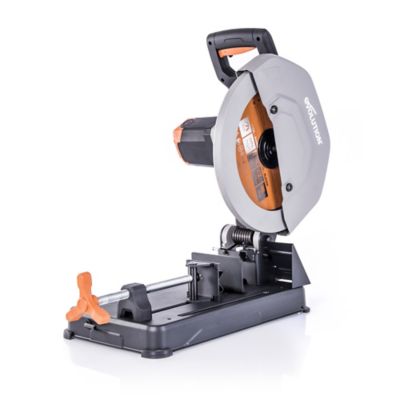
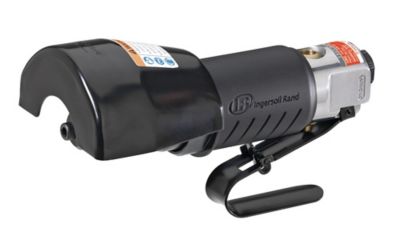
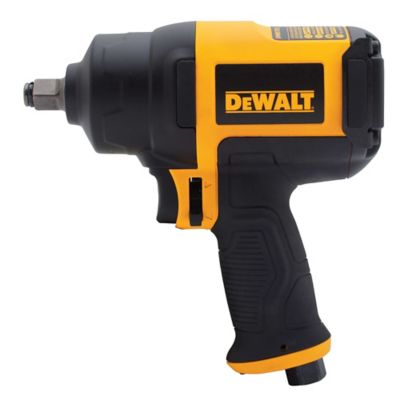
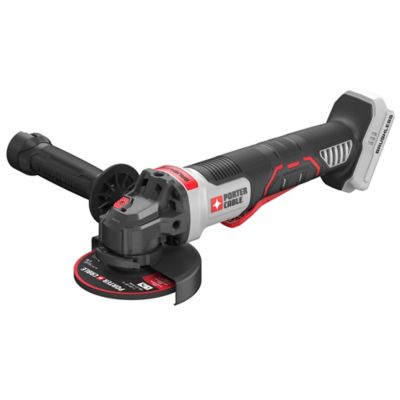
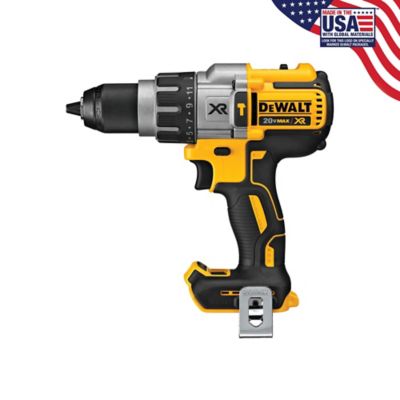
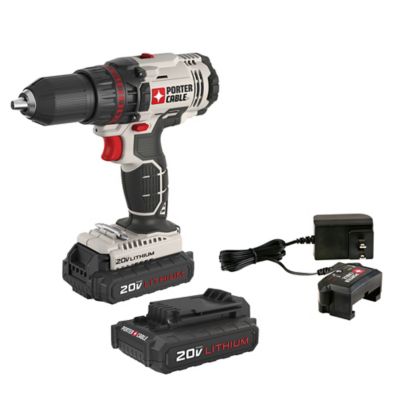
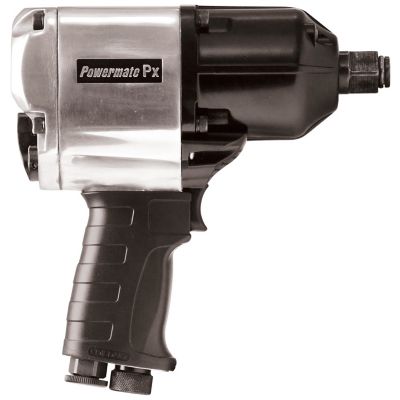
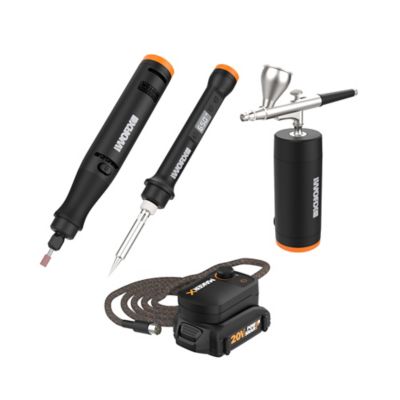
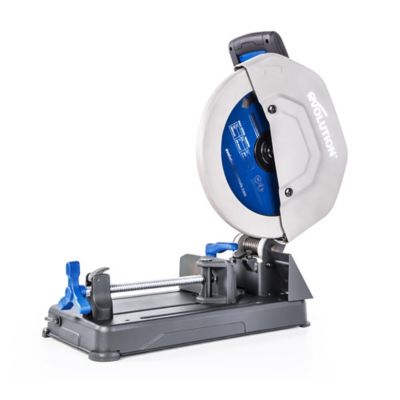
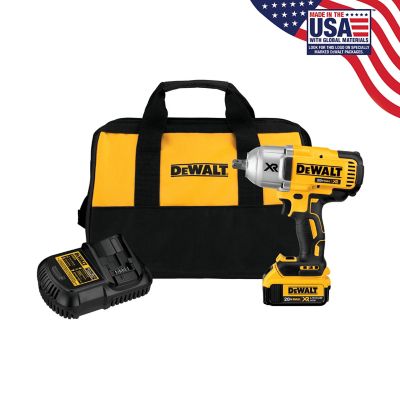
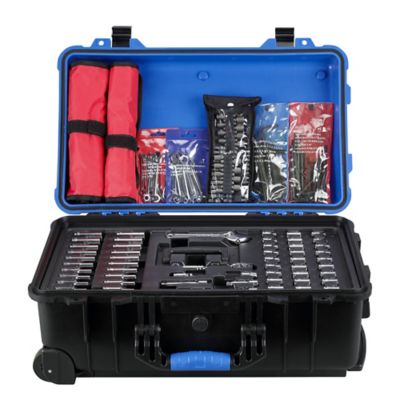
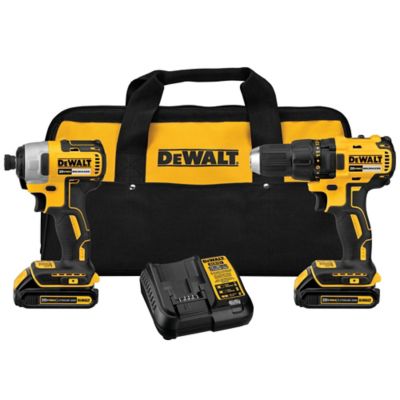
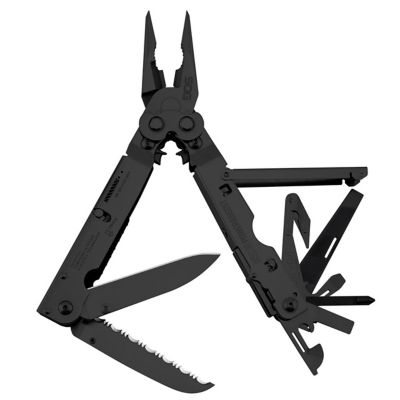
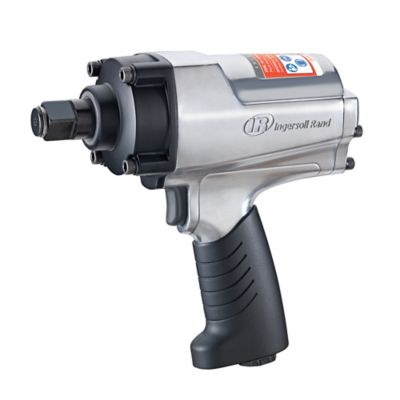
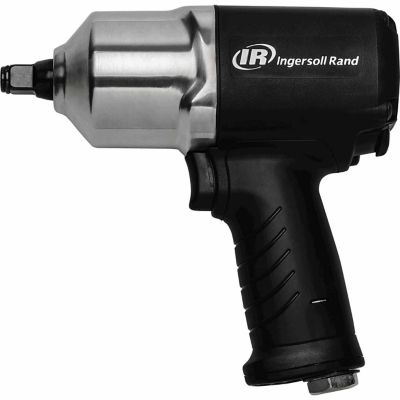
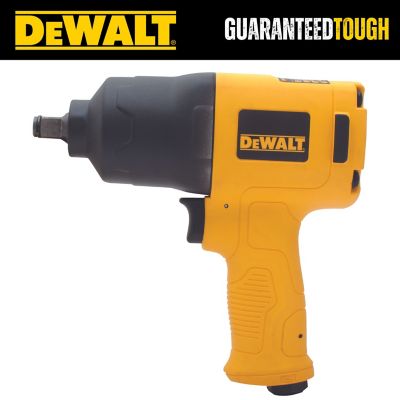
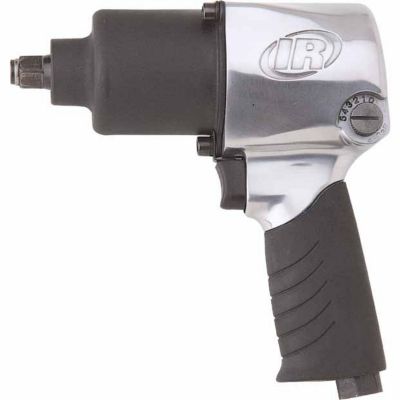
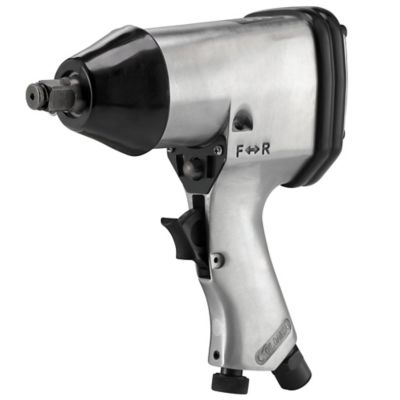
Heavy duty power tools are built for demanding work around the farm, shop, garage, jobsite, and home. This category can include high-torque impact wrenches for stubborn fasteners, stationary bandsaws for cutting thick stock, rotary hammers and demolition breakers for masonry, and other corded, cordless, or pneumatic tools made to keep a project moving through tough material. A high-torque impact wrench can help loosen rusted lug nuts, handle heavy equipment repairs, or tighten large bolts on trailers, implements, and structural assemblies. For woodworking and fabrication, a stationary bandsaw gives you a steady cutting platform for lumber, posts, hardwood, and other stock, while a large motor and suitable blade help it maintain momentum through thicker pieces. Concrete breakers and jackhammers bring concentrated impact to slabs, footings, tile, block, and other masonry when a sledgehammer would turn a short task into an all-day chore. Many shoppers compare heavy duty power tools with
Portable Power Tools when they need to balance shop capability with easier transport. Start by matching the tool to the work instead of shopping by appearance alone. A tool for occasional vehicle service has different needs than one supporting daily construction, fabrication, equipment repair, or property maintenance. Think about material thickness, fastener size, expected run time, available power, and the room you have to operate and store the tool. A farmer repairing a hay rake beside the machine shed may value cordless mobility, while a shop owner cutting stock all afternoon may prefer the steady output of a corded machine. For a remote fence line or equipment yard, portability can save repeated trips for an extension cord. In a fixed workshop, a larger stationary tool may provide the control and capacity needed for repeat cuts.
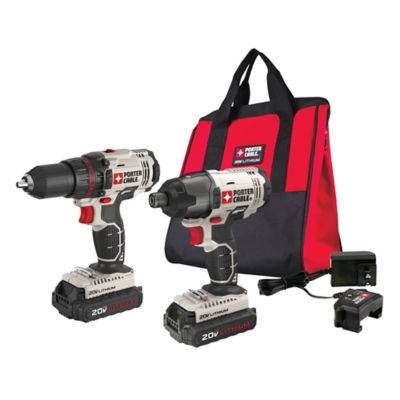
Power source is one of the biggest decisions when shopping for heavy duty power tools. Cordless tools can be a practical fit for field repairs, outbuildings, and locations without a nearby outlet, but battery voltage, amp-hour rating, charging time, and platform compatibility all matter. Batteries with greater capacity can support longer work sessions, though they may add weight to a handheld tool. Check whether the tool is sold as a bare unit or with batteries and a charger, then consider what other tools can share that battery system. Corded tools provide steady power for extended shop work, but the outlet, extension cord rating, and circuit capacity need to match the tool’s requirements. Pneumatic equipment can deliver strong performance in a well-equipped shop, provided the air compressor supplies enough pressure and volume for the tool’s demands. For impact wrenches, compare maximum fastening torque, breakaway torque, drive size, speed settings, and the socket range you expect to need. High torque can help with heavy bolting, but it also calls for the right sockets, secure footing, and careful attention to manufacturer guidance. For bandsaws, look at throat capacity, cutting height, blade width, table size, motor power, speed options, dust collection, and safety features such as a blade guard and emergency shutoff. A demolition hammer should be compared by impact energy, blows per minute, bit style, vibration control, handle design, and the kind of masonry it is intended to break. A heavier machine may move through hard material faster, yet a lighter option can be easier to control during overhead or detail work. Keep replacement blades, bits, sockets, lubricants, and batteries in mind before making a purchase, since the right accessories can determine how smoothly a job goes.
These tools fit a wide range of people and projects, from working ranchers and farm managers to mechanics, remodelers, welders, woodworkers, maintenance crews, and homeowners caring for acreage. They can also make a thoughtful gift for someone setting up a new shop, restoring equipment, building a barn, or taking on more repairs at home, especially when the selection reflects the recipient’s regular work. A mechanic may appreciate a high-torque impact wrench for wheel service and heavy suspension work, while a woodworker may get more value from a stationary saw with ample cutting capacity and an easy-to-adjust table. Someone tackling a concrete repair may need a breaker and the correct chisels rather than a general-purpose drill. Before giving a tool as a gift, check the recipient’s existing battery platform, electrical setup, air compressor, storage space, and preferred grip or handle style. During the cooler months, heavy duty power tools can help with indoor shop projects, winter equipment maintenance, firewood preparation, and repairs that are easier to complete before spring work begins. As weather shifts between wet ground, frost, and clear working days, store tools in a dry space, keep batteries away from extreme temperatures, and protect cords, bits, blades, and sockets from moisture. Wear eye and hearing protection, gloves suited to the task, sturdy footwear, and respiratory protection when dust or chips are present. Secure the workpiece, keep guards in place, inspect cords and housings before operation, and allow motors, gear cases, and breakers to cool during demanding sessions. With the right match between tool capacity and project requirements, heavy duty power tools can bring more control to hard jobs, reduce strain from manual work, and help keep repairs and building tasks moving from the first cut or fastener to the final pass.