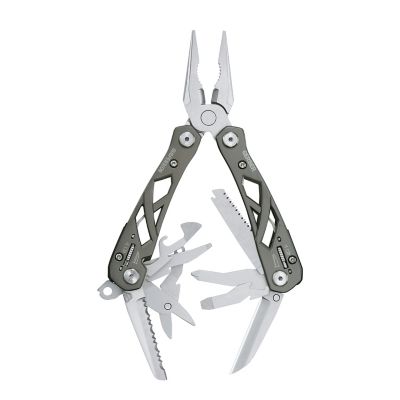
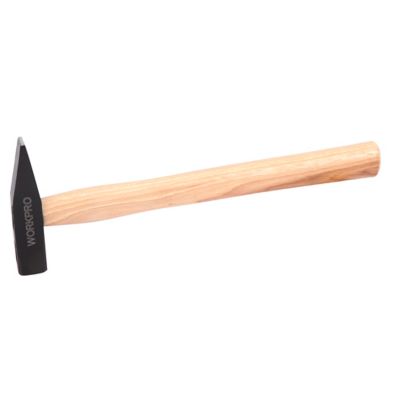
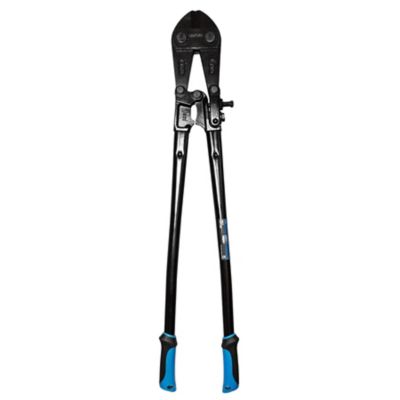
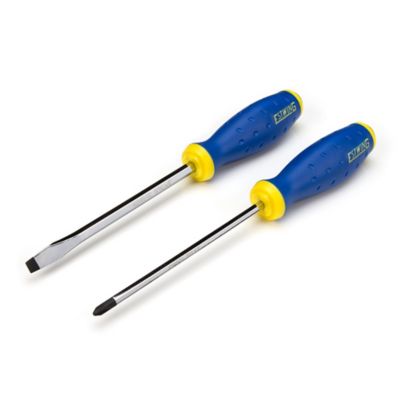
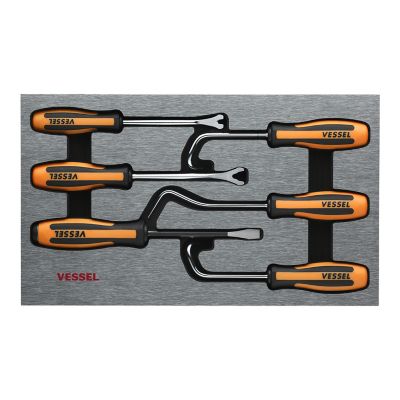
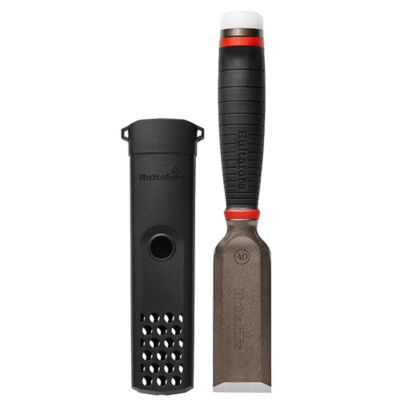
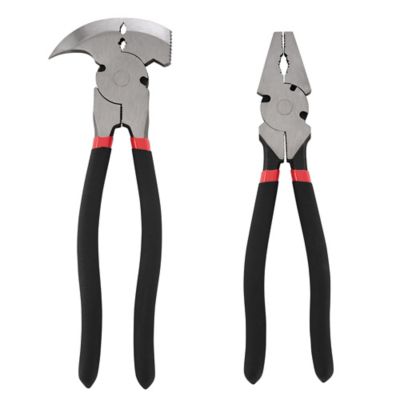
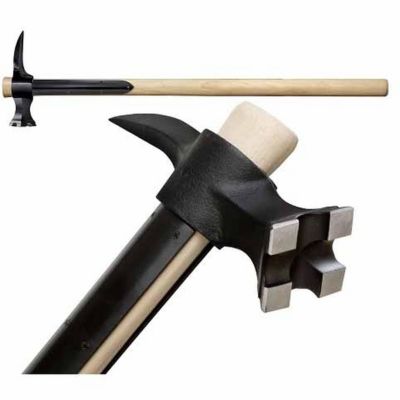
Heavy-duty tools are built for demanding repair, maintenance and construction work where strength, control and repeated use matter. They cover hand tools, powered equipment and specialized tools for jobs such as loosening stubborn fasteners, drilling substantial materials and servicing farm machinery. Around a working property, that might mean repairing a gate hinge, replacing worn hardware on an implement or getting a trailer ready for another load. In a repair shop, it can mean working through equipment that sees hard service day after day. The term heavy-duty describes the intended workload, but the details behind that label matter more than size alone. Steel composition, heat treatment, housing construction and the design of moving parts all affect how a tool handles force and wear. Chrome vanadium steel is common in hand tools, while chrome molybdenum steel appears in many impact applications; neither material name replaces the need to check the tool’s stated purpose and ratings. Protective finishes can help resist corrosion, though working surfaces still need attention after exposure to moisture, dirt or corrosive residue. Fit matters just as much as construction. A wrench or socket that matches the fastener closely helps maintain contact across the intended surfaces, especially when hardware is tight or difficult to reach. SAE and metric sizing serve different equipment, and a close-looking substitute can damage a fastener rather than move it. Handle length, head clearance and grip shape also influence how comfortably a tool works beside an engine block, beneath a trailer or inside a crowded machinery compartment. Longer handles provide leverage, but added force belongs within the tool’s limits and the equipment maker’s service requirements. For mechanics, farmers, ranchers, tradespeople and property owners, a well-matched tool does more than tackle a tough job: it helps make the work controlled and repeatable, whether the task takes a few minutes or fills an afternoon.
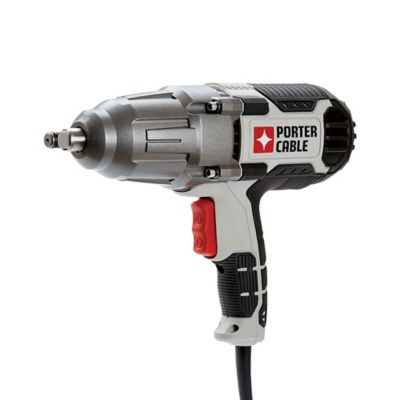
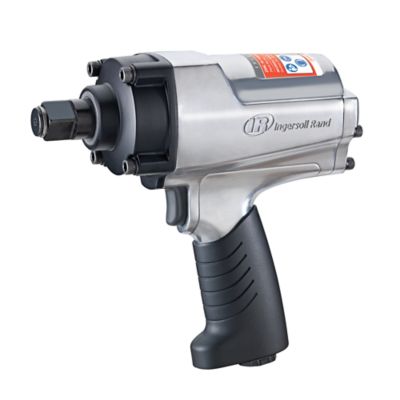
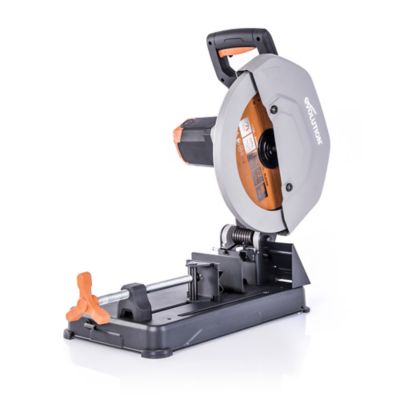
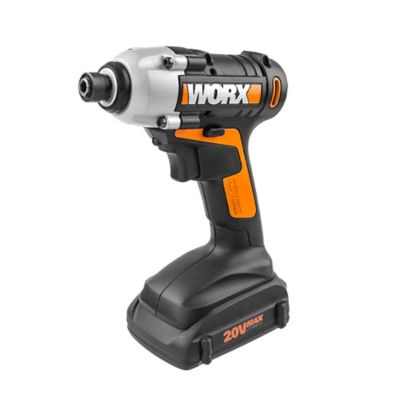
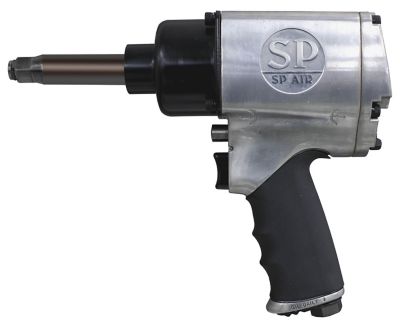
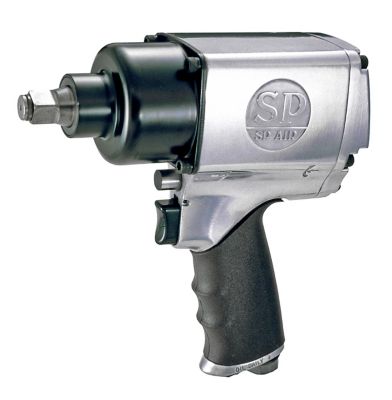
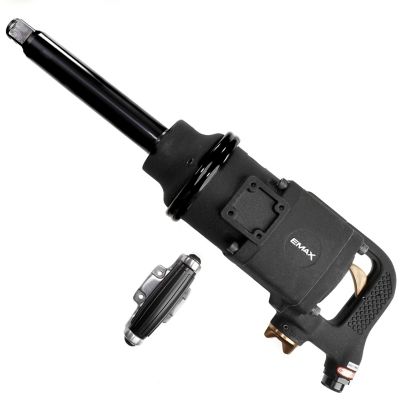
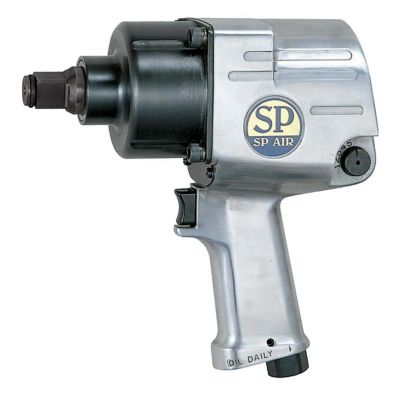
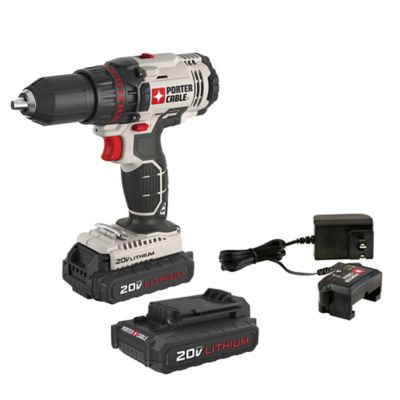
Heavy-duty power tools bring another set of considerations, with the power source, output and working environment shaping their role. Cordless equipment offers movement between the shop, barn and equipment yard without an air hose or electrical cord following along. Battery platform compatibility, pack weight and runtime all influence how that setup fits the work. A larger battery may support longer operation, but it also changes balance and can add strain during overhead tasks or work at arm’s length. Corded equipment suits tasks near an appropriate electrical supply, while pneumatic tools depend on a compressor, hose and fittings that can meet the tool’s operating pressure and airflow requirements. A compressor’s tank size alone does not tell the whole story; sustained air delivery matters when a tool runs repeatedly. For impact equipment, fastening torque and breakaway torque describe different capabilities, and neither should be treated as a substitute for the required final tightening specification. Impact-rated sockets and attachments belong with impact tools, since ordinary hand-tool sockets are not intended for repeated striking forces. Drilling, grinding and cutting equipment likewise depends on compatible accessories with the right dimensions, mounting style and speed rating. The material being worked also matters: steel plate, wood framing and masonry each place different demands on the cutting edge or abrasive. On long jobs, manageable weight, accessible controls and a grip that stays secure in a gloved hand can matter as much as headline power. Vibration and noise are practical considerations, too, particularly for anyone spending hours around running equipment. Eye and hearing protection, guards and proper work support remain part of the setup. Heavy-duty equipment is not always the right match for delicate work, and extra torque cannot make up for poor access or an incorrect attachment. The best fit comes from matching the tool’s capabilities to the task, with enough control to protect both the operator and the machinery being serviced.
Keeping heavy-duty tools ready for work involves storage and care as well as strength. Grit around a moving joint, metal shavings in a case or residue on a grip can interfere with smooth operation and make the next repair harder than it needs to be. Cleaning methods and lubrication should follow the maker’s directions, especially around sealed housings, electrical components and battery connections. Worn cords, damaged sockets, cracked handles and loose parts deserve attention before another demanding job. Tools that measure or apply a specified torque also need the care and calibration appropriate to their design; a tool that turns a fastener is not necessarily a tool that verifies its final tension. Organized storage makes it easier to spot those problems and keeps frequently reached-for sizes close at hand. For a shop bench, service vehicle or equipment shed,
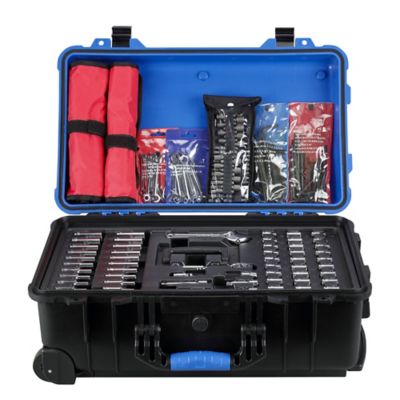
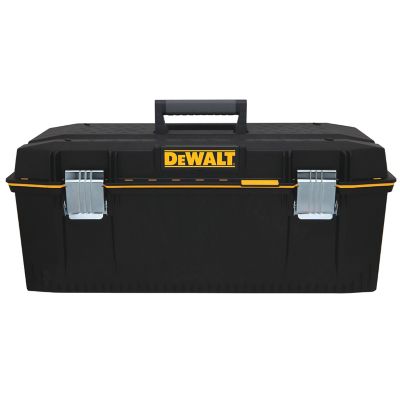
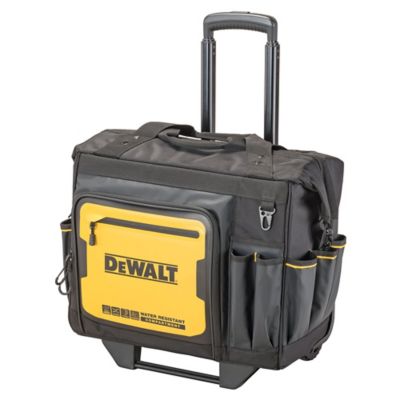
Heavy Duty Toolboxes can help keep the working setup together, with capacity, compartment layout and load ratings shaping the fit. Deep storage accommodates larger tools, while shallow compartments can keep smaller attachments from disappearing beneath heavier equipment. Drawer retention, carrying handles and mounting provisions matter when tools travel over uneven ground or ride between jobs. A loaded box needs to stay within its rated capacity and be secured appropriately for transport. Beyond storage, a balanced assortment reflects the equipment on the property rather than simply adding more pieces. A mechanic working on mixed machinery may need both SAE and metric coverage, while someone maintaining fencing and outbuildings may place more value on fastening, drilling and cutting capabilities. Heavy-duty tools can also make a practical gift for an experienced repair hand or someone building out a working garage, particularly when the sizing, power platform and intended tasks are already known. Whether the work happens at a bench or beside a stalled machine, the goal stays straightforward: tools that fit the job, handle its demands and remain organized for the next repair.