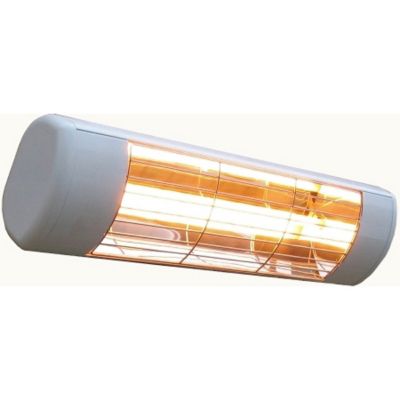
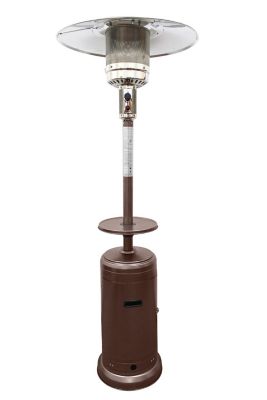
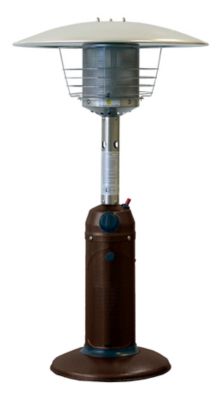
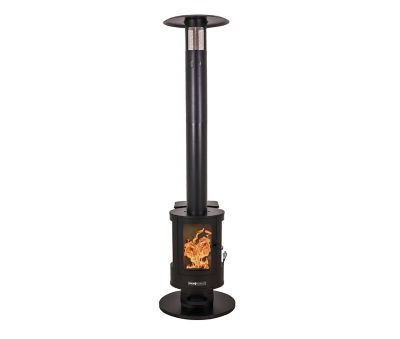
Temporary heaters provide portable or movable warmth for spaces that need heat for a limited stretch rather than a permanent heating system. Common settings include workshops, garages, construction sites, and certain outdoor work areas, with the right heater depending on the space, its ventilation, and the power or fuel on hand. Electric, propane, natural gas, kerosene, and diesel equipment each serves a different purpose, so heat output alone does not tell the whole story. An electric space heater may suit a small enclosed workroom, while a fuel-burning jobsite heater may fit a larger work area when its operating requirements can be met. For someone repairing a gate hinge at a bench or sorting hardware in a garage, directing warmth toward the work area can make more sense than trying to heat every corner of the building. Radiant heaters warm people and nearby surfaces in their path, while fan-forced heaters move warmed air through a space. Convection heaters circulate warmth through natural air movement, often without the sound of a blower. Radiant heat can be helpful where a steady stream of air would be bothersome, although placement and clearance still matter. Fan-forced heat may spread warmth more evenly in a suitable enclosed room, but open doors and drafts can carry that warmth away quickly. Heater sizing depends on square footage, ceiling height, insulation, air leakage, and the difference between the starting temperature and the desired temperature. A tall, drafty garage takes more heating capacity than a tight room with the same floor area. Manufacturer coverage estimates provide a starting point, not a promise that every building will warm at the same pace. Electric heaters commonly list output in watts, while fuel-burning heaters often list British thermal units per hour, or BTU/h. Comparing those ratings alongside the intended setting helps keep the selection grounded in the job. For smaller spaces where footprint matters,
Compact Heaters offer another category to consider, with the same attention to placement, power requirements, and operating limits.
Electric temporary heaters generate heat without combustion exhaust at the point of operation, making them a practical option for indoor spaces when the equipment is rated for that location and the electrical supply is suitable. Some plug into standard household receptacles; higher-output equipment may need a different voltage, a dedicated circuit, or professional electrical installation. Checking the nameplate and circuit requirements matters just as much as finding room beside a workbench. Plug portable electric space heaters directly into an appropriate wall outlet, not an extension cord or power strip, and stop operation if the plug or receptacle becomes hot or shows damage. Fuel-burning heaters offer another approach, particularly for work areas where substantial heat output is needed, but they bring ventilation, fuel storage, and combustion-safety requirements. Propane equipment may connect to a cylinder, while natural gas equipment requires a suitable gas supply and approved connections. Kerosene and diesel heaters must run only on the fuels their manufacturers specify; gasoline is not a substitute. Direct-fired heaters release combustion gases and moisture into the heated area, so their permitted locations and ventilation requirements deserve close attention. Indirect-fired equipment separates the combustion stream from the delivered warm air and routes exhaust away through a proper venting arrangement. That distinction can matter for occupied work areas, moisture-sensitive tasks, and projects where exhaust must stay outside the heated space. Neither arrangement removes the need to follow installation and operating instructions. Outdoor-only heaters must remain outdoors, and a cracked window does not make one suitable for an enclosed garage or room. Carbon monoxide alarms are an important safeguard wherever required or recommended, but they do not replace ventilation or make an unsuitable heater safe. For emergency heat planning, check whether a fuel-burning heater also needs electricity for its fan, ignition, or controls. A full fuel tank alone may not keep it running during a power outage. Any backup generator belongs outdoors, at least 20 feet from doors, windows, and vents, with exhaust directed away from buildings.
The way a temporary heater is built affects how well it fits everyday work, from carrying it across a shop to setting it on a designated section of concrete floor. Metal housings, protective grilles, stable bases, and well-positioned handles are worth considering for equipment that moves between appropriate work areas. Wheeled frames can ease movement of heavier heaters, although wheels still need a firm, level surface and any specified restraints. A handle does not mean a heater can be moved while hot or running; shutdown and cooling requirements come first. Overall dimensions should include the clearance space around the heater, not just the cabinet itself. A narrow corner beside stacked lumber may have room for the housing but still be the wrong place to operate it. Keep portable space heaters at least three feet from combustible materials, or farther when the manufacturer requires it, and leave air intakes and outlets unobstructed. Clothing, cardboard cartons, shop rags, and bedding belong well away from the heat. Areas with airborne combustible dust, paint fumes, gasoline vapors, or other flammable substances need equipment specifically approved for those conditions, not an ordinary portable heater. In agricultural buildings, hay, feed dust, animal bedding, and the chance of a bump or tip-over add concerns that call for careful location selection and equipment expressly suited to the setting. Features such as tip-over shutoff, overheat protection, adjustable heat settings, and thermostatic controls can support day-to-day operation, but none replaces supervision or proper placement. Portable space heaters should be turned off when unattended or before sleeping. Care is generally straightforward: allow the equipment to cool, disconnect power as directed, and clean grilles or filters according to the manual. Inspect cords, hoses, fittings, and guards for damage, and have faults addressed before further operation. Shut down and cool fuel-burning equipment before refueling, and store fuel only in approved containers and permitted locations. Matching the heat source, construction, controls, and maintenance needs to the actual workspace helps make temporary warmth a practical part of getting the job done.