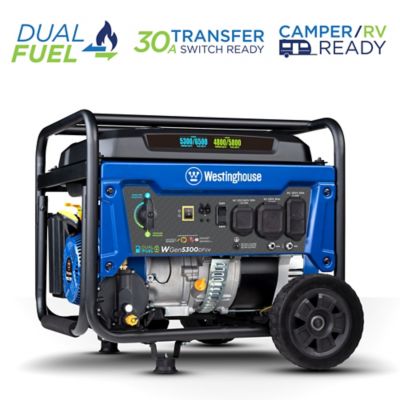
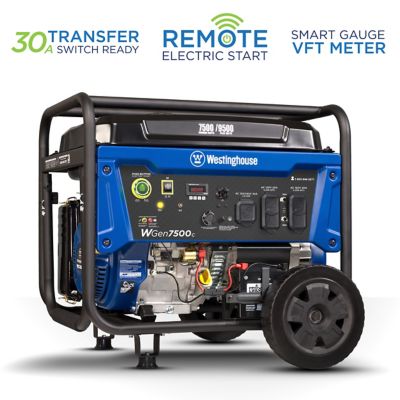
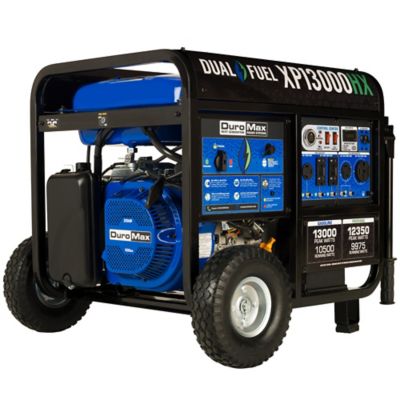
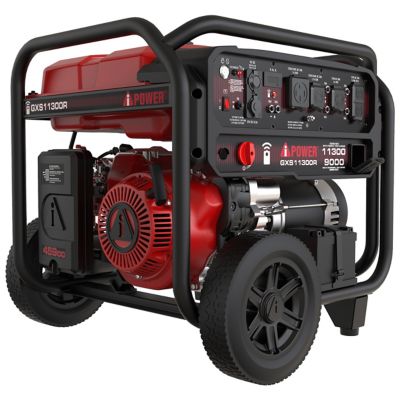
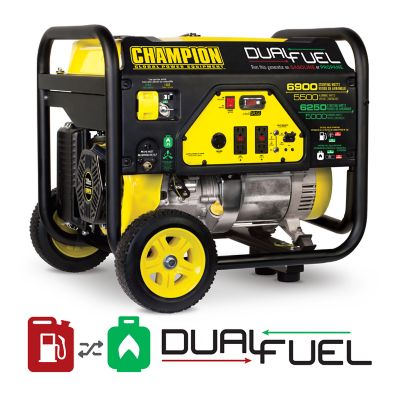
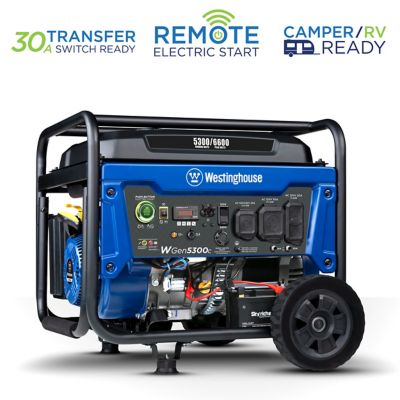
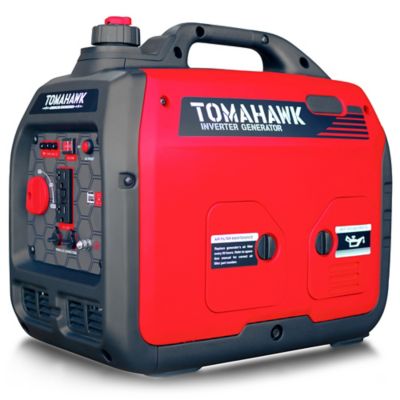
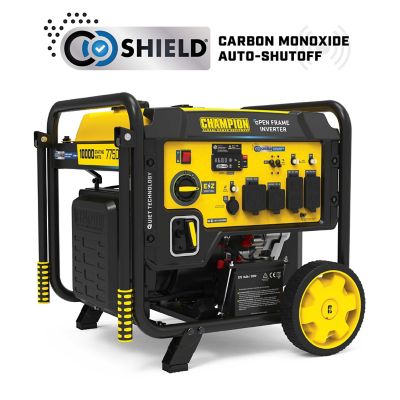
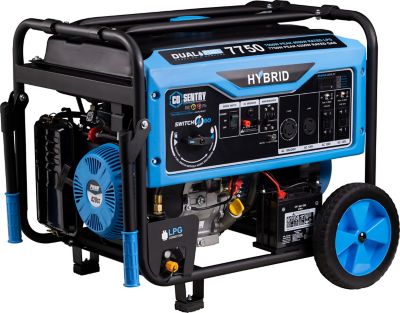
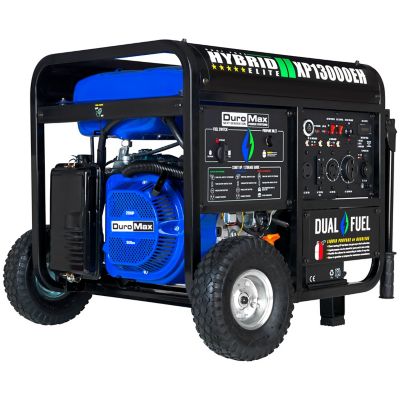
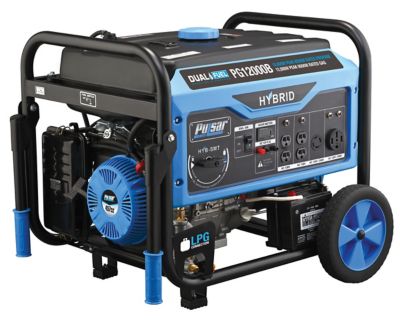
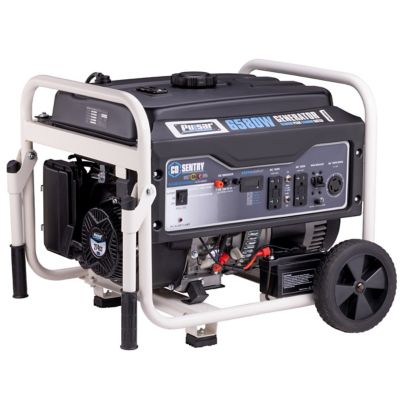
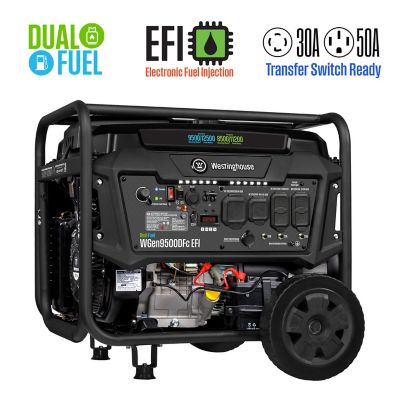
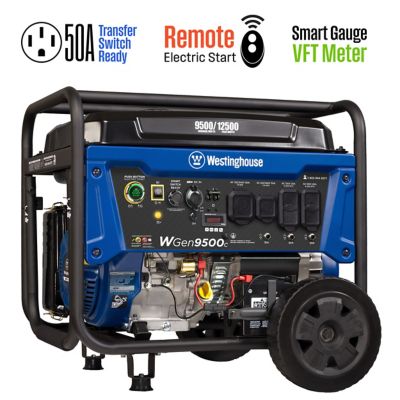
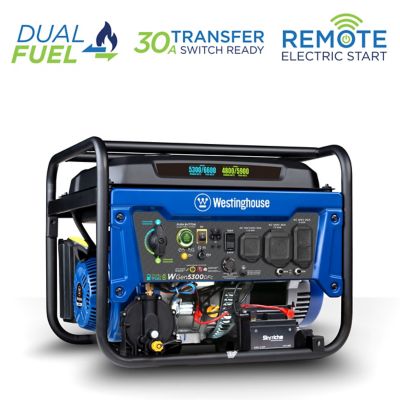
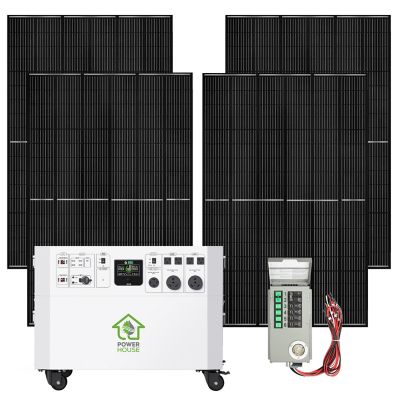
Home generators for power outages help keep everyday life moving when storms, equipment failures or other grid problems leave the house without electricity. The right choice depends on how much power you need, how long outages usually last and whether you want a hands-on backup or a system that starts on its own. Portable generators are a practical fit for many homeowners, rural properties, workshops and campsites. Their wheel-mounted frames make it easier to move the unit into position outside, while multiple outlets can power selected essentials such as a refrigerator, freezer, sump pump, well pump, lights or a window air conditioner. Some portable models offer electric start, remote start or more than one fuel option, which can make operation simpler when the power goes out after dark. Inverter generators are another portable option, often valued for quieter operation, improved fuel efficiency and clean, steady electricity for sensitive electronics such as phones, laptops, televisions and medical equipment. A portable power station uses stored battery power instead of gasoline, propane or natural gas and runs quietly, with no exhaust, making it useful for short interruptions, indoor charging needs and places where fuel-powered equipment is not practical. Battery capacity and recharge time matter with these units, especially if you need to run a refrigerator, CPAP machine or other equipment for several hours. For shoppers looking for a renewable backup option,
Solar Generators For Home Standby can help explain another way to plan for backup power. As the weather warms and carries into the cooler months, a generator can also be handy beyond an outage for powering tools away from the house, keeping a barn or shed supplied with electricity, or making a remote jobsite more convenient.
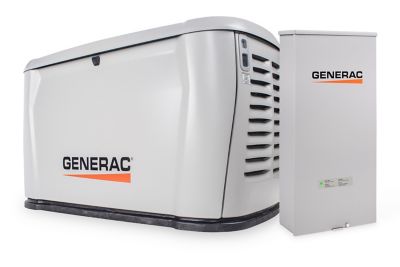
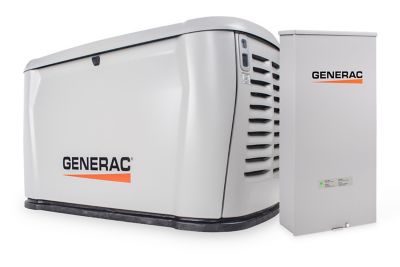
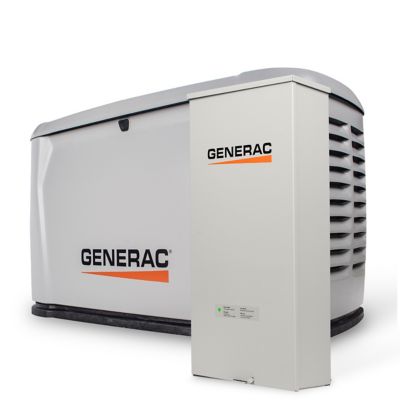
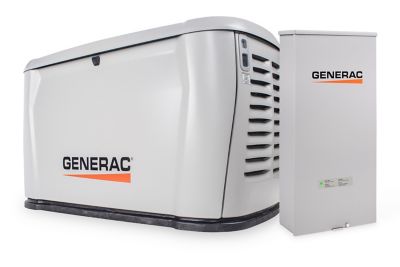
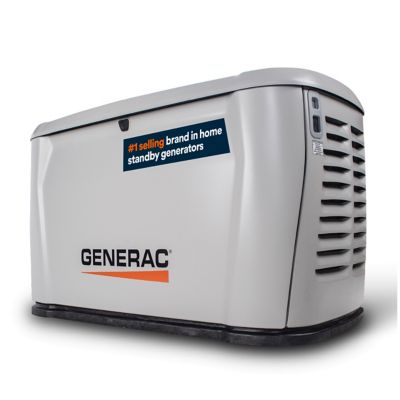
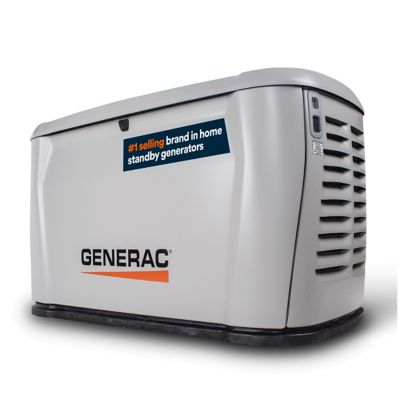
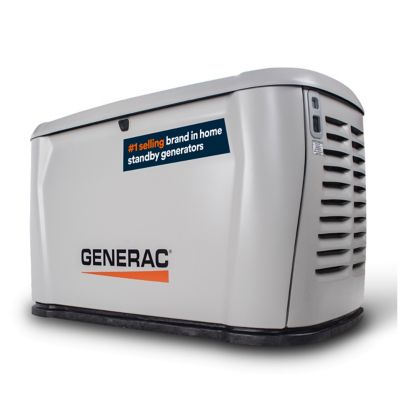
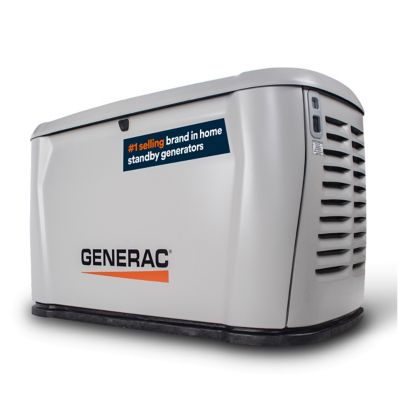
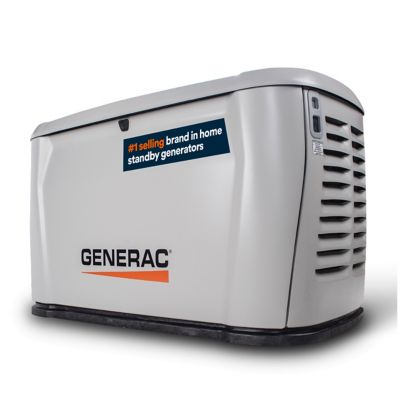
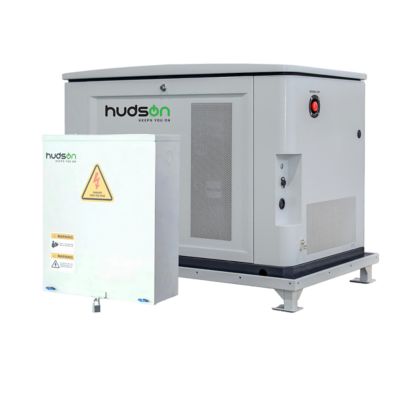
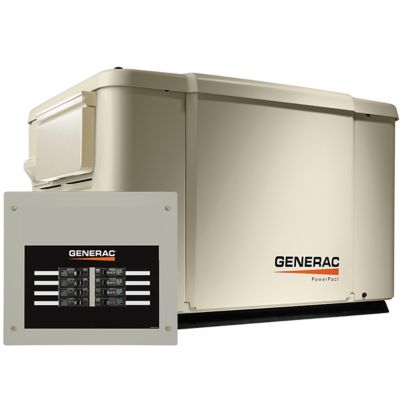
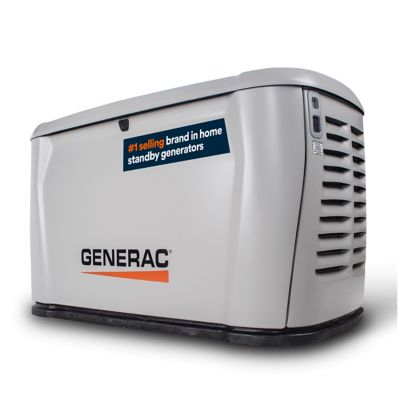
Before choosing a home generator, make a list of the appliances and equipment you consider essential, then check each item’s starting watts and running watts. Motors in refrigerators, freezers, pumps, furnaces and air conditioners can draw a larger surge when they start, so a generator sized only for normal running demand may struggle when several loads kick on together. Add the running watts of the equipment you want to operate and allow room for startup surges and future needs. Whole-home standby generators take a different approach. These permanently installed systems sit outside and connect to the home through an automatic transfer switch, which detects an outage and moves the electrical load from the utility to the generator, often within seconds. They commonly run on natural gas or liquid propane and are a strong choice for homeowners who want automatic coverage for essential circuits or much of the home, including heating and cooling systems when properly sized. Natural gas can be convenient when a dependable municipal line is already available, while liquid propane stores well for long periods and does not degrade the way gasoline can. Portable units may offer gasoline, propane or tri-fuel operation, giving you more flexibility when one fuel source is hard to find. Gasoline is widely available, but it needs a safe, approved storage setup and fuel stabilizer when it will sit between uses. Fuel availability, tank size, expected runtime, local codes and the location of your gas service should all be part of the buying decision. A generator is not a one-size-fits-all purchase; the quietest unit may be best near living areas, while a high-output model may be better suited to a larger home, farm or detached workshop.
Safe setup and regular care are just as important as wattage. Fuel-powered generators must always operate outdoors in a dry, well-ventilated location, well away from doors, windows and vents; never run one inside a home, garage, basement, crawl space, barn or other enclosed area because deadly carbon monoxide can build up quickly. Keep the unit protected from rain and snow without blocking airflow, and use heavy-duty outdoor-rated extension cords that match the generator’s output and the connected equipment. Never connect a portable generator directly to household wiring through a wall outlet, a practice sometimes called backfeeding. A properly installed manual or automatic transfer switch, handled by a qualified electrician, is the safe way to connect generator power to selected circuits or the home electrical system. Before an outage, read the owner’s manual, know how to shut the unit down, inspect cords and connections, check oil levels and run the generator according to the manufacturer’s maintenance schedule. Store fuel away from living spaces and ignition sources, and keep extra oil, approved containers, a flashlight and basic protective gear where they are easy to find. Standby systems need their own service checks, battery care and periodic test runs so they are ready when the lights blink out. These generators can make thoughtful gifts for new homeowners, families in areas with frequent storms, older relatives who rely on powered medical equipment, or anyone caring for a well, livestock, freezer or home office. Whether the need is a quiet battery unit for a small apartment, a portable generator for a country property or an automatic standby system for dependable whole-home coverage, comparing power output, fuel type, runtime, noise, connection options and installation needs will help you choose backup power that fits the way your household actually lives.