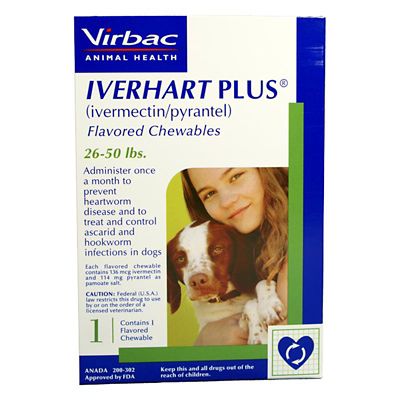
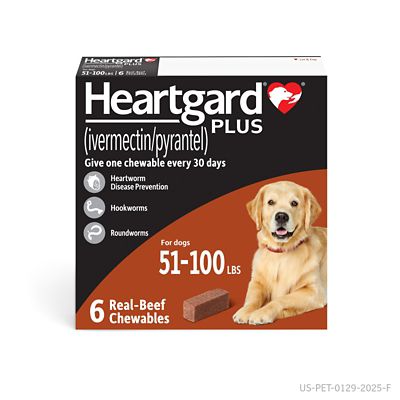
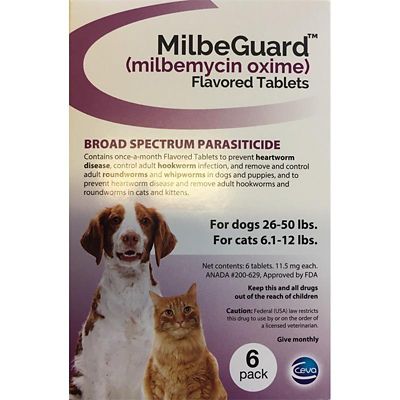
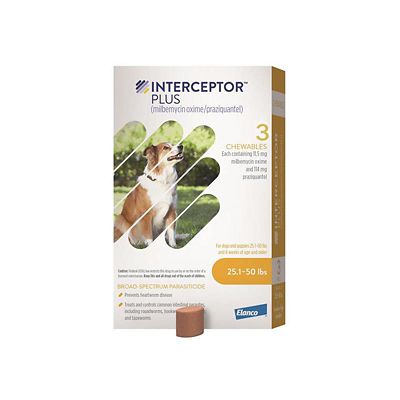
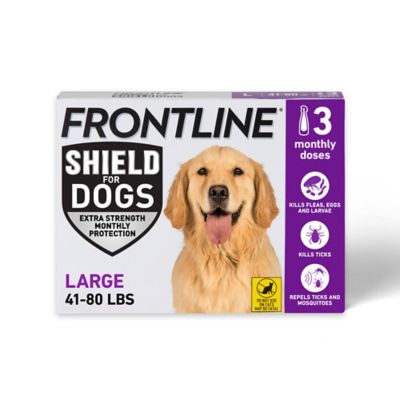
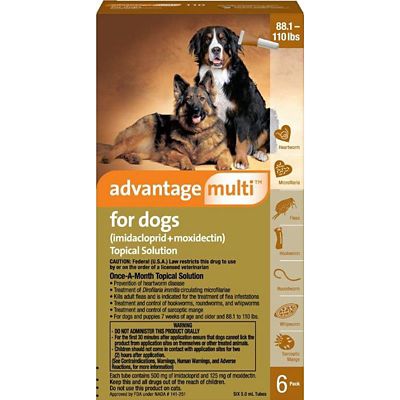
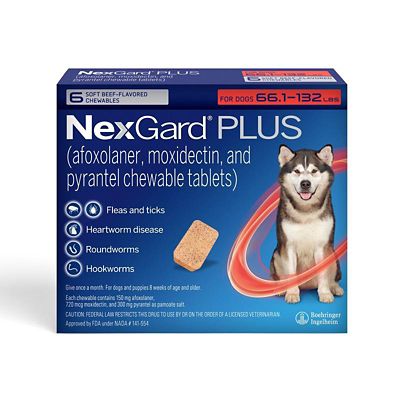
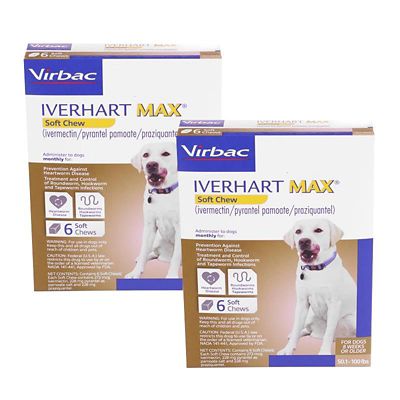
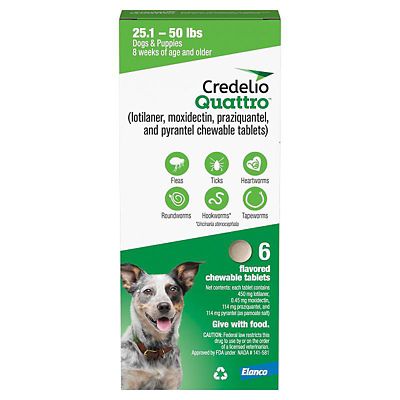
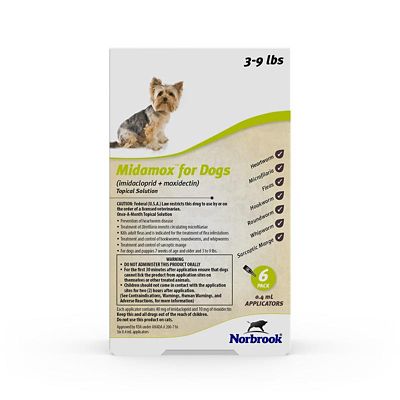
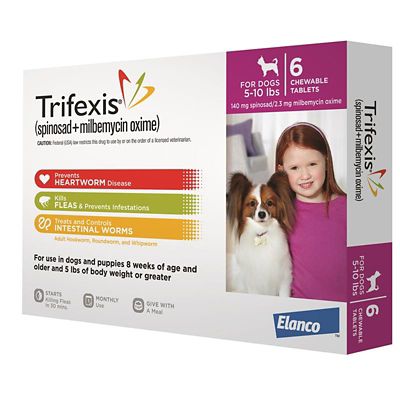
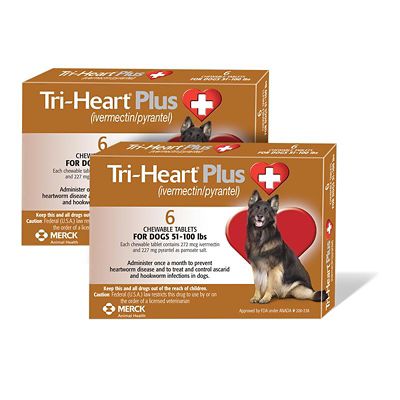
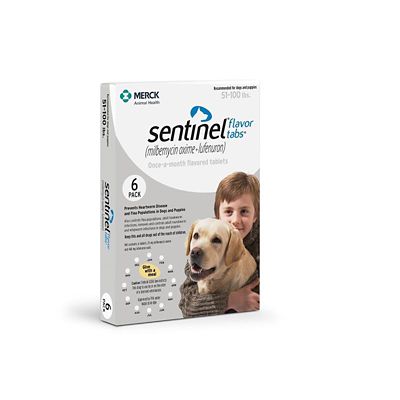
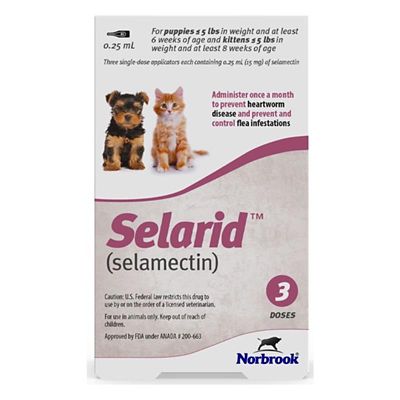
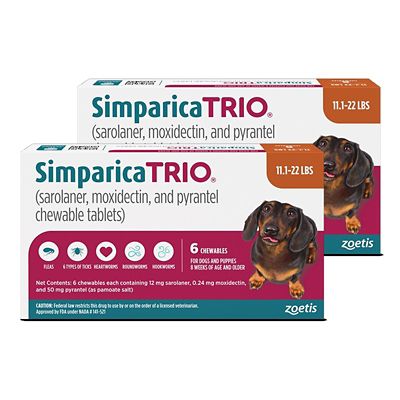
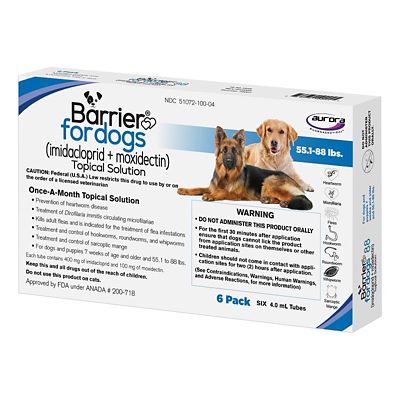
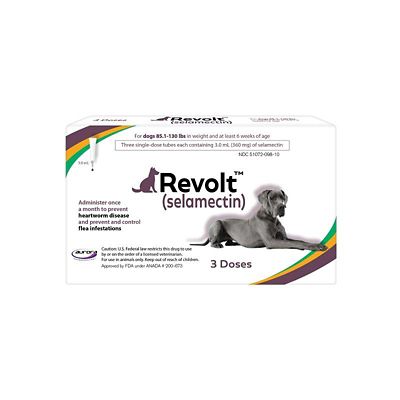
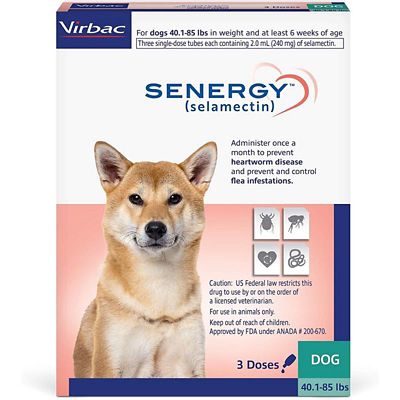
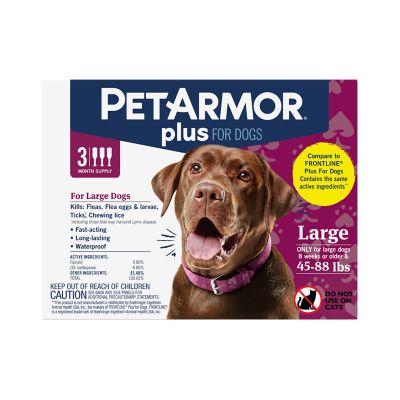
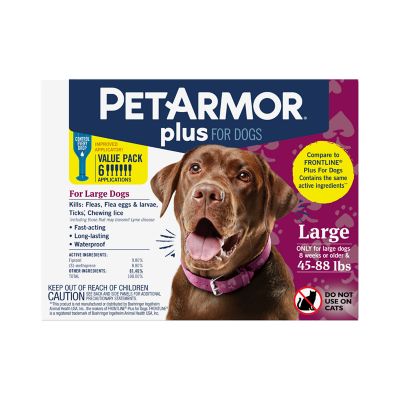
When you’re living out in the country, keeping your dogs healthy and protected from pests is just part of daily life—especially as the weather turns warmer and mosquitoes get to buzzing around. Heartworm prevention medications for dogs are a must-have for any pet owner who wants to make sure their four-legged companions stay safe and happy, whether they’re running through fields, lounging on the porch, or tagging along for chores. These preventatives, available in chewable tablets, topical solutions, and long-lasting injections, work behind the scenes to stop heartworm larvae before they ever have a chance to cause harm. Since heartworm disease is spread by mosquitoes, and those pesky insects don’t take a break just because the calendar flips, veterinarians and experts recommend giving heartworm preventatives year-round—even when the air gets a little crisper. It’s a simple step that goes a long way in keeping your dog healthy, and it’s especially important for folks in rural areas where dogs spend plenty of time outdoors.
Choosing the right heartworm prevention for your dog often starts with a trip to the vet, since a prescription is required and your dog needs to be tested before starting any medication. This is important because giving heartworm medication to a dog that’s already infected can lead to serious health problems. Once your vet gives the green light, you’ll find options that fit just about any lifestyle or routine. Monthly chewable tablets are popular for their ease and taste—most dogs think they’re treats, making them a breeze to give even to the pickiest eaters. Topical solutions are a good fit for dogs who aren’t big on pills, and long-acting injections can be a great choice if you prefer to set it and forget it for several months at a time. Many of these preventatives also offer protection against other parasites like roundworms, hookworms, and sometimes even fleas and ticks, which is especially handy during the months when your dog is out and about the most. If you’re shopping for a friend or family member who just welcomed a new puppy or adopted an adult dog, heartworm prevention makes a thoughtful and practical gift that shows you care about both the dog and their owner’s peace of mind.
No matter which type of heartworm prevention you choose, the key is to stick to the schedule and work with your vet to pick the best option for your dog’s weight, age, and daily routine. Regular testing and consistent dosing are the best ways to make sure your dog stays protected all year long, through warm afternoons, cool evenings, and everything in between. For those looking to learn more about popular choices and how they work, you can check out the full range of options on our
Heartgard For Pets page. Taking these steps helps ensure that your loyal companion can keep enjoying the country life by your side, whether that means chasing after a ball, herding livestock, or just keeping you company during a quiet evening on the porch.