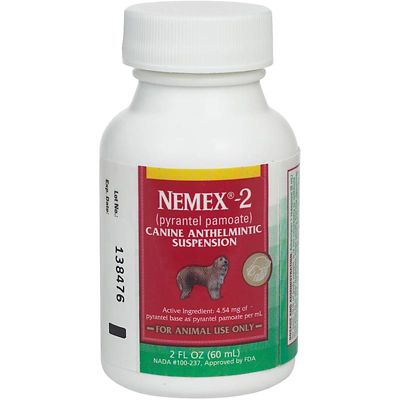
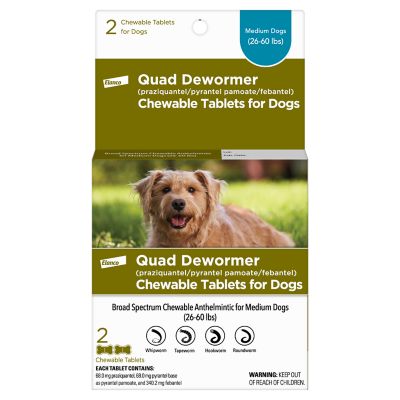
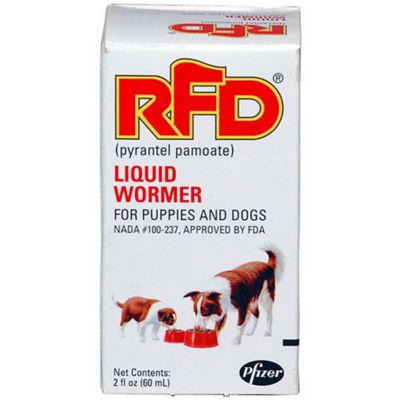
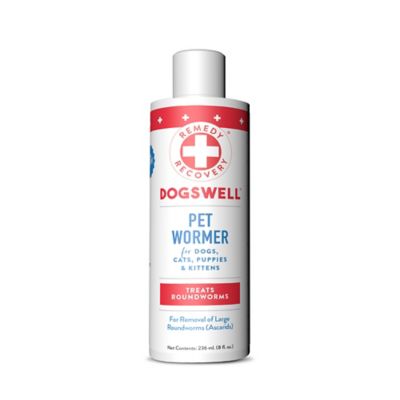
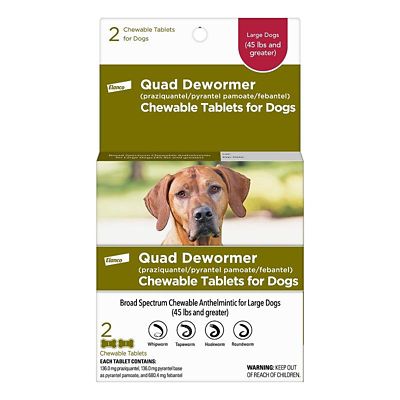
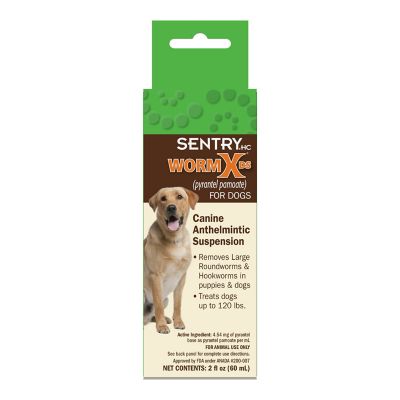
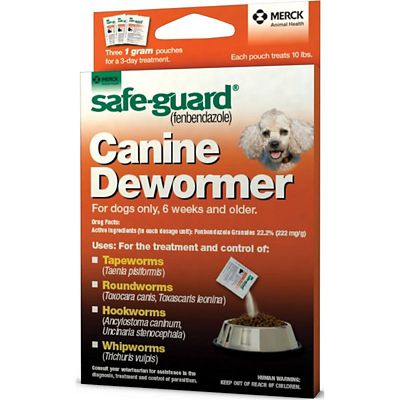
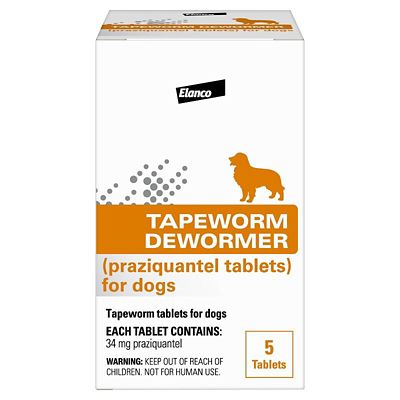
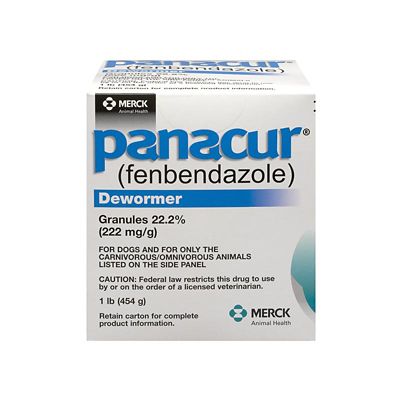
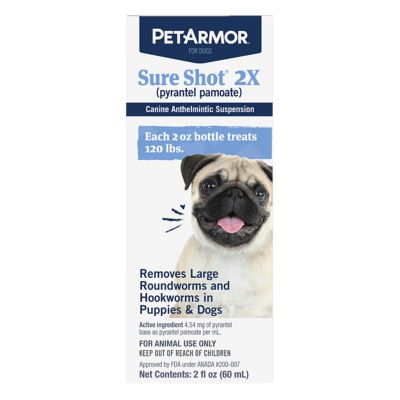
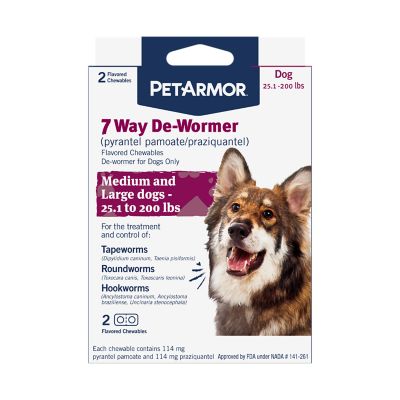
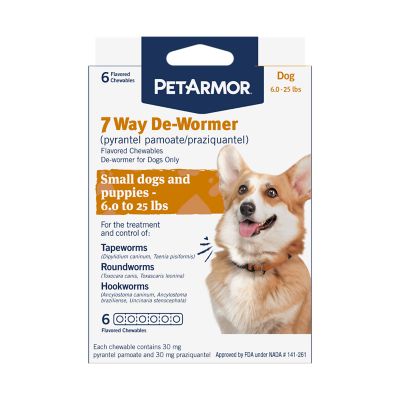
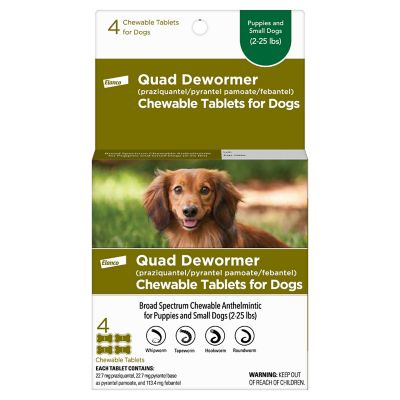
The safest dewormer for dogs is one that matches the dog’s age, weight, health, and intestinal parasite—not simply the package with the broadest coverage. No single dewormer is the safest choice for every dog, and no treatment handles every kind of worm. Whether a dog spends the day alongside chores, rides along in the pickup, or mostly keeps company around the house, the right treatment starts with knowing what needs treating. Dog dewormers differ by active ingredient, parasite coverage, minimum age, and dosing schedule. Fenbendazole is a common broad-spectrum ingredient that treats roundworms, hookworms, whipworms, and certain tapeworms, and it is often well tolerated when given according to the dog-specific label and veterinary guidance. That does not mean it treats every tapeworm species or suits every situation. Some dog-labeled fenbendazole formulations are intended for puppies at least six weeks old; other medications have different age and weight requirements. Pyrantel pamoate targets certain roundworms and hookworms, while praziquantel targets tapeworms. Combination formulas may address several intestinal parasites, but the actual label matters more than a broad claim on the front of the package. A veterinarian’s fecal examination can help identify parasites and narrow the choice, especially when loose stool, weight loss, or repeated infections are part of the picture. Worms are not always visible in a dog’s stool, and an upset stomach alone does not establish that worms are the cause. Puppies, pregnant or nursing dogs, seniors, and dogs taking other medications need particular attention to treatment suitability. A nonprescription label does not make a medication appropriate for every dog. For a household with a growing pup and an older companion sharing the same yard, each dog may need a different formulation, amount, or treatment plan. Matching treatment to the individual dog is a stronger basis for safety than choosing by breed, package size, or another dog owner’s experience.
Form matters, too, especially when giving medicine means working around a picky eater or a dog that can find a tablet in a full bowl of supper. Dog dewormers come in tablets, chewable forms, liquids, and granules, with different administration directions for each. A chewable may fit a dog that readily accepts medication, while a liquid may suit another dog when the label provides a clear measuring method. Granules intended for mixing with food call for close attention to whether the entire medicated portion gets eaten. A bowl licked clean by the wrong dog can turn a simple chore into uncertainty about who received the treatment. Separate feeding spaces are helpful in homes with several dogs, particularly when their sizes and prescriptions differ. The amount of active ingredient per tablet, packet, or milliliter is an important comparison point because similar-looking packages can have different concentrations. Weight-based dosing depends on a recent scale reading rather than a guess based on appearance, and a growing puppy’s weight can change enough to affect the next treatment. Some dewormers involve a single administration; others require consecutive daily doses or a veterinarian-directed repeat treatment. The full labeled course belongs in the comparison, not just the amount in one serving. Measuring tools should match the package directions, and household spoons are not a substitute for a marked dosing device. If a dog spits out medication or vomits after receiving it, a veterinarian can help determine what to do next rather than having another dose given on a guess. Food instructions, minimum weight, expiration date, and storage requirements also matter. Keeping medication in its original labeled container helps preserve the directions and prevents mix-ups with another animal’s treatment. Dog-specific labeling is essential: livestock dewormers and medications intended for another species are not interchangeable with canine formulations, even when an ingredient name looks familiar.
A well-matched intestinal dewormer belongs within a broader parasite-care routine, especially for dogs that share exercise yards, visit boarding kennels, hunt, or have fleas. Treatment can clear susceptible parasites without preventing the next exposure, so repeat problems do not always mean the medication failed. Prompt stool pickup, clean feeding areas, and flea control help address common routes of reinfection. Flea control is particularly important with the common flea-transmitted tapeworm, since a dog can become infected again by swallowing an infected flea while grooming. Small, rice-like segments near the tail or bedding are worth mentioning to a veterinarian, but their absence does not rule out intestinal parasites. Follow-up fecal testing may be recommended to check the response to treatment or shape an ongoing schedule. Dogs with repeated exposure may need a different monitoring plan from dogs with fewer opportunities to encounter contaminated ground or infected prey. Intestinal parasite treatment is also different from
Heartworm Prevention Medications For Dogs, which address mosquito-transmitted heartworms through a veterinarian-directed prevention plan. Some prescription preventives also cover certain intestinal worms, making a review of existing medications important before adding another dewormer. An intestinal worm treatment should never be assumed to prevent or treat heartworm disease. During any course of medication, changes in appetite, energy, or stool deserve attention. Vomiting or diarrhea after a dose warrants a call for advice, while trouble breathing, collapse, bloody diarrhea, pale gums, or marked weakness calls for prompt veterinary care. Small puppies and dogs that are already ill can become seriously affected by parasites and should not be left waiting on a trial-and-error approach. Clear parasite coverage, dog-specific directions, a suitable dosage form, and veterinary input all help make dewormer selection more straightforward. The goal is a treatment that fits the dog in front of the food bowl and works alongside sensible everyday care, not a one-size-fits-all promise.