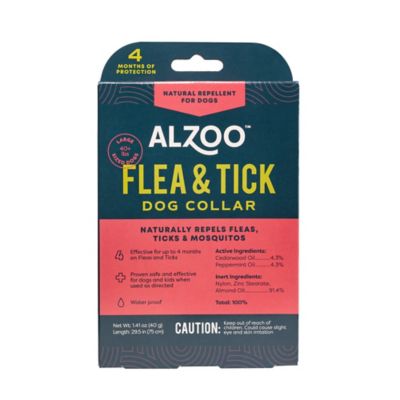
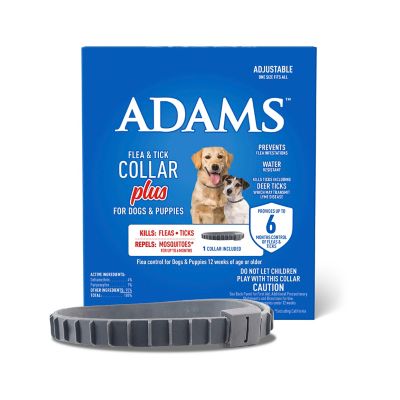
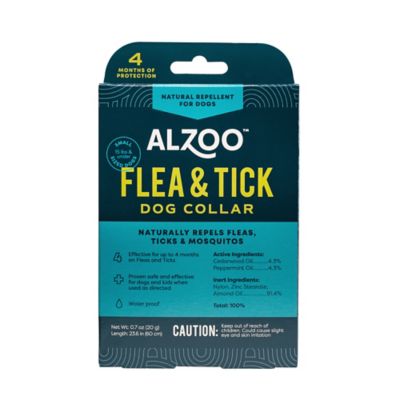
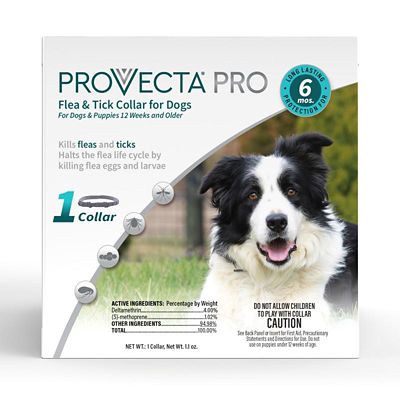
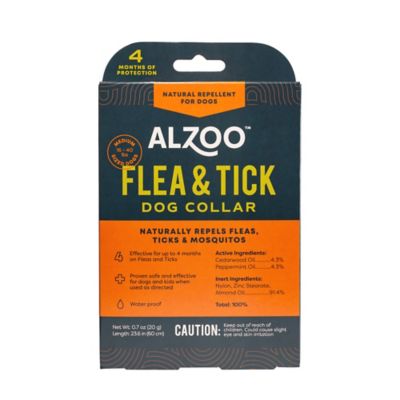
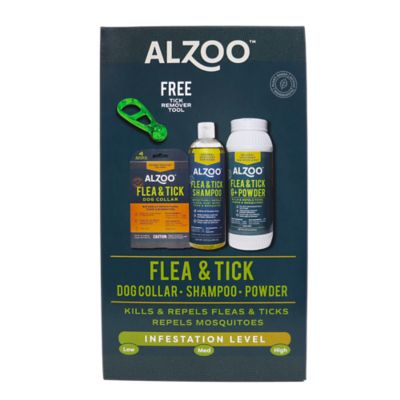
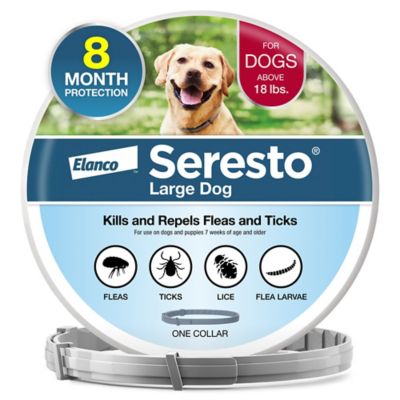
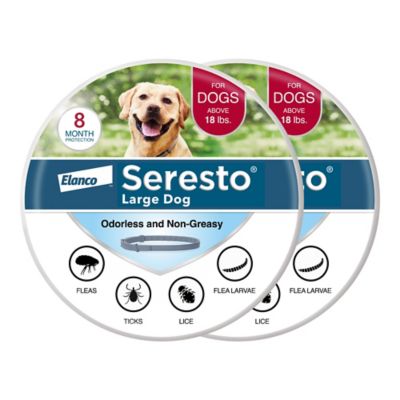
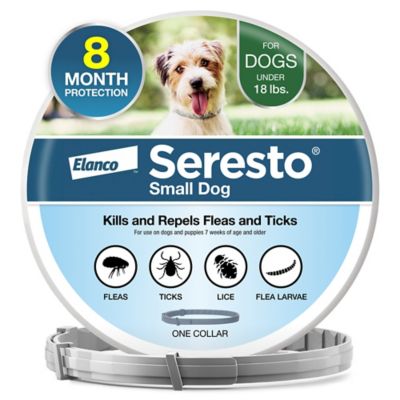
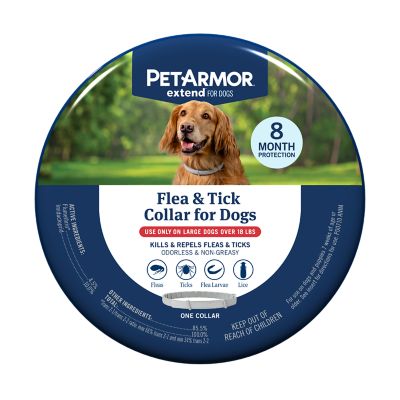
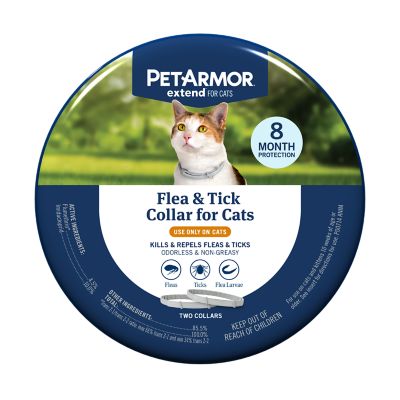
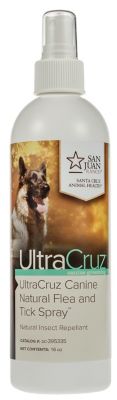
Mosquito repellent collars for dogs offer a wearable way to help keep biting mosquitoes away, provided mosquito repellency is specifically listed on the product label. These collars can suit dogs that spend time around the yard, accompany fence checks or settle beside the porch after a walk. Their purpose is different from that of an everyday identification collar: they carry active ingredients intended to repel certain pests, kill certain pests or provide both actions, depending on the formula. A flea and tick claim does not automatically include mosquitoes, and a repellent claim does not necessarily mean a collar kills insects already on the dog. The listed target pests and directions tell the clearest story about what a collar is meant to do. Some formulas rely on conventional insecticides, while others contain plant-derived compounds or essential oils. A plant-based ingredient is not automatically safer for every pet, and a strong herbal smell is not proof of stronger protection. Collars also differ in how their ingredients move from the collar material onto the skin and coat, how soon their labeled effect begins and how long that effect is expected to last. There is no single protection period that applies to every mosquito collar. The labeled replacement interval, water exposure restrictions and wearing directions all matter when comparing options. For a farm dog with a steady outdoor routine, a collar may fit neatly into daily pet care without another application before each outing. For a dog that swims often, shares close quarters with other pets or has sensitive skin, the formula and wearing requirements deserve extra attention. The best match is a collar whose labeled purpose fits the dog’s activities, age and size, rather than one chosen only for its scent or appearance. Mosquito repellency is a specific claim worth checking, even when the packaging also mentions several other biting pests.
Fit and construction make a real difference when a dog is trotting along a gravel lane, nosing through grass or stretching out under the kitchen table. Many pest-control collars feature flexible material and an adjustable fastening system, but neck-size ranges, minimum ages and any weight restrictions vary. A collar that closes around the neck is not necessarily suitable for a young puppy or a very small dog. Measuring the neck and comparing that measurement with the labeled size range helps narrow the choices without relying on breed alone. A broad-necked hound and a lean herding dog can need different adjustments even at similar body weights. Proper fit generally means comfortable contact without tightness, with the exact clearance determined by the label; many collars call for enough room to slide two fingers underneath. Excess length should be trimmed only as directed, leaving the amount needed for the fastening system to hold properly. Loose ends can invite chewing, especially when dogs wrestle together or groom one another. Unless a pest-control collar is expressly designed for leash attachment, a separate walking collar or harness handles that job. That keeps pulling force off the treatment collar and its closure. For dogs that roam through brush or work around gates and equipment, the fastening design and any labeled release feature also deserve a close look. No collar makes unsupervised snagging hazards harmless. Flexible construction, a secure closure and clear adjustment directions are practical features for everyday wear, while routine neck checks help spot rubbing, trapped debris or a fit that has changed. Growing puppies need those checks especially often, and thick coats can make skin irritation harder to notice. A mosquito collar should stay comfortably positioned during ordinary movement, not pinch when a dog lowers its head to drink or hang loosely enough to catch a paw. Comfort matters because a collar cannot serve its intended purpose if the dog continually scratches at it or chews the loose end.
Bathing, swimming and day-to-day messes are another part of choosing mosquito repellent collars for dogs. Water-resistant and waterproof claims are not interchangeable, and neither phrase replaces the label’s bathing directions. Some collars permit certain water exposure, while others require removal or have limits that affect their expected period of protection. Shampooing may also matter, particularly when a formula depends on distribution across the skin and coat. Cleaning should follow the product directions rather than a scrub with household cleaners, solvents or added oils. Regular checks for cracks, a damaged fastening system or missing sections are sensible for dogs that push through brush or play hard. Keeping the package makes it easier to confirm care directions, record the fitting date and plan replacement without guessing from how the collar looks or smells. Store unopened collars as directed, away from children, pet food and animal feed, and keep other pets from chewing a collar while it is being worn. Households with cats need particular care because some ingredients intended for dogs can be dangerous to cats; close contact and shared sleeping spots are worth discussing with a veterinarian. Veterinary advice is also helpful for dogs with skin conditions, pets taking medication, pregnant or nursing dogs, or any animal already receiving another pest treatment. Comparing collars with
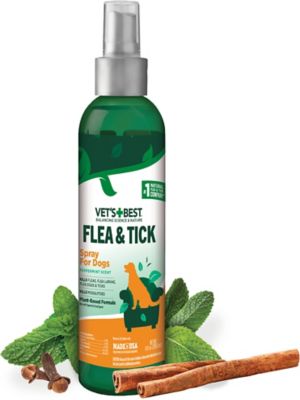
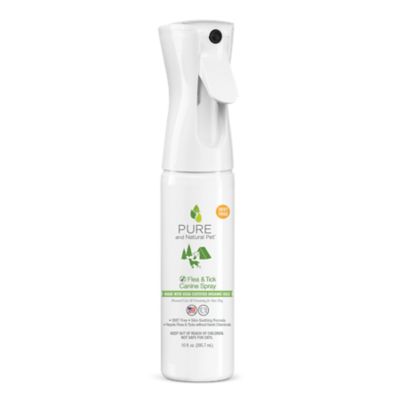
Flea Repellent Sprays For Dogs can help clarify differences in application and target pests, but combining treatments requires checking both labels and asking a veterinarian about compatibility. A mosquito collar does not replace veterinarian-recommended heartworm prevention or testing, since mosquitoes can transmit heartworm and repellency is not a guarantee against bites. Around the property, emptying standing water from unused containers and keeping outdoor pet areas tidy can support broader mosquito management. Together, a suitable labeled collar, sensible property care and a veterinarian’s prevention plan help make pest protection part of the dog’s regular routine.