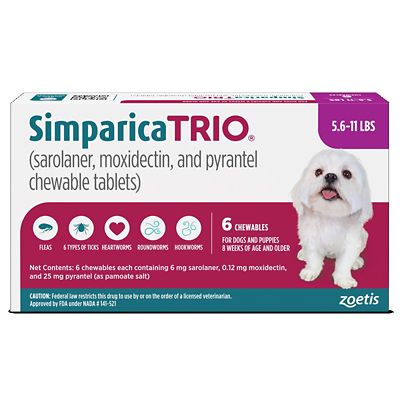
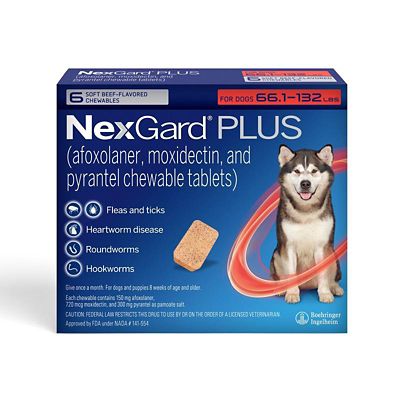
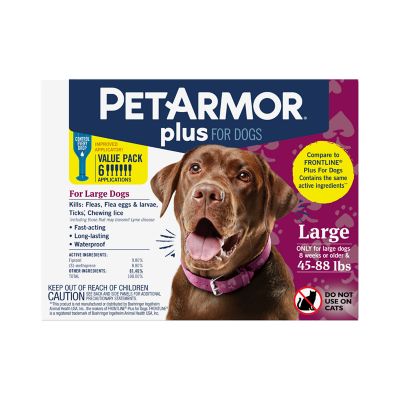
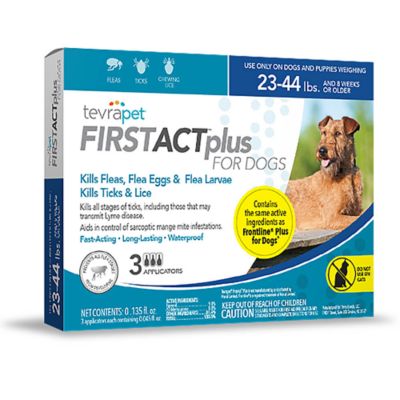
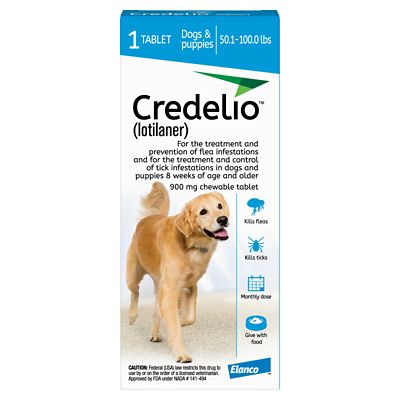
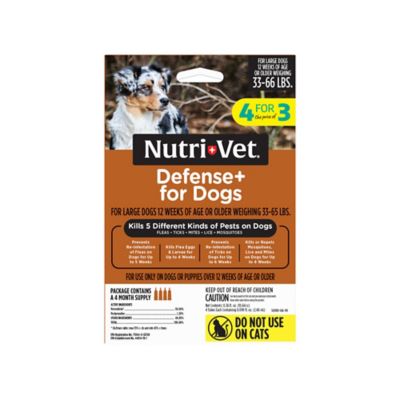
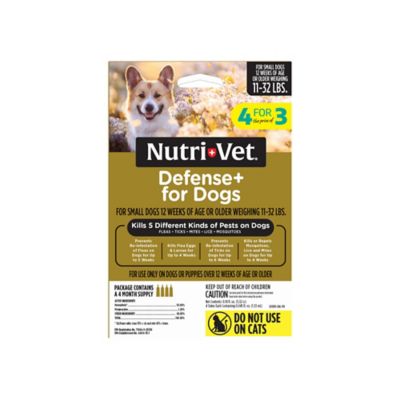
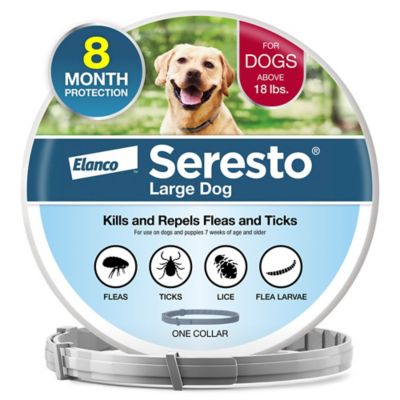
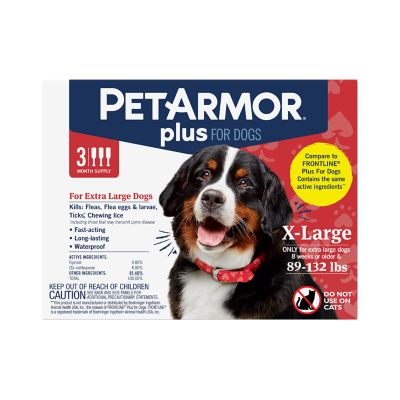
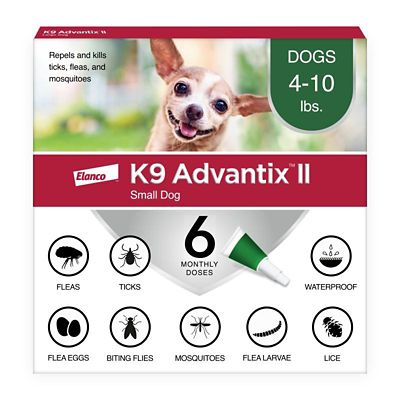
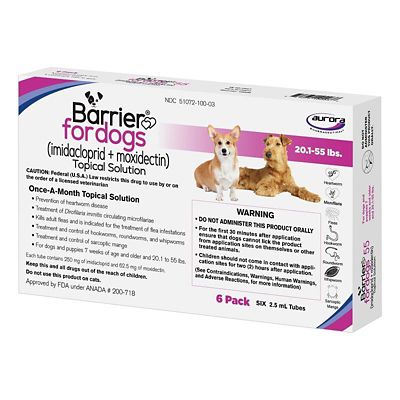
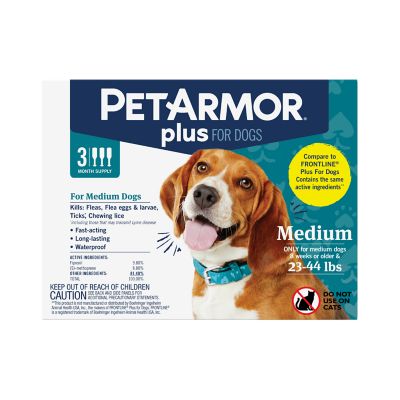
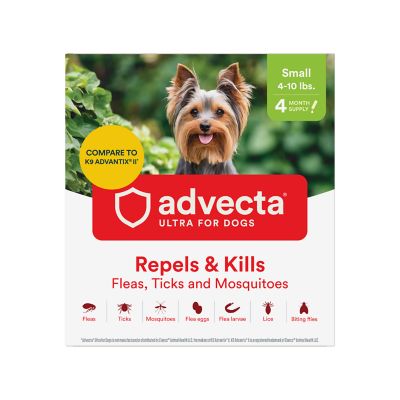
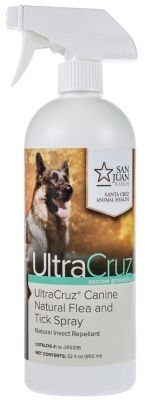
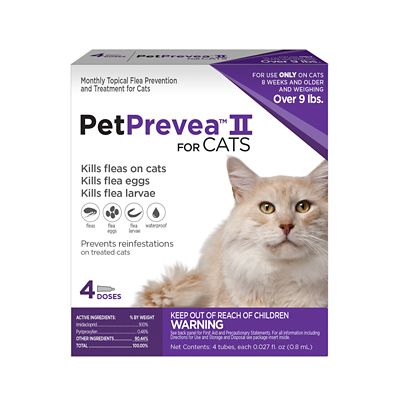
Monthly flea and tick treatments for dogs help make parasite prevention a steady part of everyday pet care. Fleas can hitch a ride indoors on a dog’s coat, bedding, carpets, or clothing, while ticks wait in grass, brush, wooded edges, and shaded areas for a passing host. A dog may pick them up during a morning walk, a romp around the farm, or an afternoon spent lounging beneath the porch. Regular prevention can help protect against the itching, skin irritation, and discomfort these pests cause, while also reducing the chance of flea infestations taking hold around the home. Some ticks can spread serious illnesses, so consistent protection matters even for dogs that spend most of their time in the yard. Monthly options are made for a range of dogs, from small house pets to working farm dogs that cover plenty of ground. When choosing a treatment, start with your dog’s current weight and age, then check the label for the pests covered, dosing schedule, and any use restrictions. Weight ranges are important because the amount of active ingredient is matched to a dog’s size. Never split a treatment intended for a larger weight range to use on a smaller dog, and do not combine parasite products unless a veterinarian says the combination is safe. Puppies, senior dogs, pregnant or nursing dogs, and pets with a history of seizures or other health concerns may need special consideration. A veterinarian can help match a prevention routine to your dog’s lifestyle, local pest pressure, and medical history.
Monthly flea and tick treatments generally come in oral chews or topical applications. Oral chews are given by mouth on a regular schedule and may be a handy choice for dogs that swim, play in the rain, or need frequent baths because the treatment is not sitting on the outside of the coat. Many are flavored to make dosing feel more like handing over a small reward, although some dogs still need a little encouragement or a dab of food, depending on the label directions. Topical treatments are applied directly to the skin, usually along the back where a dog cannot easily lick the application. They can be useful for owners who have trouble giving pills, but the product must be applied carefully to the skin rather than simply spread across the hair. Follow the instructions about bathing, swimming, children’s contact, and keeping pets apart while the application dries. Some topical formulas contain ingredients that are dangerous to cats, even when used correctly on dogs. If cats share the household, read every warning and keep them away from a treated dog until the product is fully dry as directed. A monthly calendar reminder, a note on the feed-room door, or a mark on the same date each month can help prevent missed doses. If a dose is late, check the label or call your veterinarian for guidance instead of doubling up. Even with routine prevention, it is smart to run your hands over your dog’s coat after time in tall grass or brush, paying attention around the ears, collar, neck, between the toes, and under the legs. Remove attached ticks promptly with fine-tipped tweezers or a tick-removal tool, and wash your hands afterward. Bedding, crates, rugs, and favorite resting spots also deserve attention if fleas are found, since immature flea stages can remain in the environment after adult fleas are removed from the dog.
Some monthly treatments do more than target adult fleas and ticks. Combination formulas may also help protect against heartworms and certain intestinal worms, which can make one scheduled dose part of a broader parasite-control plan. Heartworm prevention is especially important because heartworm disease is spread by mosquitoes and can cause lasting damage to a dog’s heart and lungs. Many heartworm products require a veterinarian’s prescription and a heartworm test before starting or restarting treatment, particularly if prevention has been interrupted. Read the package carefully to see whether a treatment covers only fleas and ticks or includes additional parasites. Coverage can vary by formula, and no single option is right for every dog or every region. Dogs living near fields, ponds, wooded trails, livestock areas, or warm, humid spaces may face heavier pest pressure than dogs that stay mostly indoors, but indoor dogs still need protection because pests can enter the house. Prevention is also useful for households with more than one pet, since a single untreated animal can bring fleas back into the home. Pet owners shopping for a new dog, preparing for a move, or putting together a practical care package for a friend with a puppy may find monthly prevention to be a thoughtful part of a larger supply of food, grooming items, and everyday essentials; however, the recipient should confirm the dog’s weight, age, health history, and veterinary needs before using it. For broader household planning, explore
Flea Prevention For Pets for additional ways to manage pests around dogs and other animals. As the weather warms, fleas and ticks may become more active, while cooler months can still bring indoor flea problems and ticks in sheltered areas. Keeping prevention on a regular schedule through changing seasons, checking labels each time, and asking a veterinarian when circumstances change can help keep your dog comfortable from the first scratch of the day to the last muddy paw at bedtime.