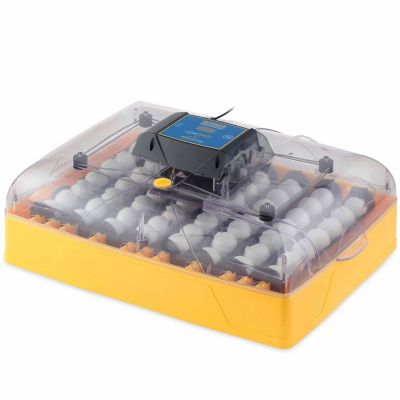
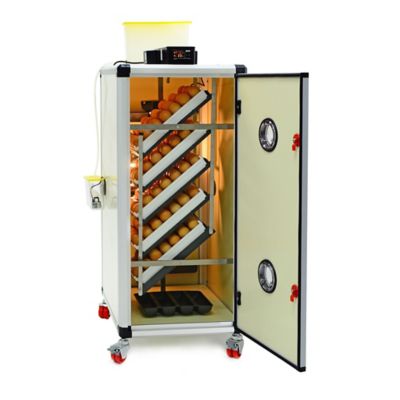
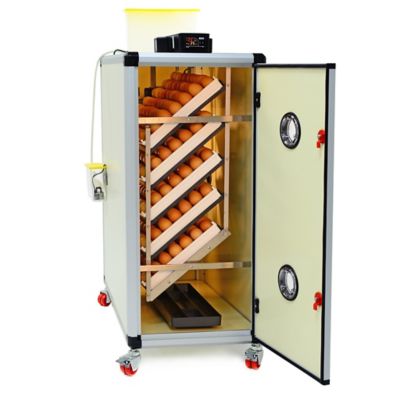
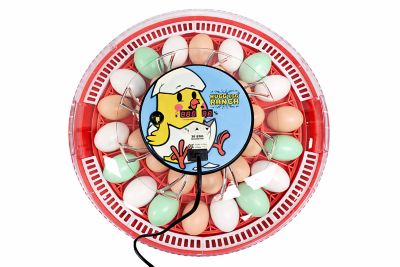
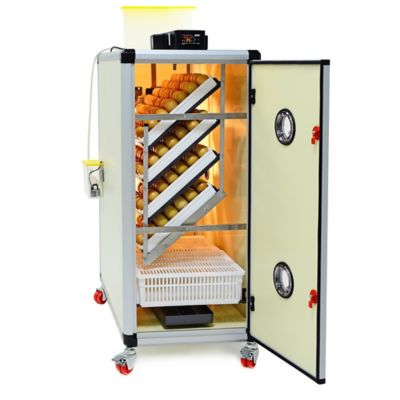
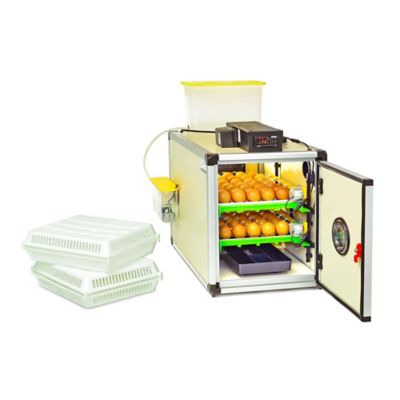
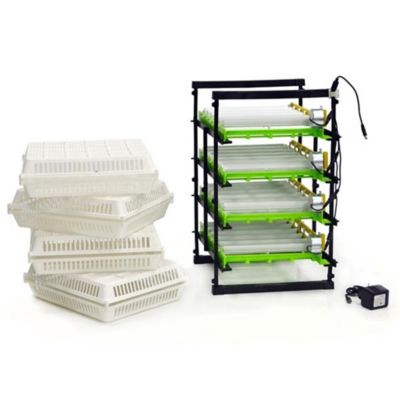
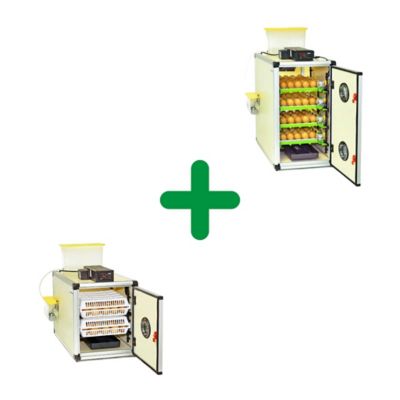
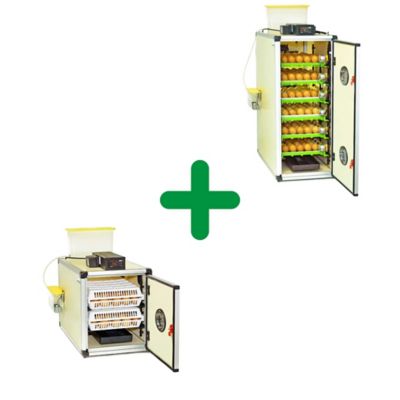
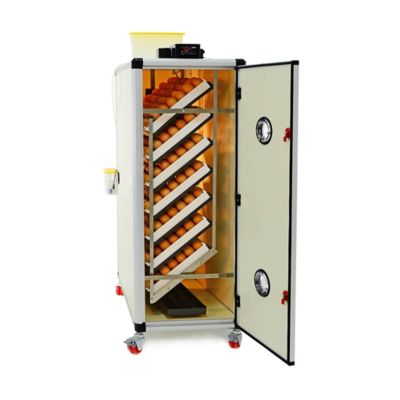
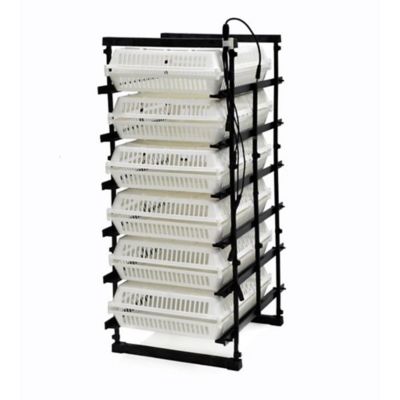
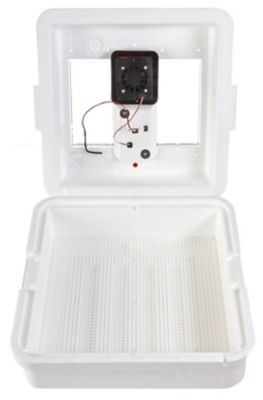
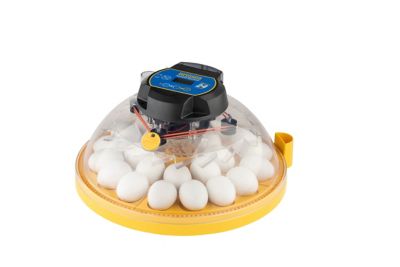
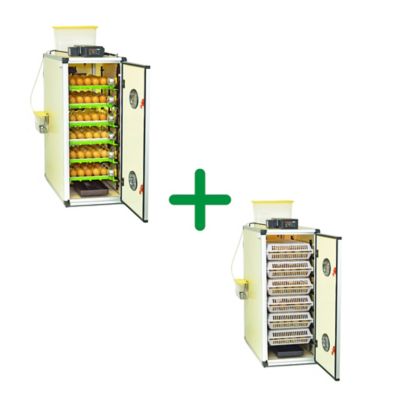
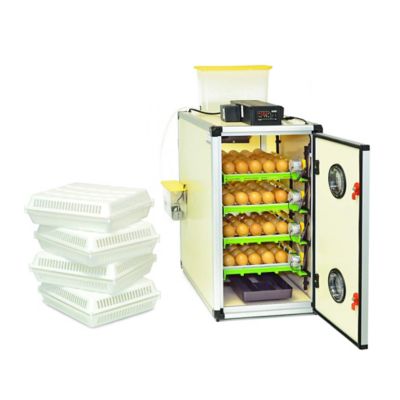
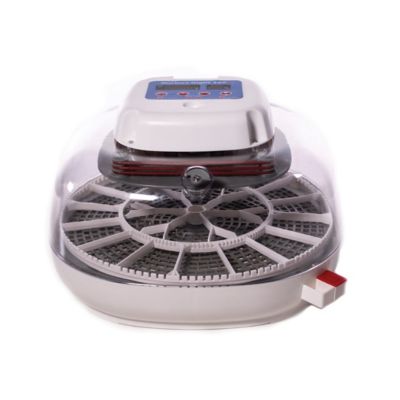
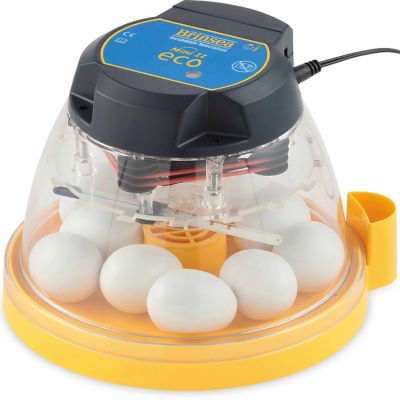
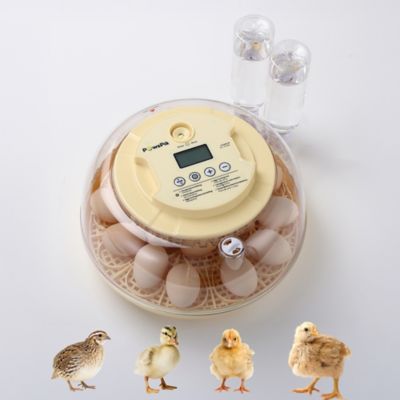
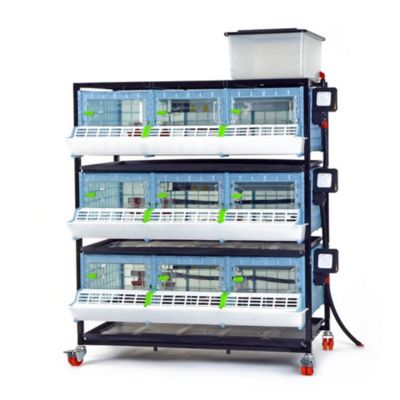
Large egg incubators give farms, homesteads, and poultry breeding operations room to hatch bigger batches of fertile eggs in a controlled setting. These systems range from spacious tabletop units that hold several dozen eggs to cabinet incubators with stacked trays for hundreds; commercial systems can accommodate thousands. In this category, “large” generally describes egg capacity rather than the size of an individual egg. That distinction matters when comparing equipment for chickens, quail, ducks, geese, or other poultry. A capacity listed for chicken eggs will not necessarily apply to another species, and the number of eggs a machine can hold depends on its tray layout and compatible egg holders. Small quail eggs may fit in greater numbers with the right inserts, while goose eggs need more room and suitable turning equipment. For a flock keeper growing a laying flock, extra capacity can make room for a planned hatch without crowding trays. For a breeder keeping several pens, separate tray sections can help organize eggs by flock or collection date, provided the incubation schedules work together. Larger equipment also suits farm education programs and families with an established poultry setup, though the commitment extends beyond hatch day to brooder space, feed, water, and daily care. Within the broader selection of
Egg Incubators, high-capacity equipment is built around managing more eggs at once, not simply taking up more floor space. The most practical fit matches the size of a typical batch, the species being raised, and the space ready for the chicks afterward. A cabinet that fits a dedicated hatch room may be more equipment than a small backyard flock needs, while a tabletop unit can become limiting when several breeding pens produce fertile eggs at the same time. Having some room for flock growth can be helpful, but a larger chamber still calls for regular checks, cleaning, and a steady power supply. Capacity is a starting point; how the equipment fits the daily chore routine matters just as much.
Temperature control, humidity management, airflow, and egg turning are central features of large-capacity incubators. Forced-air systems circulate warmed air through the chamber, helping limit temperature differences between tray levels when the equipment is loaded and operated as directed. Digital controls make settings easier to read, while separate monitoring instruments can help confirm conditions near the eggs. Temperature alarms and high- or low-humidity alerts, where included, can draw attention to changes before a routine check. Automatic egg turners reduce the need to handle each egg several times a day, which becomes a considerable task when trays hold dozens or hundreds. Turning arrangements vary: some trays tilt, while other systems roll eggs or move individual holders. Egg size, holder fit, and clearance all affect whether that movement works as intended. Eggs need support without being squeezed, and larger shells must have enough room to move without bumping nearby eggs or equipment. Humidity systems may rely on water pans, external filling ports, or automatic water delivery, so the amount of hands-on attention differs between designs. External access can make topping off water less disruptive than opening the main chamber, although water levels and cleanliness still need attention. Ventilation is another important part of the setup because developing embryos need oxygen; keeping vents properly adjusted is not the same as sealing the incubator tightly to hold moisture. Viewing windows offer a way to check progress without repeatedly opening the door, especially near hatch time. Some machines combine incubation and hatching in one chamber, while others function as setters or hatchers for separate stages. That difference matters for farms planning repeated batches. Eggs nearing hatch generally stop turning and may need different humidity conditions, so staggered batches can call for separate hatching space. Multiple trays alone do not mean eggs at every stage belong together. Clear controls, accessible water systems, and a layout that supports the intended hatch schedule can make a bigger difference to everyday handling than a long list of extra features.
Construction and access deserve a close look when an incubator will see repeated hatches through the cooler months and beyond. Depending on the design, housings may feature molded plastic, insulated foam, metal, or combinations of materials. Smooth interior surfaces and removable trays make it easier to clear away shell pieces, down, and hatch residue between batches. Foam components need gentle handling, while metal parts and fasteners benefit from care that keeps moisture from lingering. Cleaning products and methods should match the manufacturer’s directions, particularly around sensors, fans, heating elements, and electrical connections. A chamber that opens wide enough to reach the corners saves awkward bending and stretching after a busy hatch. Tray handles, door hinges, seals, and latches also matter when equipment gets opened, emptied, and cleaned over many cycles. For cabinet incubators, the footprint includes more than the cabinet itself: the door needs room to swing, trays need room to slide out, and vents need clearance. A level surface in a clean, protected room is a better match than a drafty shed corner beside an often-open door. Incubators regulate their internal environment, but they still have operating limits for the surrounding room temperature. A cold snap outside or a heater blowing straight at the housing can make conditions harder to maintain. Electrical requirements, cord placement, and a plan for power interruptions are worth considering before a full batch goes in. Even well-equipped machines cannot make up for infertile eggs, poor egg handling, or unsuitable settings for the species, and no incubator guarantees a hatch. What a properly matched system offers is a manageable place to support development while keeping the work organized. For the household tending birds before breakfast or the farm coordinating several breeding groups, useful details are easy to appreciate: readable displays, trays that lift out cleanly, water access within reach, and enough capacity for the planned flock. Large egg incubators fit best where hatch space, daily attention, and room for growing birds are all part of the same plan.