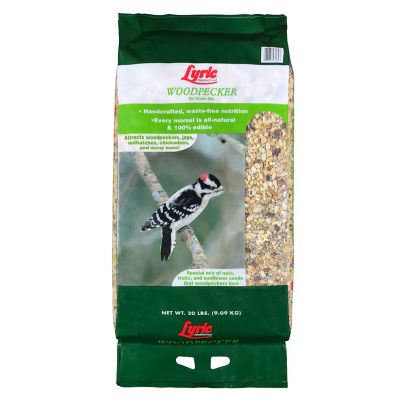
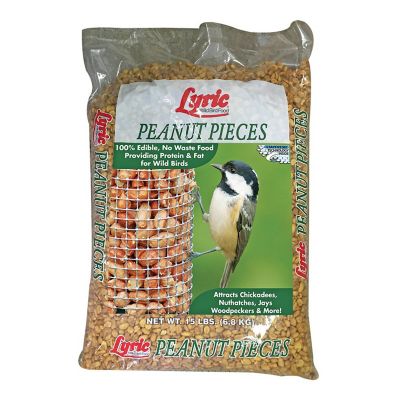
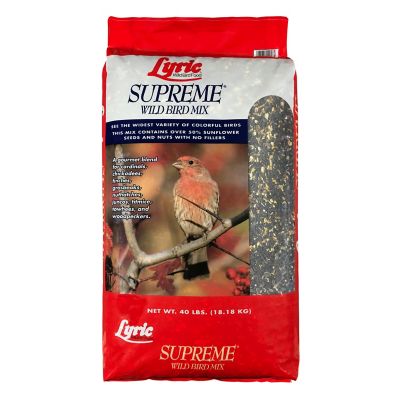
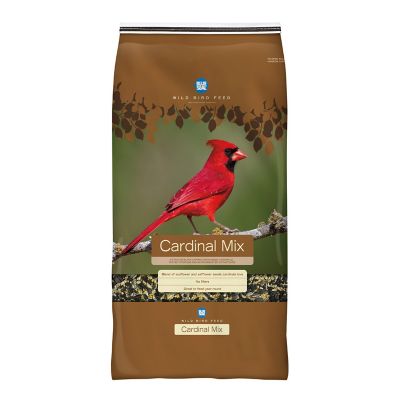
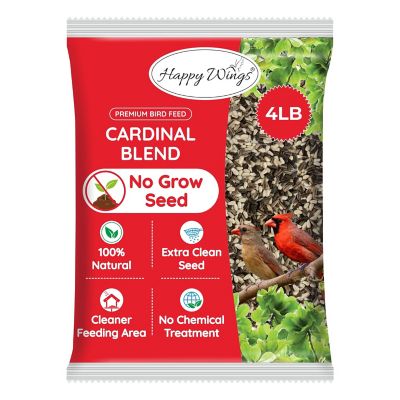
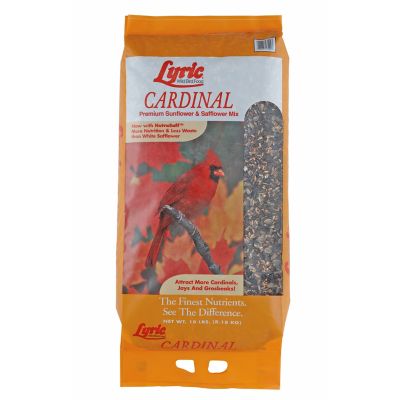
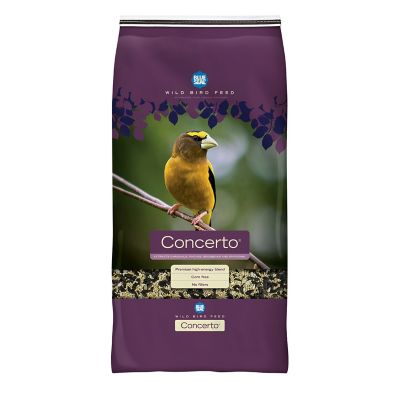
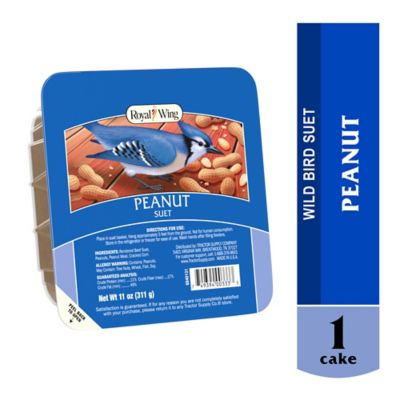
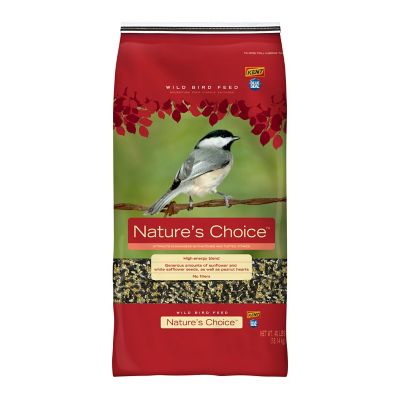
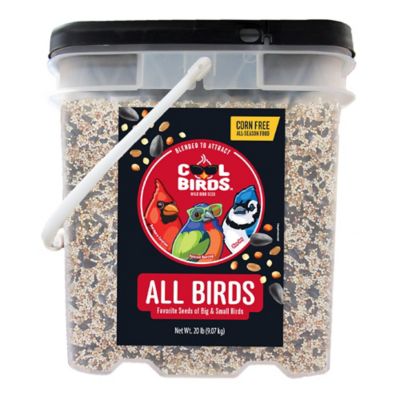
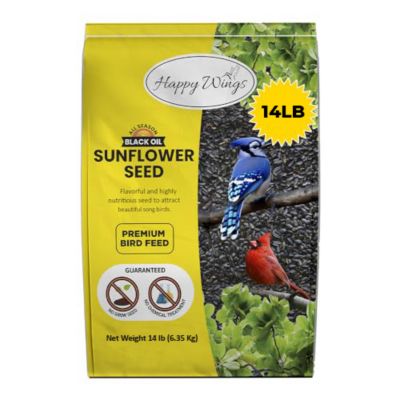
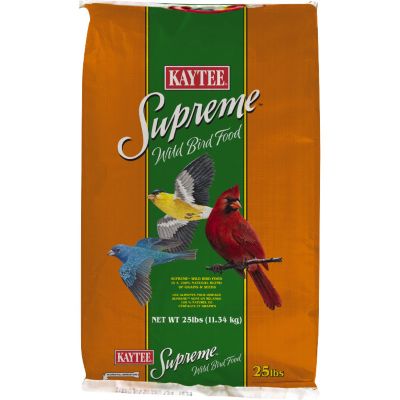
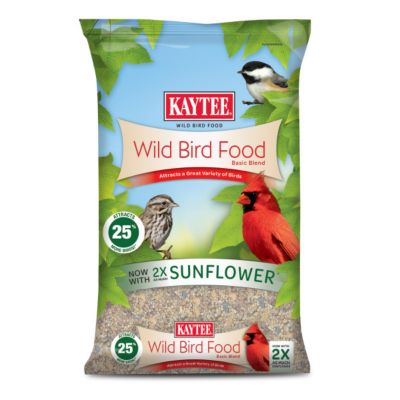
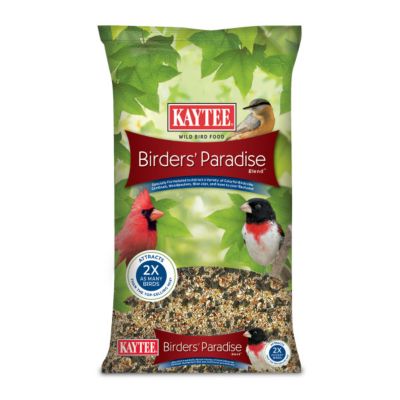
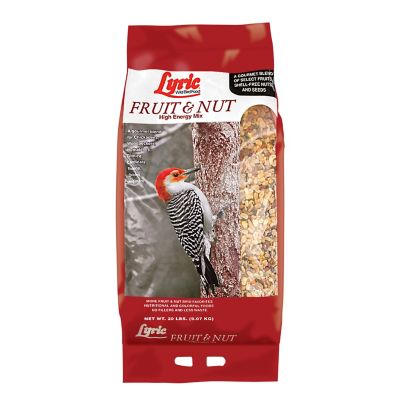
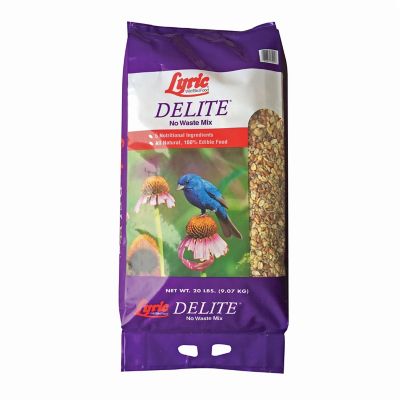
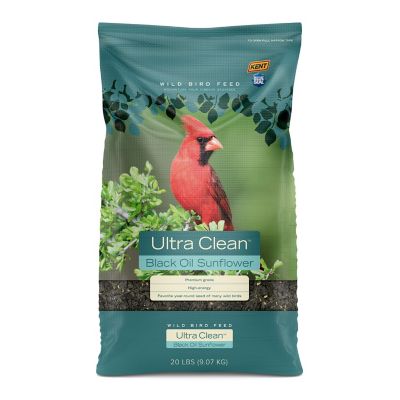
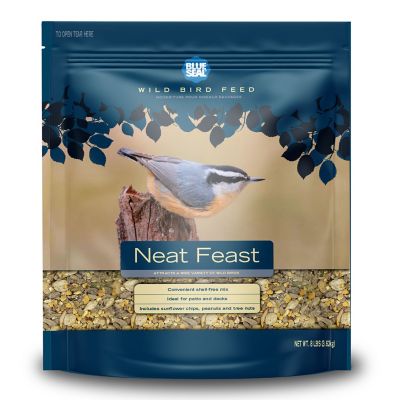
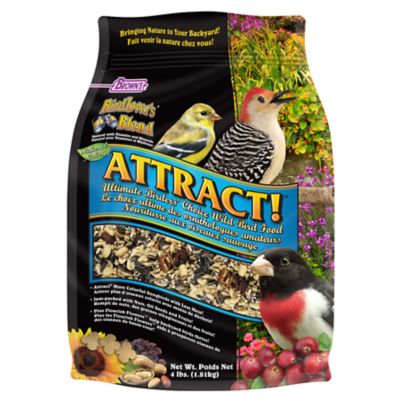
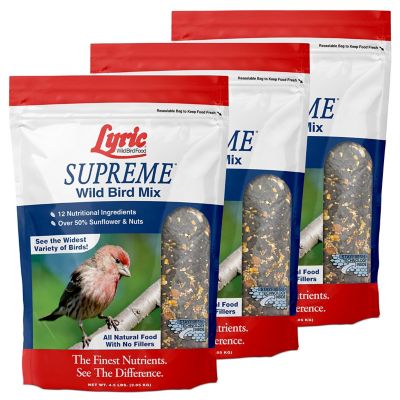
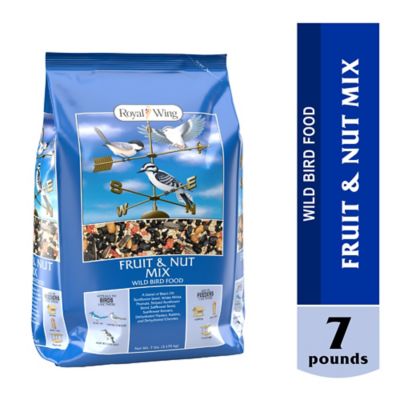
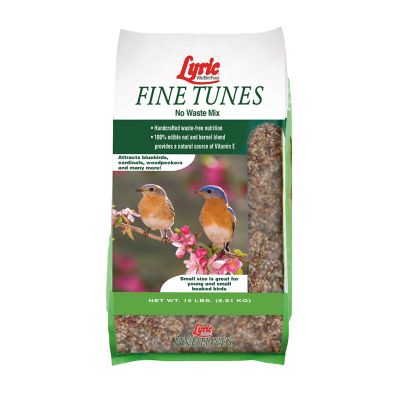
Bird food for cardinals often centers on black oil sunflower seeds, safflower seeds, and shelled peanut pieces. These foods suit a cardinal’s strong, cone-shaped bill and supply fats and protein that support everyday activity. Black oil sunflower seeds have relatively thin shells and oil-rich kernels, making them a good starting point for a feeding station beside a farmhouse, along a backyard fence, or near a quiet patio. Safflower seeds offer another option that cardinals readily eat, while shelled sunflower hearts provide the same edible kernel without a layer of discarded hulls beneath the feeder. Cardinal seed blends bring several favored ingredients together, giving these red songbirds and their warm brown companions a reason to stop and settle in. The ingredient list matters more than a bright picture on the bag: a blend built around sunflower and safflower generally matches cardinal feeding preferences better than one dominated by grains they are less likely to select. Millet can serve other ground-feeding birds, but it is not usually the main draw for cardinals. Peanut pieces add variety and are easier to handle than whole peanuts in the shell; those intended for wild birds should be plain, unsalted, and free of coatings or seasonings. During the cooler months, these energy-rich foods can supplement the seeds and fruits birds find across fields, brushy edges, and neighborhood yards. Cardinals stay within much of their range year-round, so a feeding station can become part of the view long after garden beds have settled down for the season. Their visits are often especially noticeable early and late in the day, when a red male stands out against bare branches or a female pauses on the feeder rim. No seed guarantees a visit, but food that matches their natural feeding habits makes a sensible foundation. For households that enjoy watching wildlife from the kitchen window, cardinal bird seed offers a straightforward way to bring that daily activity a little closer.
The right form of cardinal food depends partly on the feeder and partly on the space underneath it. In-shell sunflower seeds work well in broad trays and hopper feeders with openings large enough for the seed to move freely. Sunflower hearts and chips suit shoppers who would rather have fewer shells on porch boards, gravel paths, or flower beds, though even shell-free food can spill and needs regular cleanup. Because exposed kernels are more vulnerable to moisture, a covered feeder is especially helpful where rain blows across an open yard. Safflower can be offered alone or as part of a mix, and its firm shell is manageable for a cardinal’s stout bill. Some squirrels and other birds show less interest in safflower, but it is not a squirrel-proof solution, and feeding habits vary from yard to yard. Peanut pieces belong in feeders that keep them dry and allow birds to reach them without food packing tightly into narrow openings. Cardinals are larger than chickadees and tend to favor a steady place to stand, so platform feeders, roomy hopper ledges, and generous perches are often a better fit than small perches that require a tight balancing act. A feeding surface with drainage helps keep seed from sitting in water, while a roof offers some protection from wet weather. For an uncovered tray at the edge of the lawn, smaller servings that birds finish promptly make more sense than a deep pile left through several damp days. Food placed near shrubs or small trees can appeal to cardinals that prefer nearby cover, provided the setup leaves room to watch for danger and does not create a hiding place for cats. A yard that welcomes several kinds of songbirds may also benefit from separate feeding spots. Sunflower kernels and peanut pieces appeal to chickadees as well, and
Chickadee Bird Food offers another way to explore food for a mixed backyard flock. Different feeder sizes let smaller birds feed alongside cardinals without every visitor crowding the same ledge.
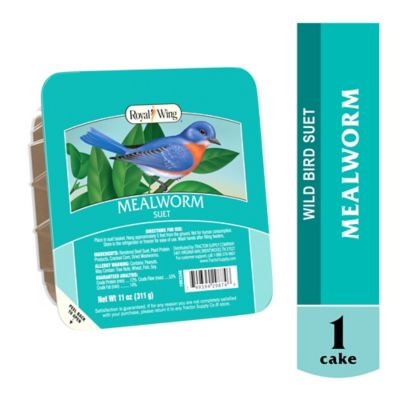
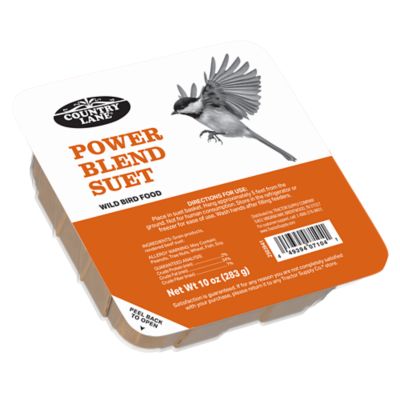
Freshness and storage deserve as much attention as seed type, especially when a bag will cover several weeks of feeding. A manageable bag size helps match the amount of food to the number of birds visiting and the room available for storage. Seed should have a fresh, mild smell rather than a sour or musty odor, and it should remain dry and free-flowing instead of forming damp clumps. A tightly closed, pest-resistant container in a cool, dry place helps protect bird food from moisture, insects, and rodents. Keeping the package information with the food makes it easier to check ingredients and follow storage directions. Feeders need routine cleaning, too: removing old seed, washing and disinfecting according to the feeder’s care directions, and allowing surfaces to dry fully helps limit the buildup of spoiled food and germs. Wet or moldy seed belongs in the trash, not mixed into a fresh serving. Beneath a busy feeder, a quick rake-up of hulls and scattered food keeps the feeding area tidier and reduces material that can attract unwanted visitors. Beyond everyday seed blends, cardinals may occasionally take suet, mealworms, or fruit, although individual birds differ and these foods are better viewed as additions than the main attraction. Suet contributes concentrated fat, while mealworms offer animal protein; neither replaces the broad appeal of sunflower and safflower for a cardinal-focused setup. Plain dried fruit without added sweeteners can add variety in small amounts, but moist food needs prompt attention before it spoils. Native fruit-bearing shrubs can complement feeder offerings while providing shelter and natural foraging opportunities. For someone with an established feeding station, bird food can also make a practical gift, especially when the seed form fits the feeder already hanging outside. Whether the setting is a few acres with a brush line or a small yard bordered by hedges, the most useful choice is food that suits the birds, stays protected from the weather, and fits an easy care routine. That combination supports the simple pleasure of seeing cardinals return to a familiar perch.