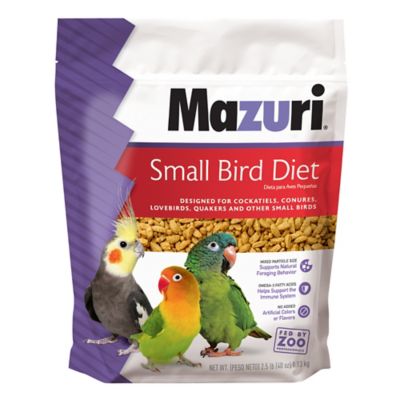
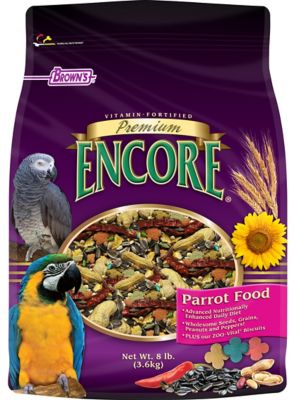
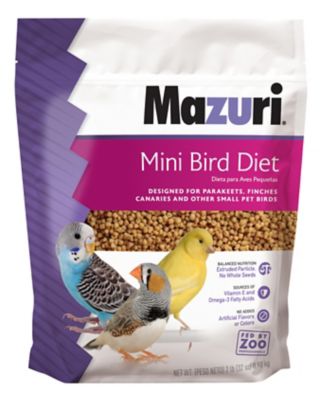
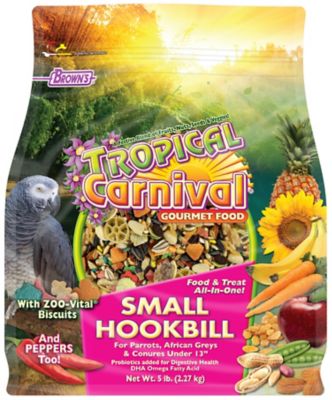
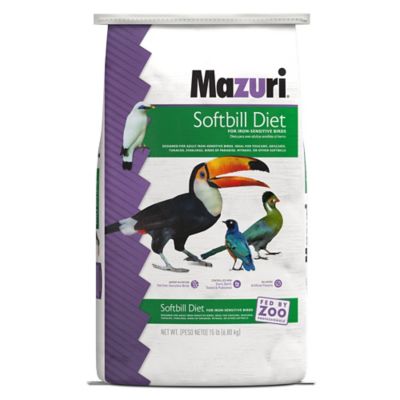
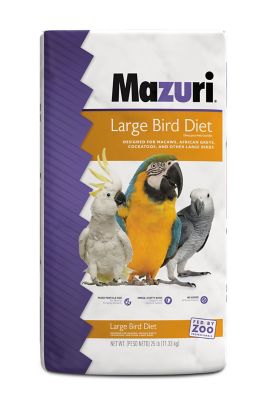
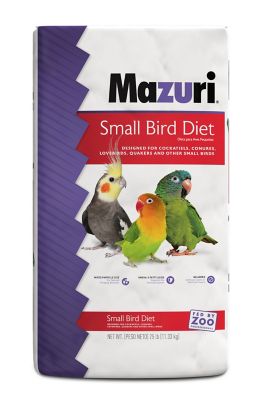
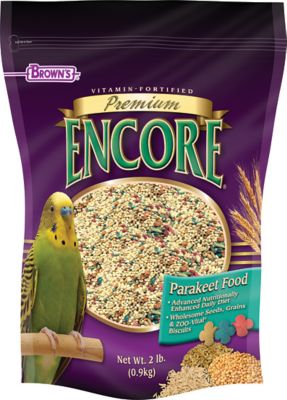
Pet bird food helps keep your feathered companion active, bright-eyed and ready for the day, whether you share your home with a chatty parakeet, a clever cockatiel, a colorful conure, a finch, a canary or a larger parrot. The right food depends on the bird’s species, age, size, activity level and overall health, so check the package label and follow feeding guidance from an avian veterinarian when your bird has special needs. For many companion birds, a quality formulated pellet or crumble is used as the main part of a balanced daily diet because it provides a dependable mix of nutrients in every bite. Many avian care professionals recommend that pellets make up roughly 60% to 80% of the diet, with the rest coming from carefully chosen fresh foods, grains and limited treats. Seed mixes can be tasty and useful for enrichment, training and foraging, but a bird that picks out only sunflower seeds or other high-fat favorites may miss important nutrients. Look for food made for your bird’s type rather than choosing a one-size-fits-all blend. A small finch has different needs from a large parrot, and young birds, breeding birds and senior birds may benefit from different formulas. If you are changing a bird that has lived mostly on seed, make the switch slowly by mixing a small amount of the new food with familiar food, increasing the new portion over time and watching what actually gets eaten. Some birds take to pellets in a few days, while others need patience, a little encouragement and a routine that feels safe. Never assume a full dish means your bird has eaten well; birds often sort through food and leave the pieces they need most.
Seed and grain blends can add variety, texture and the kind of picking and searching that keeps a bird busy. They are especially handy for scatter feeding, puzzle toys and simple foraging activities that turn mealtime into something more natural and engaging. Since many seed mixes are rich in fat, serve them in measured portions and use them as part of a varied plan instead of the whole menu. Fresh produce can round out a bird’s diet with flavor, moisture and helpful vitamins. Clean leafy greens, carrots, bell peppers, broccoli, peas, cooked sweet potato and other bird-safe vegetables are common choices, while small amounts of fruit can be offered as an occasional sweet bite. Whole grains and plain cooked foods may also fit into some birds’ feeding routines, but keep portions modest and avoid foods prepared with salt, butter, sauces or seasonings. Always provide clean drinking water and remove fresh food before it spoils, especially in a warm room or outdoor aviary. Foods such as avocado, chocolate, caffeine, alcohol, onions, garlic and heavily salted or sugary snacks should not be offered to pet birds. It also helps to wash produce, food dishes and feeding areas regularly, since husks and soft foods can collect beneath perches and in cage corners. During the cooler months, indoor birds may spend more time near their cages and enjoy a little extra foraging activity, but sudden diet changes or overfeeding treats can still lead to health problems. A kitchen scale, a familiar feeding schedule and a quick daily look at droppings, energy and appetite can help you notice changes early. For hand-feeding needs or very young birds, choose an age-appropriate formula and consult a qualified avian professional; resources such as
Baby Bird Food can help you find options made for that stage of life.
Pet bird food also makes a thoughtful gift for a bird-owning friend, a child learning responsible animal care or a family welcoming home a newly adopted companion. A bag of the right food paired with a sturdy food dish, treat holder or foraging accessory can make a practical gift basket without adding clutter to the cage area. Before giving food as a present, find out the bird’s species, current diet and any allergies or veterinary restrictions, since a parrot’s favorite treat may not suit a finch and a sudden change can upset a bird that is already settling into a new home. For everyday shopping, consider package size, freshness dates, storage needs and how quickly the bird goes through its food. Keep opened food sealed in a cool, dry place away from fumes, dampness and household pests, and avoid storing it beside cleaning chemicals or strongly scented products. If several birds share a home, separate feeding stations can reduce squabbles and make it easier to see whether a quieter bird is getting enough to eat. Birds may waste some food while husking, tossing or exploring, so choose a container that limits mess without restricting access. Treats should be small enough to support training without crowding out a balanced meal, and a favorite bite can be used to reward calm handling, stepping onto a hand or returning to the cage. With a dependable staple food, sensible portions, fresh additions and regular observation, feeding becomes more than filling a dish—it becomes part of the daily bond between you and your bird.