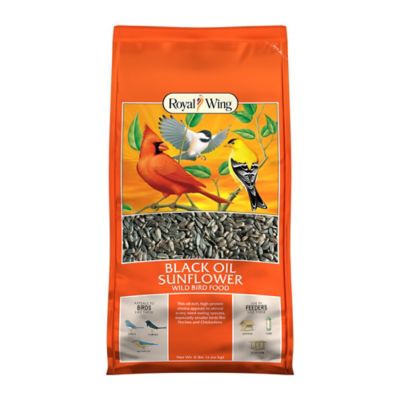
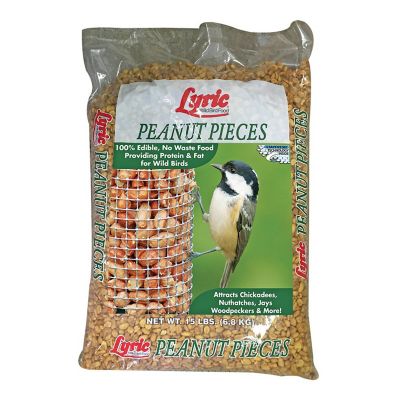
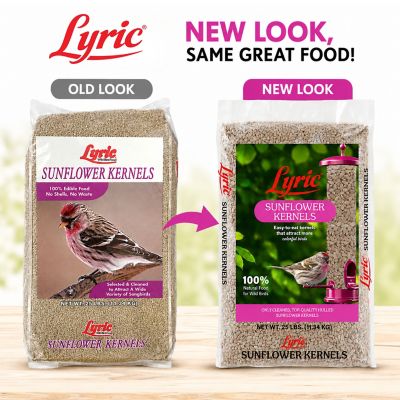
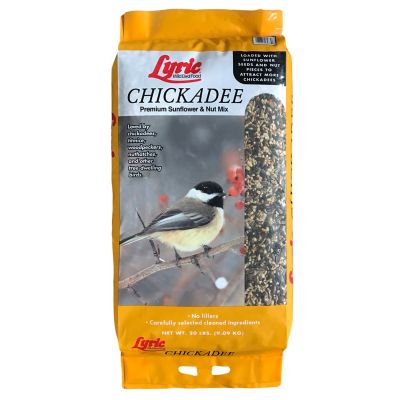
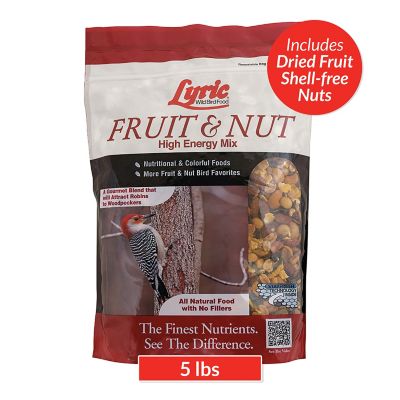
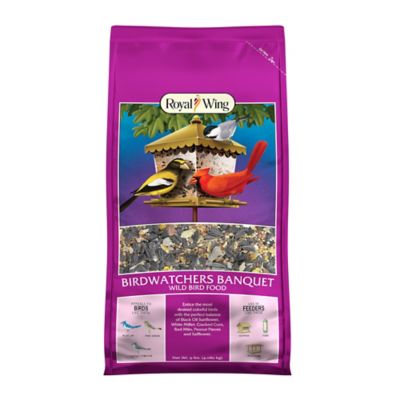
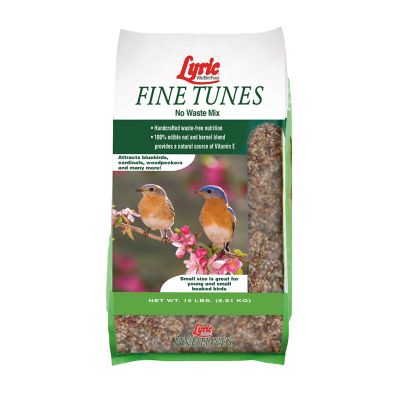
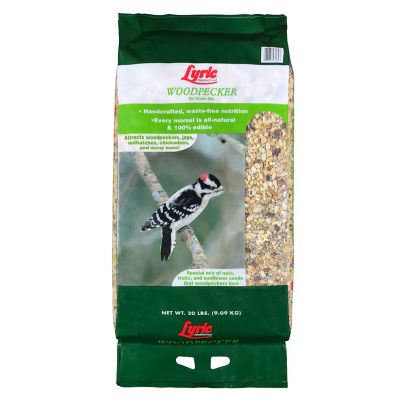
Chickadee bird food includes sunflower seeds, shelled sunflower hearts, peanut pieces, suet, and mealworms that supplement the insects, spiders, seeds, and berries these small songbirds find on their own. Black oil sunflower seed is a popular starting point because its relatively thin shell is easier to open than the thicker shells of many striped sunflower seeds, and the kernel supplies fat and energy. Sunflower hearts and chips offer that same edible center without the hull, making them a practical choice near a porch, garden path, or feeding station where scattered shells would be a nuisance. Chickadees often take one seed at a time, carry it to a nearby branch, and hold it under their feet while pecking it open. A quick visit followed by a trip into the trees is normal feeding behavior, not a sign that the bird has lost interest. These busy little birds also tuck food into bark crevices and other hiding places for later. Small, unsalted peanut pieces give them another energy-rich option, while suet provides concentrated fat in a form they can peck from a cage or other suitable holder. Mealworms contribute animal protein and can add variety alongside seed-based foods, though no feeder food replaces the range of nourishment available in a healthy habitat. For a yard along a woodlot, a farmhouse with shade trees, or a small patch of green outside a kitchen window, the best fit starts with foods chickadees recognize and a feeding setup they can comfortably reach. Their small size does not mean they need finely ground food; they can handle whole sunflower seeds quite well. Instead, ingredient choice, shell content, and the size of nut pieces help determine how the food fits a particular feeder and how much cleanup it leaves underneath. Food offered close to suitable tree cover also lets bird watchers enjoy the familiar rhythm of a chickadee darting in, picking a morsel, and heading back to a perch.
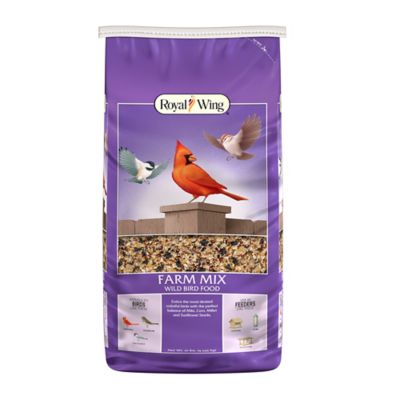
When comparing chickadee seed blends, the ingredient list tells more than the color or variety visible through the bag. A blend centered on sunflower seed and manageable nut pieces generally suits chickadees better than one dominated by grains they are less likely to choose. Millet and cracked corn can appeal to other birds, but they are not usually the main draw for chickadees. That distinction matters at a shared feeding station, where a mix intended for several species may serve a different purpose than a sunflower-focused food. Whole seeds, shelled kernels, and blends also differ in how they move through feeder openings. Small chips can spill through oversized ports, while large nut pieces may bridge narrow openings instead of dropping into reach. Tube feeders with suitable seed ports, hopper feeders, and sheltered trays can all offer chickadee food, provided birds have a firm place to land and easy access to the contents. For suet, the cake or portion should fit securely inside its holder rather than sit loosely where larger animals can pull it free. Suet blends may include seeds, nuts, or insects, so their ingredients deserve the same attention as a seed mix. Mealworms have their own handling considerations: dried mealworms are straightforward to portion into a shallow dish, while live mealworms require the storage and care described on their packaging. Chickadees may take either, although interest varies from bird to bird and yard to yard. Plain, unsalted nuts are the appropriate choice; seasoned snack mixes, candy-coated nuts, and salty table scraps do not belong in a wild bird feeding station. A simple food selection can be easier to monitor than several overflowing feeders, especially when the goal is to see which ingredients actually get eaten. For households hoping to welcome more than chickadees,
bird food for cardinals offers another way to consider the feeding needs of familiar backyard visitors. Sunflower and certain nut ingredients appeal to both, though cardinals generally benefit from more landing room than a chickadee needs.
Freshness, storage, and routine cleanup are just as important as the food’s ingredients. A bag size that matches the pace of feeding helps keep seed from sitting too long after opening, whether the feeding station serves a handful of birds beside the house or sees steady traffic along a tree-lined fence. Bird food belongs in a clean, dry container with a snug lid, away from rodents, household pets, and chemicals. Keeping the original package information makes it easier to check feeding directions, ingredient details, and any storage requirements. Food should smell fresh rather than musty or sour, and anything moldy, damp, clumped, or rancid should be discarded. Shelled sunflower kernels reduce hull litter but still need attention, since exposed kernels can spoil when moisture collects in a feeder. Putting out amounts birds finish promptly helps limit waste and makes changes in feeding activity easier to notice. Suet holders also need inspection for residue, and suet that develops an off smell or visible mold should come down. Feeder construction affects the upkeep: smooth surfaces, removable parts, and accessible corners make it easier to clear away stuck seed and wash feeding areas. Drainage helps prevent standing water, while sound perches and secure hangers keep the setup steady as birds come and go. Follow the feeder maker’s cleaning directions, rinse thoroughly after washing or disinfecting, and let every part dry before refilling. The ground beneath the feeder deserves attention, too, because dropped hulls and uneaten food can build up even when the feeder itself looks tidy. For someone who enjoys a quiet cup of coffee with a view of the yard, a thoughtfully chosen bird food assortment paired with a compatible feeder can make a welcome gift. The most useful pairing reflects the recipient’s space and cleanup preferences rather than simply offering the largest bag. Chickadee food works best as a supplement to a yard with trees, shrubs, and natural foraging opportunities, bringing these lively birds into view while leaving them free to feed throughout their surroundings.