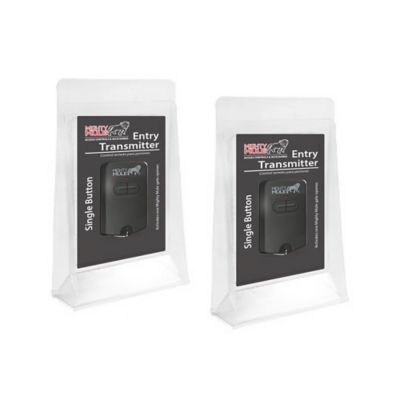
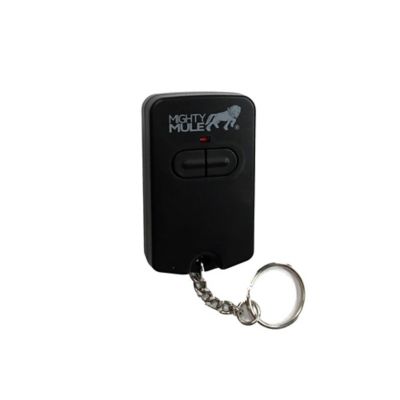
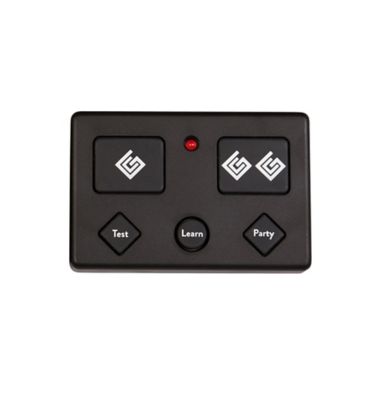
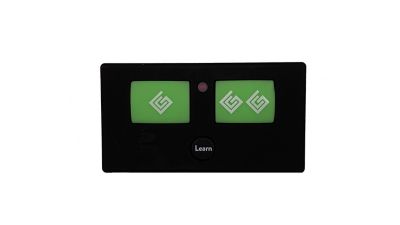
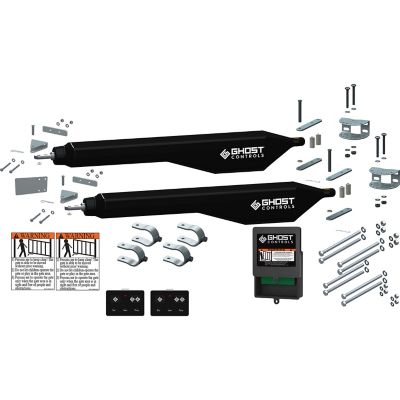
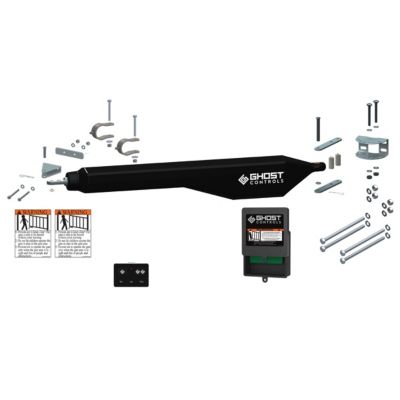
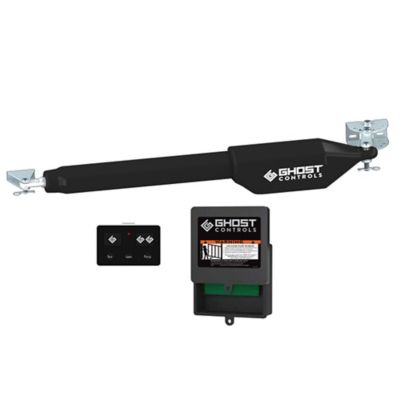
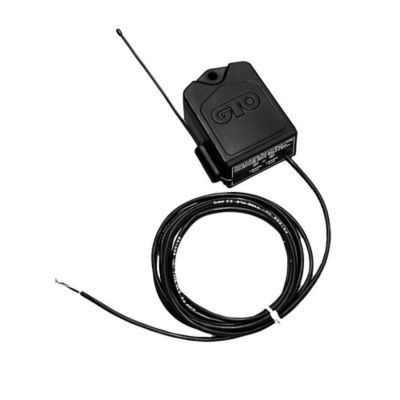
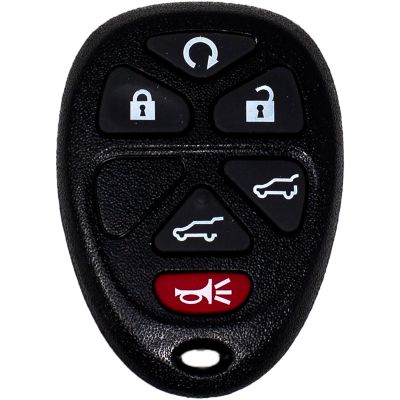
Gate remotes make it easier to come and go without getting out of the truck, walking back to the house, or leaving a gate open behind you. A handheld remote sends a radio-frequency signal to the receiver connected to an automatic gate opener, while a visor-style remote stays clipped inside a vehicle for quick access from the driveway. Some remotes are small enough for a key ring, which can be handy for family members, farm hands, delivery drivers, or anyone who regularly uses the entrance. They’re a practical choice for rural driveways, ranch entrances, private lanes, storage yards, barns, kennels, and other properties where a gate helps keep livestock, pets, vehicles, and unwanted visitors where they belong. A remote can also be a thoughtful housewarming gift for someone who has recently moved to acreage or finished improving a driveway entrance. Before choosing one, identify the gate opener and receiver already installed, then check the manufacturer’s compatibility information, frequency, button layout, and programming method. A remote that looks like the right fit may not work with every opener, even when the remotes appear similar. Replacement remotes are often used when an old clicker is lost, damaged, or worn out, while extra remotes help keep access convenient for more than one driver. During the cooler months, being able to open the gate from a warm cab is a small comfort that quickly becomes part of the daily routine, especially when the lane is muddy, the ground is slick, or the wind is pushing hard across the pasture.
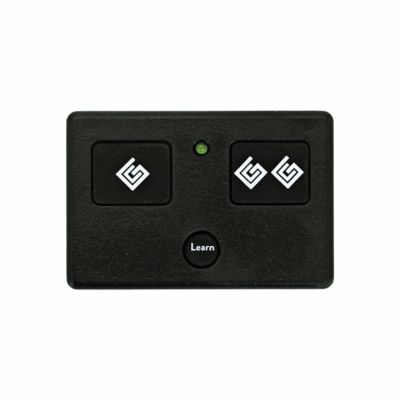
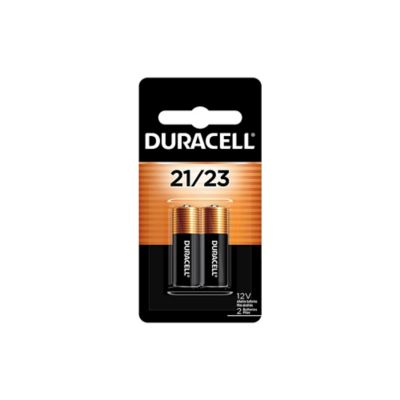
Range is another important consideration when comparing gate remotes. Many traditional RF remotes work from roughly 100 to 1,000 feet, though real-world performance depends on the opener, receiver placement, trees, buildings, fencing, terrain, weather, and other sources of interference. A long gravel drive may call for a remote with dependable reach, while a short suburban-style entrance may need only a basic range. Keep the remote pointed generally toward the gate and avoid storing it under heavy metal objects or deep inside a tool box, since those conditions can weaken the signal. Button count matters, too. A single-button remote may be all that’s needed for one driveway gate, while a multi-button model can operate separate entrances or provide access to a gate and garage opener when the systems are compatible. Look for a sturdy case, easy-to-press buttons, a design that fits comfortably in a hand, and a battery compartment that can be opened for routine replacement. If the remote will spend its life bouncing around in a work truck, riding in a tractor cab, or sitting in a coat pocket, a durable build is worth considering. Keep spare batteries in a dry place, and take a moment to label remotes so the right one is easy to identify after dark. In many homes, the best setup is a visor remote for the main driver, a compact spare for another family member, and a carefully stored backup for emergencies. Pairing or programming procedures vary, but they commonly involve pressing a learn button on the opener or receiver and then activating the remote. Have the instructions nearby, keep people and animals clear of the moving gate, and test the opener from a safe position after programming.
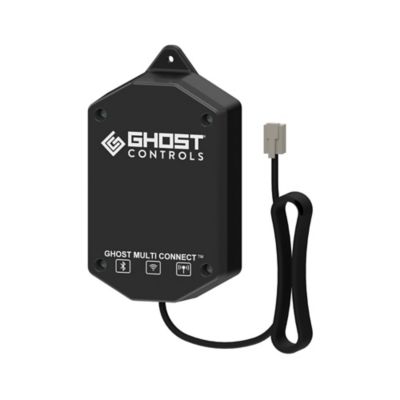
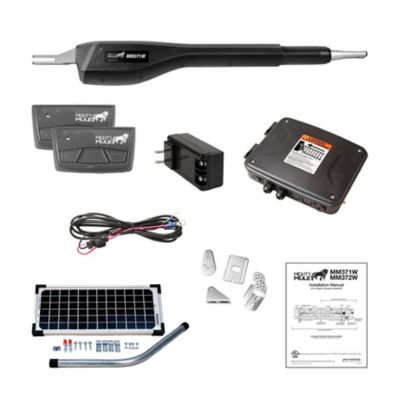
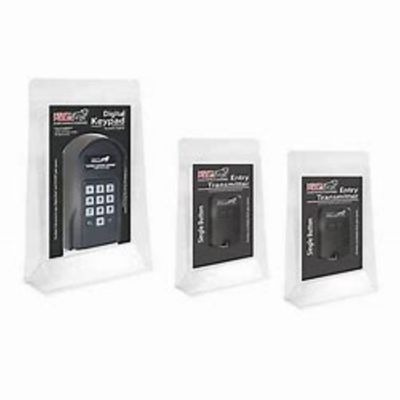
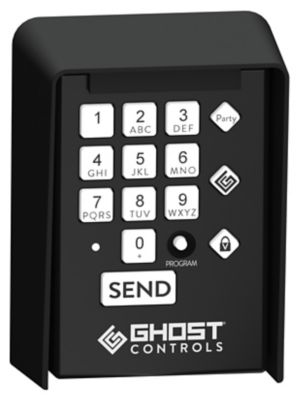
Gate remotes work best when they are part of a complete, well-maintained access system. Swing gates and sliding gates use different opener arrangements, and a remote must match the receiver and control board that operate that style of gate. Some modern systems add cellular or smart-app access, allowing an authorized user to open, close, or monitor the gate from a phone rather than relying only on a handheld transmitter. These options can be useful for property owners who need to let in a contractor, neighbor, livestock hauler, or delivery driver while they are away, but they depend on a compatible opener, reliable power, and cellular or internet service. A wireless keypad can provide another access option for trusted visitors who do not carry a remote, while remotes remain the simplest choice for regular drivers. No matter the setup, keep safety in mind: the gate should move smoothly, stop when appropriate, and remain clear of children, pets, livestock, parked equipment, and people on foot. Check the battery and signal before assuming the opener has failed, and inspect the gate’s hinges, rollers, tracks, wiring, and receiver if operation becomes inconsistent. A remote cannot correct a dragging gate or a weak opener, and forcing the system can lead to more expensive repairs. For projects that involve a new entrance, replacement hardware, or a complete automatic gate setup, visit
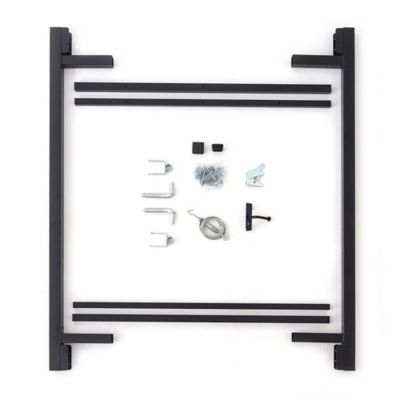
Gate Installation for additional planning help. With the right compatibility information and a little regular care, a dependable gate remote can make everyday trips down the driveway smoother from the first chilly morning through the warmer days ahead.