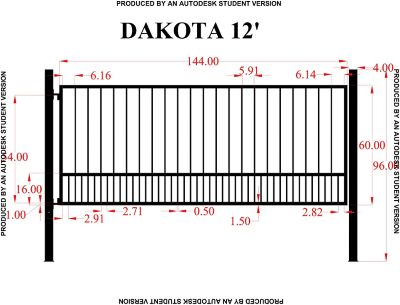
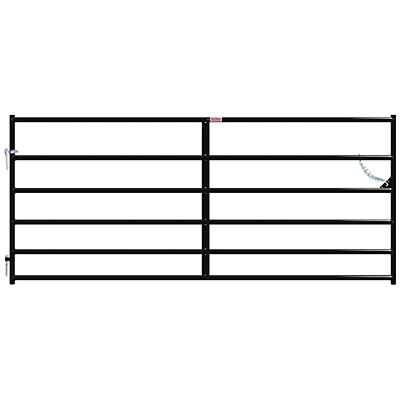
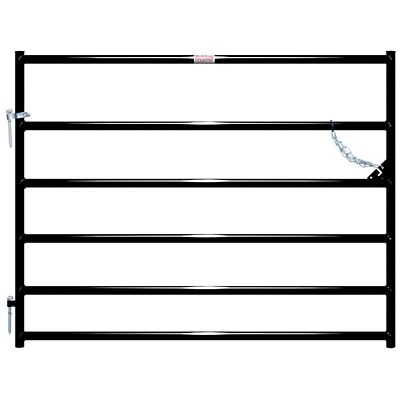
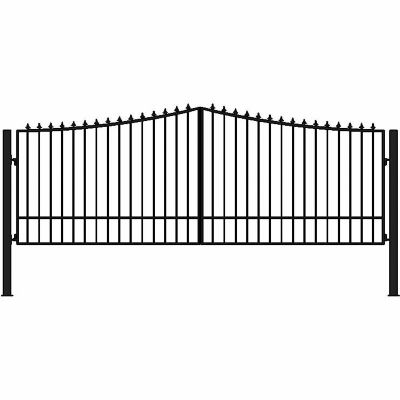
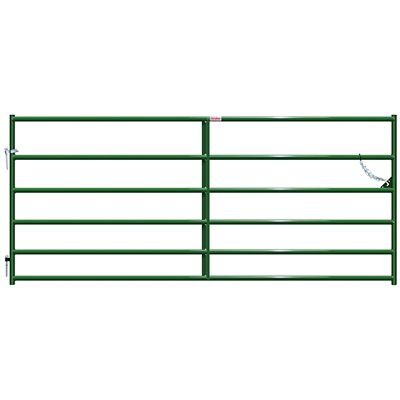
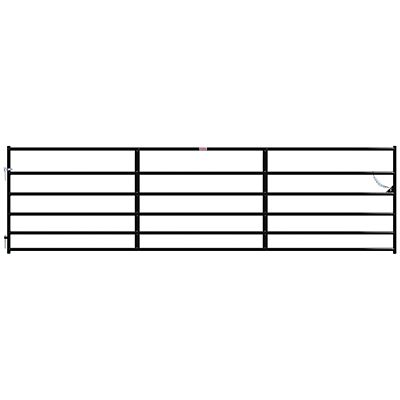
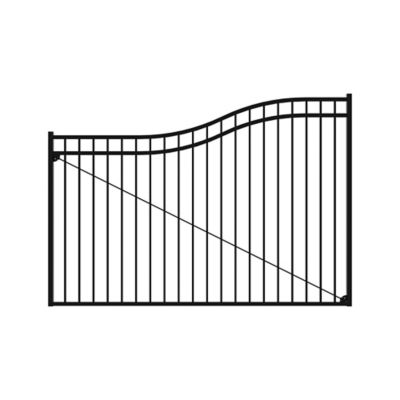
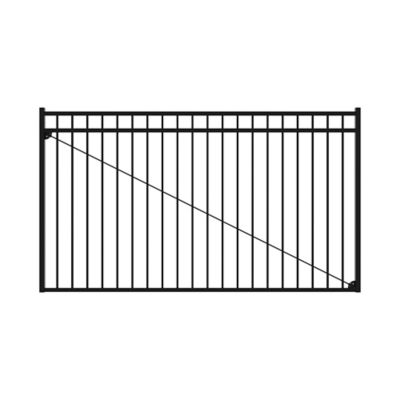
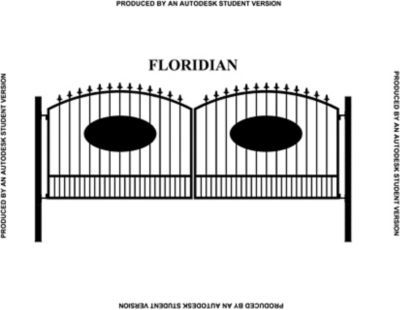
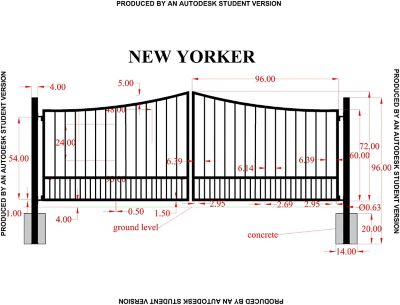
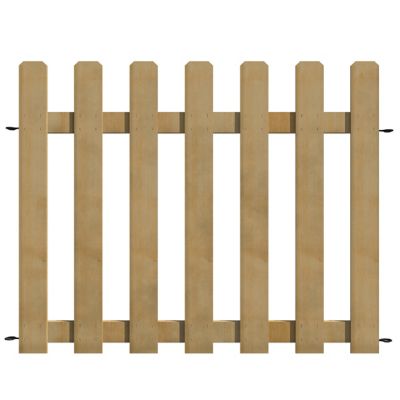
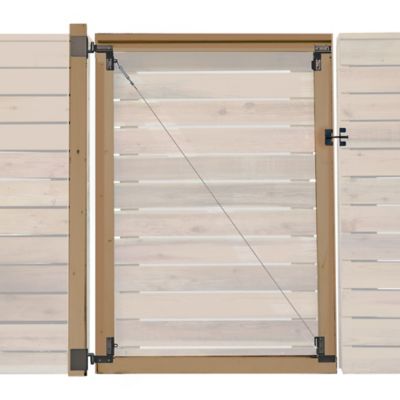
Driveway gates mark the entrance to a property and help control vehicle access, whether that entrance leads to a farmhouse, a horse barn, a workshop, or a home set back from the road. The right fit depends on more than the distance between two posts. Gate style, opening width, ground clearance, and the space available for movement all affect how an entrance works day to day. Swing driveway gates open on hinges and need a clear arc of travel. A single swing gate has one moving panel, while a double swing gate divides the opening between two panels, reducing the swing distance required for each leaf. Sliding driveway gates travel sideways along the fence line and need enough clear space beside the opening to accommodate the moving gate. They can suit entrances where a swing path would interfere with parking or other activity, though the support system and ground conditions still matter. For a rural driveway, everyday traffic might include a pickup on most trips and a stock trailer, hay delivery, or equipment hauler on others. That makes the clear opening between posts, the approach angle, and room to straighten a trailer important parts of the fit. A wide opening does not necessarily make a tight turn easy, especially when fence corners or drainage ditches crowd the approach. Gate placement also affects whether a driver can pull completely off the road before stopping to open it. On sloping ground, the relationship between the gate’s travel and the driveway surface deserves close attention; a panel that clears at the latch post may meet higher ground partway through its swing. A well-matched driveway gate leaves room for normal traffic without creating an awkward squeeze every time a trailer comes home. Gate height, spacing between rails, and the layout of the surrounding fence help determine whether the entrance serves mainly as a visible boundary, a vehicle access point, or part of a broader animal-containment system.
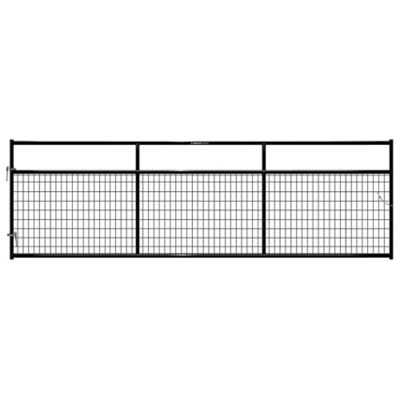
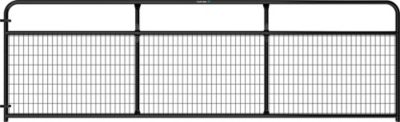
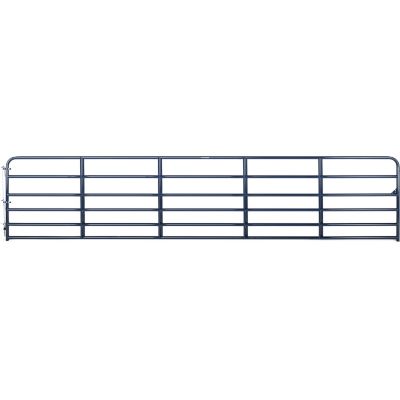
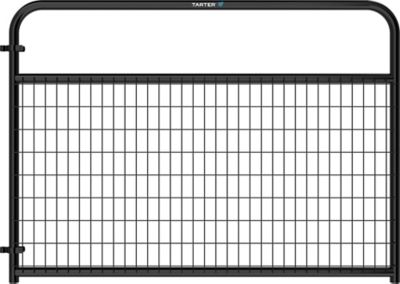
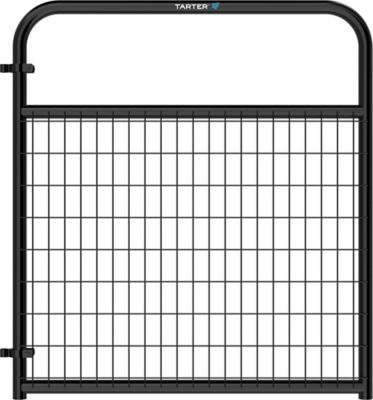
Materials give driveway gates different strengths, maintenance needs, and appearances. Steel is a common choice for farm and residential entrances because it can provide a rigid frame for broad openings. Galvanized steel has a zinc coating that helps protect against rust, while powder-coated finishes provide a protective surface with a finished look. Scratches, exposed edges, and areas around moving connections still deserve attention over time. Aluminum weighs less than steel and resists rust, making it worth considering where handling weight or hinge loading is a concern. Its suitability still depends on the gate’s construction, dimensions, and intended job. Iron brings substantial weight and a more formal appearance, with support posts and hardware that must suit that load. Wood offers a solid, natural-looking entrance and can provide more visual screening than an open-rail design, but its boards, fasteners, and protective finish need ongoing care. Open tubular or rail-style gates keep sightlines across a driveway, which can be handy when watching for an approaching truck or checking the lane from the house. Mesh infill can reduce openings within a gate, but the spacing beneath the panel and around the posts matters just as much when animals are involved. A driveway gate is not automatically a pet-containment barrier, and livestock needs vary by species, size, and behavior. Posts, hinges, and latches carry much of the working load, so a strong-looking panel alone does not tell the whole story. Proper support helps keep the latch lined up and limits sagging that can make a gate drag or bind. Regular care generally includes checking fasteners, inspecting welds and coatings, clearing the travel path, and lubricating moving parts where the manufacturer recommends it. Added boards, mesh, or screening can change the weight and loading of a gate and should match the frame and hardware design. For a closer look at how the entrance comes together, explore
Gate Installation.
Manual and automatic driveway gates serve different routines. A manual gate can make sense at an entrance that is opened occasionally, provided the latch is easy to reach and the panel can be secured in both its open and closed positions. Frequent trips between the house, barn, and road may make an automatic opener more convenient, especially when stopping means climbing out of a pickup several times a day. Opener compatibility depends on the gate’s length, weight, construction, mounting geometry, and expected number of operating cycles, not simply whether the gate swings or slides. Double swing entrances also need coordinated movement between the two leaves. Hardwired systems require suitable electrical service, while solar-powered systems depend on panel placement, battery capacity, and the energy demands of the equipment and accessories. Solar power does not remove the need to match the system to daily traffic. Remote controls, keypads, and access controls can give household members, helpers, and scheduled visitors different ways to enter without leaving the gate standing open. Delivery access deserves some thought, too; a place to stop outside the entrance may work better for occasional drop-offs than giving every visitor access to the property. Automatic gates also bring safety requirements that belong in the selection from the start. Appropriate entrapment protection, clear sightlines, and controls positioned away from moving parts help address hazards, with the final arrangement following the equipment instructions and applicable requirements. Vehicle exit detectors serve a different purpose from entrapment-protection devices and do not replace them. A separate pedestrian entrance can keep people out of the vehicle gate’s travel path, and children should never play on or near moving gates. Manual release access and a plan for emergency entry matter when power or equipment is interrupted. Whether the entrance serves a quiet home lane or a busy farmyard, a gate earns its place by matching the traffic, fence, support structure, and daily habits of the people passing through it.