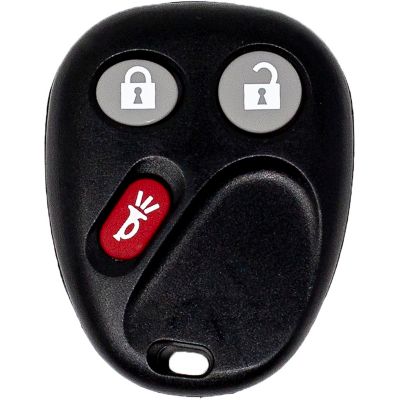
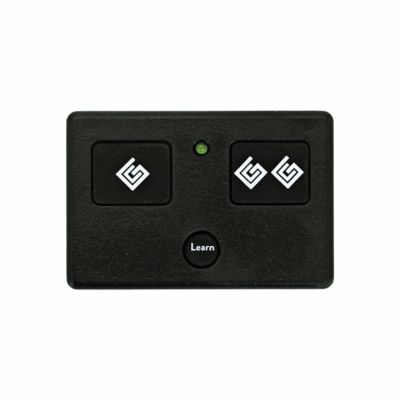
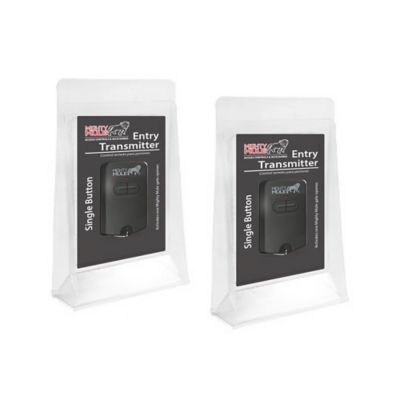
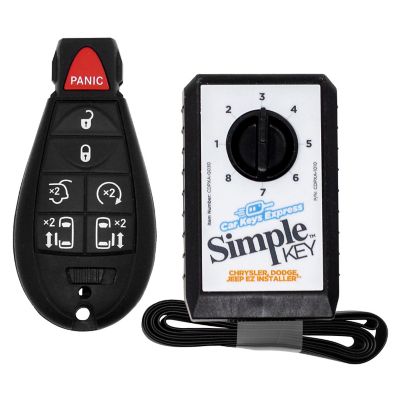
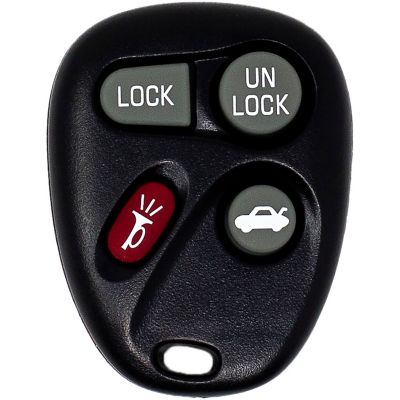
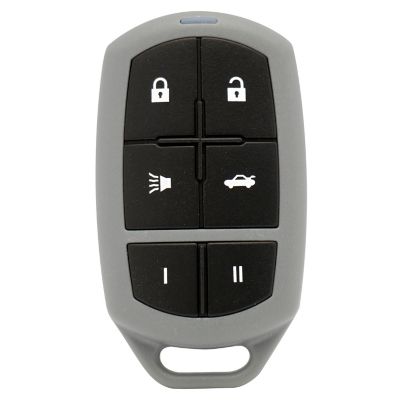
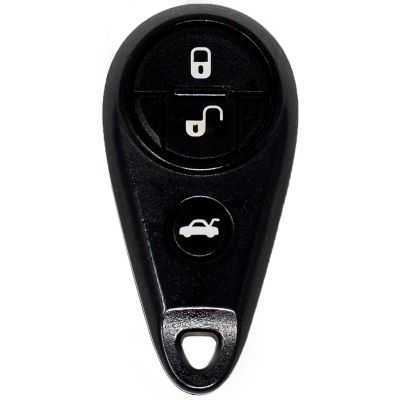
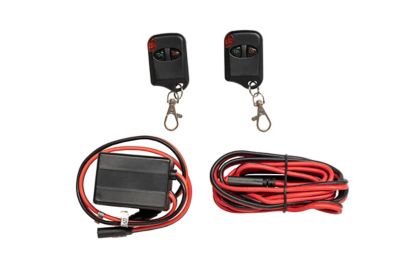
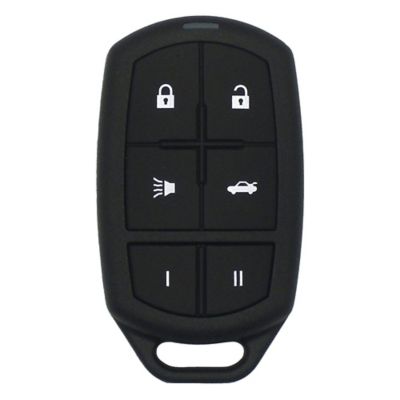
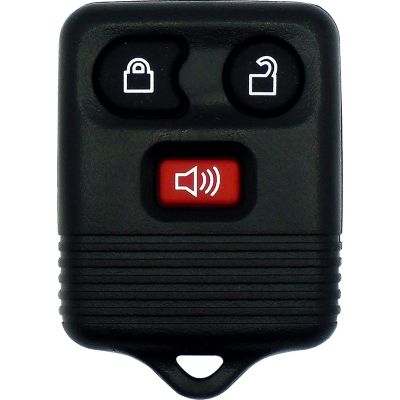
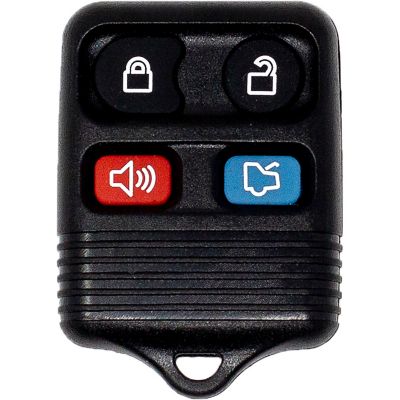
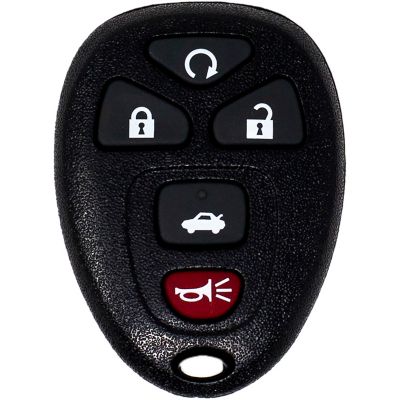
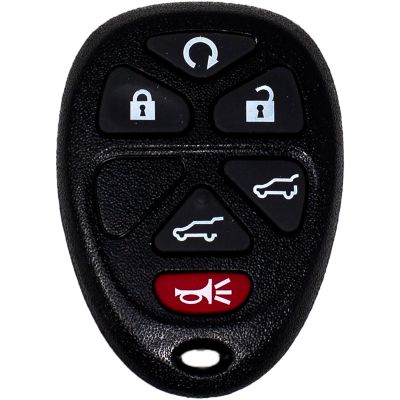
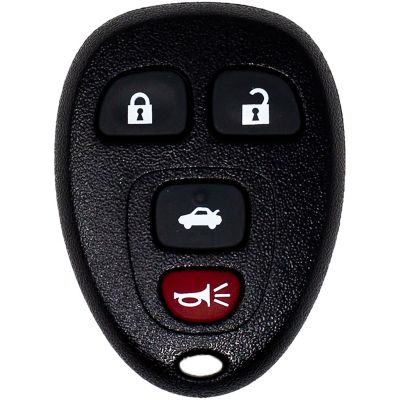
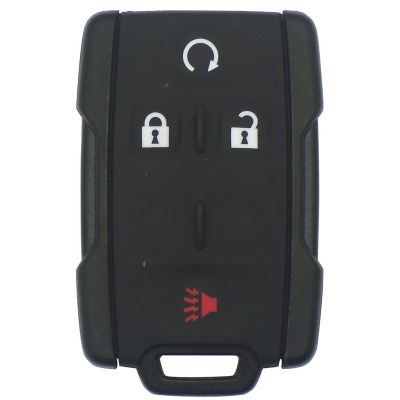
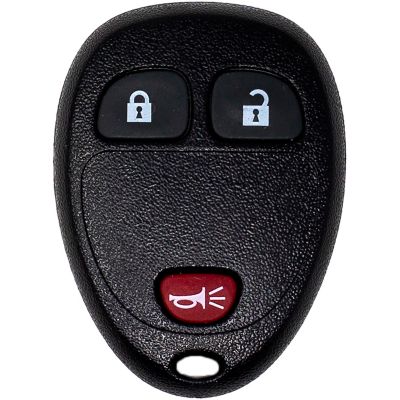
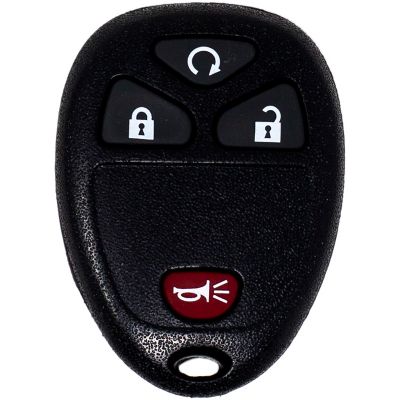
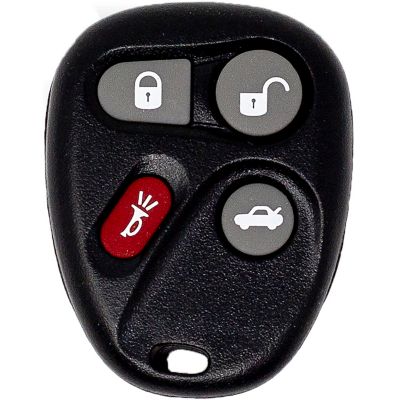
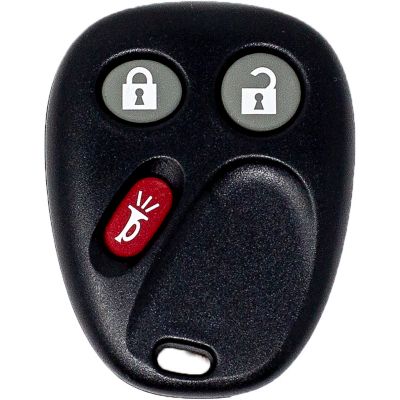
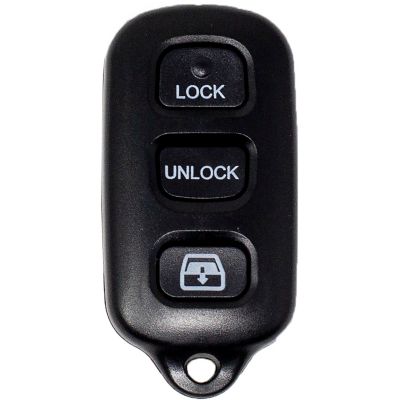
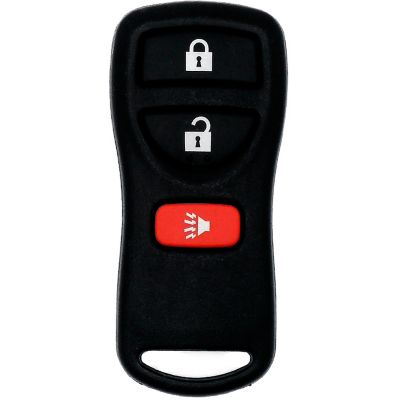
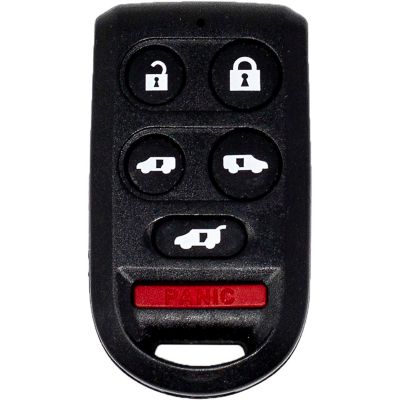
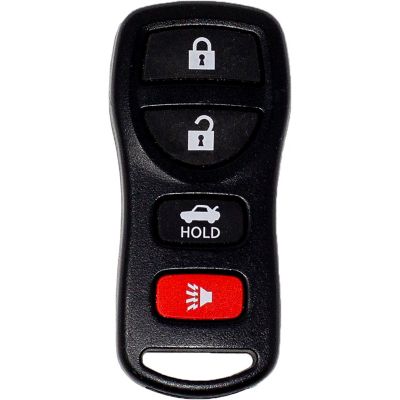
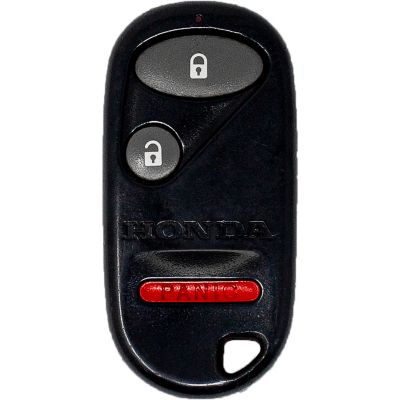
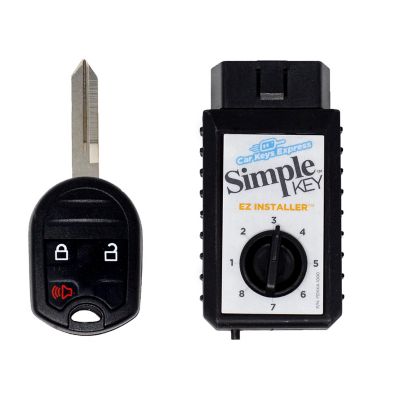
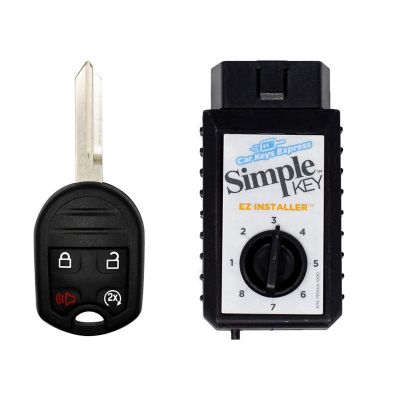
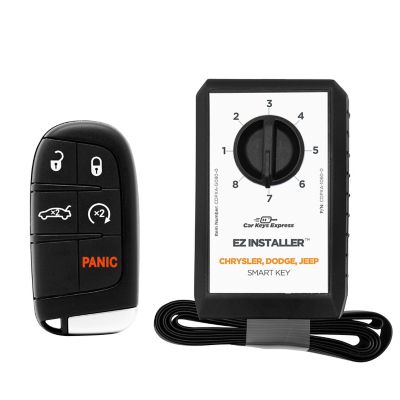
Remote fobs make everyday vehicle use a little easier, whether you are heading out before daylight to feed livestock, loading tools for a job, or coming back to the truck with both hands full. Most remote key fobs use short-range radio signals to operate functions such as locking and unlocking the doors, opening a liftgate or trunk, sounding a panic alarm, and, on compatible vehicles, starting the engine from a distance. Some are simple replacements for a lost or damaged remote, while others add convenience features such as remote start or extra buttons for vehicle accessories. The right fob depends on more than its shape and button layout. Before ordering, check the vehicle's year, make, model and trim, along with the original fob's part number, button count and frequency when that information is available. A remote that looks nearly identical may not communicate with the vehicle or may support only some of its functions. It is also important to separate the remote portion from the key or transponder portion. Certain vehicles use a traditional metal key, while others use a chip that must be recognized by the vehicle's immobilizer system before the engine will run. A replacement remote may lock and unlock the doors but still require separate key cutting or programming for full use. Keeping the old fob nearby makes comparison easier, especially when checking the location and symbols on each button. If the original is missing, the vehicle owner's manual, a service department or a qualified automotive locksmith can help confirm the correct specifications.
Programming requirements vary widely by vehicle and by the type of remote fob. Some older vehicles allow an owner to complete a sequence of steps using the ignition, door locks or existing remotes, while newer vehicles often need specialized equipment or security credentials. A fob may arrive with a battery installed, but it can still need pairing before it works. Dealer or locksmith programming may add a service charge, commonly ranging from about $50 to $100, while the fob itself can range from a basic replacement costing around $50 to more advanced remote-start or smart options costing $100 to $400. Universal-style remotes may cost less and can be a practical choice for certain older, supported vehicles, but compatibility should be confirmed carefully rather than assumed. If only one working remote remains, programming a spare before that last one is lost can save a trip, reduce downtime and sometimes avoid a more involved all-keys-lost service. Look for clear information about whether the fob is new, refurbished or intended as a shell for transferring internal parts. A shell can freshen up a worn remote, but it will not replace missing electronics. Check return policies, included batteries and instructions, and make sure the listed functions match the equipment installed on the vehicle. When programming at home, work in a quiet area with the vehicle, the correct manual and every required remote close at hand. Follow the exact sequence for the vehicle, since an unsuccessful attempt on one model may erase previously stored remotes on another. For smart-key systems, push-button start vehicles or vehicles with built-in security chips, professional programming is often the safest route.
A remote fob can be a handy spare for a new driver, a thoughtful gift for someone who shares a family vehicle or a useful replacement for a ranch truck that sees plenty of dust, rain and rough handling. It is especially convenient during the cooler months, when starting a compatible vehicle from indoors can give the cab time to warm and clear light frost before a morning drive. In warmer weather, the same feature can help cool the cabin before a long trip, but remote-start use should always follow local rules and the vehicle manufacturer's instructions. Never start a vehicle in an enclosed garage, barn or other poorly ventilated space, and keep the fob away from young children and pets. A good storage spot is dry, easy to reach and separate from heavy keys or tools that can press buttons in a pocket or tool bag. Replace a weak battery when the operating range drops, buttons respond slowly or the vehicle needs repeated presses. Many remotes use a small coin-cell battery, and the replacement must match the size and polarity listed for that fob. Keep water and fine grit out of open housings, and avoid dropping the remote on concrete or leaving it in direct sun inside a parked vehicle. If security is a concern, pairing a remote fob with other vehicle protection measures can add another layer of peace of mind; browse
Anti Theft Alarms for related options. Whether the goal is a dependable backup, easier access while carrying groceries and feed, or a more comfortable start to a cold morning, choosing a compatible remote and arranging programming before the old one fails helps keep daily travel moving along.