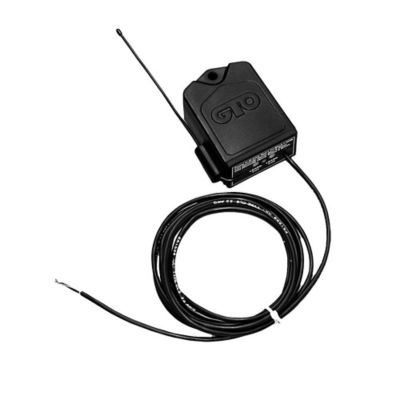
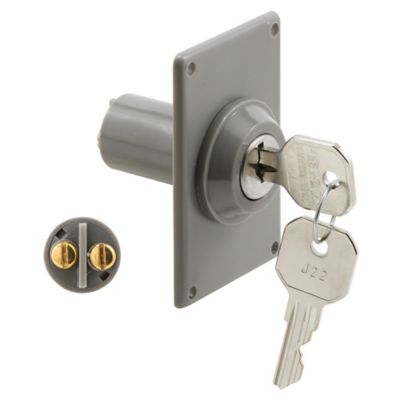
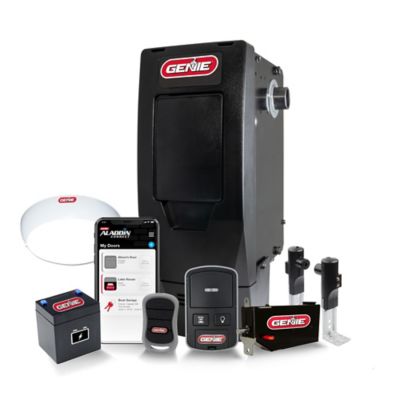
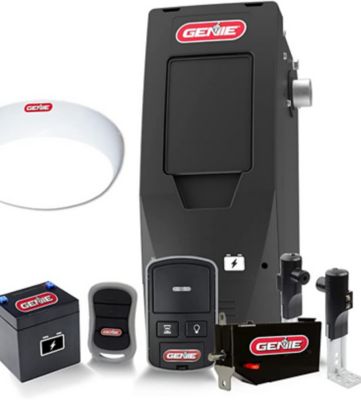
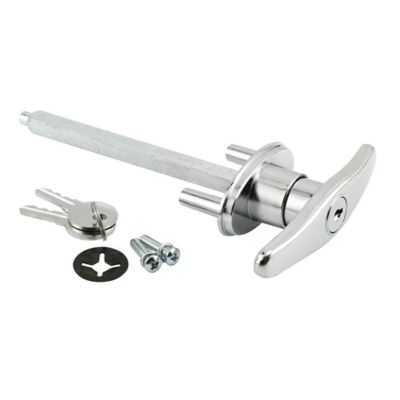
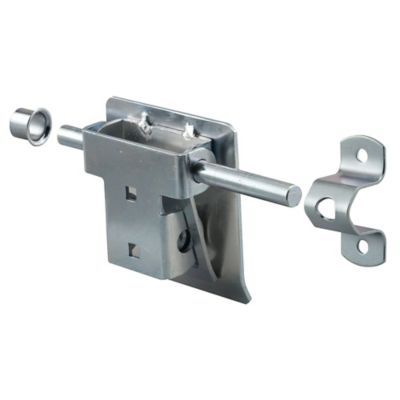
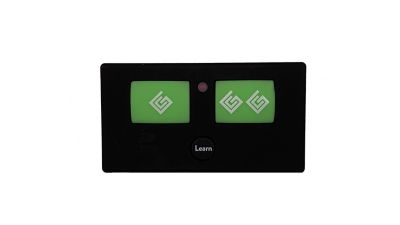
Garage door opener accessories include remote controls, keyless entry pads, wall consoles, safety sensors, compatible smart controls and replacement batteries that support everyday garage access. These accessories serve different jobs: a remote sends an opening or closing command, a keypad provides entry with a code, and a wall control puts operation within reach from inside the garage. Other accessories support safety functions, expand control options or replace worn components in an existing system. For a household with several drivers, a garage that doubles as a workshop or a pickup that heads out for chores every morning, those differences matter. A second control point can make more sense than replacing an otherwise functioning opener, while a replacement remote can restore convenient access after an original goes missing. Compatibility is the main consideration across the category. The opener’s manufacturer, model, production date and communication system can all affect which accessories work with it. Matching radio frequency alone does not establish compatibility, since remotes can transmit on the same frequency while speaking different electronic languages. Rolling-code systems change the transmitted access code with each operation, and their controls must support the opener’s particular technology. Even a remote described as universal has defined compatibility limits rather than working with every garage door opener. Wall consoles can also differ: a basic push button and a multifunction electronic control are not necessarily interchangeable. The model label and manufacturer’s compatibility information provide a firmer starting point than the shape of an old remote or the color of its buttons. Multi-door households have another practical consideration, since the number of control buttons and supported openers determines whether one remote can manage separate garage bays. The same attention to fit applies to accessories for an older installation, where a newer-looking replacement may still require a different receiver or may not work with the existing system at all. Intended use matters just as much as appearance, especially when choosing between a handheld control, an exterior entry pad and a permanently mounted interior console.
Everyday routines help explain the appeal of different garage door opener accessories. A visor-mounted remote keeps the control close when pulling a truck into the driveway, while a compact key-ring format travels with the driver instead of staying in one vehicle. Button size, spacing and feedback can affect how easily a control operates without fumbling between neighboring buttons. An exterior keypad offers a different kind of convenience for someone returning from the yard without a house key or stepping into the garage to retrieve tools. Depending on the compatible system, keypad functions may include separate entry codes or temporary access for a visiting family member or service provider. Those capabilities vary, and code-based entry still calls for sensible control over who receives access. Interior wall controls suit the daily traffic between the house, garage and workbench; some compatible consoles also operate the opener light or include a lock function that restricts certain remote commands. Smart-control accessories add another layer for households that want supported door-status information or app-based operation. Their requirements can include a compatible opener, a supported home network, adequate signal at the garage and an account with the relevant service. Some systems also require a separate door-position sensor, so a phone connection alone does not establish whether the door is open or closed. App features, shared access and notifications depend on the particular system rather than being standard across every accessory. Remote operation from beyond sight of the door also depends on the manufacturer’s safety requirements and supported equipment. For families juggling school pickups, chores and several vehicles, the best arrangement is often the one that gives each person a straightforward way in without adding unnecessary controls. A remote for the truck, a keypad near the entry and a clearly positioned wall console each serve a different moment in that routine. Physical buttons and keypads can remain useful alongside connected features, particularly for household members who prefer an entry method that does not depend on carrying a phone.
Materials, mounting arrangements and routine care also shape how garage door opener accessories hold up around a working garage. Molded plastic housings, flexible button covers and metal mounting brackets are common construction features, with their suitability depending on where and how the accessory is installed. A handheld remote needs a secure battery compartment and a clip or key-ring attachment suited to its daily travels. A fixed keypad needs the mounting space and surface specified by its manufacturer, along with enough clearance for comfortable operation. Wall controls and safety sensors have their own wiring, mounting and positioning requirements, and matching connectors does not by itself establish electrical compatibility. Photoelectric safety sensors typically send a beam across the door opening near the floor; an interrupted beam can prevent closing or trigger reversal as the system is designed to operate. They are part of a larger safety system, not a substitute for keeping people, animals and equipment clear of a moving door. Replacement sensors must match the opener’s requirements, and their lenses and alignment need attention when dust, stored gear or a bumped bracket interferes with operation. Battery needs vary as well. A remote’s small replaceable battery powers its transmitter, while an opener backup battery supports operation during a power interruption only on systems designed for that function. The specified battery type, electrical rating and replacement instructions matter for both. Gentle cleaning according to the manufacturer’s directions helps protect button surfaces and housings; solvent exposure, rough handling and loose mounting can shorten an accessory’s service life. Opener accessories address controls and supported operating functions, while hinges, rollers, brackets and other mechanical door components fall under
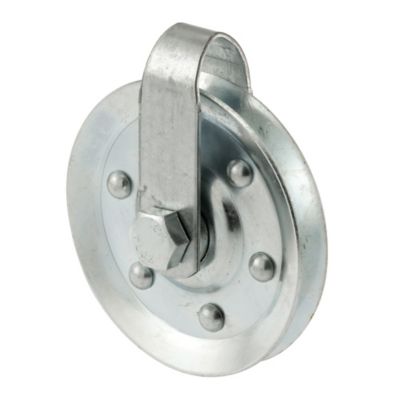
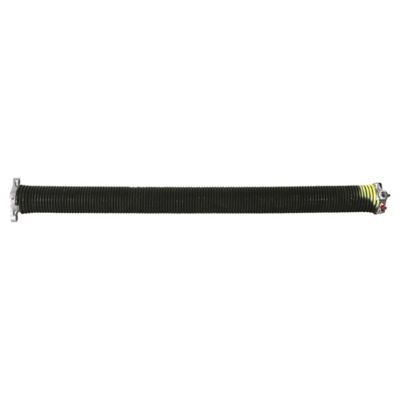
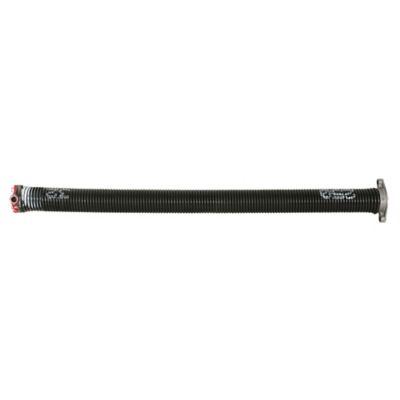
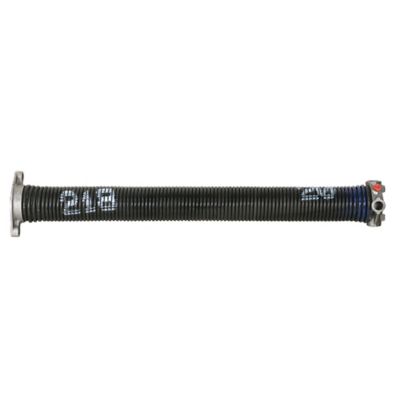
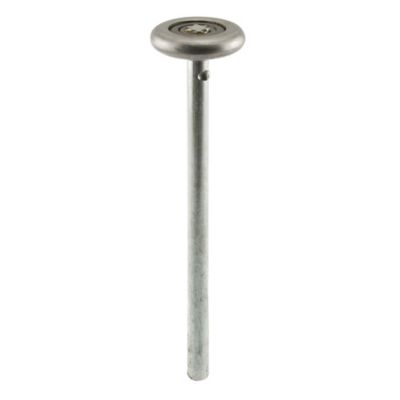
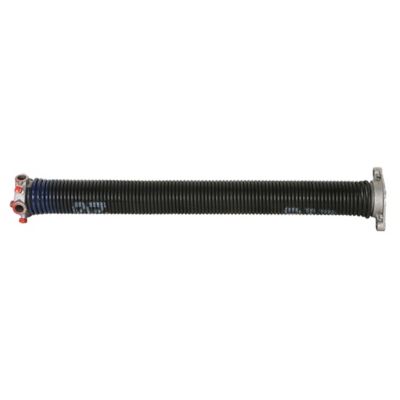
Garage Door Hardware. A new remote will not correct a binding door, damaged track or spring problem, and tensioned springs and cables call for trained service. Keeping those roles separate makes it easier to match a replacement or added control to the actual need, whether that means convenient entry from the driveway, another access point for the family or restoration of a required safety function.