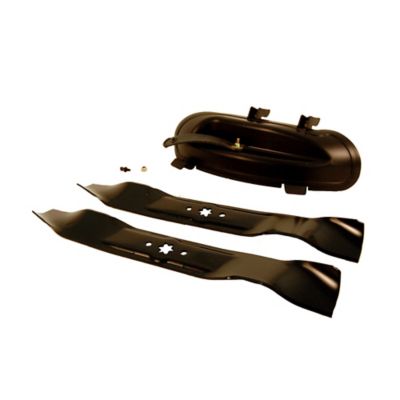
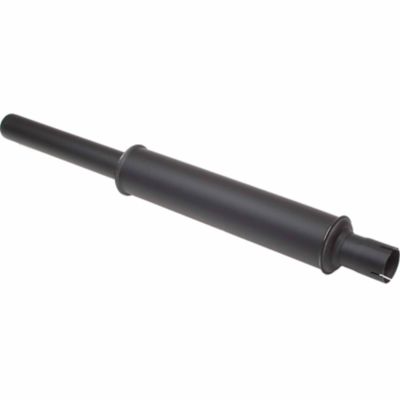
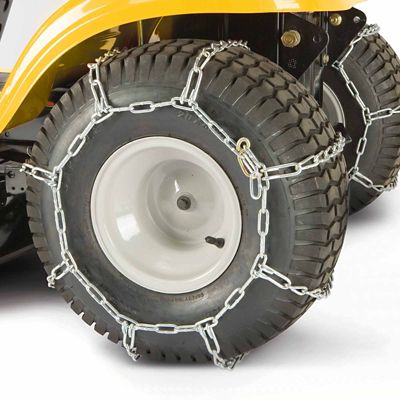
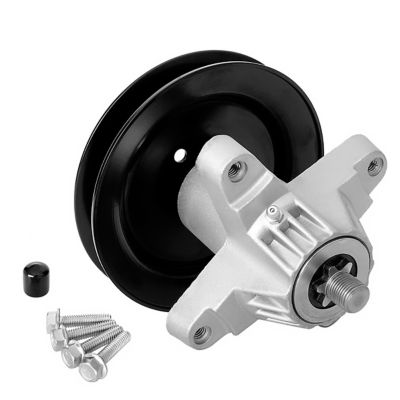
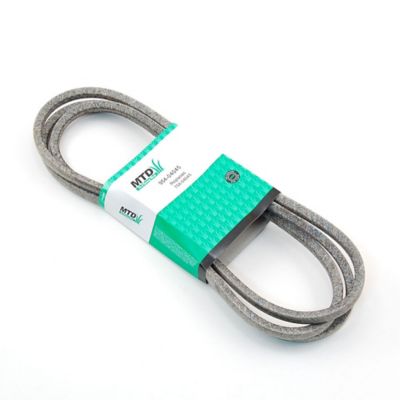
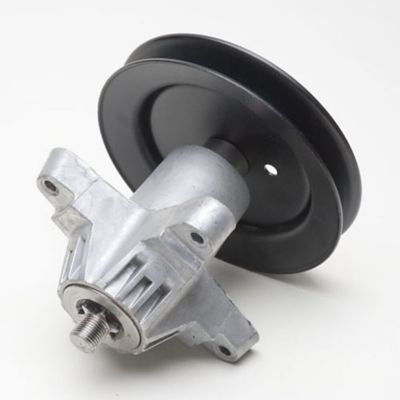
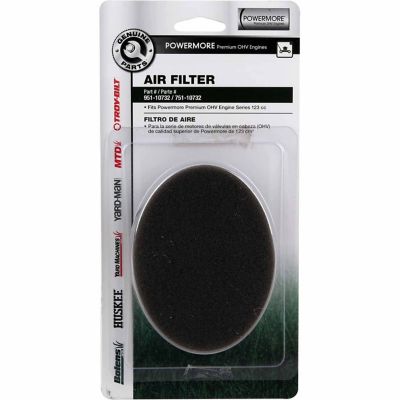
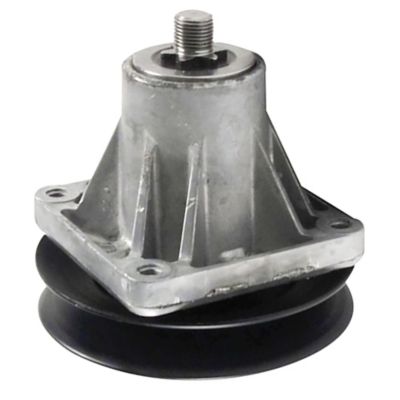
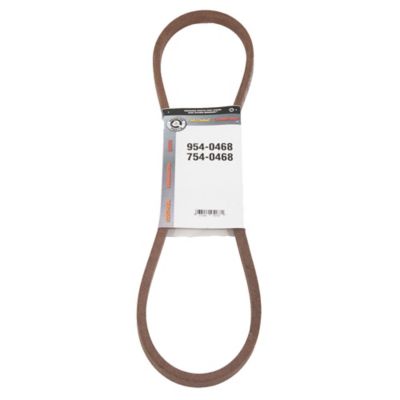
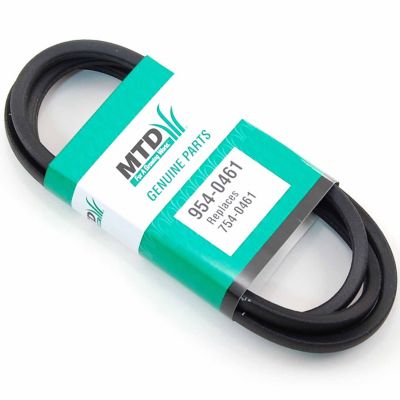
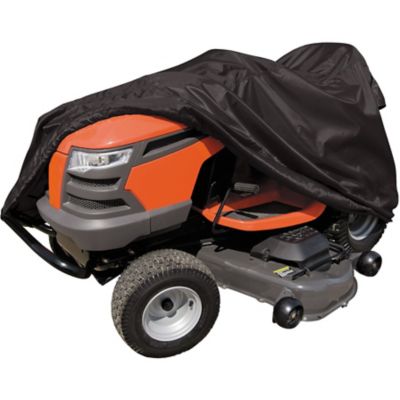
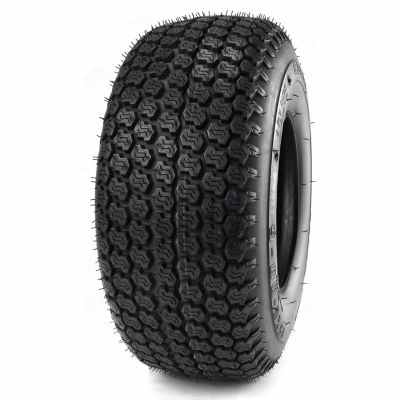
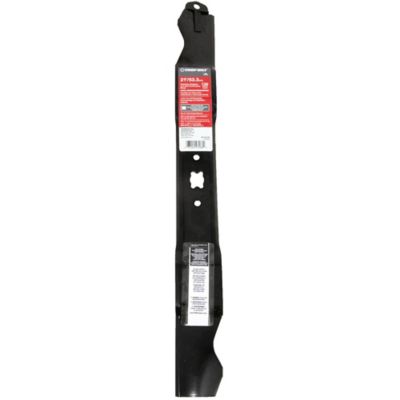
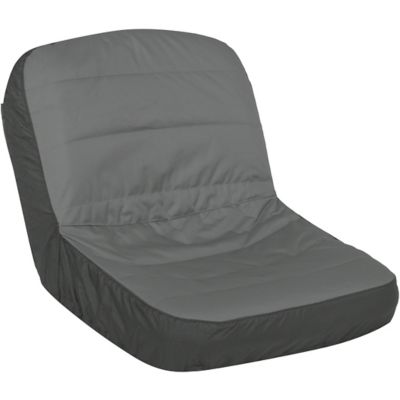
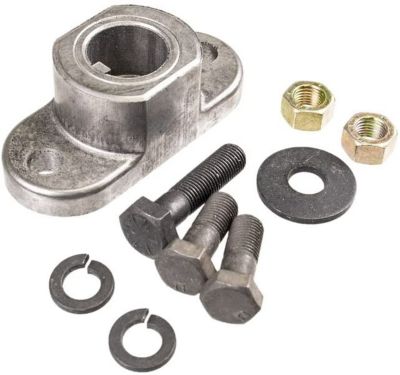
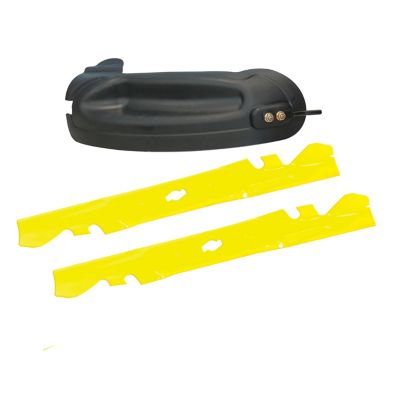
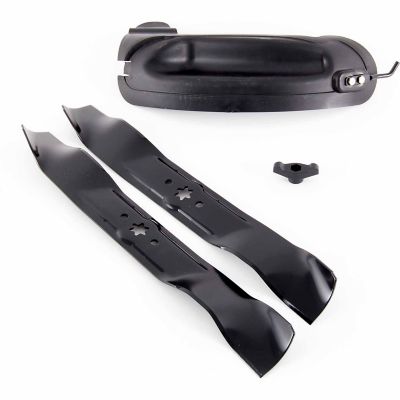
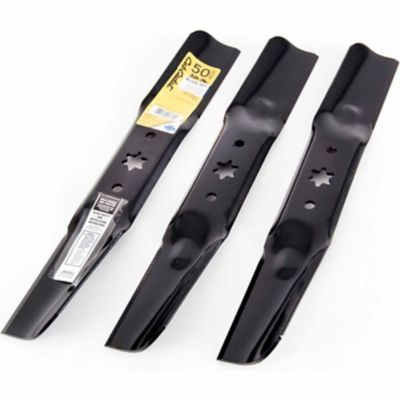
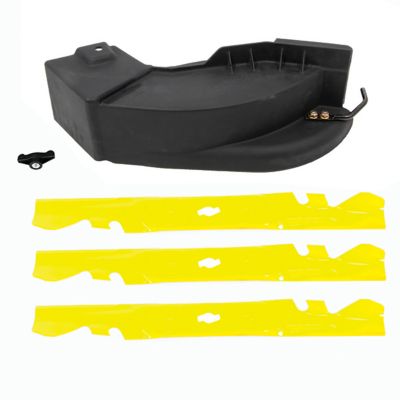
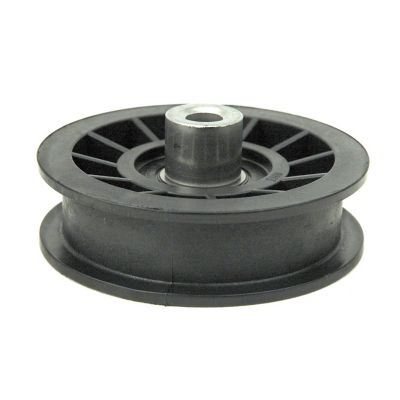
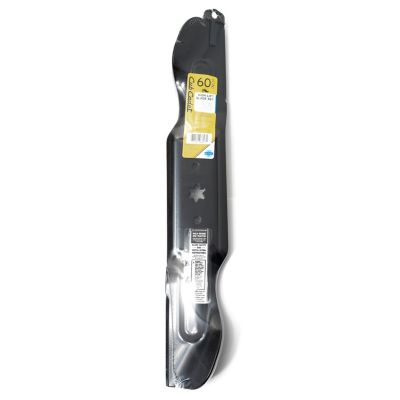
Keeping an MTD lawn tractor ready for the next round of mowing often comes down to having the right replacement part on hand. Over time, regular work across rough grass, sloped ground, leaves, and damp clippings can put wear on the cutting deck and drive system. Belts may stretch or crack, blades can become dull or nicked, and spindle assemblies, pulleys, idlers, and other moving parts may eventually need attention. Replacement MTD lawn tractor parts can help bring a familiar machine back into the routine, whether the tractor handles a small homestead, a broad rural lot, a pasture edge, or several acres around outbuildings. These parts may be useful for landowners who handle their own mowing, family members who share yard work, and anyone caring for a property where the grass keeps growing long after the first cool days arrive. They can also make a practical gift for a parent, neighbor, or friend who spends weekends keeping the place trimmed. A belt, blade, or deck component may not have the flash of a new tool, but it can save a trip to town when a mower is parked in the shed with work still waiting outside. Before shopping, start with the tractor’s exact model and serial information rather than relying on its color, deck size, or general appearance. The model and serial number plate is often found beneath the seat, under the rider hood, or along the rear frame, though its location can vary. Write down every letter and number, including dashes, spaces, and suffixes. A small difference in a model code can point to a different belt length, blade configuration, shaft style, or mounting pattern. If the owner’s manual is available, compare the part number printed there with the number on the component being replaced. A parts diagram can also help show how a belt routes around pulleys or how a deck assembly fits together. Taking a quick photo before removing a belt or pulley is a simple way to remember the original path, especially when the tractor has been sitting through the cooler months and the repair is picked up later.
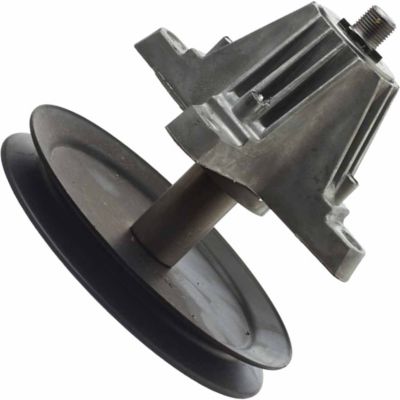
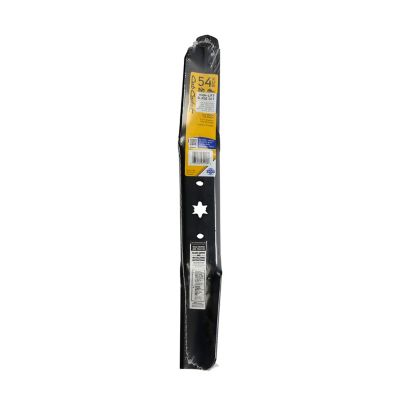
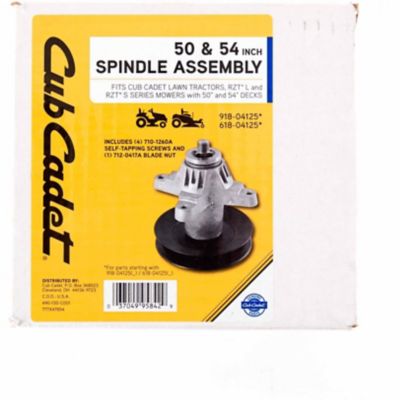
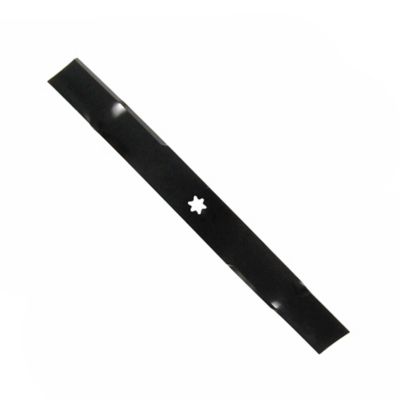
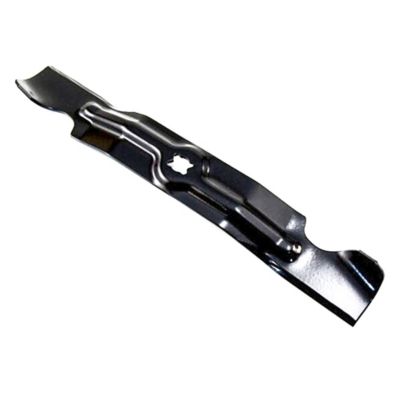
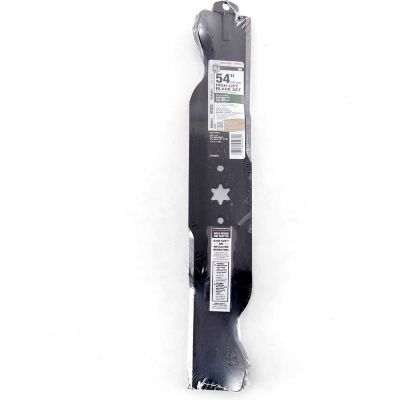
Matching the part to the tractor is only the first step. Take a close look at the condition of the surrounding components before placing an order. A worn belt may point to a pulley that is not turning freely, while uneven cutting can come from a dull blade, a bent blade, a spindle issue, or a deck that is packed with grass. Check belt edges for fraying, glazing, cracks, or loose strands. Inspect blades for rounded cutting edges, bends, and heavy nicks, and make note of the blade length, center-hole style, and direction of rotation. When looking at spindle assemblies, compare the shaft shape, mounting holes, bearing arrangement, and deck position. Keep the tractor’s deck width and drive layout in mind, since parts that appear similar can still fit differently. For routine care, clear grass from beneath the deck after the tractor has cooled, keep lubrication points serviced according to the owner’s manual, and store removed hardware in a small container so nothing rolls beneath a workbench. Always park on firm, level ground, switch off the engine, remove the key, and follow the manual’s safety steps before inspecting or replacing a part. Gloves and eye protection are helpful when clearing packed clippings or handling blades, and lifting a deck or tractor component is often a two-person job. During early fall, a fresh set of cutting components can help finish remaining mowing while leaves begin to cover the lawn. As temperatures drop, a belt or spindle replacement may be a sensible way to prepare the tractor for storage and reduce the chance of finding a stalled machine when the grass starts growing again. Keep spare parts in a dry place away from fuel, fertilizer, and direct weather exposure, and retain the package information until installation is complete. Shoppers looking for parts for another mower line can also browse
Yard Machines Lawn Mower Parts. With the model number in hand, careful measurements, and a little attention to how the original assembly fits together, it is easier to narrow the selection and keep regular property work moving.