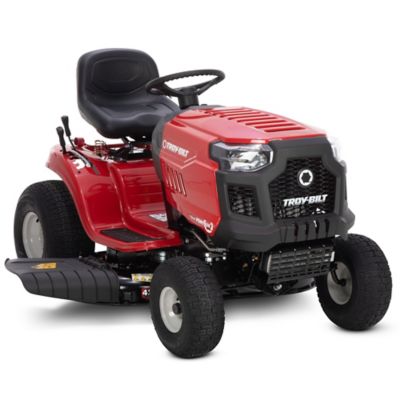
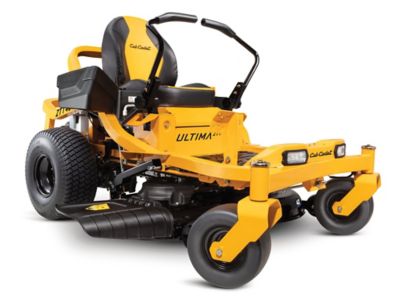
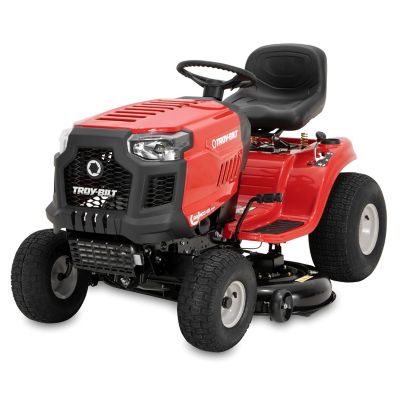
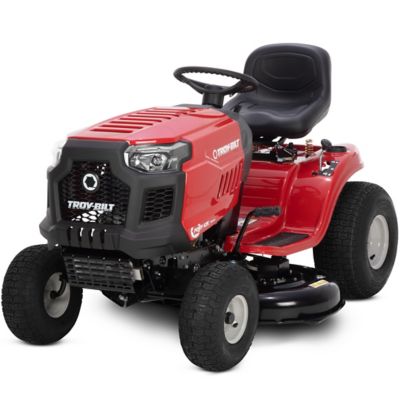
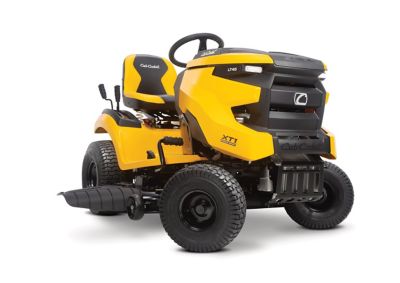
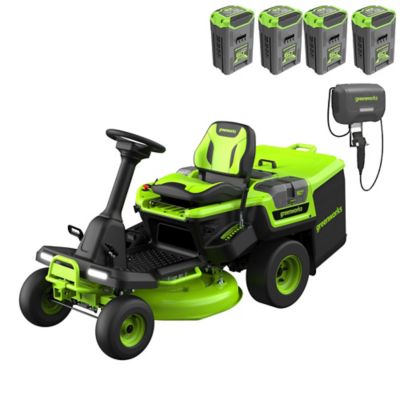
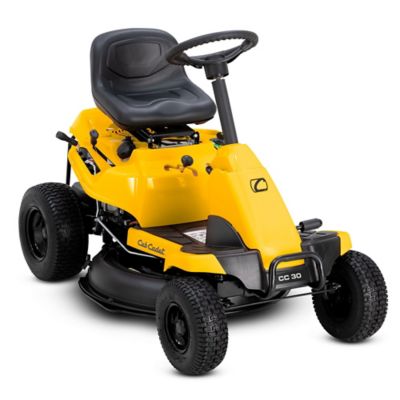
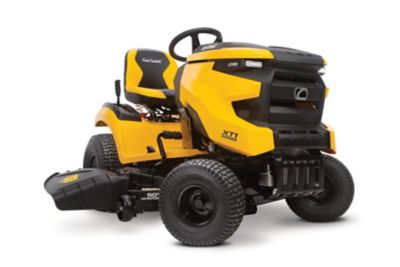
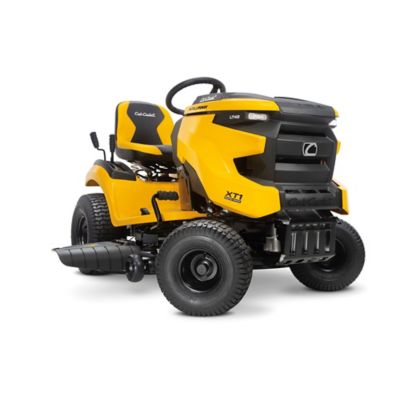
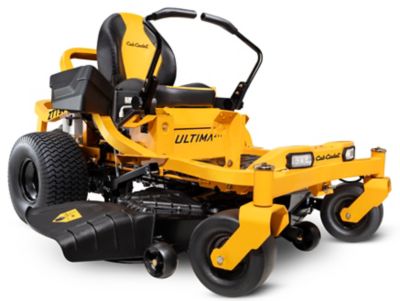
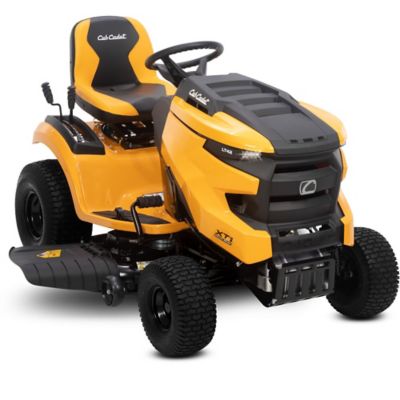
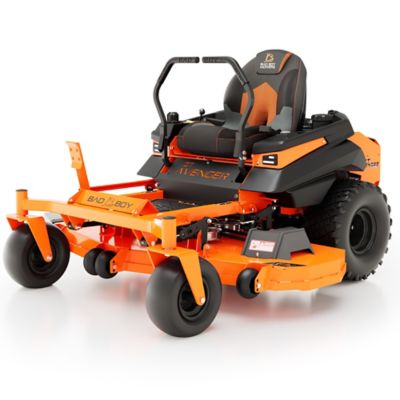
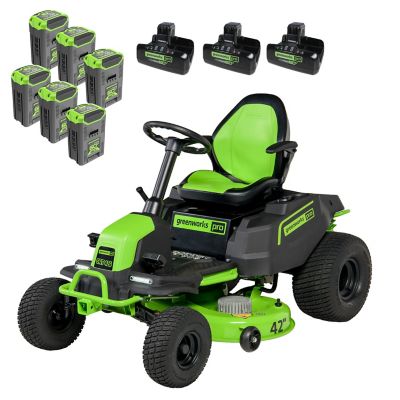
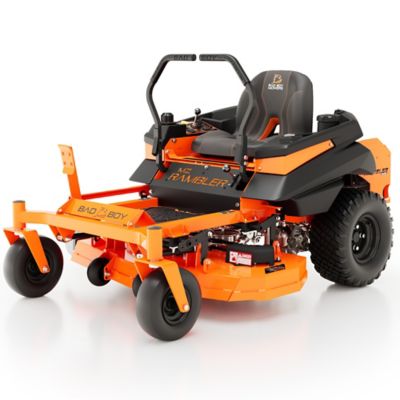
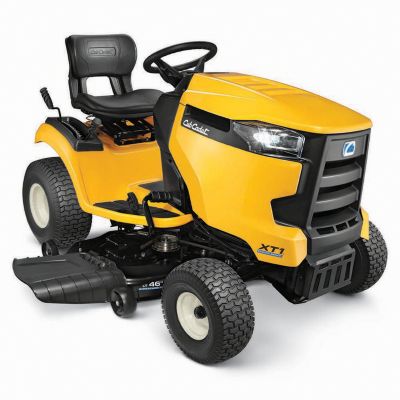
A Yard Machines riding mower can make a big difference when the lawn stretches beyond the reach of a walk-behind mower. Instead of spending a long afternoon pushing across open grass, you can settle into the seat, set a comfortable pace, and cover more ground with less strain. These mowers are a practical fit for homeowners with broad yards, acreage around a country home, long stretches between the house and fence line, or several separate grassy areas to maintain. They can also be useful for small property owners, landlords, and anyone helping an older relative keep up with routine mowing. A riding mower may be a thoughtful gift for a new homeowner with land to care for, especially when a dependable way to handle the lawn can save hours of work during the growing season. When comparing options, start with the size and layout of the property. A compact cutting deck, often around 38 inches, may be easier to guide through narrower gates, around landscaping, and between outbuildings. A deck closer to 42 inches can help cover a wider path with each pass on more open ground. Measure gates and storage doors before choosing, and leave enough room to park and service the mower safely. Consider the terrain, too. Relatively level lawns are generally well suited to entry-level riding mowers, while steep slopes, rough ground, wet areas, and hidden obstacles call for extra care and may require a different type of equipment. Look for a comfortable seat, easy-to-reach controls, a clear view of the cutting area, and a turning radius that matches the number of trees, garden beds, posts, and corners on the property.
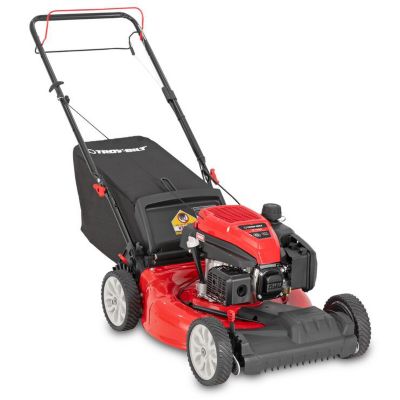
Engine size and transmission are also worth weighing against the work at hand. Riding mower engines commonly fall in a range of roughly 13 to 20 horsepower, although the right choice depends on deck width, grass conditions, terrain, and how often the mower will be used. More power can be helpful when mowing thick growth or working across a larger property, but a larger engine is not automatically the best fit for every yard. A manual transmission gives the operator direct control over gear selection and can suit someone who prefers a straightforward, familiar setup. Automatic or semi-automatic drive systems may feel simpler for frequent changes in speed, tight turns, and areas that require a slower approach. Pay attention to the cutting-height range and adjustment method, since grass may be kept taller during dry stretches and trimmed shorter when conditions are favorable. A sturdy frame, dependable steering, a comfortable footrest, and a deck that is easy to inspect can make regular lawn care feel less like a chore. Before purchase, check the fuel system, battery location, tire condition, belt and pulley access, and the availability of replacement parts and service support for the mower you are considering. If looking at a pre-owned or serviced machine, ask about its maintenance history and inspect for cracked belts, bent deck components, loose steering, oil leaks, damaged wiring, and uneven tire wear. A mower that starts readily, runs smoothly, and cuts evenly is a much better value than one that only looks clean from a distance. For smaller lawns or areas where a riding mower would be more machine than needed, a
Yard Machines 21 Push Mower may be a better match for the job.
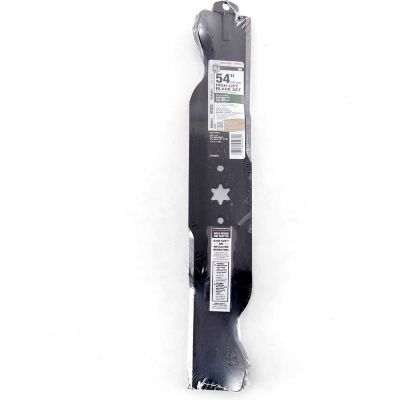
Regular care helps a riding mower stay ready when the grass takes off. Before each use, walk the property and remove sticks, wire, stones, toys, and other objects that could be thrown by the blades or damage the deck. Check the engine oil, fuel level, tire pressure, and visible belt condition, then make sure the parking brake is engaged and the blade engagement control is fully switched off before starting. Many no-start issues come from a safety switch doing exactly what it was designed to do, so confirm that the operator is seated properly, the brake is set, and the blades are disengaged. If those steps do not solve the problem, a weak battery, loose ground connection, faulty ignition switch, damaged wire, or starter solenoid may be involved and should be inspected by someone comfortable with mower electrical systems. Keep the underside of the deck clear of packed grass, particularly when mowing damp growth, and allow the engine and exhaust to cool before cleaning or servicing. Sharpened, balanced blades help leave a cleaner cut, while worn blades can tear the grass and leave a ragged, brown-looking lawn. During the warmer part of the growing season, mow often enough that the deck does not have to handle an excessive amount of material at once. As weather turns cooler and mowing slows, clean away grass and debris, change fluids according to the maintenance schedule, inspect belts and pulleys, and store the mower under cover on a dry, level surface. A charged battery, stabilized fuel, protected tires, and a quick inspection before storage can make the next start much easier. Whether the property has a broad back field, a few acres around a farmhouse, or a large suburban lot, choosing the right deck size, power level, transmission, comfort features, and service plan helps turn routine lawn care into steady, manageable work.