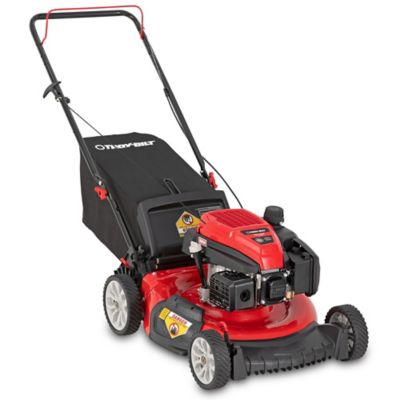
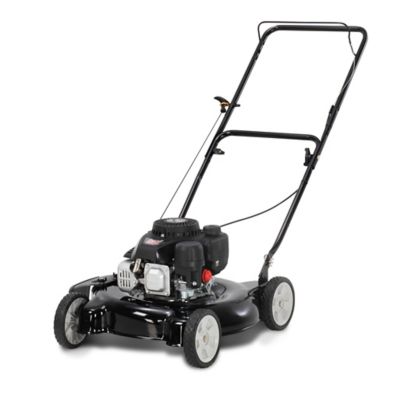
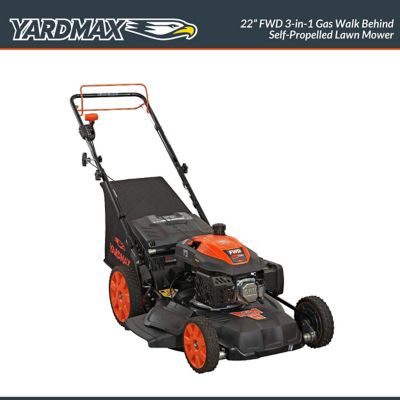
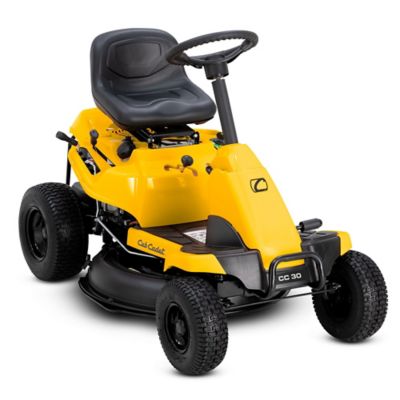
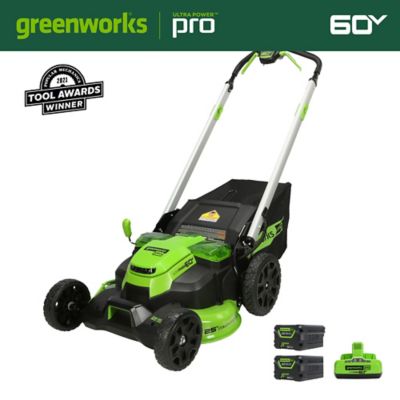
Lawn mowers handle everything from a small patch beside the porch to broad stretches of grass around a farmhouse, and the best fit depends on the ground, the obstacles and the person behind the controls. A walk-behind mower can make sense for a yard with narrow gates, close-set trees or several separate grass areas. Push models rely on the operator to move the machine, while self-propelled models add powered wheel movement that can take some effort out of longer passes. Riding mowers and lawn tractors provide a seated option for larger mowing areas, though turning space and access still matter. A wide cutting deck can cover more ground with each pass, but it also needs room between fence posts, garden beds and outbuildings. A narrower deck may mean more passes across an open lawn, yet it can be easier to maneuver around a clothesline pole or along a winding border. Cutting width is only part of the fit: overall machine width, including the discharge chute in its operating position, determines whether a mower can pass through an opening. Flat, open turf presents a different job from uneven ground with shallow ruts, exposed roots and tight corners. Wheel size, drive arrangement and steering layout all affect how a mower feels across those areas. Grass type and the preferred finished height matter, too, so the deck’s adjustment range deserves a look alongside its width. For a homeowner tending the grass around a house, a caretaker maintaining several lawn areas or a landowner keeping the yard separate from pasture, the goal is a machine matched to maintained turf. Lawn mowers are not a substitute for equipment intended to clear woody growth, heavy brush or rough pasture. Matching the mower to the actual mowing area helps keep the work manageable without asking the machine to tackle ground or vegetation beyond its intended purpose.
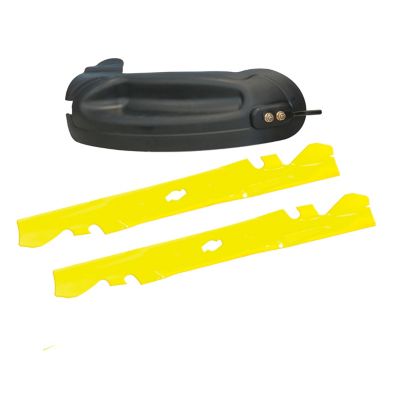
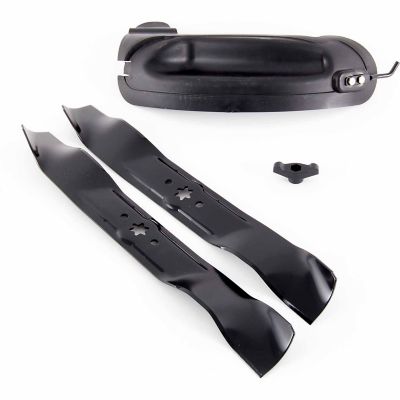
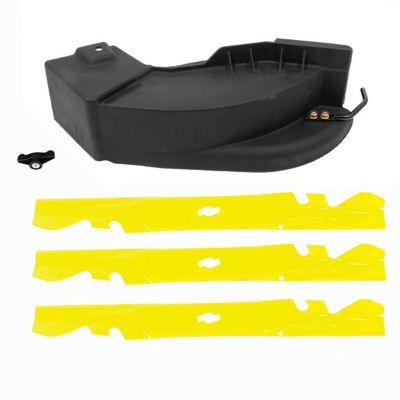
Construction and operator fit have a lot to do with how a mower handles regular chores. Steel cutting decks need attention where paint gets scraped, especially along lower edges that meet gritty grass clippings and soil. Deck shape and clearance influence how material moves beneath the machine, while wheels, bearings and mounting points carry the loads that come with travel over uneven turf. A sturdy-looking deck alone does not tell the whole story; access for cleaning, adjustment and routine service matters over the life of the mower. Grass-handling features also change the mowing experience. Side discharge sends clippings back across the lawn, mulching systems recut clippings beneath the deck, and bagging systems collect material for removal. These arrangements depend on compatible components, and not every deck supports every setup. Collection containers add emptying stops and need room for removal, which matters when mowing beside a fence or parking in a tight shed. On walk-behind equipment, handle height, grip placement and the effort needed to operate the drive controls can make a noticeable difference during a long stretch of mowing. On riding equipment, seat adjustment, pedal reach, steering clearance and a clear view of the cutting path help the operator stay comfortably positioned. Controls should be within easy reach without stretching or leaning away from the normal operating position. Traction and slope limits deserve equal attention: a self-propelled drive or riding platform does not make every hillside suitable for mowing. The operator’s manual sets the limits for the machine, including slope direction, safe operating conditions and attachment use. A yard with a ditch bank, pond edge or steep drop-off may need another approach in those areas. Keeping people, pets and livestock clear of the work area matters as much as the mower’s size, especially where stones, sticks or other loose objects could enter the cutting path.
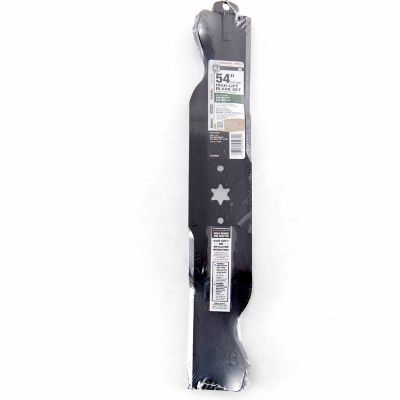
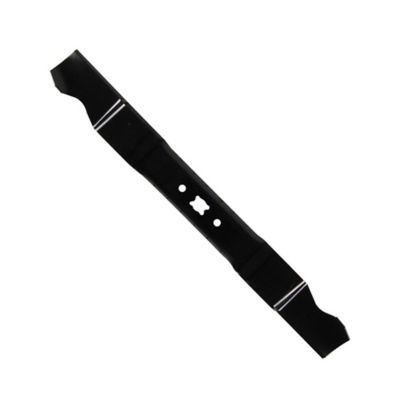
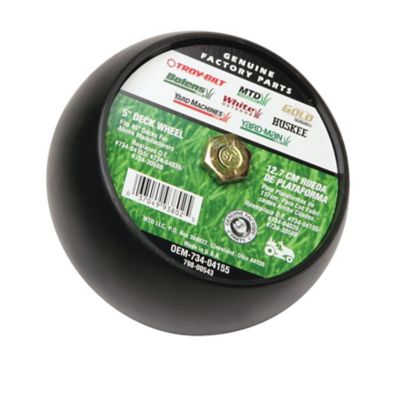
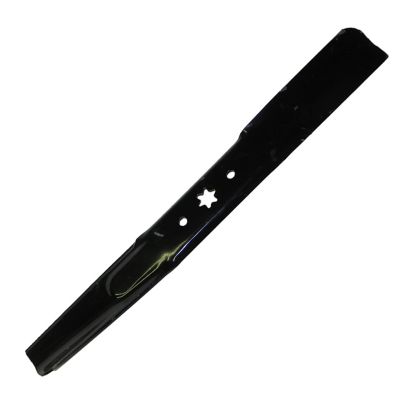
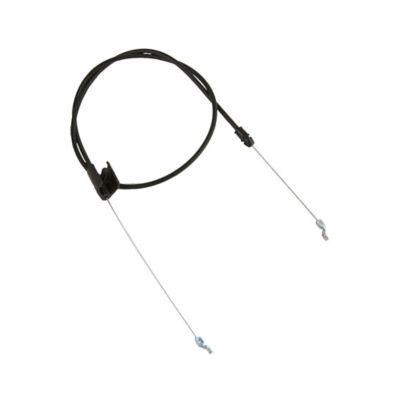
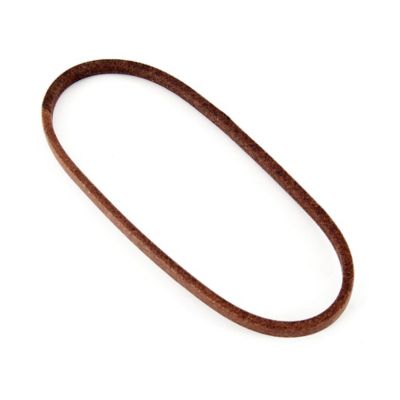
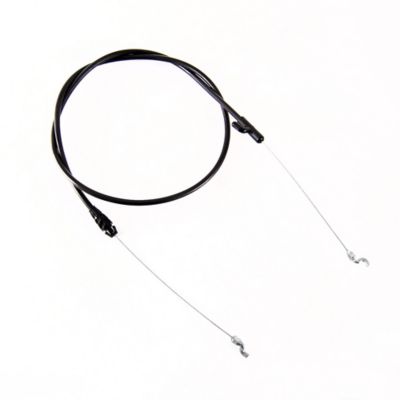
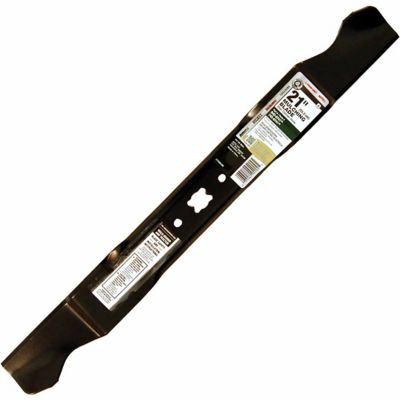
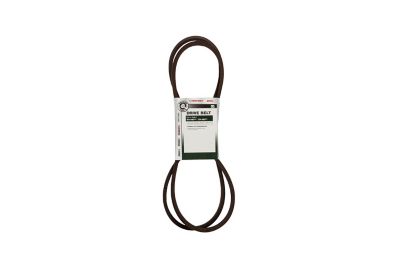
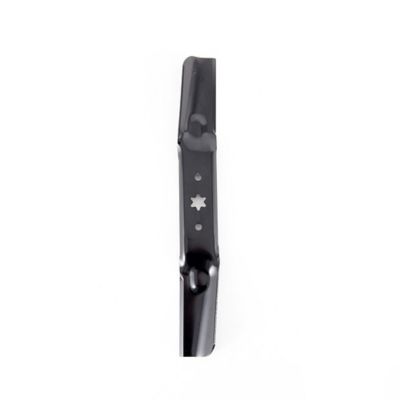
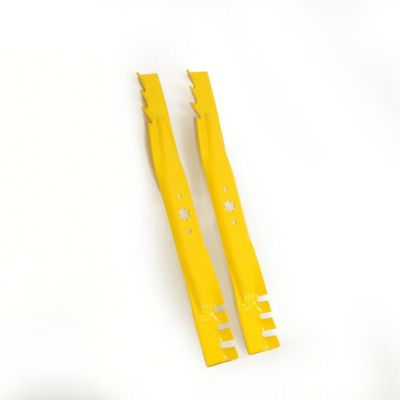
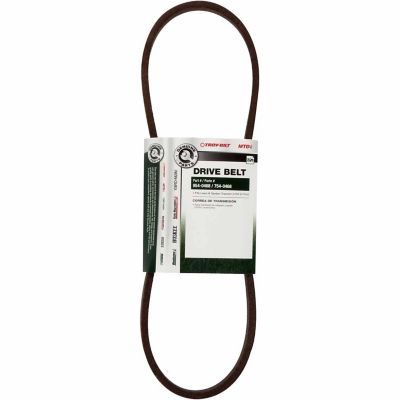
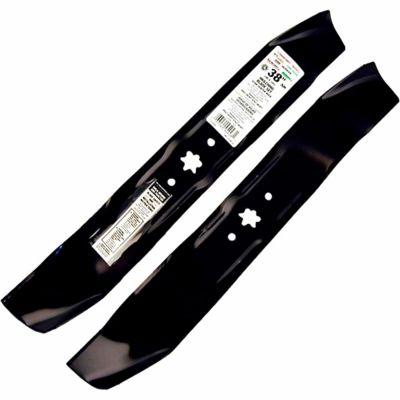
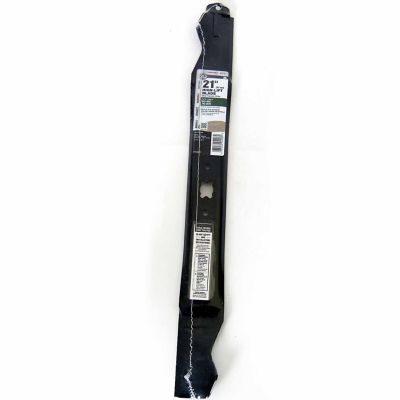
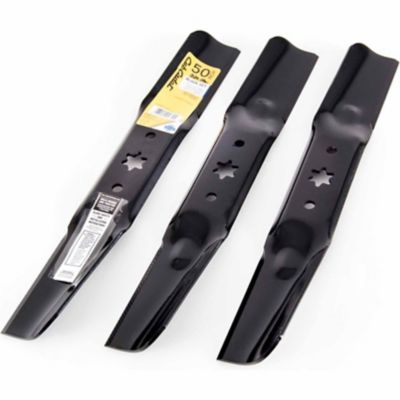
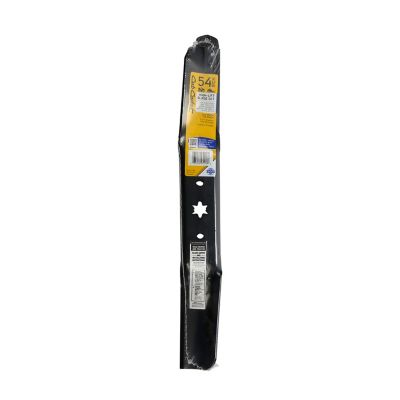
Long-term ownership also includes keeping the engine, cutting system and drive components in working order. Service needs vary by power source and machine design, so maintenance schedules and replacement specifications belong with the mower’s manual rather than a guess based on appearance. Gas-powered equipment may call for engine oil, air filtration, spark plug service and fuel-system care, while battery-powered equipment has its own charging, connection and storage requirements. Blades, belts, cables, wheels and deck hardware have separate fit requirements, even when two mowers look much alike. For a lawn tractor, the full model number and serial number are important starting points when matching components through
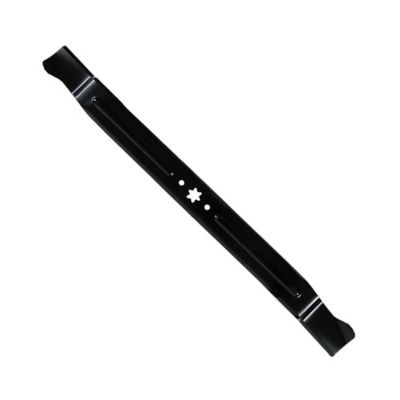
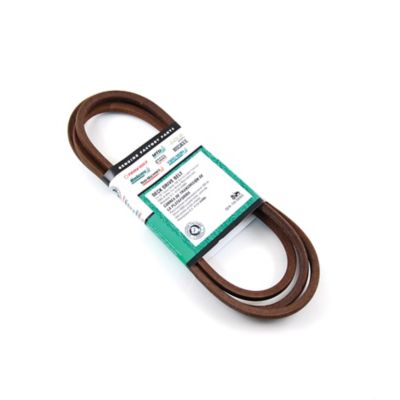
MTD Lawn Tractor Parts. The engine identification can help with engine-related service, but it may not identify the correct belt, spindle or blade for the cutting deck. Deck width by itself is not enough to confirm a match, either; mounting patterns, blade openings, belt routing and production variations can affect compatibility. Keeping the identification information with service records makes later maintenance less of a chore. Blade condition deserves particular attention because a bent or heavily worn blade can affect cutting performance and create vibration. Packed clippings beneath the deck can interfere with grass movement and hold moisture against metal surfaces, while debris around cooling areas can restrict airflow. Cleaning and inspection should follow the manufacturer’s directions, with the mower shut down and protected against accidental starting before any service. Storage space matters, too: enough room to park on a suitable surface, protect electrical connections and reach service points makes routine care easier to keep up with. Fuel handling, battery charging and any work beneath a raised machine require the precautions specified for that equipment. A mower that fits through the gate, suits the mowing area and leaves room for proper upkeep is better matched to everyday chores than one chosen by cutting width or engine size alone.