Fish feeders dispense food into an aquarium or pond, helping keep feeding routines on track when chores, work, or a trip take you away from home. An automatic fish feeder pairs a food container with a powered dispensing mechanism and a timer, releasing portions at scheduled intervals. Small aquarium feeders generally handle flakes, granules, or small pellets, while pond fish feeders hold larger amounts of pellet feed and deliver it over a broader area. The right match starts with the fish, the feed they eat, and the space where feeding takes place. A tank of small community fish needs a different portion size and delivery pattern than a farm pond managed for supplemental feeding. For aquarium owners, a compact feeder can take care of a feeding while everyone is at work or school without asking someone to stop by. On acreage, a pond feeder can reduce trips to the water’s edge with a feed bucket and help concentrate feeding activity in a place that is easy to observe. That convenience still goes hand in hand with regular checks on fish behavior, water conditions, and the feeder itself. Automatic feeding does not replace tank maintenance or pond management, and a large hopper is not a reason to offer more food than fish can consume. Feed left floating untouched or settling to the bottom can add waste to the water. Adjustable portions and programmable schedules make it easier to match delivery to a sensible feeding plan, though the adjustment method varies by design. Some feeders meter food through an opening, some rotate individual meal compartments, and others run a dispensing motor for a set length of time. For a household aquarium, a backyard pond, or a larger fishing pond, the most useful features are the ones that fit the daily routine without making refilling, checking settings, or watching fish eat a bigger chore.
Aquarium fish feeders need to fit both the tank and the food. Rim-mounted designs depend on the thickness and shape of the aquarium edge, while other mounting arrangements need a stable surface near an opening in the lid. Clearance matters: the food outlet needs room to release a portion into the water rather than onto a glass cover, light fixture, or filter housing. A secure mount also keeps the feeder from shifting during routine tank care. Food compatibility deserves just as much attention as mounting fit. Flakes can settle differently from pellets, and changes in particle size can change how much food passes through the same opening. A feeder intended for dry food should not be assumed suitable for frozen, wet, or live food. Rotating drums offer adjustable dispensing openings on some designs, while compartment-style feeders separate portions before the feeding cycle begins. Neither approach removes the need to check the amount actually delivered. A test portion caught in a clean container gives a clearer picture than a timer setting alone, especially after switching feeds. Around a tank, splashing and humid air can cause dry food to clump, so hopper placement, lid fit, and the distance from aeration outlets all matter. Plastic housings keep many small feeders lightweight, but a snug lid, sound mounting hardware, and accessible controls contribute more to everyday convenience than looks alone. Battery operation can simplify placement, while rechargeable or plug-in designs bring different charging and cord-routing needs. Where cords are present, manufacturer directions for safe placement around water are important. Clearly marked controls, a visible food level, and a manual dispensing function can make routine checks simpler. For a family sharing fish-care duties, being able to see the schedule and confirm whether a meal has already been delivered helps prevent an extra handful of food from following an automatic feeding.
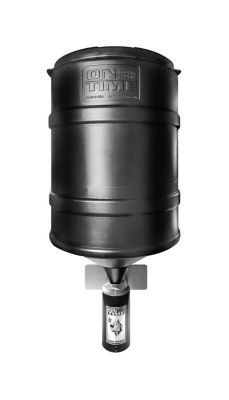
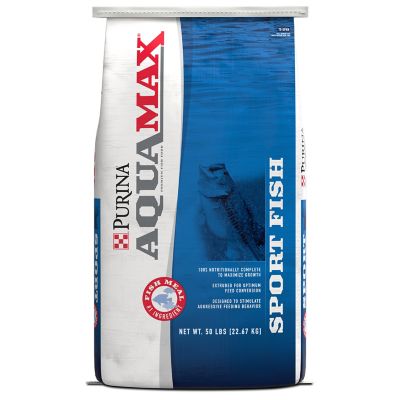
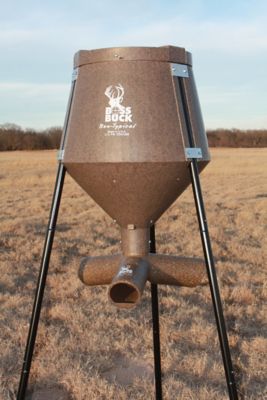
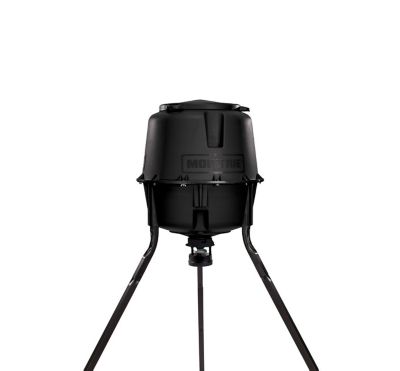
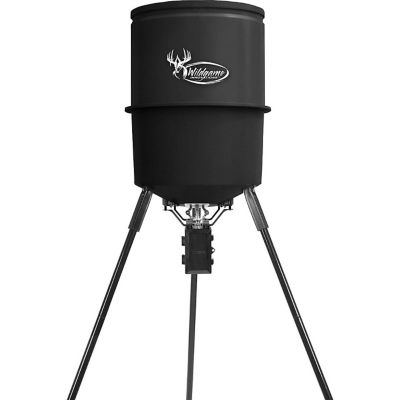
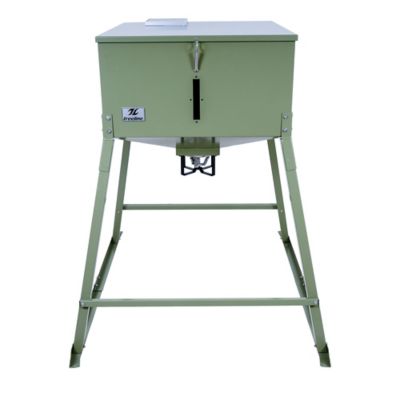
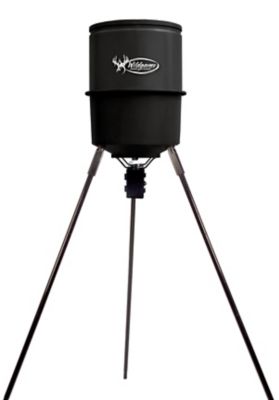
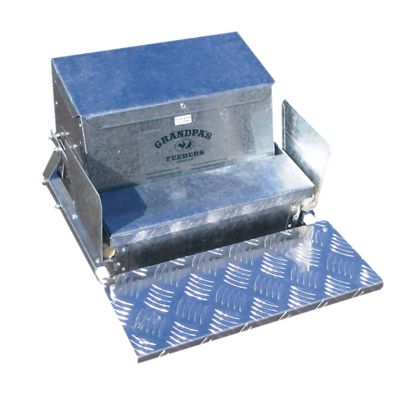
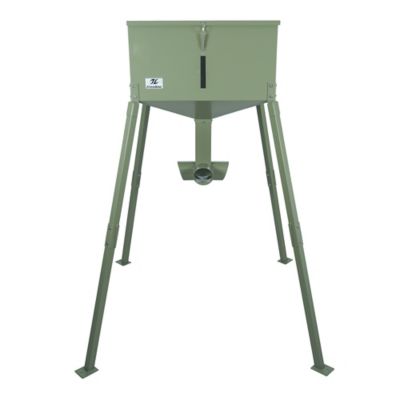
Pond fish feeders bring the same scheduling concept to a much larger feeding area. Directional designs project feed away from the bank or dock, helping place pellets in open water rather than dropping them along the shoreline. Other dispensing patterns may suit different mounting locations, so the shape of the pond edge, water access, and the intended feeding zone all influence the fit. A feeder beside a narrow dock needs a different footprint and mounting arrangement than one set on a level stretch of bank. Hopper capacity matters, but capacity alone does not tell how long a fill will last; portion size, feeding frequency, and the feed itself determine that. Feed weight ratings also depend on the material in the hopper, so container volume and the manufacturer’s stated feed specifications deserve attention together. Metal housings, protective finishes, and molded plastic components each bring different care requirements. Well-fitting lids, enclosed controls, corrosion-resistant hardware, and sturdy supports help protect the feed and operating parts in a waterside setting. Feed dust and pellet fragments can collect around dispensing components, making access for inspection and cleaning an important consideration. A wide fill opening and a lid that stays safely out of the way can make handling a feed sack less awkward, especially where footing or reach is limited. Battery-powered systems need routine charge checks, and solar charging arrangements need suitable panel placement without shade from trees or nearby structures. Secure installation matters anywhere children, livestock, or other animals can reach the equipment. For pond owners managing supplemental feeding, consistent delivery is most helpful when paired with observation: fish response and uneaten pellets tell more about the feeding routine than hopper size does. Folks tending both a pond and a flock may also find
Poultry Feeders helpful for keeping separate animal-care chores organized. Across aquarium and pond setups, a feeder earns its place through straightforward operation, manageable upkeep, and a good match between the food, the fish, and the feeding location.