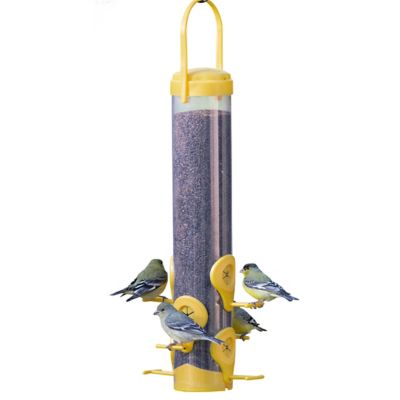
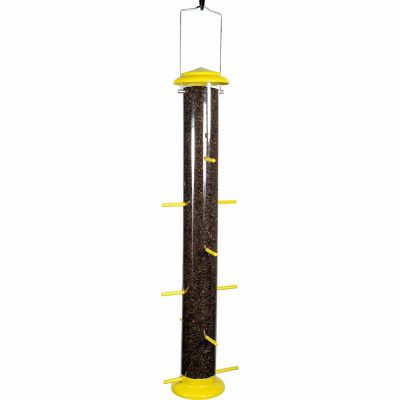
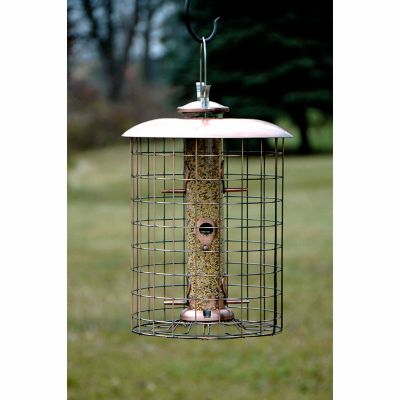
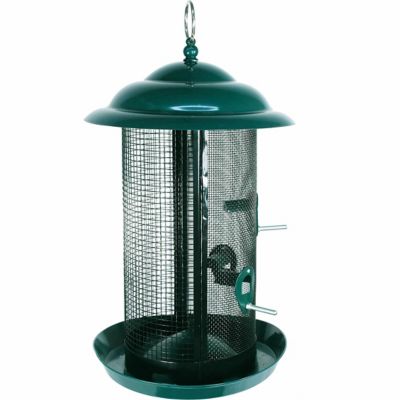
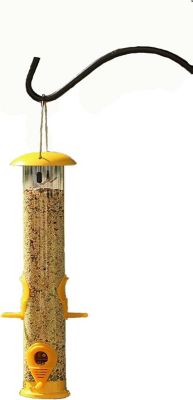
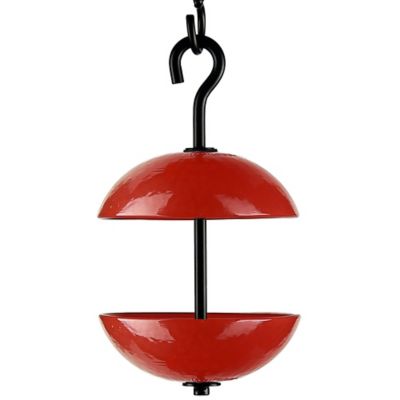
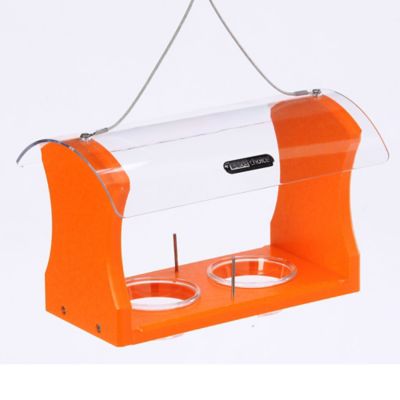
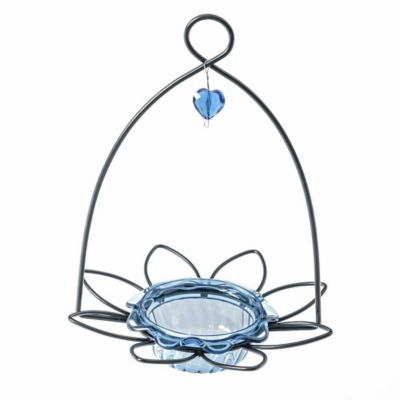
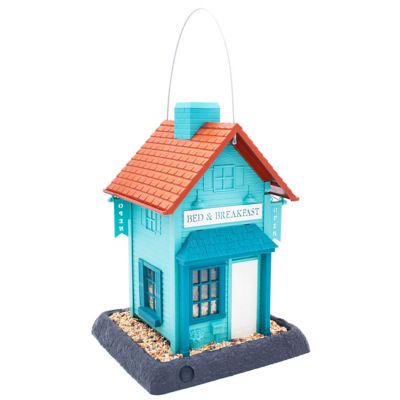
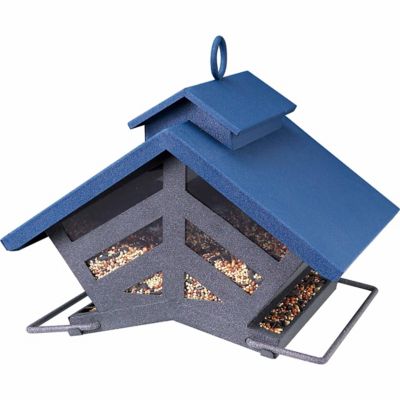
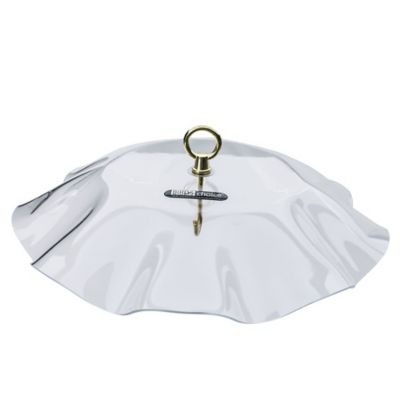
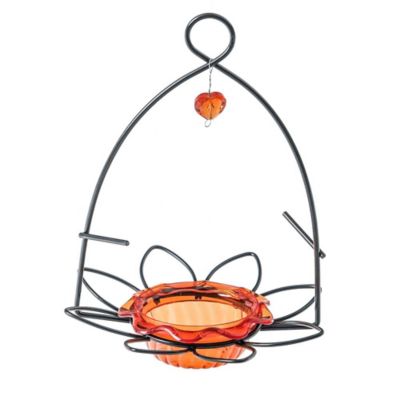
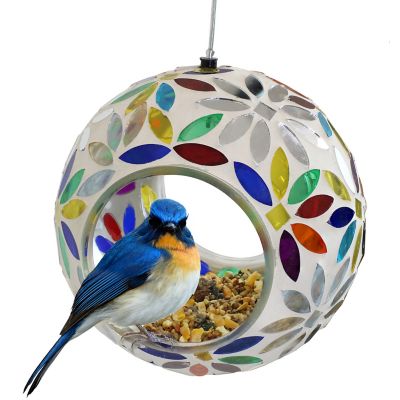
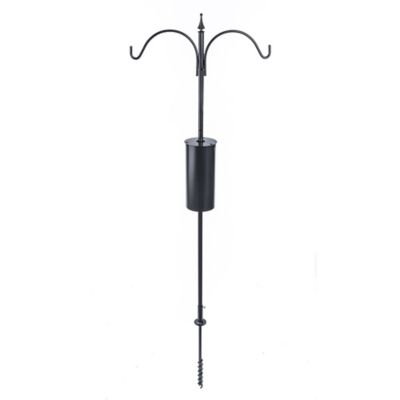
A finch feeder gives small, lively songbirds a dependable place to find the fine seed they prefer, while bringing a little color and motion to a porch, garden, or open stretch of yard. American goldfinches, house finches, purple finches and pine siskins may visit, depending on your area, habitat and season. Goldfinches are especially easy to recognize when the males show off bright yellow feathers, but even a plain winter coat can look striking when a bird clings upside down to a feeder and works steadily at the seed. Unlike general bird feeders made for larger mixed seed, finch feeders are designed around small-billed birds and tiny seed such as Nyjer, often called thistle seed, or fine sunflower chips. Common styles include narrow mesh feeders that let birds hold on from several angles, tube feeders with small openings and short perches, and simple fabric socks that are lightweight and easy to hang. Mesh and screen designs can accommodate several finches at once, which is handy when a flock arrives together, while a tube shape may help limit access from larger birds. Fabric feeders are a practical choice for a small yard, balcony or first-time bird watcher, though they need regular attention so the seed stays dry and the material remains in good shape. When choosing a finch feeder, think about where it will hang, how much seed you want it to hold, and how often you can refill and clean it. A covered top or weather-resistant construction helps shield seed from rain, while ventilation around the seed area can help prevent trapped moisture. Fine Nyjer seed can clump and spoil when it gets wet, so a sheltered location and a feeder that drains well are worth considering. Look for sturdy hanging points, smooth edges and openings that are easy to inspect. If squirrels or larger nuisance birds are active around your property, a slim design without a broad platform or tray may make it harder for them to settle in. Hanging the feeder near shrubs or small trees gives finches a nearby place to perch and take cover, but leave enough open space that you can see the birds and keep cats from using the vegetation as a hiding spot. A distance of several feet from natural cover often works well, and a window location should be chosen with bird safety in mind rather than simply placing the feeder right against the glass. For more ideas about choosing a feeder for different birds and yard setups, visit
Best Bird Feeder.
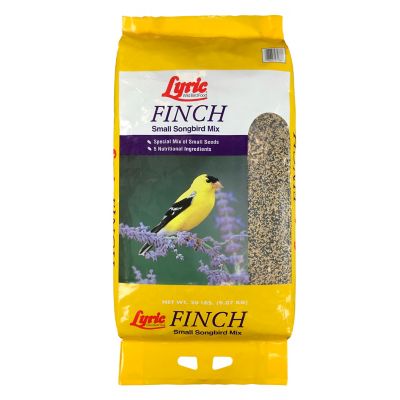
Finch feeders are a good fit for anyone who enjoys a backyard full of birds, from a seasoned bird watcher keeping a life list to a family looking for an easy way to notice nature close to home. They also make a thoughtful gift for a new homeowner, gardener, grandparent, teacher, neighbor or friend who likes spending time outdoors. A feeder can turn an ordinary kitchen window into a front-row seat: a flash of yellow in the morning light, a soft flutter of wings in the brush, and the quick chatter of several birds taking turns at the seed. As the weather warms, place the feeder where you can watch without disturbing the birds, and keep an eye on seed levels as natural food sources change around the yard. During cooler months, dependable food and fresh water can make a feeding station especially active, though finches may come and go as local conditions and migration patterns shift. Fill the feeder with dry Nyjer or another fine seed recommended for finches rather than large corn, whole peanuts or coarse mixed seed that small birds cannot handle easily. Sunflower chips are another useful choice because they are already hulled and simple for small bills to pick up, but always follow the seed label and avoid filling more than the birds can eat before it loses freshness. A smaller feeder filled often is usually better than one left packed with old, damp seed. Check the feeding ports, bottom and hanging hardware whenever you refill, and brush away wet or compacted seed. Periodic washing with hot, soapy water followed by thorough rinsing and complete drying helps keep the feeding area in better condition. Give the feeder a chance to dry before adding fresh seed, and clean the ground beneath it as needed so discarded hulls and damp seed do not build up. If birds appear sluggish, the feeder smells musty or seed looks moldy, remove the old food and clean the feeder before putting it back out. It is also smart to offer several feet of space between feeders if you maintain more than one station, helping reduce crowding and giving birds room to move. Keep cats indoors or away from the feeding area, and watch for window reflections that can make glass difficult for birds to see. With the right seed, a dry and accessible design, and a little routine care, a finch feeder can provide a simple, rewarding way to enjoy backyard wildlife through changing weather and all the everyday seasons of outdoor living.