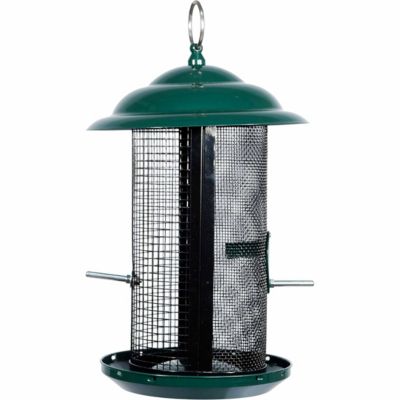
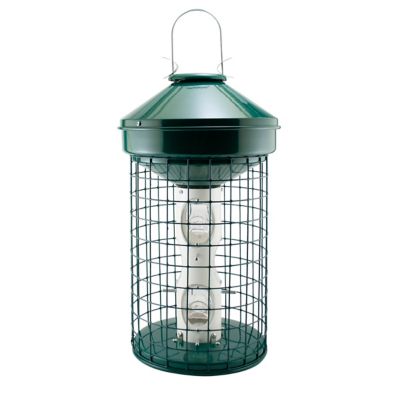
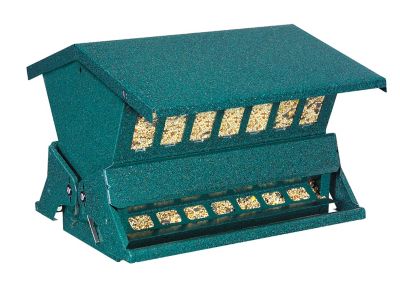
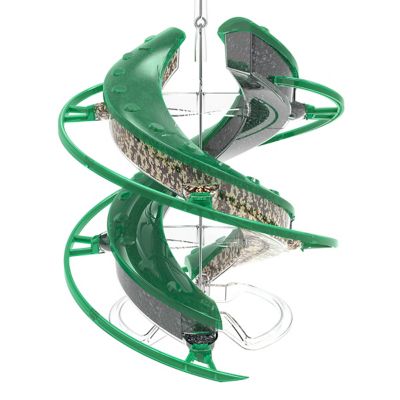
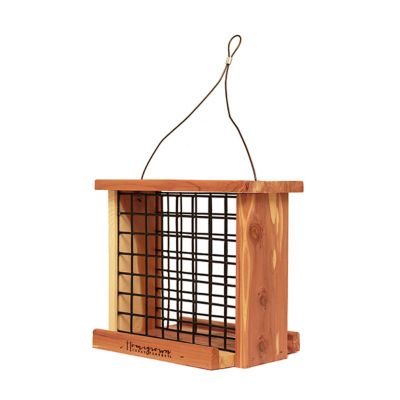
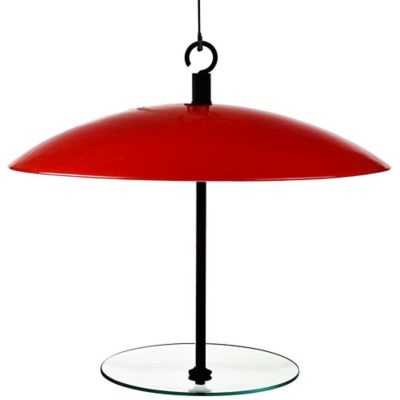
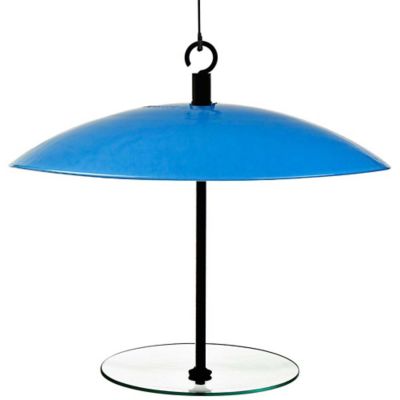
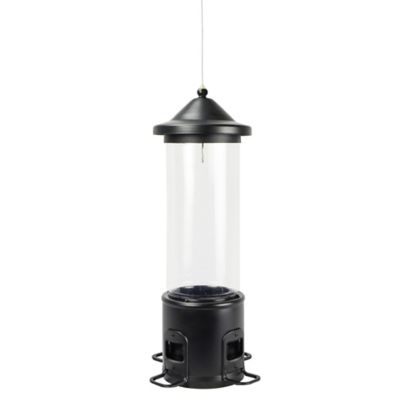
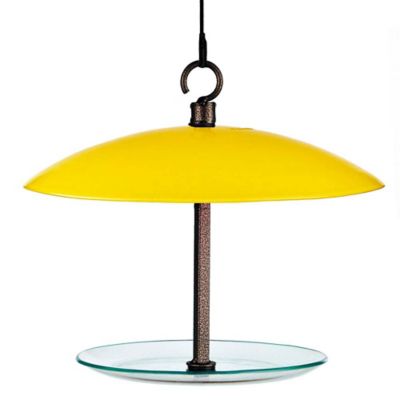
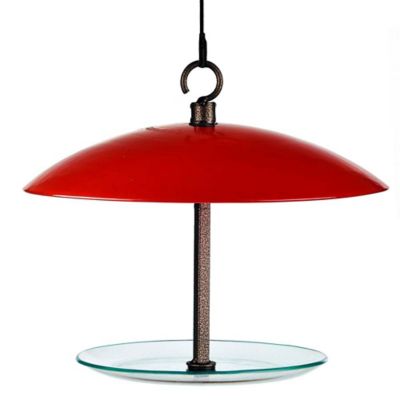
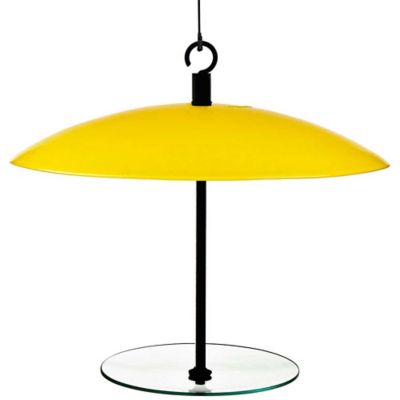
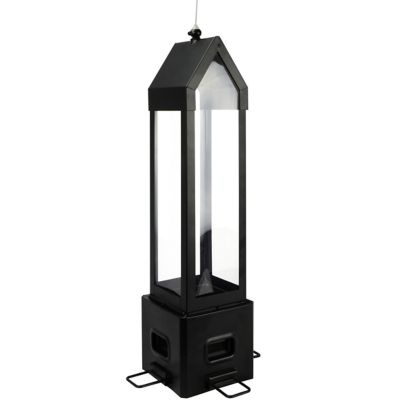
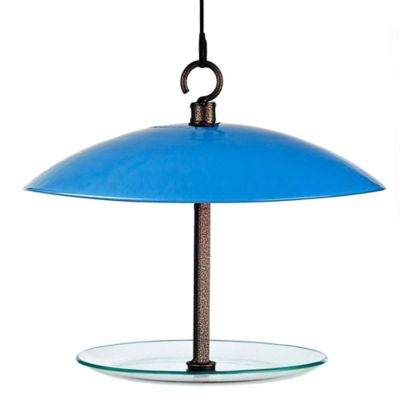
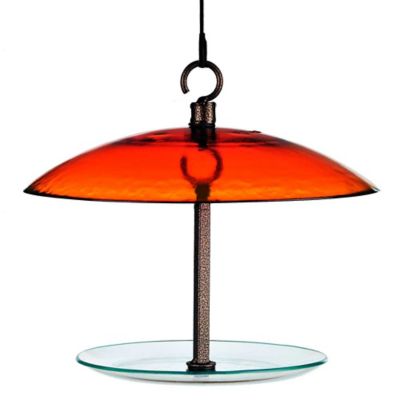
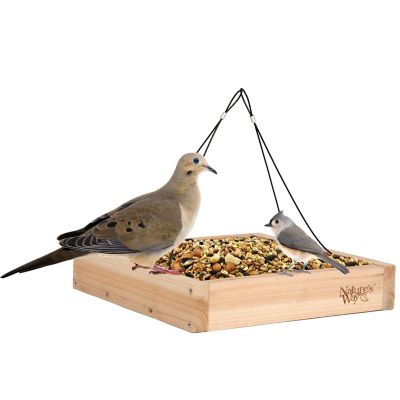
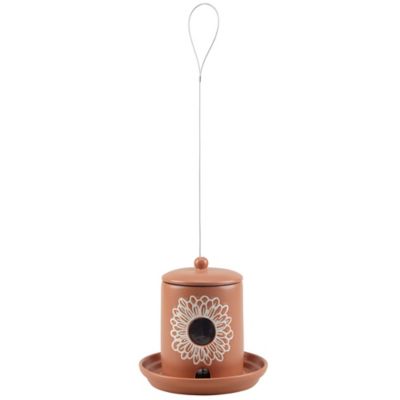
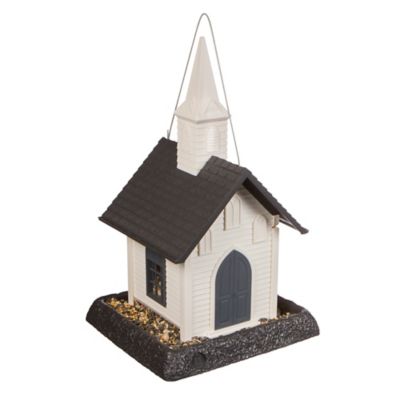
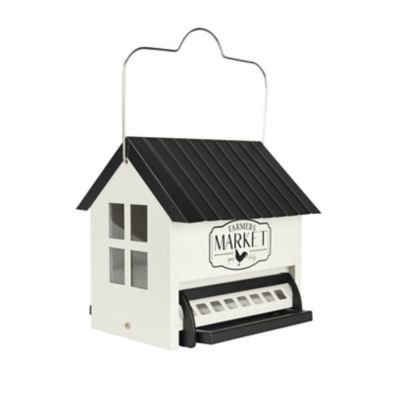
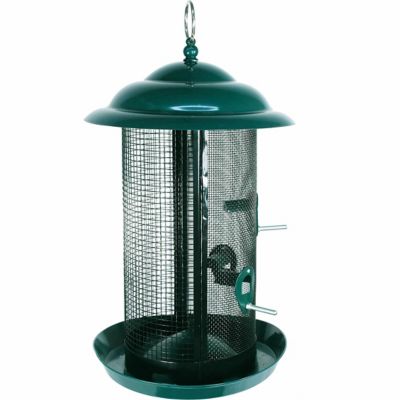
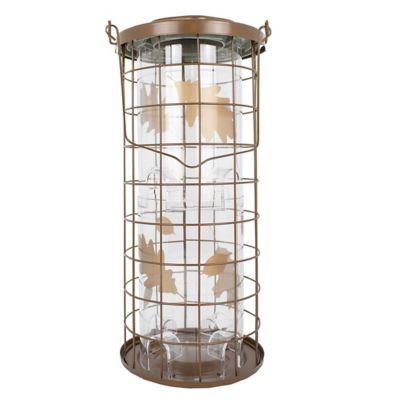
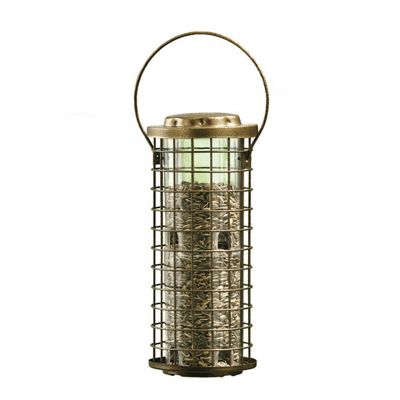
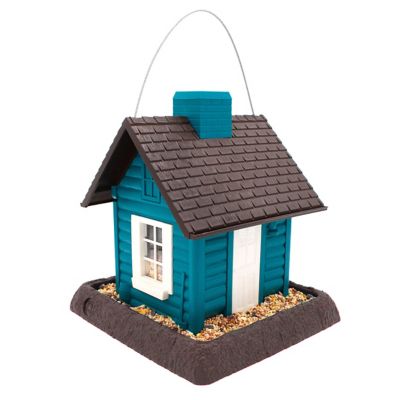
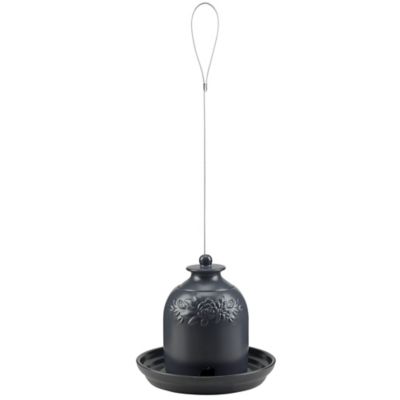
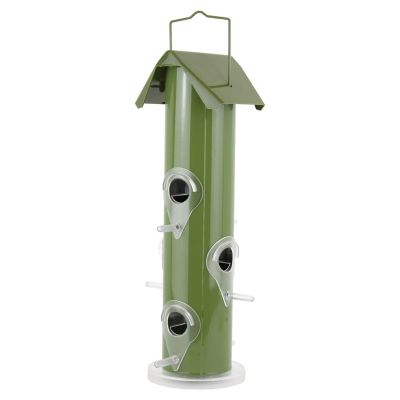
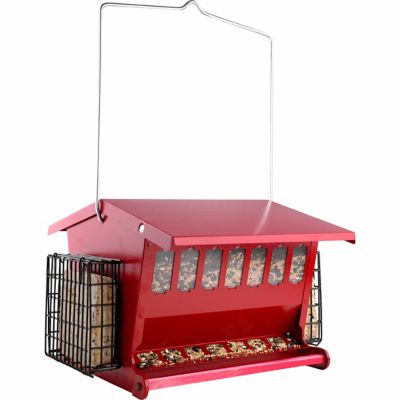
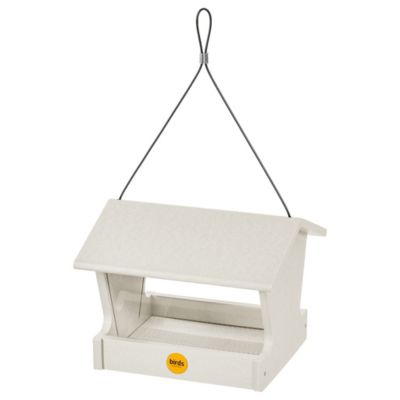
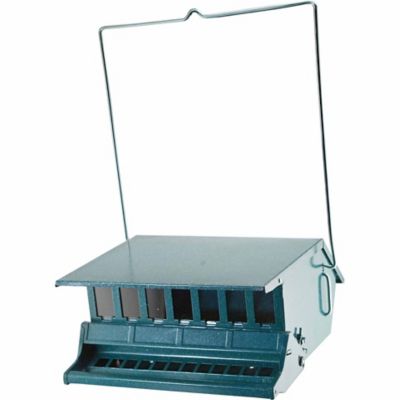
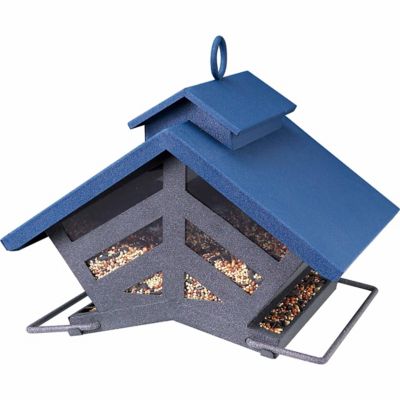
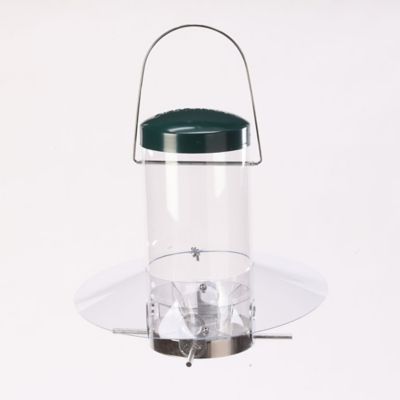
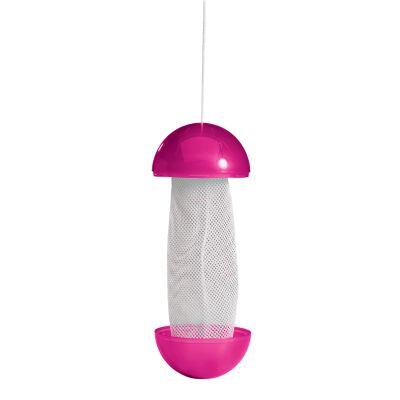
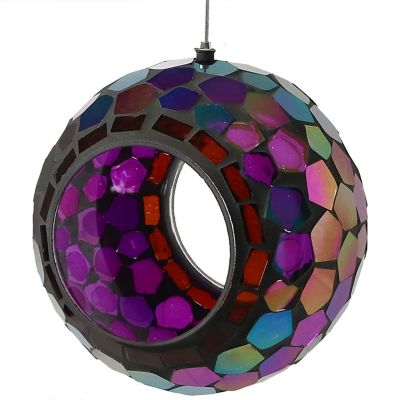
A seed feeder can turn a quiet corner of a yard, garden, porch, or farmstead into a busy little gathering place for wild birds. During the cooler months, birds often spend more time searching for dependable food, and a well-placed feeder gives them a steady stop between hedgerows, tree lines, and open fields. Seed feeders come in several styles, so choosing the right one starts with thinking about the birds you hope to see and the space you have available. Hopper-style feeders hold a good amount of seed and offer a sheltered place for birds to perch, while tube feeders work well in smaller spaces and can help keep seed dry. Platform feeders provide an open landing spot that attracts a wide variety of birds, including larger species that may not fit comfortably on narrow perches. A hanging feeder suits a porch hook, shepherd’s crook, or sturdy tree branch, while a mounted feeder can be positioned near a window or along a fence post where it is easy to reach for refilling. Look for durable construction that can stand up to wind, rain, and repeated use, especially if the feeder will stay outdoors through changing weather. Clear panels make it simple to check the seed level at a glance, and a wide opening can make filling less of a chore when cold hands and stiff lids make outdoor jobs feel a little harder. Perch size, feeding ports, drainage holes, and a secure roof all matter, too. A feeder with good drainage helps prevent damp seed from clumping or spoiling, while a covered design gives birds a little protection when the weather turns rough. If smaller songbirds are the main visitors, a
Finch Feeder can be a useful addition alongside a general seed feeder, giving tiny birds a more comfortable place to feed without competing as much with larger birds.
Placement makes just as much difference as the feeder itself. Set a seed feeder where it can be seen from a kitchen window, breakfast nook, or porch chair, but leave enough distance from dense shrubs and low branches for a clear view of the surrounding area. Birds appreciate nearby cover when they need to escape a hawk or other predator, yet a feeder tucked deep inside brush can give cats and other ground hunters an easy hiding place. A spot several feet from shelter, with an open flight path, often provides a good balance. Keep the feeder high enough to discourage curious pets and away from places where livestock, children, or equipment might bump into it. On a farm or larger property, a feeder near a garden edge, orchard, or back pasture can bring a little motion and color to the landscape without getting in the way of daily chores. On a smaller lot, a deck rail, porch post, or window-facing hanger may be all the room needed. Seed selection also affects the visitors you attract. Black oil sunflower seed is a popular all-around choice for many backyard birds, while blends can offer a mix of sizes and textures for different species. Shelled seed may leave less mess beneath the feeder, which can be helpful near walkways, patios, and garden beds. Whichever seed you use, store it in a cool, dry container that keeps moisture and rodents out. Check the feeder regularly, sweep away old hulls and spilled seed, and wash the feeder as needed with mild soap and water. Let it dry completely before adding fresh seed. Keeping the feeding area clean helps protect birds from the spread of illness and makes the setup more pleasant for everyone. It also gives you a chance to inspect the feeder for cracked parts, loose fasteners, or signs of chewing before a small problem becomes a bigger one.
Seed feeders are useful for bird lovers of all ages, from someone setting up a first backyard feeding station to a longtime landowner who can identify visitors by their calls alone. They also make thoughtful gifts for gardeners, nature watchers, grandparents, new homeowners, and anyone who enjoys a slower morning outdoors. A feeder paired with a bag of suitable seed can give a friend or family member an easy way to add life to a porch or yard, while children may enjoy watching birds learn the routine and keeping a simple count of the different visitors. During the cooler seasons, feeding stations can be especially rewarding, as birds move through bare branches and open ground where they are easier to spot. Keep in mind that a feeder works best as part of a larger bird-friendly space. Native plants, mature trees, shallow water, and brush piles can provide natural food, shelter, and nesting areas alongside supplemental seed. If several feeders are used, spacing them out can reduce crowding and help limit spilled seed in one spot. Wildlife may take a little time to find a new feeder, so patience pays off. Once birds recognize it as a dependable source of food, you may notice regular visitors arriving around the same parts of the day, with quick flashes of wings from the tree line and a soft flutter of activity near the porch. Choose a seed feeder that fits your space, your routine, and the kinds of birds common in your area, then make refilling and cleaning part of the regular outdoor chores. With the right setup, even a small yard can offer birds a reliable place to rest and feed while bringing a bit of country life closer to home.