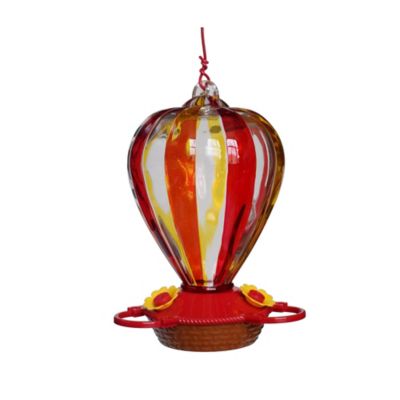
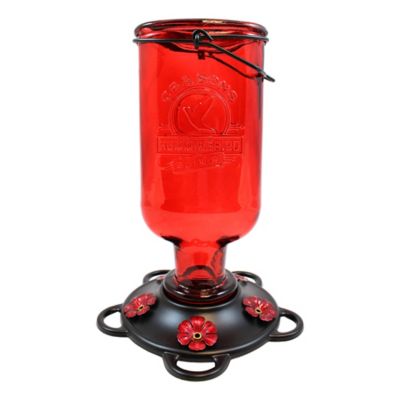
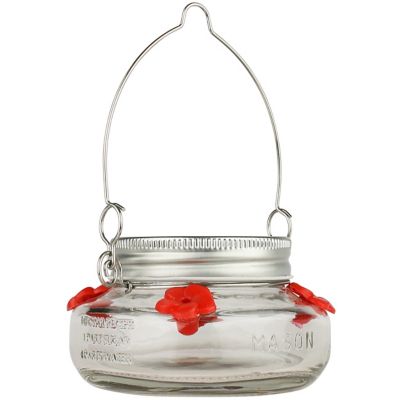
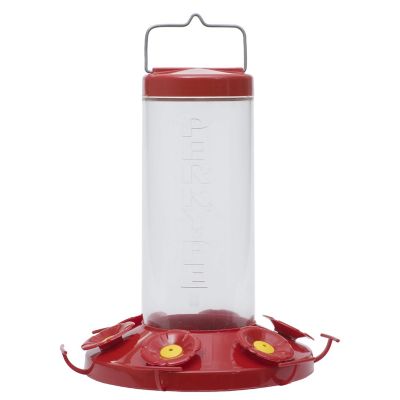
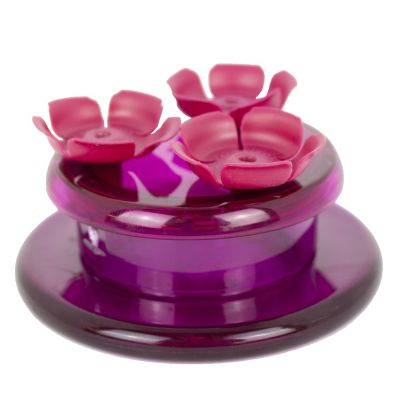
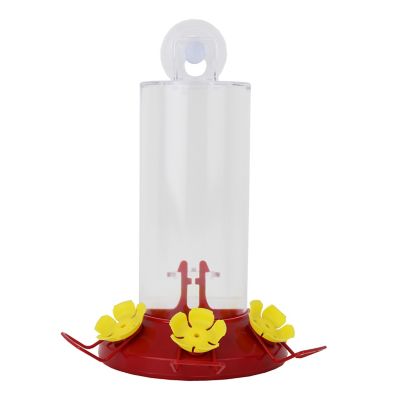
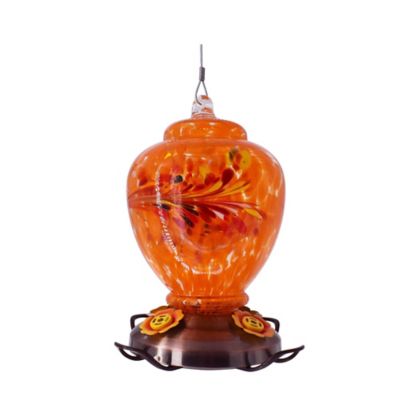
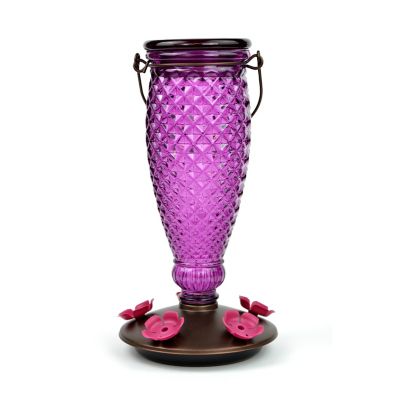
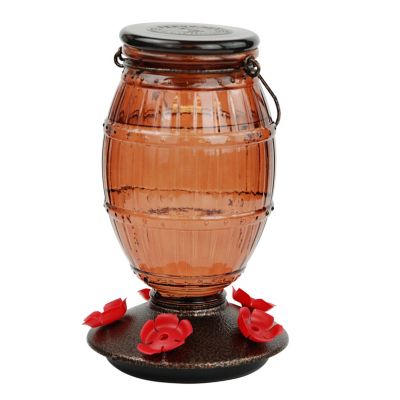
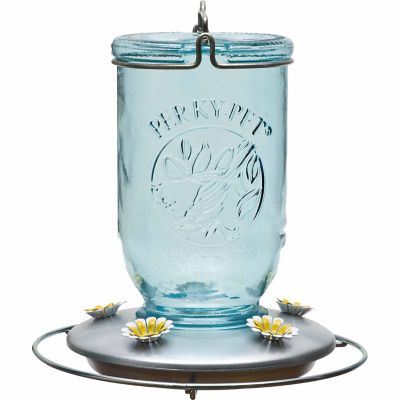
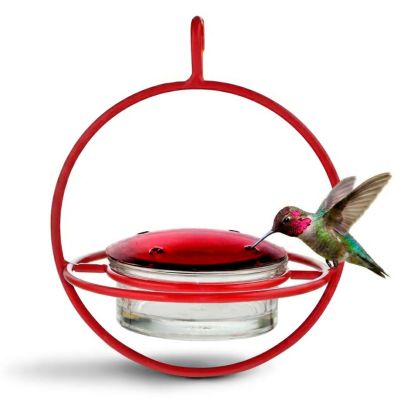
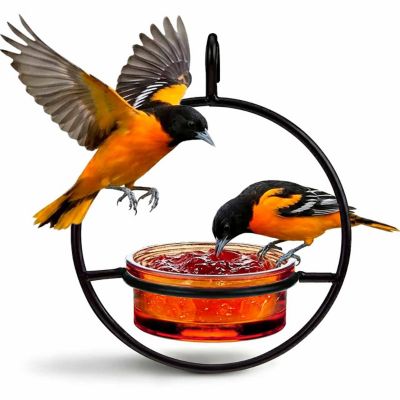
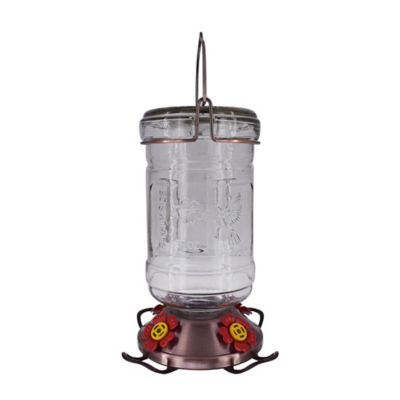
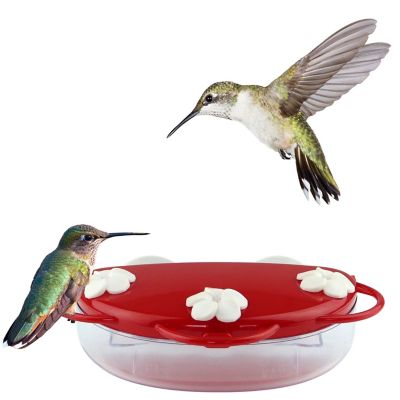
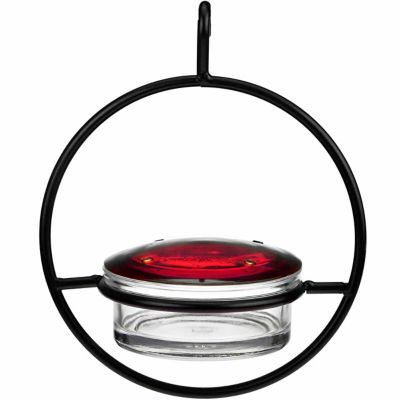
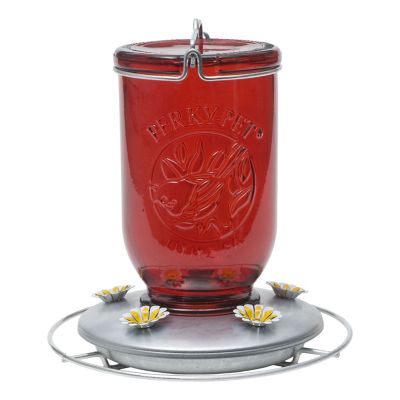
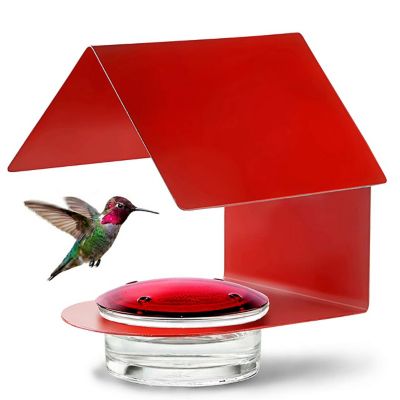
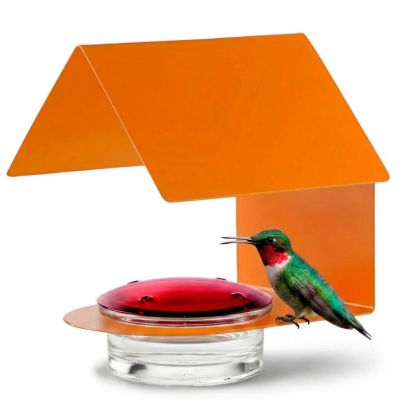
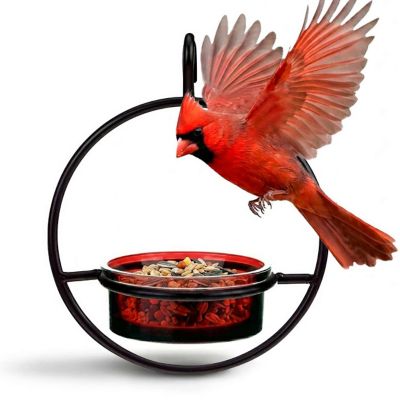
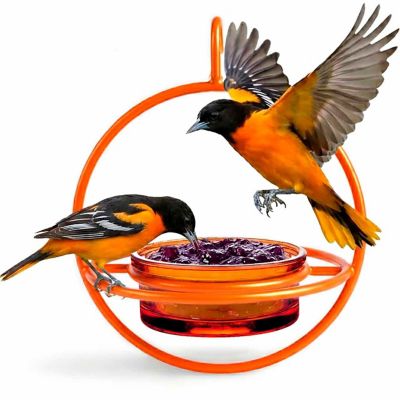
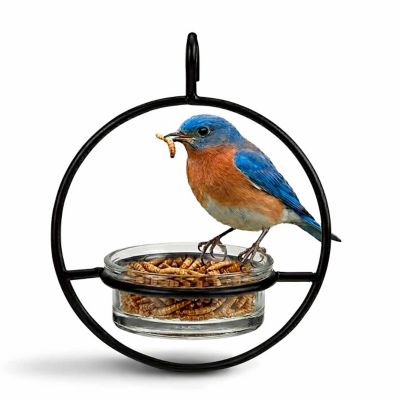
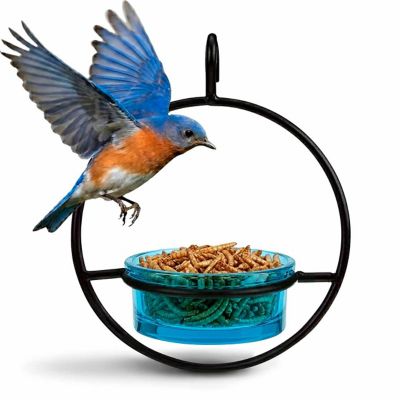
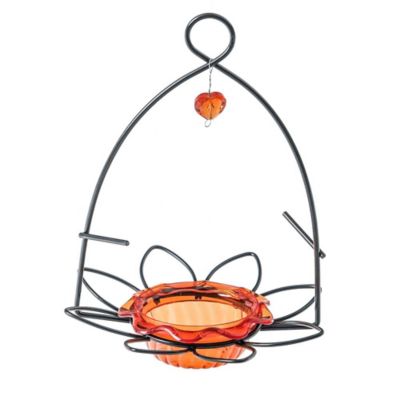
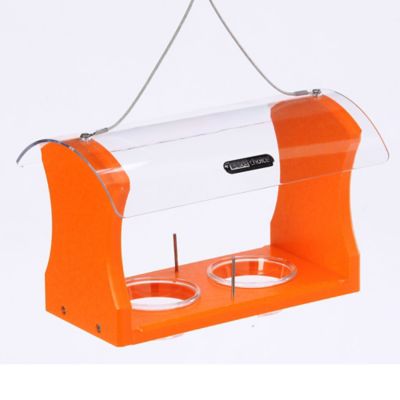
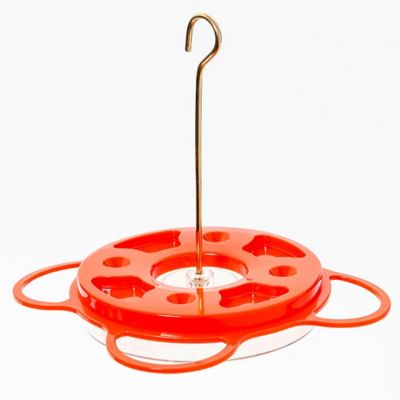
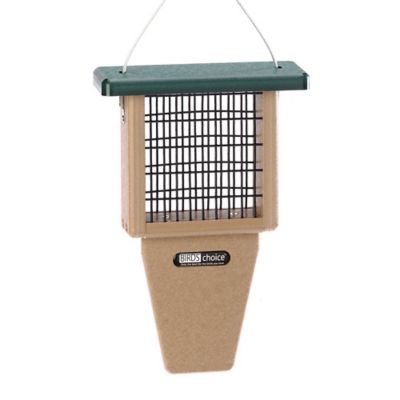
A hummingbird feeder brings a little flash of color and motion to a porch, garden, pasture edge or backyard, especially when a tiny bird darts in, hovers like a jewel on wings and disappears into the shrubs. These feeders hold sugar water that gives hummingbirds a dependable source of energy while they visit flowering plants, trees and other feeding spots. When choosing one, look for a design that is easy to fill, easy to take apart and simple to clean. A wide-mouth reservoir can make refilling less of a chore, while removable perches, feeding ports and bases help you reach the corners where sugar water and debris may collect. Clear reservoirs make it easy to see the level of nectar, though a little shade helps keep the water cooler and slows spoilage. Red or bright accents may help birds notice a new feeder, but red food dye should never be added to the nectar. Consider the size of your yard, how often you can refill the feeder and whether you plan to hang it from a shepherd’s hook, porch bracket, tree limb or another sturdy support. Smaller feeders are handy for households that see only a few birds or want to keep nectar fresh in cooler weather, while larger-capacity designs may suit busy feeding areas. Families often enjoy watching hummingbirds together, and a feeder can make a thoughtful gift for a gardener, grandparent, new homeowner, bird watcher or anyone who likes to slow down with a cup of coffee and keep an eye on the yard. If you are building a broader backyard bird-feeding area, a
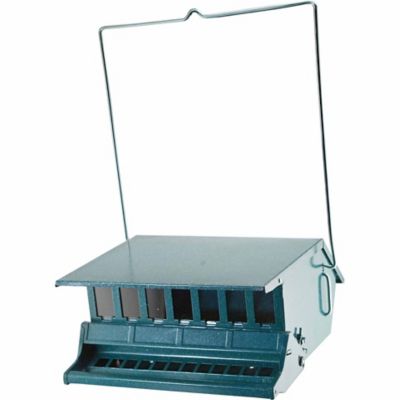
Metal Bird Feeder can be placed in a separate spot for seed-eating birds, giving more kinds of wildlife a reason to visit without crowding the hummingbirds’ feeding station.
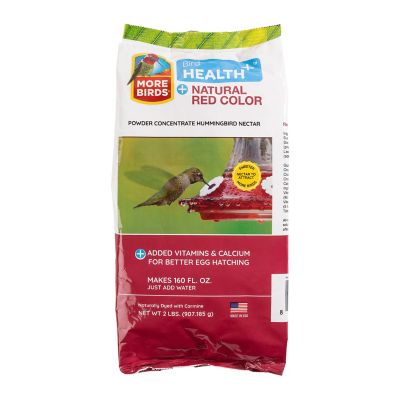
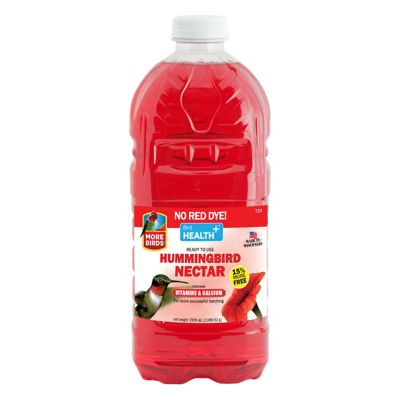
The safest hummingbird nectar is easy to make with plain white granulated sugar and clean water. Mix 4 parts water with 1 part sugar, bring the mixture to a boil for about one minute, and let it cool completely before filling the feeder. For example, 4 cups of water mixed with 1 cup of sugar makes a useful batch for several refills, depending on feeder size. Store extra nectar in a clean, covered container in the refrigerator and use it promptly. Never use honey, brown sugar, powdered sugar, artificial sweeteners or red food coloring. Honey can encourage harmful fungal growth, brown sugar and other sweeteners contain ingredients hummingbirds do not need, and dye offers no benefit to the birds. Fill the feeder only as much as the visiting birds are likely to drink before the nectar needs changing. Sugar water should generally be replaced every 3 to 5 days, and more often during hot weather, direct sun or any stretch when the nectar looks cloudy. During cooler months, it still deserves a close look each day for cloudiness, floating debris, mold or a sour smell. Empty nectar should not be topped off with fresh nectar; wash the feeder first, then refill it. Clean feeders about twice a week, or more often when needed, using warm water and a splash of white vinegar. A small bottle brush or soft brush can help reach ports and narrow openings. Avoid scented cleaners and regular dish soap that could leave a residue, and rinse every part thoroughly before allowing it to dry. Keeping a spare feeder on hand makes this routine easier: put out the clean one while the other is being washed and dried.
Placement has a big effect on how often hummingbirds visit and how easy the feeder is to maintain. Hang it where you can see it from a window or sitting area, but choose a spot with some afternoon shade to help protect the nectar from heat. A location near shrubs, trees or garden cover gives birds a place to perch between visits, though the feeder should not be buried deep in thick branches where cats or other predators can hide. Keep it away from busy doorways and window reflections, and check that the hook or hanger is secure enough for wind, rain and the weight of a full reservoir. Hummingbirds can be territorial, with one bird guarding a favorite feeding spot and chasing away others. If several birds are visiting, placing feeders apart from each other can give more birds a chance to feed. Ants may follow a hanging line or hook, so an ant moat or other feeder-safe barrier can help; do not apply insecticide around the feeder. Bees and wasps may be drawn to yellow parts or nectar spills, so wiping away drips and choosing feeding ports designed for hummingbirds can reduce trouble. As the weather shifts and some hummingbirds move through your area while others remain where conditions are mild, keep feeders clean and available for as long as birds are using them. In colder regions, migration timing varies from year to year, and an occasional late visitor may still appreciate a dependable feeding stop. With fresh nectar, a clean feeder and a safe place to perch, a simple backyard setup can become a favorite daily gathering spot for both birds and the people watching them.