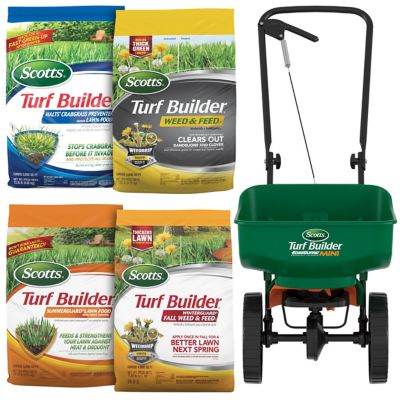
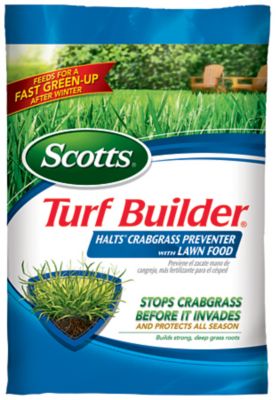
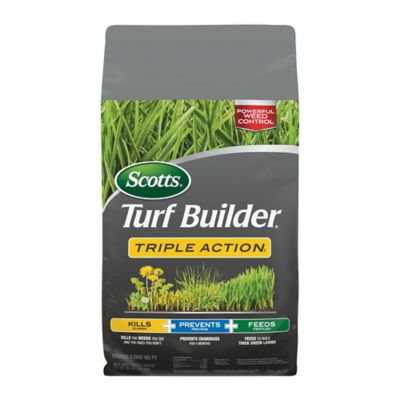
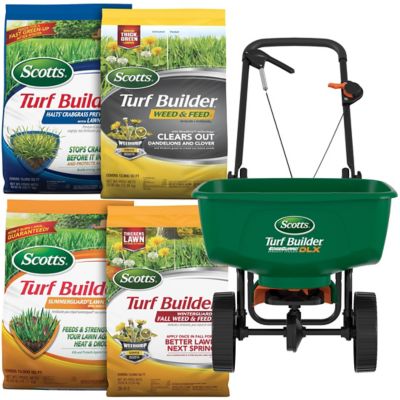
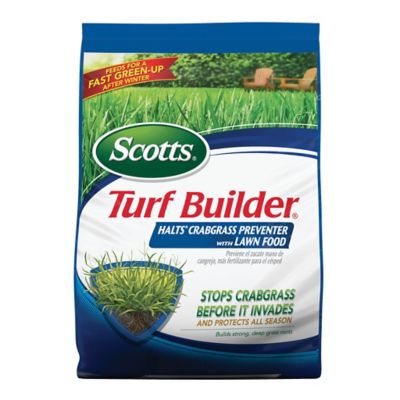
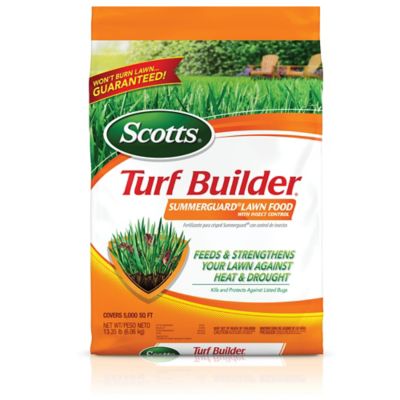
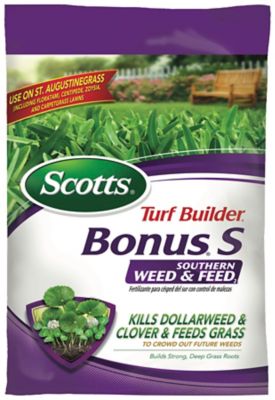
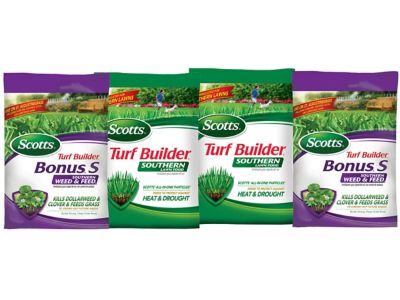
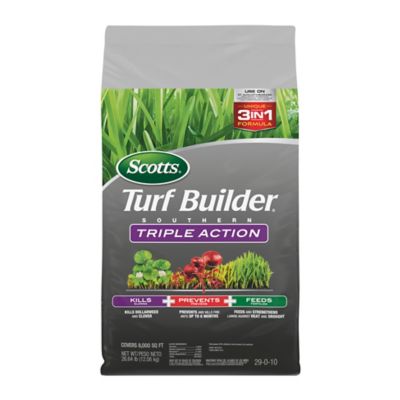
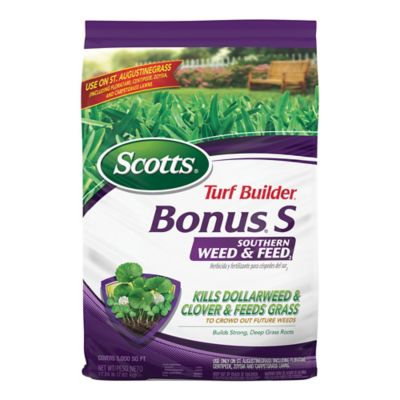
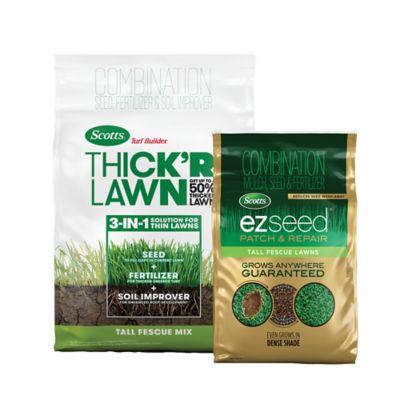
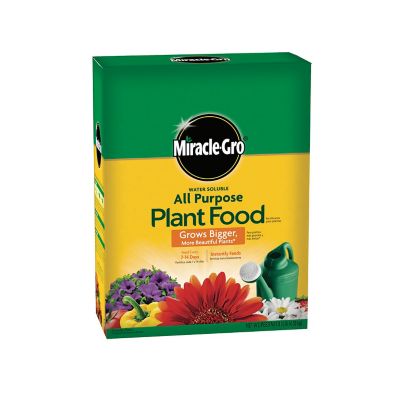
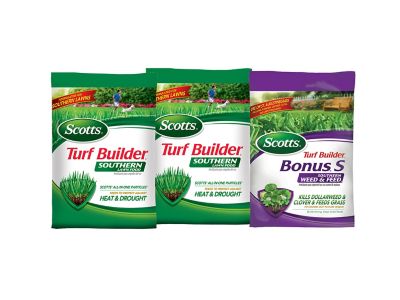
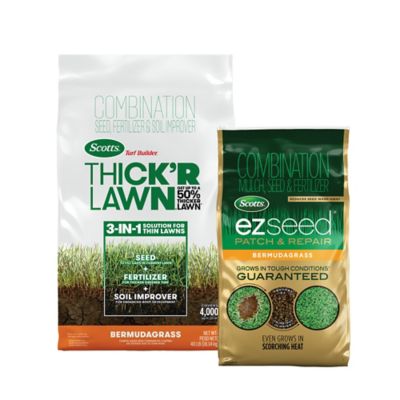
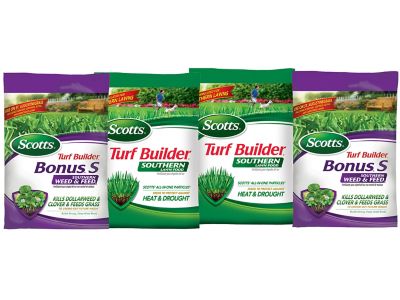
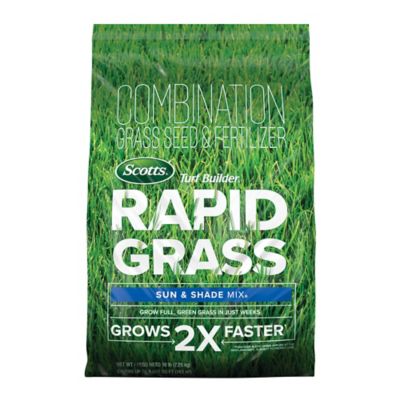
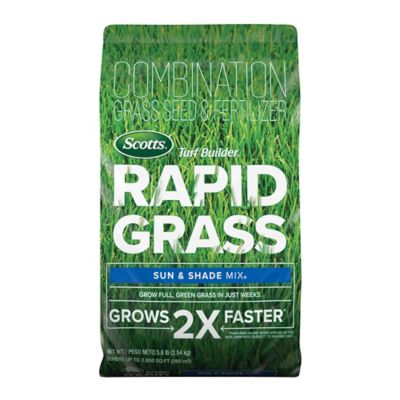
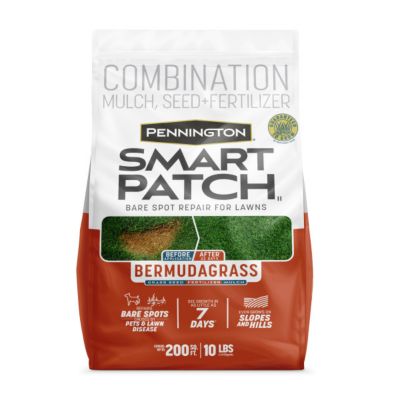
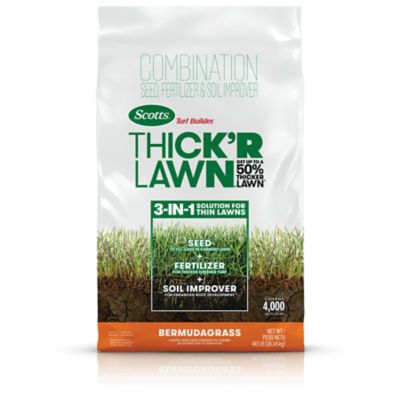
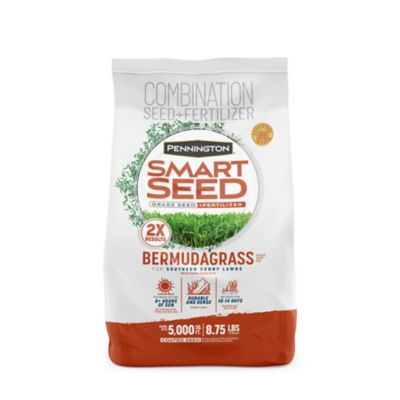
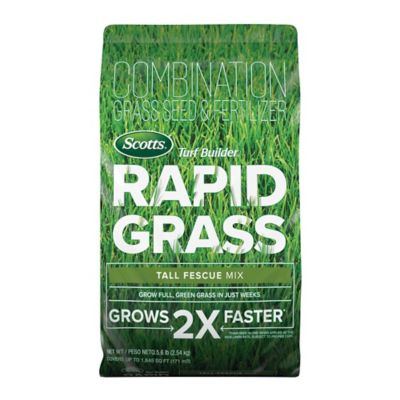
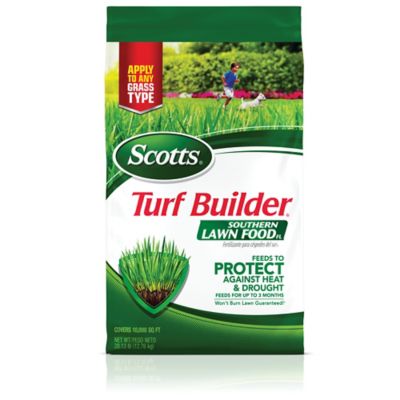
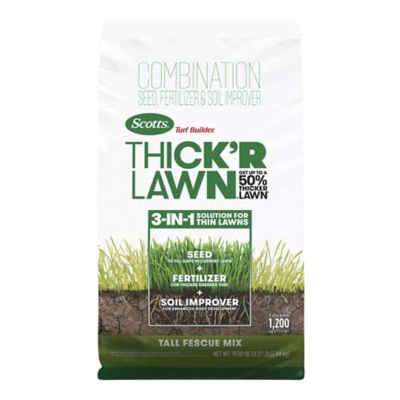
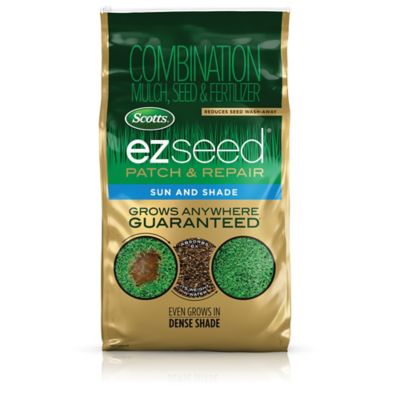
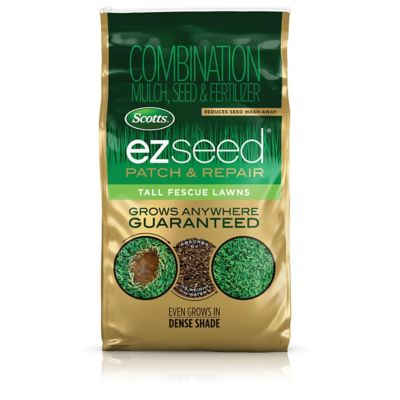
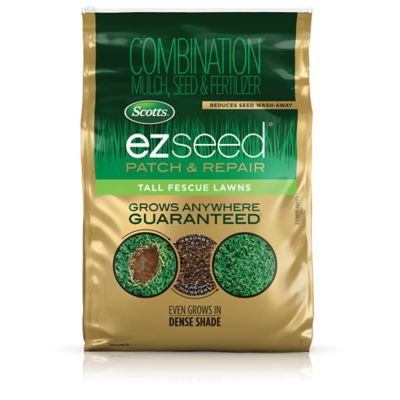
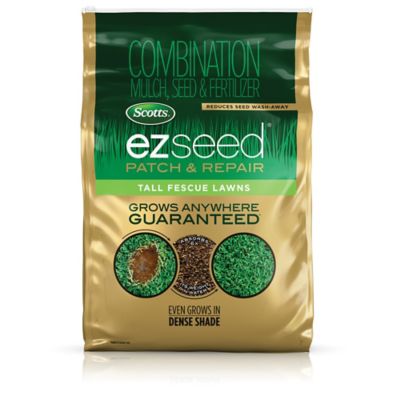
Fertilizer bags provide plant nutrients in a form that fits everyday work around a yard, garden, or acreage. The fertilizer inside may be intended for lawn grass, vegetables, flowers, shrubs, trees, or other labeled planting areas, with different formulas suited to different needs. The three numbers on a fertilizer bag are its NPK analysis: the percentages by weight of nitrogen, available phosphate, and soluble potash, in that order. Nitrogen supports green, leafy growth; phosphorus supports root development and plant processes involved in flowering and fruiting; and potassium helps with water regulation, nutrient movement, and overall plant function. On fertilizer labels, phosphorus is reported as phosphate and potassium as potash, rather than as the elemental nutrients alone. A 10-10-10 fertilizer contains 10 percent nitrogen, 10 percent available phosphate, and 10 percent soluble potash. That means a 40-pound bag contains 4 pounds of each of those listed nutrient components. The remaining weight includes other ingredients and materials that make up the formula. Equal numbers describe a balanced analysis, but they do not mean the blend is the right match for every planting. A 5-10-5 analysis has less nitrogen relative to phosphate, while a formula with a zero in the middle supplies no available phosphate. Soil test results help show which nutrients a planting area needs and which are already present in sufficient amounts. That distinction matters for a vegetable patch beside the barn just as much as it does for the grass around the house. More of a nutrient is not automatically better, and feeding a plant will not fix every cause of weak growth. Compacted soil, unsuitable soil pH, root damage, and poor drainage can all limit a plant’s response. Bagged fertilizer makes the most sense as part of a planting setup that also gives roots room to grow and access to water. The label’s intended use, nutrient analysis, and application rate provide a clearer basis for comparison than the size of the numbers alone.
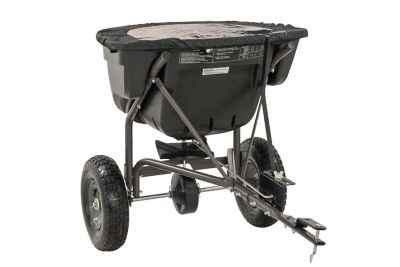
The form of fertilizer inside the bag affects how it fits the job. Granular fertilizer is practical for many lawns and planting beds because the particles can be distributed with suitable spreading equipment or measured for smaller applications where the label allows. Water-soluble fertilizer is designed to dissolve before application, making it a different fit for watering equipment and plant-feeding routines. Fast-release nutrients become available relatively quickly, while slow-release components supply nutrients over a longer period through processes that depend on the fertilizer’s formulation. A bag may contain both, so the guaranteed analysis and directions tell more than a broad description on the front. Mineral-based and organic fertilizer sources also vary in nutrient concentration and release characteristics; neither description alone establishes the right application rate or suitability for a particular plant. Some blends include calcium, magnesium, sulfur, or micronutrients such as iron alongside the main NPK nutrients. Those additions can matter where a soil test or plant assessment points to a need, but they are not a reason to apply extra fertilizer without checking the label. For a homeowner tending a broad stretch of grass, compatibility with a broadcast or drop spreader can make a bagged formula easier to work with. For a gardener feeding several rows of vegetables, the ability to measure a smaller amount may matter more. Spreader settings depend on the fertilizer and equipment, so a setting from a different bag is not a dependable substitute for the applicable directions and calibration. Particle size, flow, and distribution also affect how evenly a granular formula reaches the ground. Too much fertilizer in one strip can injure plants, while missed strips may receive little benefit. Around trees and shrubs, the suitable application area depends on the root zone and label directions, not simply the space right against the trunk. For pasture or other ground where animals graze, intended use and any grazing restrictions deserve particular attention. These differences make fertilizer bags useful to homeowners, gardeners, and acreage owners with very different jobs, without treating every formula as interchangeable.
Bag size brings another practical consideration: the amount of ground a fertilizer can cover is not determined by weight alone. Nutrient concentration and the labeled application rate both affect coverage, so two bags with the same weight may serve different-sized areas. A manageable bag can suit a few garden beds or a small lawn, while a larger bag may fit a broader planting area when its contents match the soil’s needs. Carrying that weight from a shed to a spreader is part of the job, too. Bag dimensions, grip, and the lifting distance matter when moving fertilizer across gravel, through a narrow gate, or onto a storage shelf. Packaging may include paper layers, plastic film, or woven material, depending on the fertilizer and bag construction. Intact seams and a protected closure help keep the contents contained, but a fertilizer bag still needs careful handling around sharp tools, rough edges, and damp floors. Moisture can cause some granular fertilizers to cake together and interfere with measuring or spreading. Keeping the original package dry, closed as directed, and supported on a sound shelf or pallet helps preserve the label and keep the contents in suitable condition. Where additional protection is needed, a compatible outer container can hold the original labeled bag rather than leaving loose fertilizer in an unmarked bucket. Keeping fertilizer bags separate from
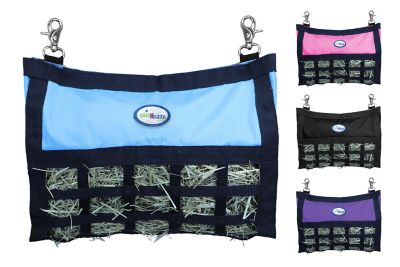
Animal Feed Bags helps prevent mix-ups around the barn, especially when several sacks have similar shapes or sizes. Fertilizer also belongs away from food, seed, children, and animals, following the storage precautions on the label. A dedicated measuring scoop avoids carrying fertilizer residue into feed or other supplies. Application precautions may include gloves, eye protection, watering requirements, and keeping people or pets off treated areas for a specified period. Granules spilled on a driveway or walkway should be handled according to label directions rather than left where they could move toward a drain or waterway. With the right nutrient blend, suitable bag size, and sensible storage, bagged fertilizer fits neatly into the regular work of caring for planting spaces, from a kitchen garden to the grounds around a farmhouse.