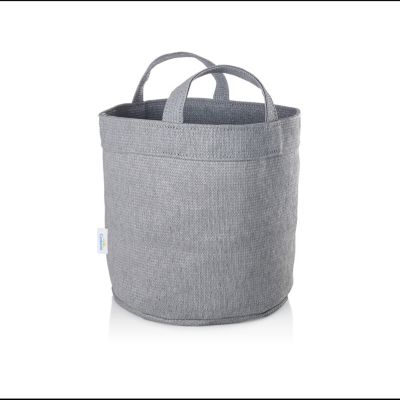
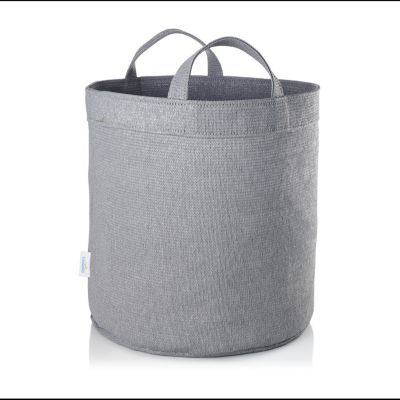
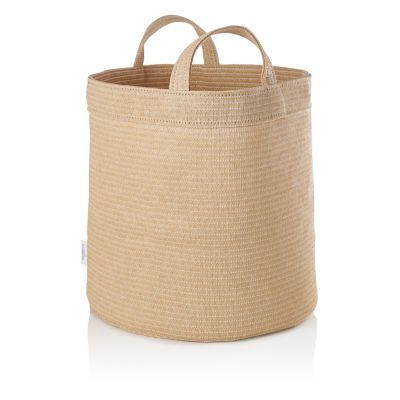
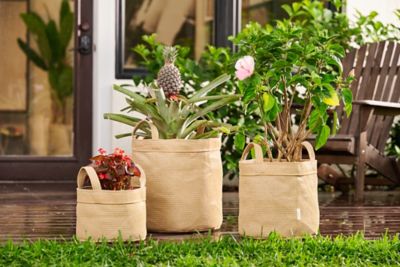
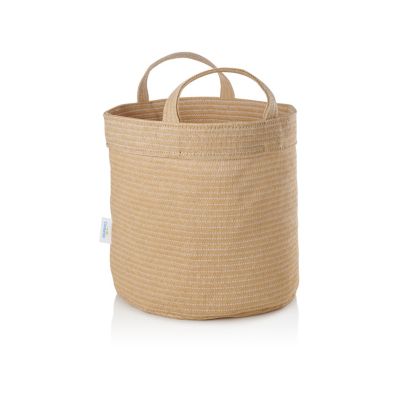
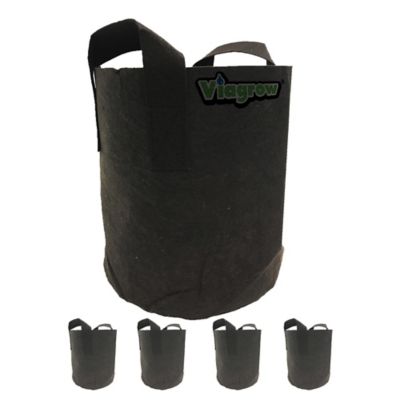
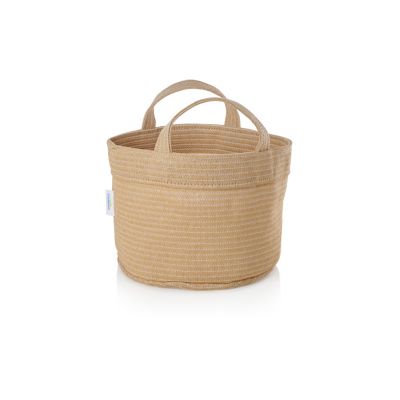
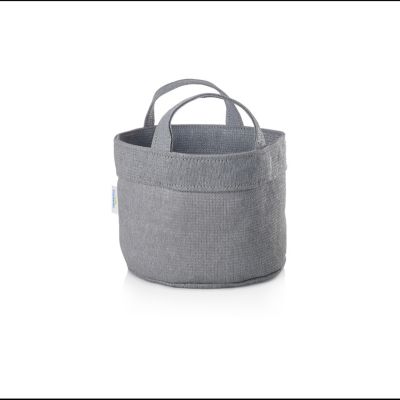
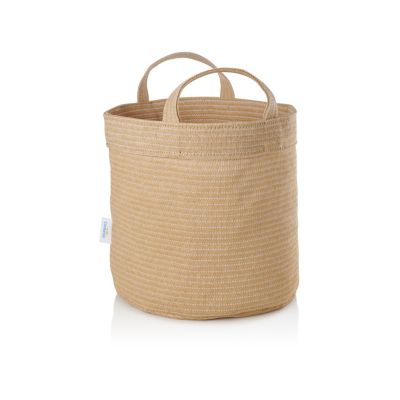
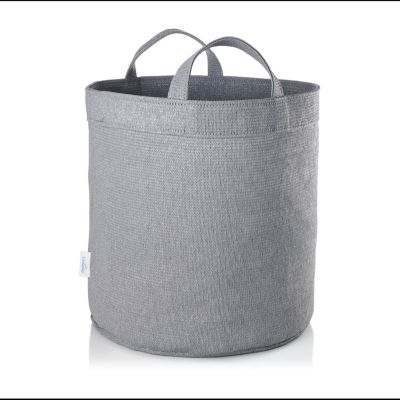
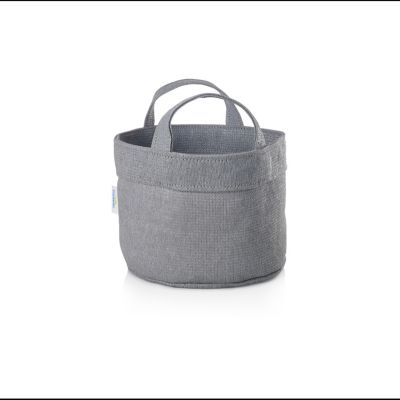
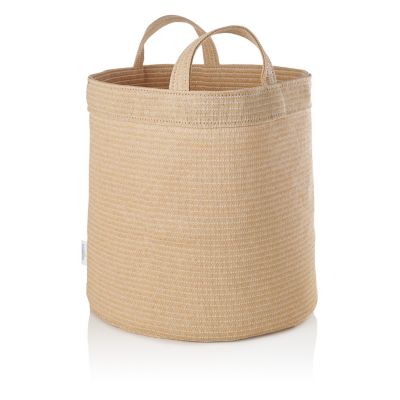
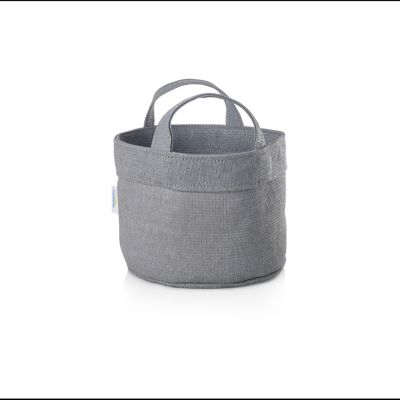
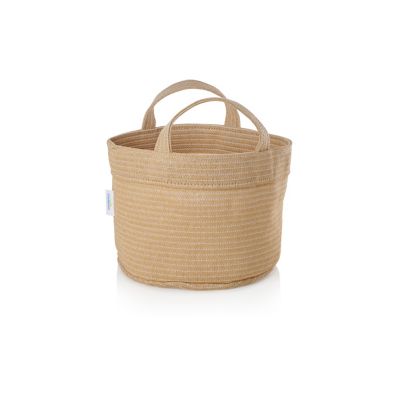
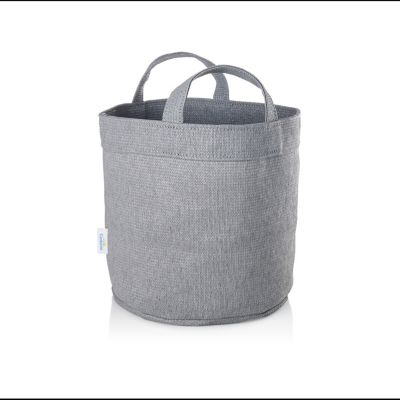
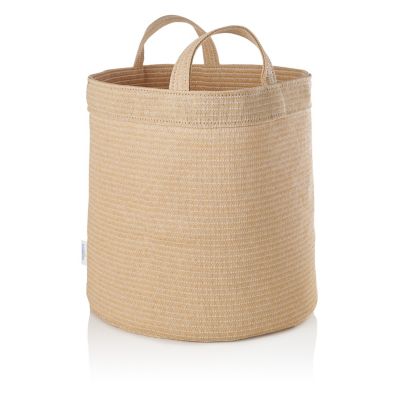
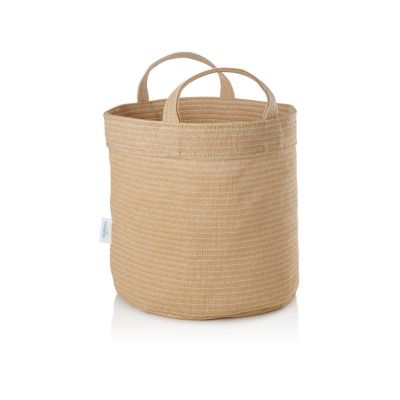
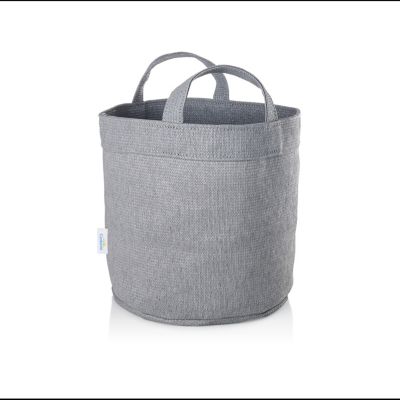
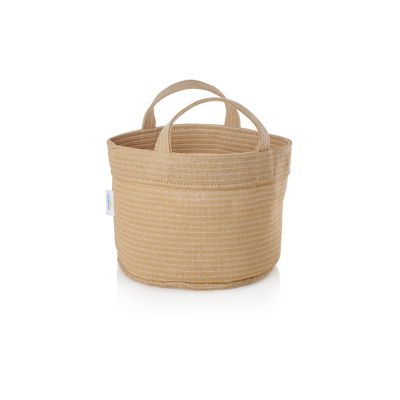
Grow bags are flexible planting containers that hold growing mix and support vegetables, herbs, flowers, shrubs, and some small trees above ground. They bring container gardening to places where digging a bed isn’t practical, from a gravel patch beside the barn to a back porch within reach of the kitchen. For gardeners working around hard-packed ground, limited yard space, or a rented home, a grow bag offers a planting space without a permanent installation. The main differences between bags come down to material, capacity, shape, and construction. Fabric grow bags often feature woven or nonwoven synthetic fibers, while plastic versions rely on drainage openings rather than breathable sides. Porous fabric allows air exchange around the root zone and lets excess water escape through the walls and base. When root tips reach a sufficiently dry, air-exposed fabric edge, they can stop extending and branch farther back within the growing mix. This process, called air pruning, can reduce root circling compared with containers that have solid walls. It doesn’t eliminate the need for enough root space, suitable soil, or thoughtful watering, but it helps explain why fabric planting bags appeal to vegetable growers and container gardeners. Breathable walls also mean moisture can leave through more of the container’s surface, so fabric bags may need closer moisture checks than solid-sided pots. Plastic grow bags generally retain moisture longer through their walls, though drainage depends on the number and placement of their openings. Neither material makes a planting immune to soggy roots; excess water still needs somewhere to go. Fabric weight, seam construction, and the way the base joins the walls all help determine how well a bag holds its shape when filled. A heavier fabric may feel more substantial, but fabric weight alone doesn’t tell the whole story. Strong stitching and securely attached handles matter when a bag is carrying damp growing mix rather than sitting empty on a shelf.
The right grow bag size depends on the plant’s mature root system, its growth habit, and how many plants will share the space. A small herb planting needs far less room than a full-size tomato supported by a cage. Smaller bags can suit individual herbs and compact flowers, while larger vegetable grow bags provide more space for root development and a greater reserve of moisture. As a general starting point, many individual herbs fit in containers of roughly 1 to 3 gallons, peppers often benefit from 5 gallons or more, and larger tomato plants commonly need 10 to 20 gallons or more. Those ranges aren’t a substitute for the needs of a particular variety; compact plants and vigorous growers can have very different requirements. Capacity also tells only part of the story. A tall, narrow bag and a short, broad bag may hold the same volume while offering different planting depths and surface areas. Carrots need depth suited to their mature root length, leafy greens can make good use of a broad planting surface, and potatoes need room for developing tubers as well as foliage. For shrubs and small trees, the root ball, expected growth, and length of time in the container all deserve consideration. Round bags tuck neatly into individual planting spots, while rectangular shapes can make better use of a straight edge along a fence or walkway. Filled dimensions matter more than folded dimensions when planning a layout. Enough space between bags makes watering, harvesting, and checking leaves less of a squeeze. Tall vegetables also need a support plan, since flexible walls don’t anchor a stake the same way firm ground does. A freestanding trellis or properly supported cage can keep climbing plants from pulling a bag out of shape. Handles are handy for repositioning manageable loads, but a large bag full of wet growing mix can be too heavy to lift safely. Handle attachment, lifting limits, and access for a garden cart become especially important when a planting needs to move between locations.
Day-to-day care is another part of choosing a grow bag that fits the way a household gardens. A loose container mix provides a better balance of air space, drainage, and moisture retention than dense soil dug straight from the yard. Ingredients such as coir, peat, bark, and perlite affect that balance, and the best blend depends on the crop and watering setup. Even a freely draining bag can stay overly wet if its growing mix is compacted or its base sits in standing water. On a porch or deck, runoff and prolonged damp contact also matter, so the planting arrangement needs to protect the surface beneath it without blocking drainage. Indoors, grow bags require a suitable way to catch water, along with enough light for the plants being grown. A catch tray helps contain runoff, but it shouldn’t leave the bag soaking after watering. Moisture below the surface is a better indicator of watering needs than the appearance of the fabric alone. Larger plants and densely rooted bags may draw down their water reserve faster than small, newly planted starts. Drip irrigation can suit rows of bags, while a watering can may be plenty for a few herbs near the back door. Gardeners comparing container materials may also consider
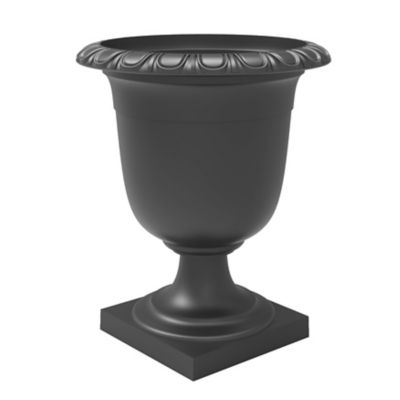
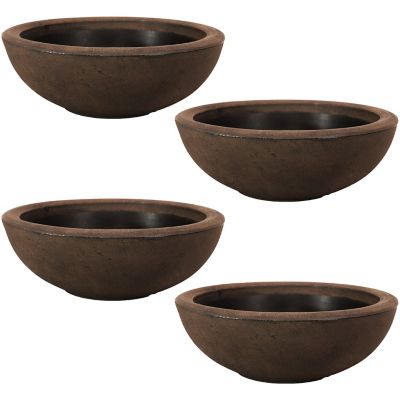
Plastic Pots for a rigid shape and solid walls that limit moisture loss through the sides. Grow bags trade that rigid structure for flexibility, and many fabric designs fold down for storage once emptied, cleaned, and completely dried. Care requirements vary by material, so cleaning directions matter, especially before moving a bag from one crop to another. Removing old roots and growing mix helps reveal worn seams, stretched handles, or thinning fabric before the next planting. Leaving a filled bag in place rather than dragging it across rough ground can reduce abrasion along the base. For a first container garden, an extra row of peppers, or a few flowers beside the gate, grow bags offer a practical way to match planting space to the ground available. The best fit comes from balancing root room, manageable weight, drainage, and the attention each planting will need.