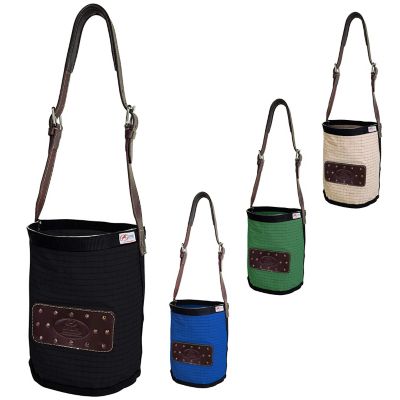
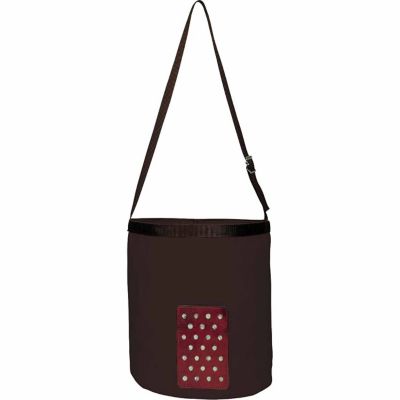
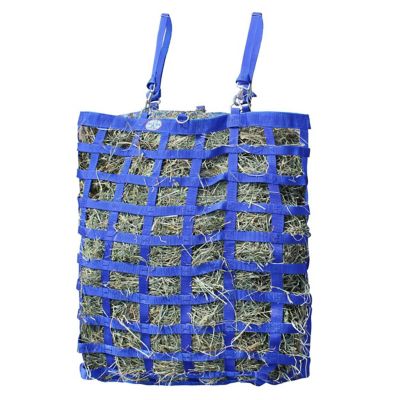
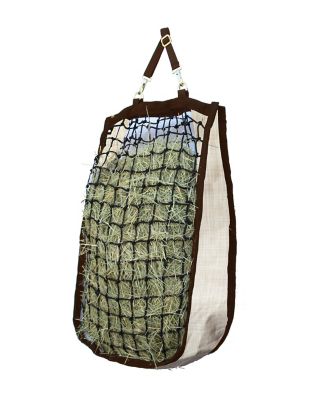
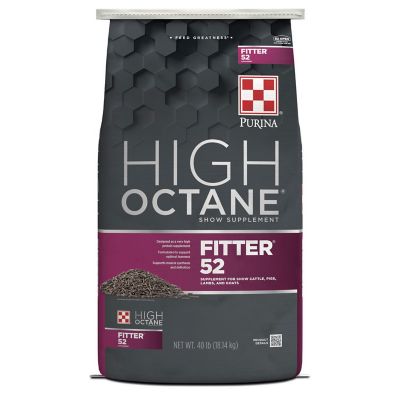
Cattle feed bags make it easier to bring dependable nutrition from the feed store to the barn, pasture, or working pens. Whether you keep a few head on a small acreage or manage a larger herd, the right feed depends on the cattle’s age, purpose, forage quality, and daily workload. Calves that are newly weaned may need a complete starter or growth ration that is easy to eat and designed to support a steady transition away from milk and nursing. Growing cattle, replacement heifers, mature beef cattle, and show animals can have different energy, protein, fiber, and mineral needs, so it pays to read the guaranteed analysis and feeding directions on every bag. Starter and growth pellets are often chosen for their consistent size and easy handling, while textured feeds may combine grains, roughage, and other ingredients for a more varied bite. Some textured or sweet feeds include molasses, which can add palatability and help encourage hesitant eaters to come to the bunk. Mineral and protein supplements can be useful when pasture or grass hay does not provide a complete ration, but they should be offered and mixed according to the label. A cattle owner who knows the herd well will usually notice small changes first: a calf lingering at the feeder, a steer sorting through the ration, or a group leaving more feed behind than usual. Those everyday observations, along with advice from a veterinarian, nutritionist, or local livestock professional, can help point you toward a feed bag that fits the job.
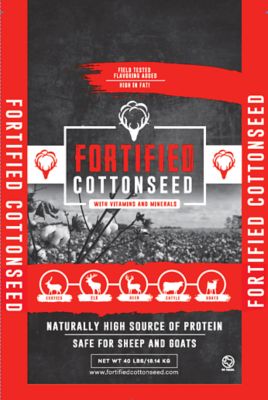
Bag size is another practical part of the decision. Many dry cattle feeds are sold in bags around 50 pounds, a manageable size for hand carrying, scooping, and stacking in a barn or feed room. Larger operations may look for bulk super sacks that can hold roughly 1,600 to 3,000 pounds and work with forklifts, loaders, or other mechanical equipment. Bulk handling can save trips to the store, but it calls for a dry, level storage area and a plan for moving the bag safely. For everyday farm use, woven polypropylene or BOPP-style bags are valued for their tough, tear-resistant construction and ability to help keep moisture away from dry feed. Multiwall paper sacks remain a familiar choice because they stack neatly and are simple to handle when kept off damp floors. Whichever material you choose, inspect bags for tears, punctures, damp spots, caking, or signs of insects before bringing them into the feed area. Store feed on pallets or shelves rather than directly on concrete, and keep it protected from rain, condensation, rodents, and curious livestock. A tight-fitting lid on a feed can or storage bin can help preserve freshness after a bag is opened. Marking the opening date on the bag or container makes it easier to rotate older feed forward, while using a scoop reserved for feed helps keep the ration clean. Avoid piling feed where cattle can knock over bags, and do not leave loose feed exposed around the barn. Good storage protects your investment and helps maintain the smell, texture, and quality that encourage cattle to eat the ration as intended.
Cattle feed bags are useful for working ranches, family farms, 4-H projects, show barns, and anyone caring for a few animals at home. They also make a thoughtful, practical gift for a new livestock owner when paired with other everyday farm supplies, especially for someone settling into a first pasture or preparing a calf pen. Feed should always be introduced gradually when changing rations, with plenty of clean water available and enough bunk space for the entire group to eat without unnecessary pushing. Keep an eye on sorting, leftover feed, manure consistency, body condition, and overall behavior as the herd settles into a routine. During the warmer part of the year, protect bags from heat, humidity, and sudden rain, then pay close attention to storage as cooler weather brings damp air and muddy conditions around the barn. Mineral products may be offered free-choice or mixed into a ration, depending on the formula, while protein supplements can help balance lower-quality pasture or grass hay when used as directed. Feed labels are the best starting point for serving amounts, intended animal class, and safe use, since formulas vary and cattle requirements change with age, pregnancy, lactation, growth, and activity. Keeping poultry supplies organized in a separate area can also help prevent mix-ups; shoppers caring for backyard birds may find
Chicken Feed Buckets useful for clean, convenient storage. From a single sack carried across the yard to a bulk bag moved into a working feed system, choosing the right cattle feed bags helps make daily chores smoother and keeps the herd’s ration protected from the elements.