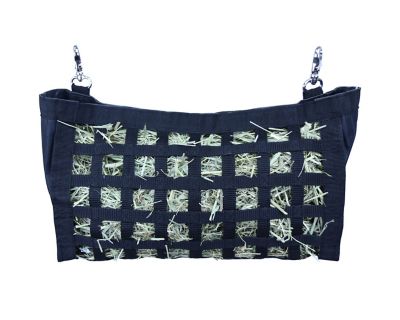
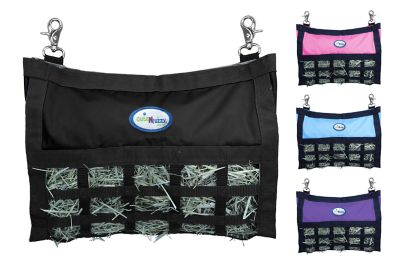
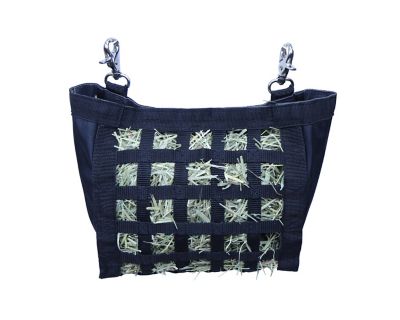
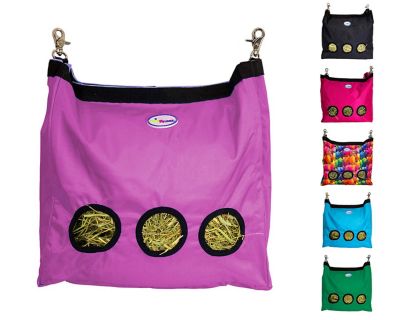
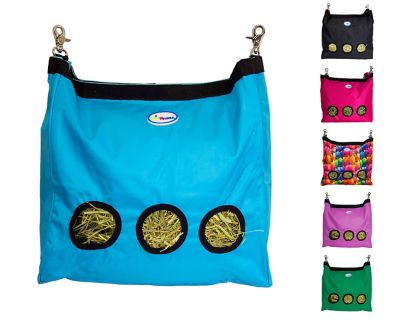
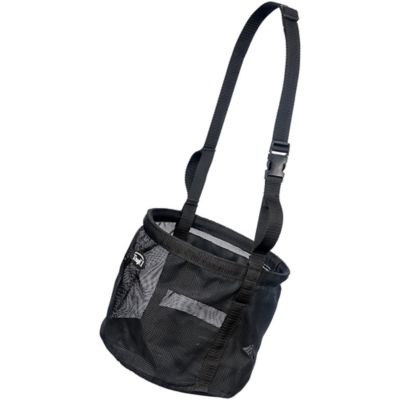
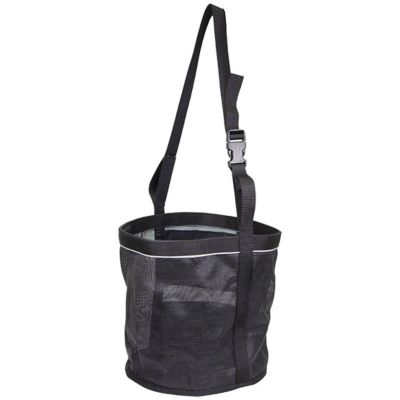
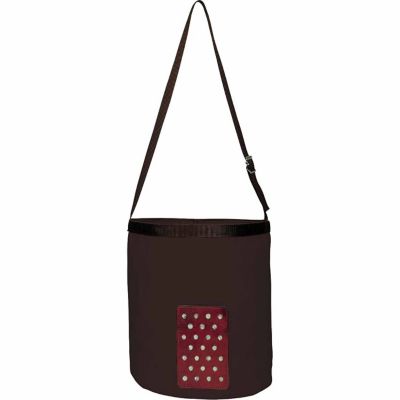
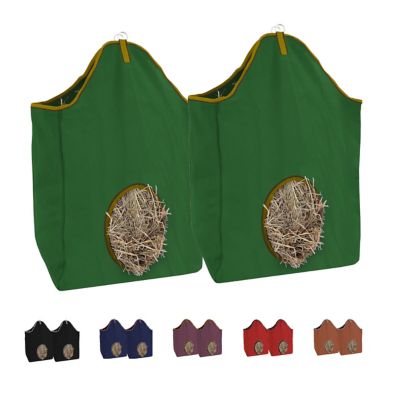
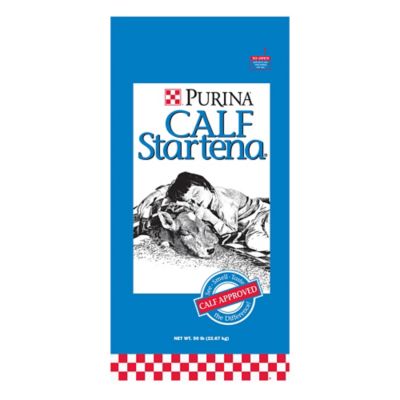
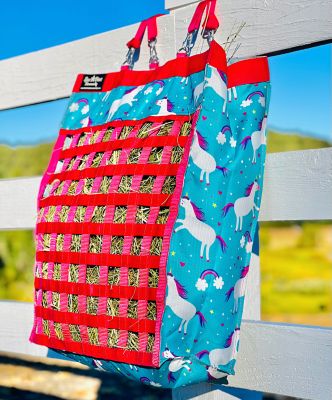
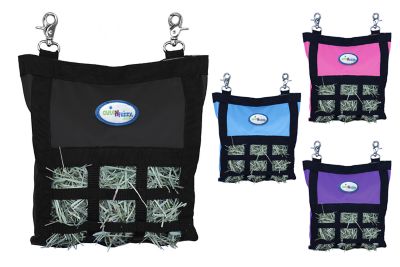
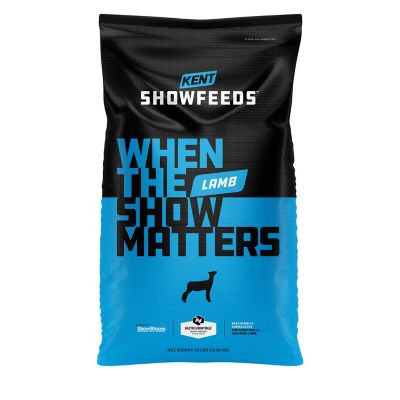
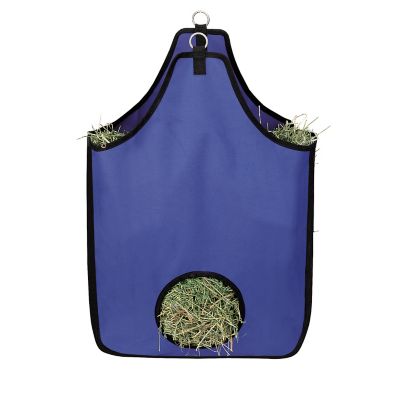
Animal feed bags fall into two main groups: wearable feeding bags that hold an animal’s grain ration while it eats, and storage sacks that hold or carry feed before serving. A horse feed bag, sometimes called a nose bag, hangs from a head strap and positions a small portion of feed beneath the muzzle. A feed storage bag is a separate type of container, generally made for handling grain, pellets, or other dry feed rather than being worn by an animal. That difference matters when matching a bag to chores around the barn, stable, or small farm. Wearable bags often feature canvas, nylon, or mesh construction, with a reinforced bottom to support the ration and straps that allow adjustments for fit. Storage sacks commonly feature woven polypropylene, multiwall paper, or burlap, with different strengths and limits. Woven polypropylene offers resistance to tearing during handling, while multilayer paper provides structure and may include a liner for added protection from moisture. Burlap has an open weave that allows airflow, but it does not provide a moisture barrier or keep insects out. The whole construction matters more than the fabric name alone: seams, bottoms, closures, liners, and carrying points all affect how a bag handles a load. A sack carried a few steps across the feed room has a different job from one loaded into a trailer and carried between pens. Likewise, a feeding bag for a pony needs a different fit from one intended for a full-size horse. Horse owners, livestock keepers, boarding barns, and families caring for a backyard flock may all have a place for animal feed bags, but the best match starts with the animal, the feed, and the task. Feed bags and feed sacks may share a name, yet they are not interchangeable. Keeping those purposes separate makes it easier to compare the features that matter without confusing a storage container with feeding equipment.
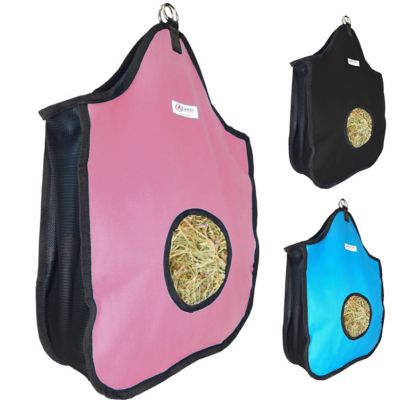
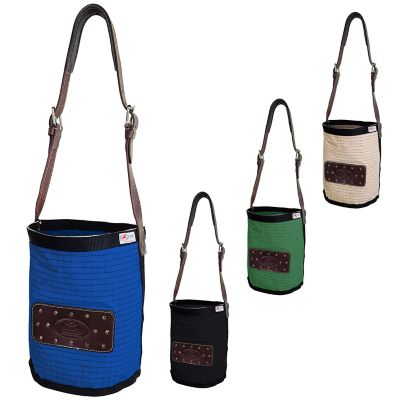
For wearable feeding bags, fit and airflow come first. The bag should suit the animal’s muzzle and head measurements, with enough room to eat comfortably and no pressure against the nostrils. An adjustable head strap helps position the bag, while smooth edges and padding can reduce rubbing where the strap or upper rim rests. A broad bottom can give grain room to settle, and reinforced stitching helps support the weight through repeated feeding sessions. Mesh panels allow airflow and make it easier to see how much feed remains; closely woven canvas offers a different balance of structure and containment. Neither material alone guarantees a suitable fit, so measurements and the manufacturer’s intended animal size matter more than a general description such as small or large. Hardware deserves attention, too. Buckles and adjustment points should sit where they will not press into the face or interfere with chewing, and straps should stay clear of the eyes. In a supervised feeding routine, a nose bag can help keep a horse’s portion together instead of letting grain scatter across the ground. It may also suit feeding stops away from the home barn, provided the animal is comfortable wearing it and the setting allows close observation. It does not replace separation when animals crowd or compete over feed, and it should not remain on an unattended animal after the meal. Capacity is another practical distinction: the amount a bag can hold is not a feeding recommendation. The ration still needs to follow the feed label and the animal’s individual needs. Care is part of the fit-and-function picture as well. Grain dust, saliva, and leftover feed collect along seams and in bottom corners, so washable construction can make regular cleanup easier. Cleaning directions vary by fabric, coating, padding, and leather components. Every part should dry completely before the next feeding, and frayed straps, damaged mesh, loose stitching, or sharp hardware are reasons to take a bag out of service.
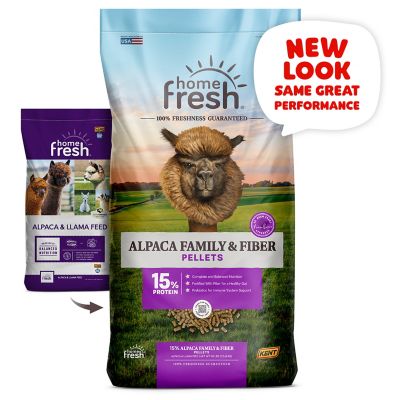
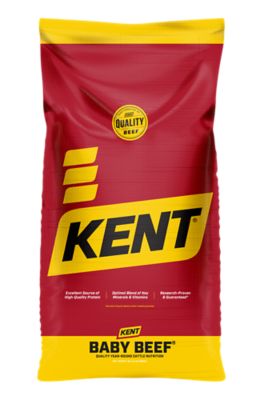
Storage and carrying sacks call for a closer look at capacity, closures, and the route from the feed room to the animals. A stated weight capacity depends on the bag’s construction and the material inside; equal volumes of grain, pellets, and lighter feeds do not necessarily weigh the same. Dimensions also matter when a filled sack needs to pass through a narrow gate, fit inside a storage bin, or ride securely in a feed cart. Reinforced seams and a sound bottom help with lifting, but a sack without carrying handles should not be treated as though its tied neck is a handle. Sewn tops, tie closures, and other closing systems serve different purposes, and an open sack needs appropriate secondary protection between feedings. A bag alone is not a rodent-proof storage solution, even when the material resists tearing. Clean, dry storage off the floor, away from chemicals and within a suitable pest-resistant container helps protect the contents. Alongside bags for carrying and portioning rations,
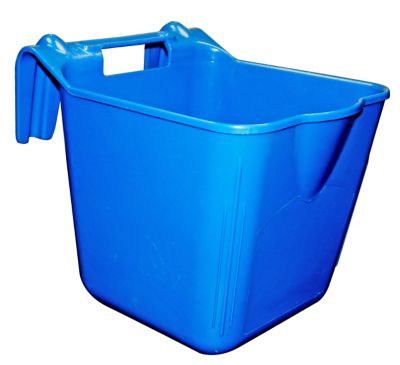
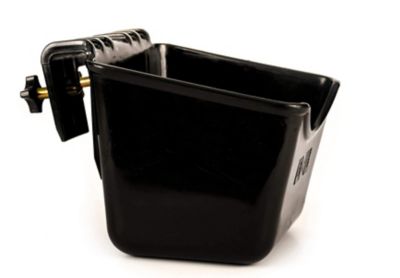
Horse Feed Containers provide another way to organize storage and serving needs at the barn. Clear identification matters just as much as the container itself, especially where horse grain, poultry feed, livestock supplements, or medicated feed share a feed room. Keeping the original label and lot information with the contents helps prevent mix-ups and preserves feeding directions. Bags intended for repeat filling should be suitable for feed contact and cleaned according to their care instructions; paper sacks generally are not suited to washing. Feed should never go into a sack that previously held chemicals or other unsafe materials. For the person carrying a measured ration to a paddock or sorting feed for several pens, sensible capacity and a manageable load count for more than an oversized bag. The right setup keeps the work straightforward: contents identified, closures secure, bags inspected, and each animal’s feed ready for the next round of chores.