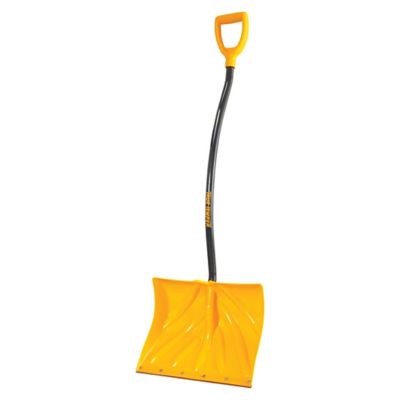
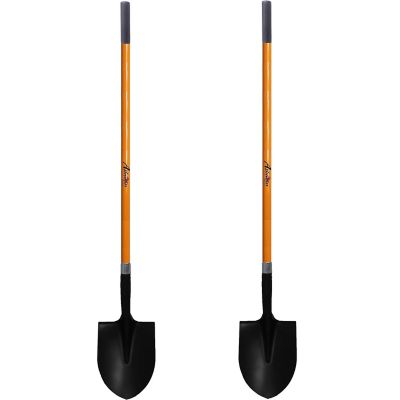
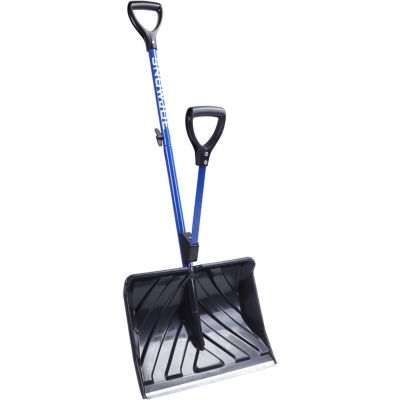
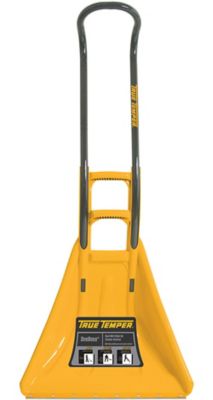
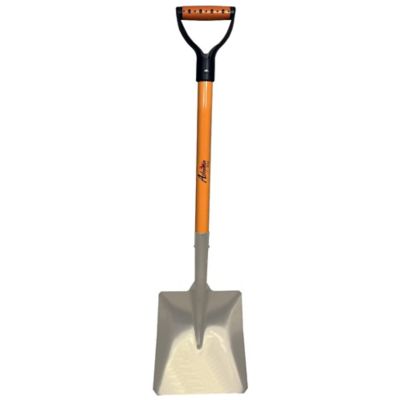
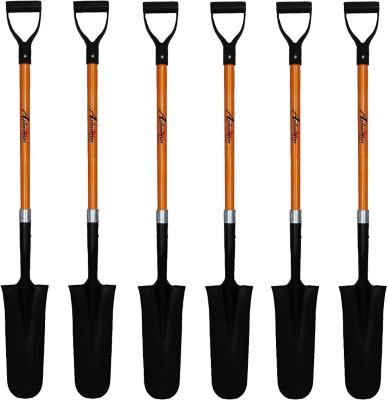
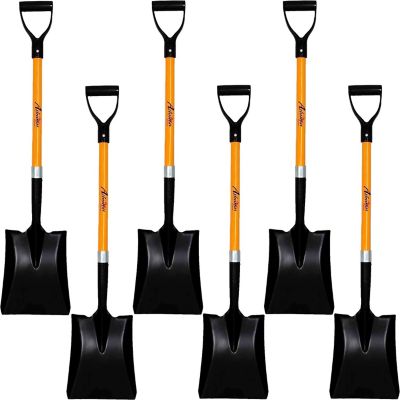
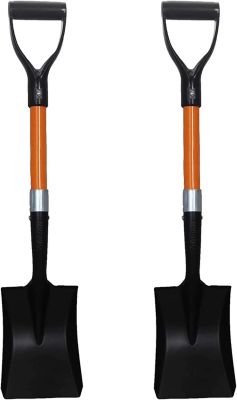
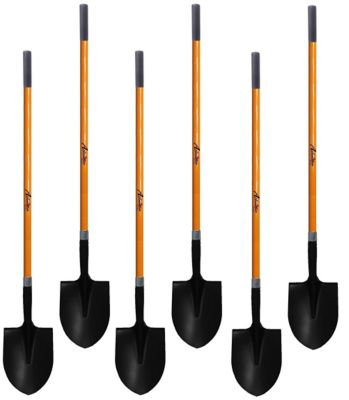
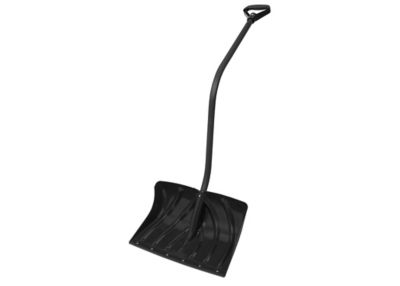
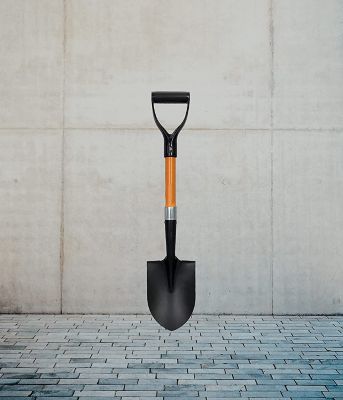
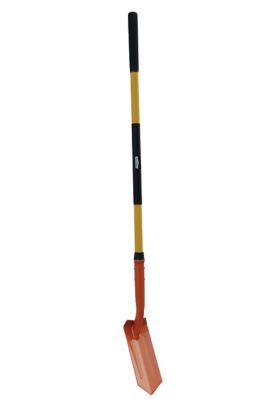
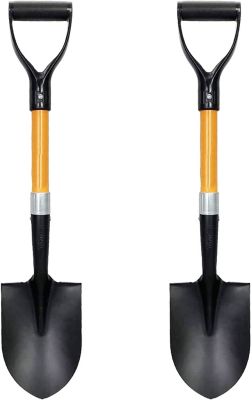
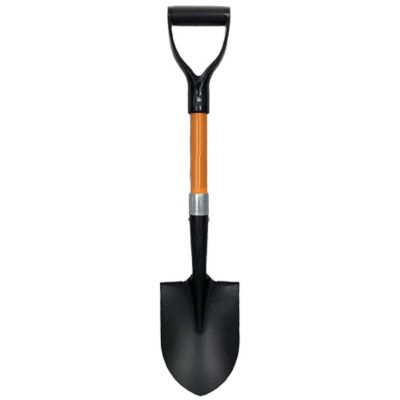
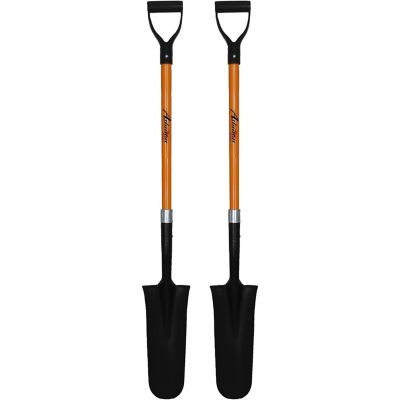
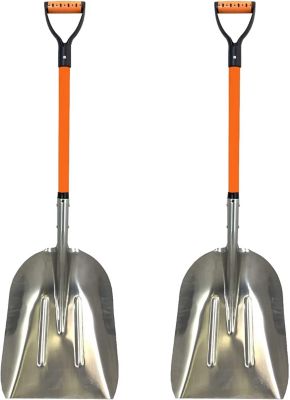
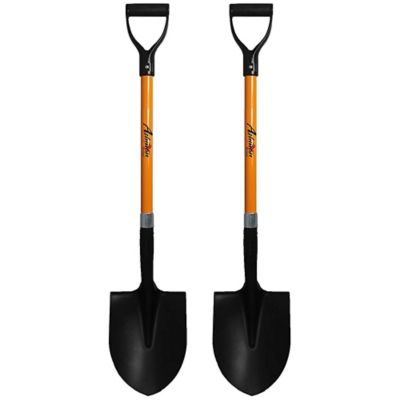
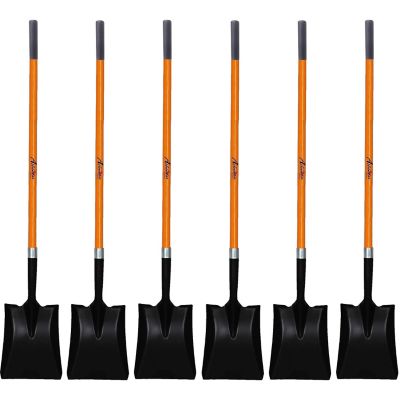
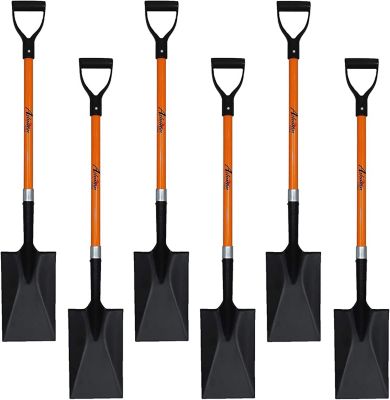
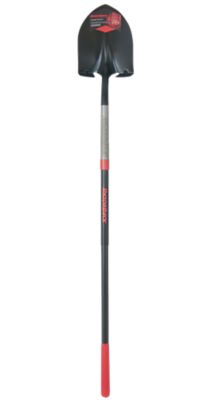
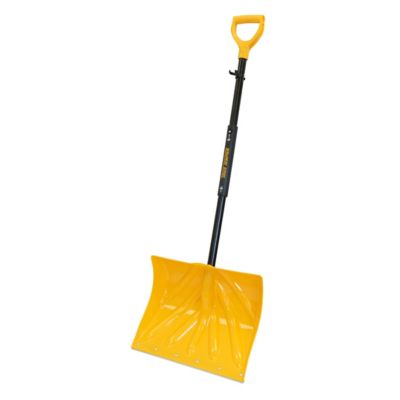
Ergonomic shovels are digging and scooping tools with handle shapes, shaft angles, or additional grip positions designed to help limit bending and support a more comfortable wrist position. Depending on the design, a curved shaft, angled grip, or second handle can bring the lifting point closer to the body and make a load easier to control. That can make a difference when there’s a stretch of garden bed to turn, loose soil to move around the barn, or a pile of compost waiting beside the wheelbarrow. The right shape depends on the work, though, and an ergonomic handle does not make every blade suitable for every job. A round-point blade concentrates pressure at the tip for breaking into soil, while its curved sides help hold material during a lift. A flat-edged spade suits straight borders, shallow cuts, and slicing through established turf. Broader scoop-style blades make sense for moving loose material, but a full scoop can get heavy quickly, especially with dense soil or gravel. Blade width, depth, and curvature all affect how much material comes up with each pass. For property owners, gardeners, and folks tending small livestock areas, matching that capacity to the task matters as much as choosing a comfortable grip. A modest blade can be easier to manage through repeated lifts than a larger one that encourages overloading. Foot steps along the top of a digging blade provide a place to apply boot pressure, although their width and shape vary. A broad, well-positioned step can feel steadier under a work boot than a narrow blade shoulder. Around a planting bed or fence line, these details help distinguish a shovel meant to cut into ground from one better suited to transferring a loose pile. Ergonomic features work best as part of that whole setup: a blade that fits the material, a shaft that suits the task, and a grip that lets the hands settle into a comfortable working position.
Fit is personal, and handle length is only one part of it. A taller person may appreciate extra reach that reduces the need to bend, while someone working beside a raised bed or inside a tight garden corner may favor a shorter overall tool for control. The distance between the upper grip and the lower hand position also affects leverage. A bent shaft changes where the lower hand rests, and a secondary handle can provide a separate lifting point without requiring the same reach down the shaft. Neither arrangement is automatically a better fit for every person or every chore. The
Long Handle Shovels collection provides another way to compare reach alongside grip shape and working position. D-shaped handles offer a defined place to hold the top of the tool, while ring-shaped grips may allow several hand positions. Straight handles leave more room to shift the hands along the shaft. Grip size deserves attention, too: a thick grip can be hard for smaller hands to close around, and a cramped opening can limit room for work gloves. Rounded edges and a surface that is easy to hold can matter over a long stretch of digging. The tool’s weight and balance count just as much as its handle shape. A light shaft paired with a heavy blade may feel different when empty than it does with a load of soil. Fiberglass shafts resist rot, wood handles offer a familiar feel, and metal shafts bring their own balance and weight considerations. Connections between the blade, shaft, and grip should feel firm, without movement that makes the load harder to steer. For shared tools on a family property, a straightforward grip with room for different hand positions may be more practical than a highly shaped handle that suits only one person. Comfort comes from the match between the person, the shovel, and the motion the job calls for.
Materials and construction help determine how an ergonomic shovel handles repeated chores and how much attention it needs between jobs. Steel blades are common for digging because they can take the pressure of entering firm ground, though blade thickness, reinforcement, and overall construction vary. Stainless steel offers resistance to rust, while coated steel relies partly on its finish to protect the surface. Aluminum blades keep weight down for moving loose material, but they are generally a different choice from a digging blade intended to enter packed soil. A reinforcing rib or shaped blade adds stiffness, and a well-supported connection at the socket helps keep the working end steady. Even a stout shovel has limits; buried rock, thick roots, and prying loads may call for another tool rather than extra force on the handle. Good care starts with keeping soil from sitting against the blade and moisture from lingering around the socket. A rinse or brush after the job, followed by drying before storage, helps protect the working surfaces. Wood handles benefit from attention to rough spots and an occasional suitable handle treatment, while fiberglass shafts warrant a check for cracks or splinters. Loose fasteners, a shifting grip, or a blade that moves at the connection are signs the tool needs attention before the next load. Hanging a shovel or keeping it supported off the ground also helps protect the edge and handle between chores. Those everyday details matter whether the tool spends its time filling planting holes, shifting bedding material, or moving soil from a trailer to a garden bed. An ergonomic shovel can also make a practical birthday or housewarming gift for someone settling into acreage or getting serious about a vegetable patch, especially when the handle fit and usual chores are already known. The most useful choice is not necessarily the biggest blade or the most elaborate grip. It is the shovel that carries a manageable load, feels steady in the hands, and suits the work waiting beyond the shed door.