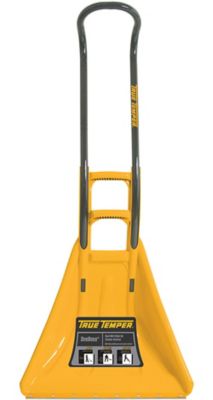
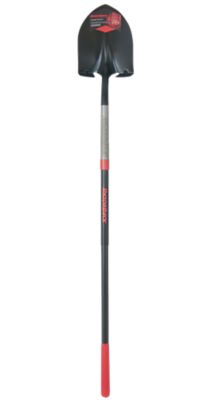
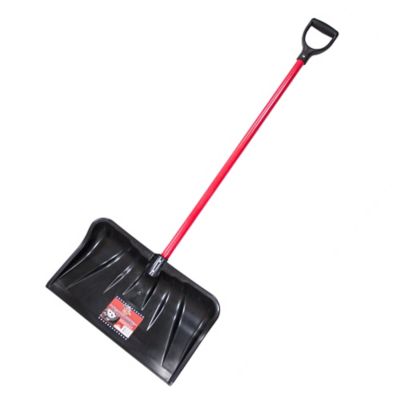
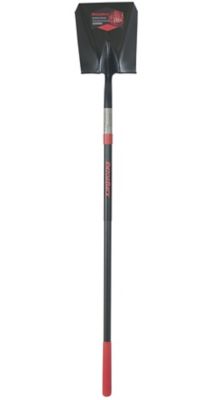
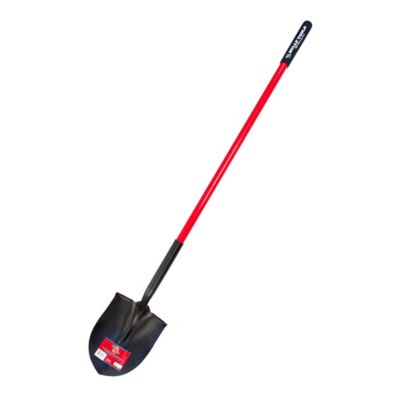
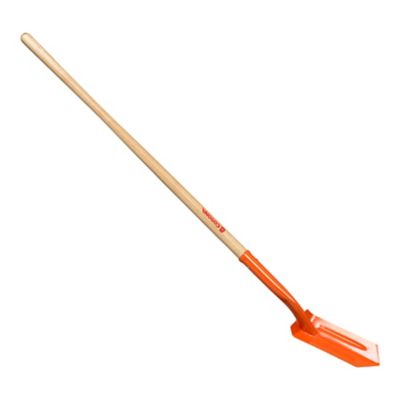
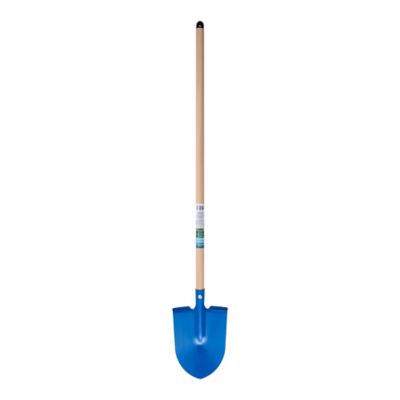
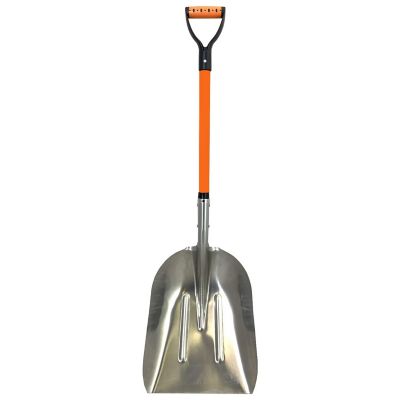
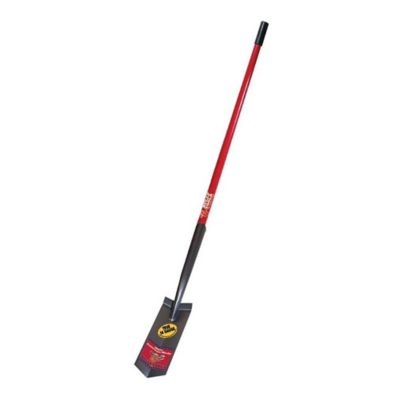
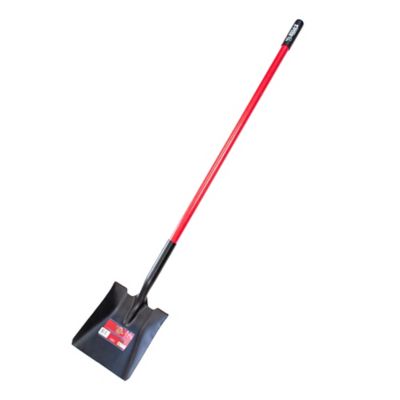
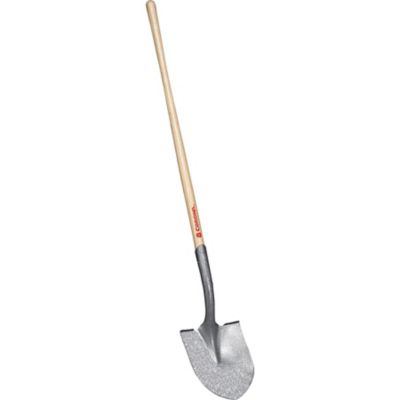
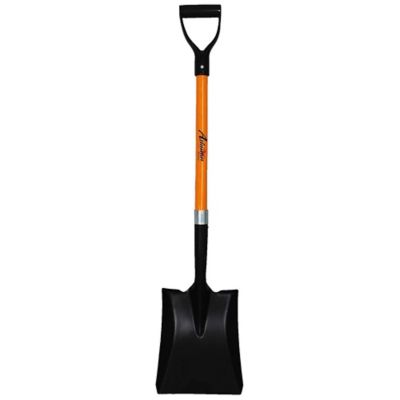
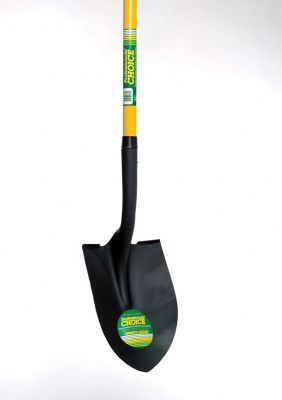
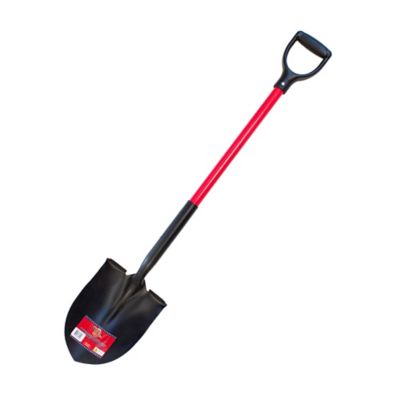
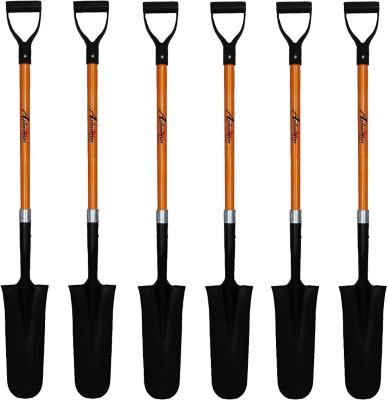
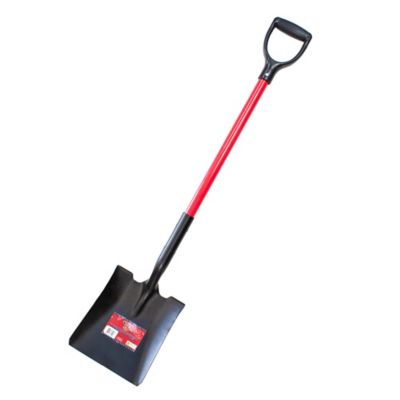
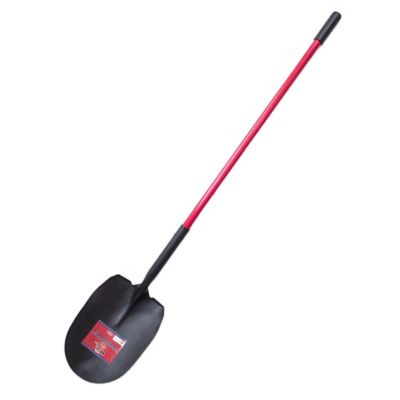
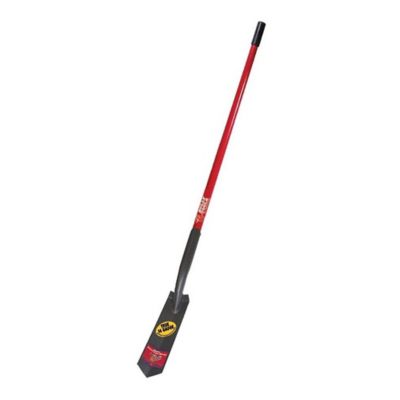
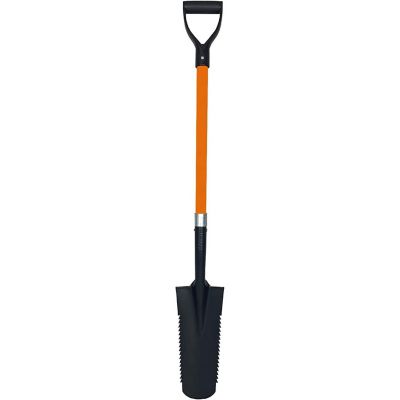
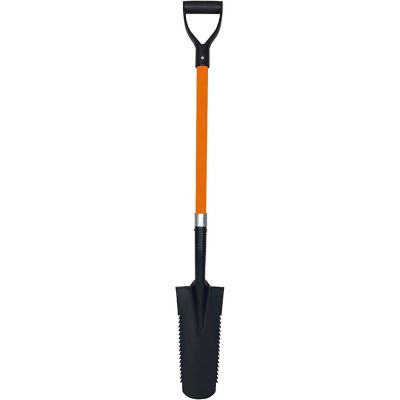
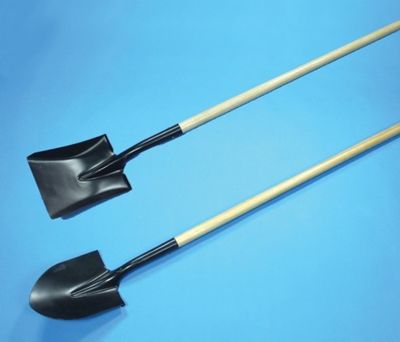
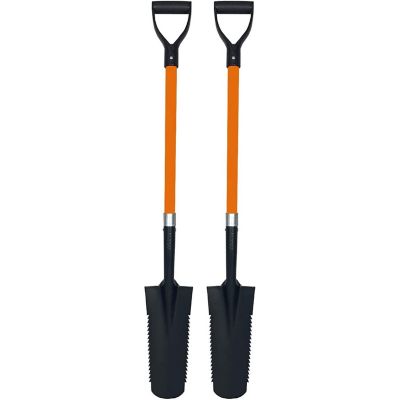
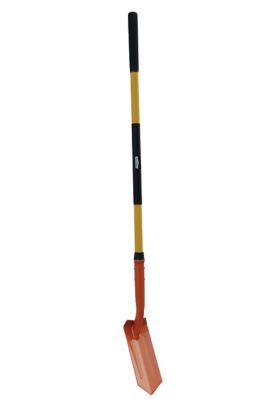
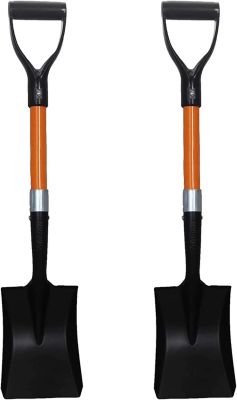
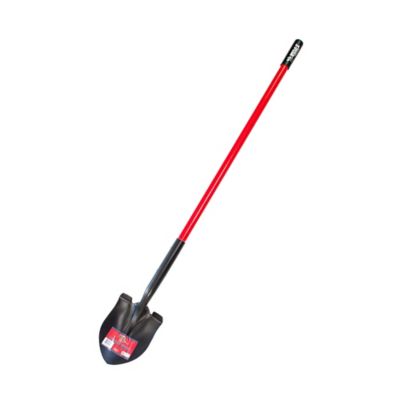
Long handle shovels bring extra reach and leverage to digging, lifting and moving loose material around the yard, garden and farm. The longer shaft gives both hands room to work apart, helping the person holding the shovel manage the blade without bending as deeply as a shorter tool might require. That makes these shovels a practical fit for planting shrubs, opening garden beds, clearing drainage channels and shifting soil beside a fence line. Blade shape has a big say in where a shovel works best. A round-point blade concentrates force at its tip to enter firm ground, while its curved sides help carry loosened dirt out of a hole. A square-point blade has a flatter leading edge suited to scooping loose soil, spreading gravel and gathering material from a relatively level surface. Narrow digging and drain-spade styles fit tighter spaces where a broad blade would remove more earth than the job calls for. Around a small acreage, those differences matter: digging a planting hole beside the barn asks something different of a shovel than transferring a pile of compost into a cart. Blade width and depth also affect how much material comes up with each scoop. A broad head may move fluffy mulch easily, but the same full scoop of heavy clay can be a handful. Smaller loads often offer better control than filling the blade to its edges. Foot steps along the top of some digging blades give a boot a place to press, and their width and shape influence how that pressure feels underfoot. Steel thickness, blade curvature and the connection between the head and handle all contribute to how a shovel behaves in the ground. Forged and formed-steel heads differ in construction, so weight, stiffness and the work expected of the tool deserve attention together. A shovel is built to dig and lift; stubborn stones and thick roots may call for a digging bar or another tool rather than extra force on the handle.
Handle material and fit make a noticeable difference over a full stretch of chores. Hardwood handles offer some natural flex and a familiar feel, with grain direction, surface smoothness and the fit at the shovel socket all worth a look. Fiberglass handles resist moisture absorption and avoid wood splinters, though their surface and connection points still need inspection for damage. Steel shafts can provide a stiff feel, with the trade-off of additional weight on some designs. None of these materials tells the whole story by itself. A comfortable shovel balances the head, shaft and grip so that guiding the blade does not feel like wrestling a fence post. Many long-handle shovels measure roughly 48 to 60 inches overall, but dimensions vary, and handle length is not always the same measurement as total tool length. A taller person may appreciate more reach, while someone working between closely spaced beds may prefer a length that is easier to turn and reposition. Longer is not automatically better: extra shaft length can become awkward when lifting into a tall container or working near branches, gates and outbuildings. Grip diameter matters, too. A shaft that feels comfortable in a bare hand may feel different with work gloves, especially when the task involves repeated scooping. Straight handles leave room to change hand position along the shaft and are common on long-reach digging tools. D-shaped grips provide a defined place for the upper hand, which some people prefer when lifting and turning a load. Textured grip areas can help with control, but sharp seams or rough spots can become distracting during repetitive work. A sound head-to-handle connection should feel firm rather than loose or rattling. For homeowners tending a large garden, livestock owners keeping pens tidy or grounds crews handling everyday earthwork, the best fit comes from matching the shovel’s reach and loaded weight to the person doing the work, not simply picking the longest handle or largest blade.
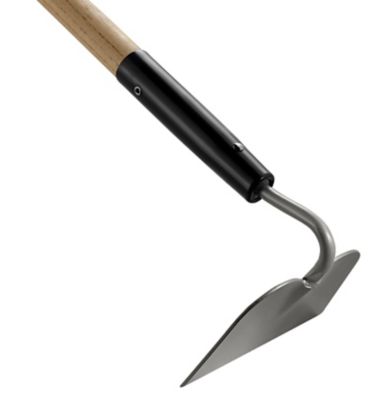
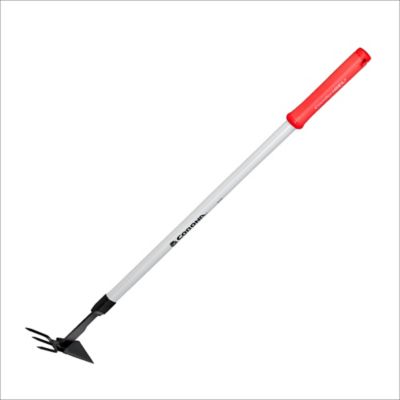
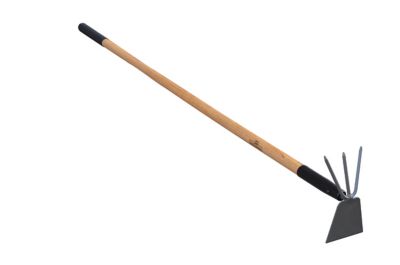
A long handle shovel earns its place in the tool shed through the range of ordinary jobs it can handle, from backfilling a repaired fence-post hole to moving a small pile of loose fill away from a gate. It also works alongside other long-handled tools rather than replacing every tool in the rack. For shallow cultivating, drawing soil into rows and clearing small weeds between established plantings,
Long Handle Garden Hoes cover different ground than a shovel’s deeper digging and lifting work. That division of labor helps keep each task manageable and limits unnecessary strain on the tool. Soil conditions matter as much as the chore itself: sticky clay can cling to a blade, sandy soil can slip from a shallow scoop, and rocky ground places more stress on the cutting edge and socket. A smooth blade surface releases soil more readily than one covered with dried buildup, making cleanup part of everyday performance rather than just appearance. Removing dirt, drying the head and keeping the tool off a damp floor help limit rust. Wood handles benefit from care appropriate to their finish, while fiberglass shafts need attention to cracks, exposed fibers and damage around the head connection. Loose fasteners, split wood or a bent blade are reasons to pause before another heavy lift. Edge maintenance depends on the shovel’s design; a digging blade may need a different edge than a transfer shovel intended mainly for loose material. Storage with the blade secured and the handle supported helps keep a crowded shed easier to move through. Safe digging also includes having buried utilities marked before breaking ground; fiberglass is not a substitute for electrical protection. With the right blade shape, a comfortable handle and routine care, a long handle shovel can become a familiar working tool for garden projects, property upkeep and the chores waiting beyond the back door.