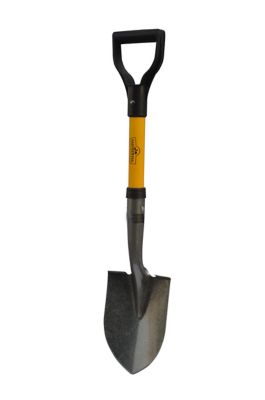
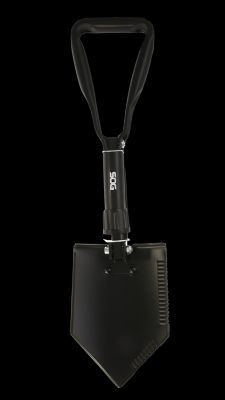
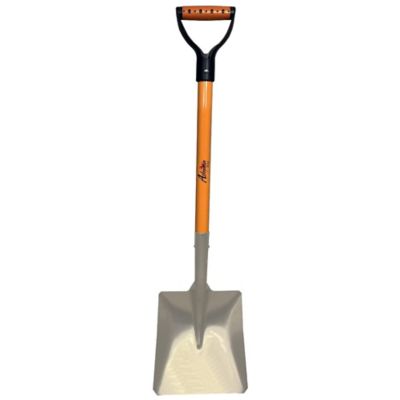
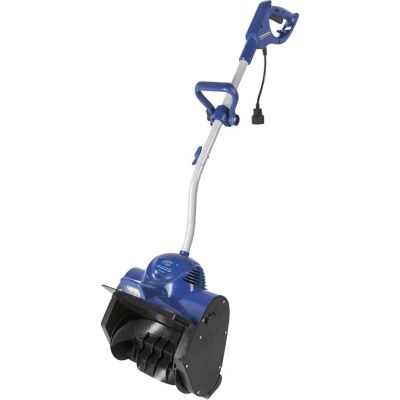
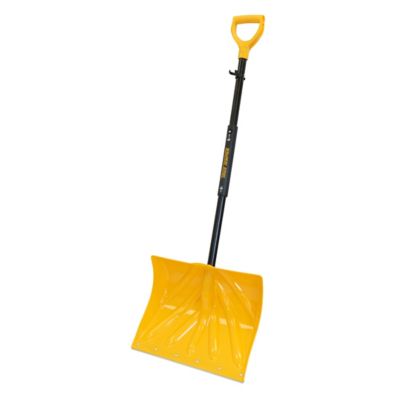
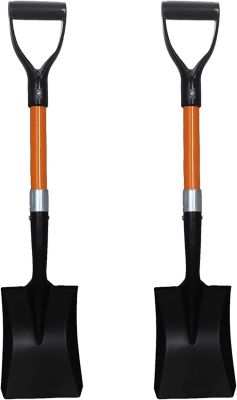
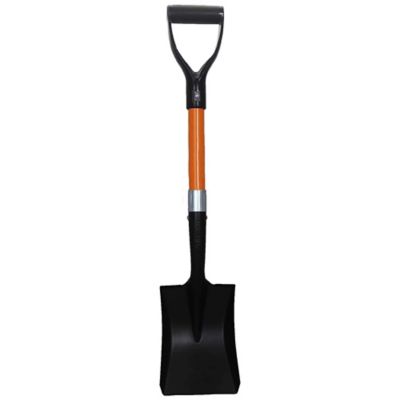
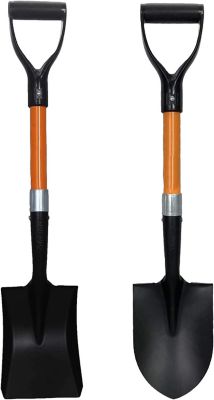
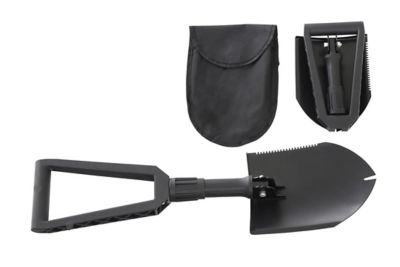
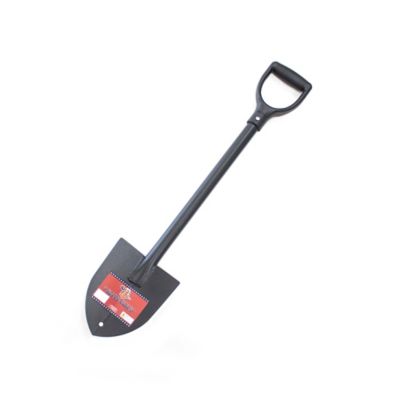
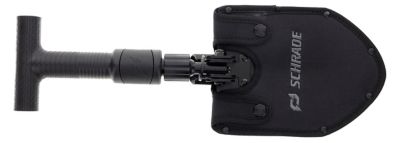
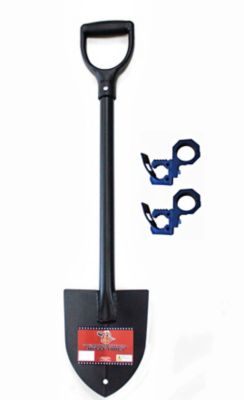
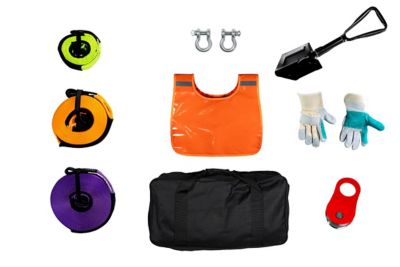
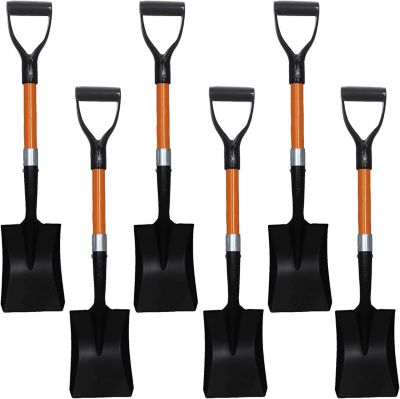
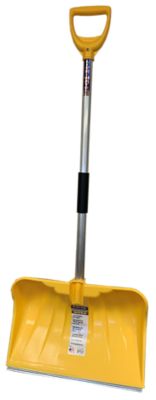
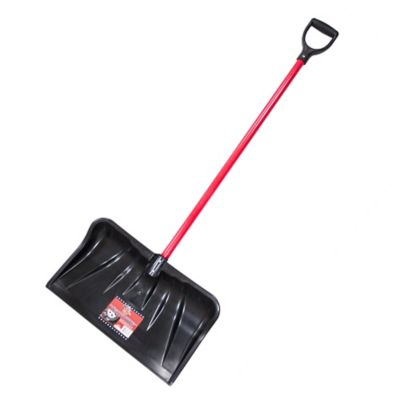
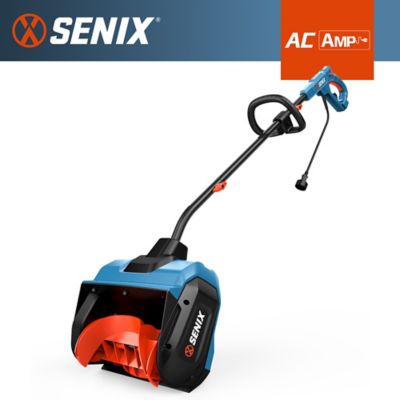
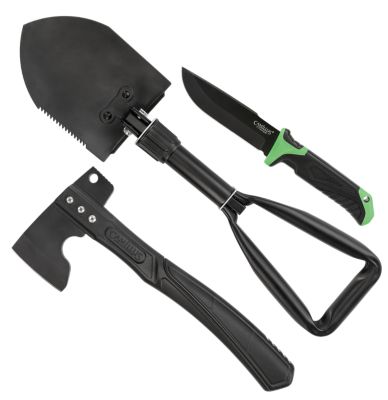
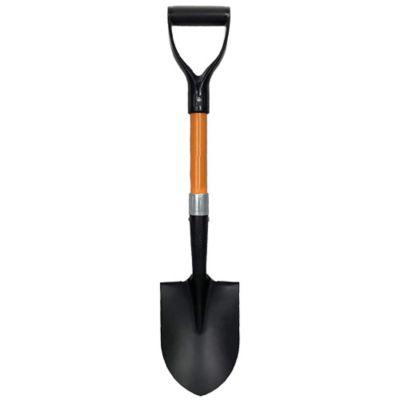
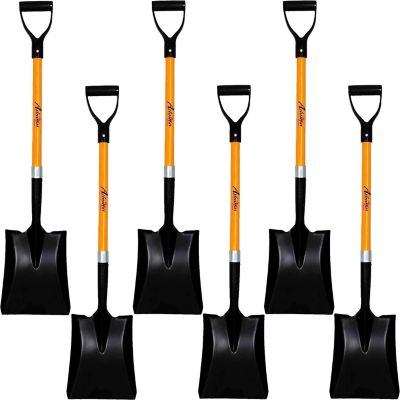
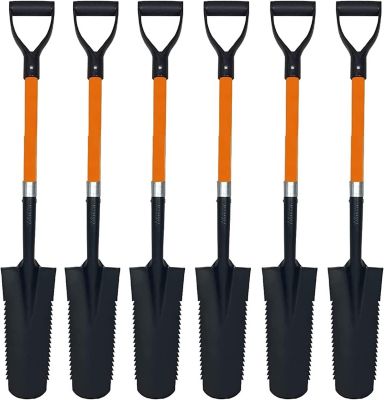
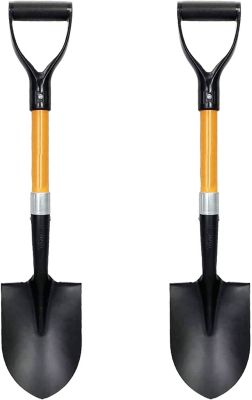
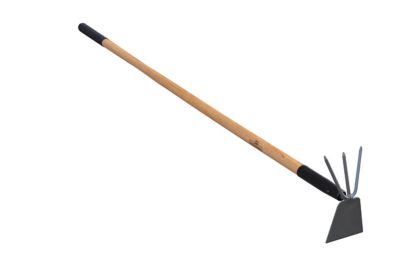
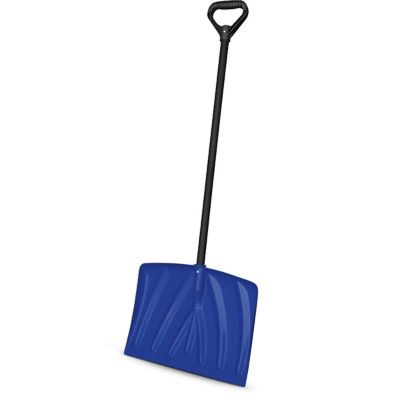
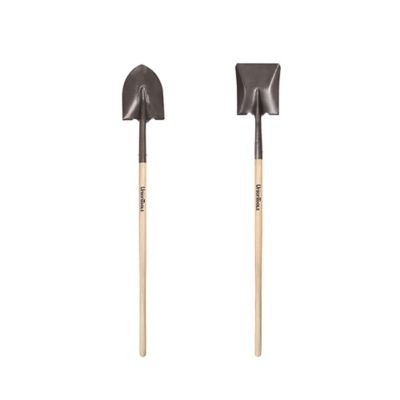
Compact shovels are handy tools for jobs where a full-size shovel is more bulk than you need. They fit neatly in a truck box, shed, tack room, garden cart, camping tote, or emergency kit, while still giving you the digging and scooping power needed for everyday chores. Depending on the design, a compact shovel may have a fixed short handle for steady garden work or a folding shaft that packs down for easy transport. Short-handled models are useful around raised beds, flower borders, fence posts, animal pens, and other places where a long handle is awkward. They are also a good choice for keeping beside the front steps or in a mudroom when you want a practical tool that does not take up much room. Folding entrenching-style shovels are especially useful for camping, hunting, trail work, overlanding, and vehicle emergency supplies. They can help clear loose dirt, sand, gravel, or snow around tires, level a small campsite, dig a drainage channel, or move material away from a stuck trailer jack. During the cooler months, a compact shovel can be a sensible addition to a vehicle kit for clearing packed snow near tires and steps. In warmer weather, it can travel easily to the garden, campsite, jobsite, or hunting cabin. For a broader selection of short, space-saving digging tools, browse
Small Shovels.
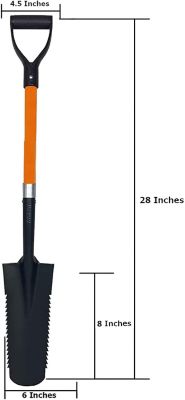
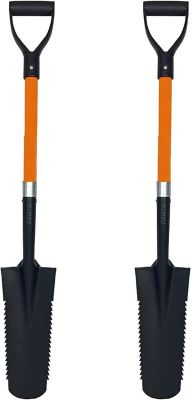
When choosing among compact shovels, start with the work you expect to do most often. A fixed short-handle shovel generally feels more solid when you are breaking into firm garden soil, turning compost, digging around a post, or moving a heavier load. A D-grip can give you a comfortable handhold and added control, particularly when working close to the ground. A folding shovel is easier to store and carry, making it a natural fit for a backpack, saddlebag, trunk, toolbox, or bug-out bag. The tradeoff is that folding joints and locking collars need to be sturdy and properly secured before use. Look for a mechanism that holds the shaft rigidly without noticeable wobble, and check that it is easy to operate even when your hands are cold or muddy. Weight matters, too. Steel heads are well suited to demanding digging and can stand up to roots, packed earth, and rough ground, while lighter polymer designs are convenient for loose snow, sand, mulch, and general cleanup. High-carbon steel and manganese steel are commonly valued for strength and edge retention, although any shovel will last longer when it is used for the work it was built to handle. Consider the blade shape as well. A pointed or rounded blade can help start a hole and break into firmer soil, while a straighter edge is useful for scraping, trenching, trimming loose material, and creating a flatter bottom. Serrated edges may help cut through roots, weeds, and stubborn ground cover, though they are not a substitute for a saw or digging bar when the material is especially tough. A powder-coated or treated finish can help protect the metal from moisture, but wiping away dirt and drying the shovel after use is still a good habit. If the tool folds, a carry pouch can keep the blade covered and prevent it from scuffing other gear.
Compact shovels are useful for a wide range of people because they solve small problems before those problems turn into big inconveniences. Gardeners can use them for planting, dividing perennials, cleaning narrow rows, and working around established plants without disturbing a whole bed. Property owners may keep one near a woodpile, chicken coop, greenhouse, or gate for quick cleanup. Campers and hunters appreciate a tool that takes up little room but can handle fire-ring cleanup, tent-site preparation, and muddy trail conditions. Farmers, landscapers, and outdoor workers may use a compact shovel for touch-up work when bringing a full digging tool is not practical. They also make thoughtful gifts for someone setting up a first truck kit, building a camping loadout, maintaining a rural property, or preparing a new garden. A compact shovel can be particularly welcome for a college student or new homeowner who needs useful tools without having space for a full workshop. Before choosing one, think about where it will live, how far it will be carried, and whether the main task involves soil, snow, sand, gravel, mulch, or mixed materials. Check the overall length, folded size, head width, handle comfort, construction, and storage options. A shovel that feels balanced in your hands is easier to control, and a size that fits your storage space is more likely to be ready when you need it. Keep the blade clean, avoid using a shovel as a pry bar unless it is specifically designed for that purpose, and inspect folding parts for dirt or wear. With the right match of handle style, blade material, edge design, and locking system, compact shovels can earn a permanent place in the truck, garden shed, camping gear, or emergency supplies.