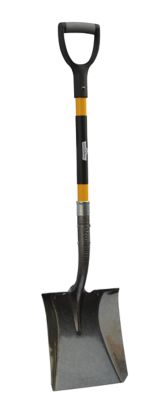
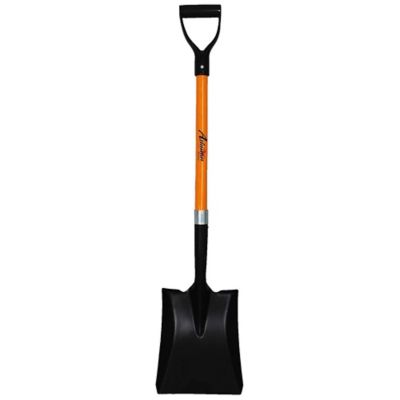
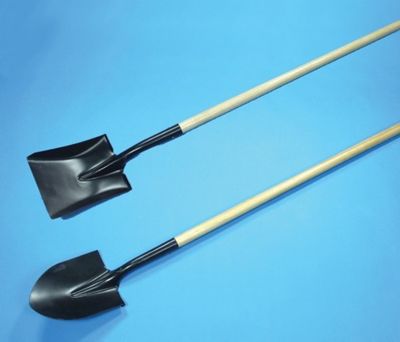
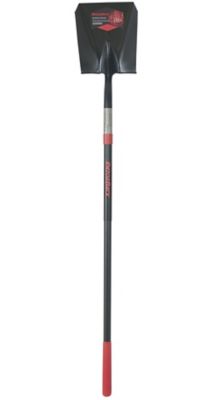
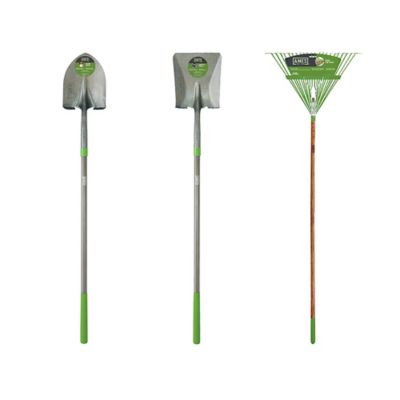
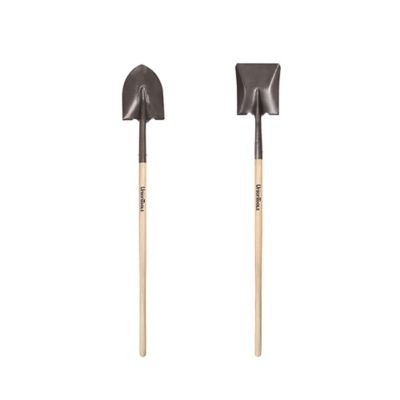
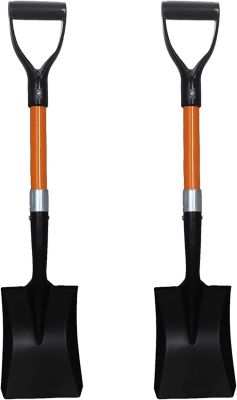
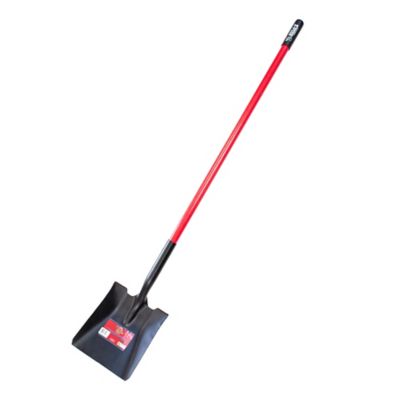
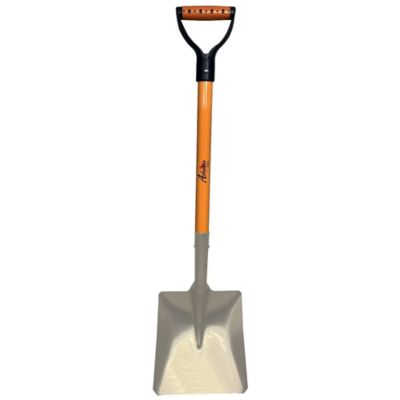
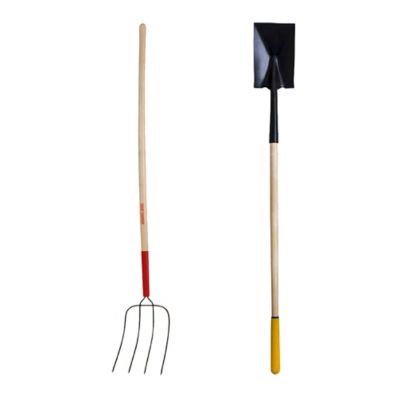
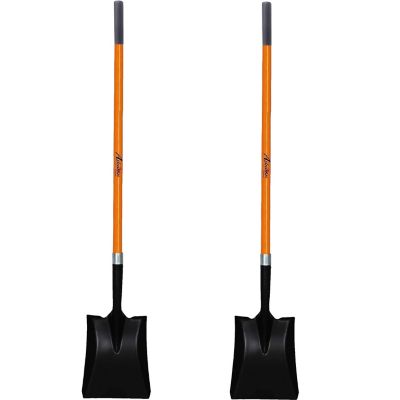
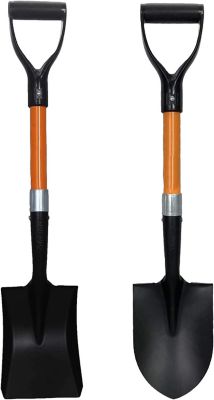
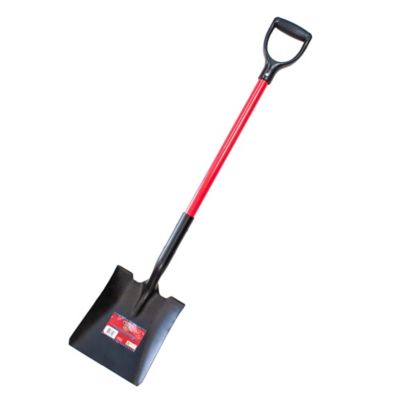
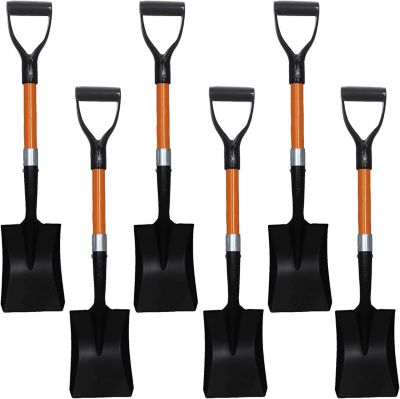
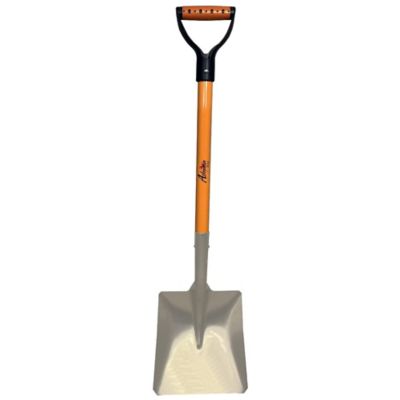
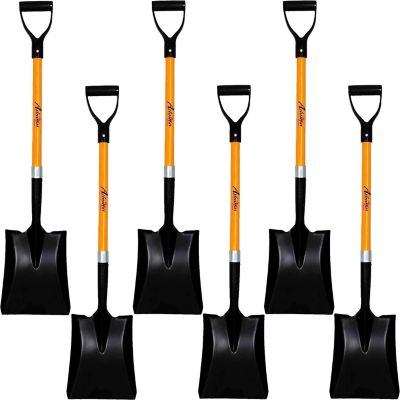
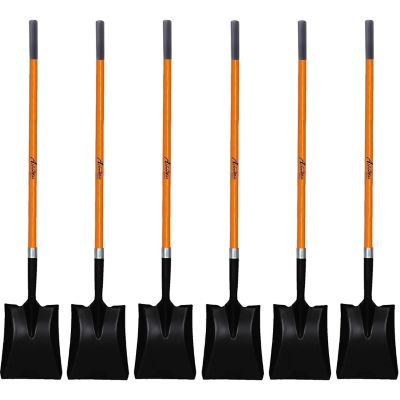
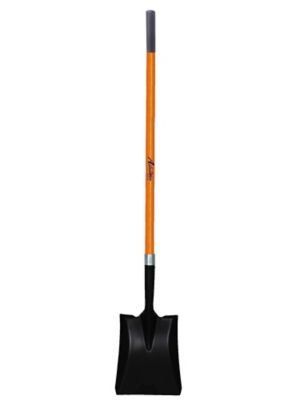
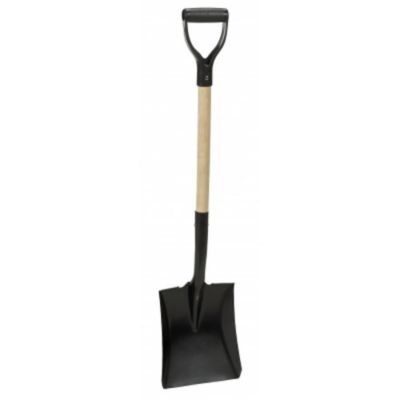
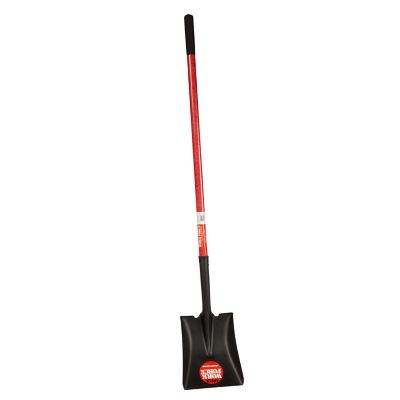
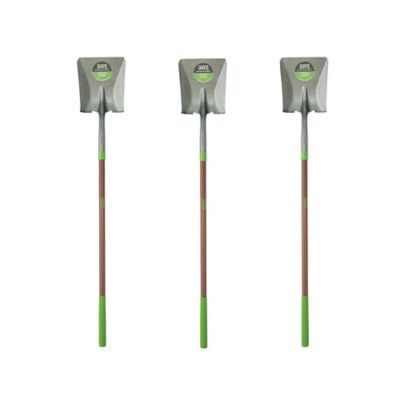
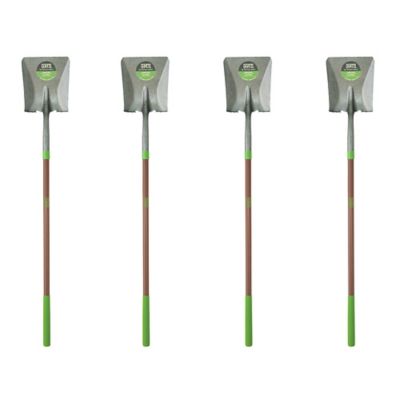
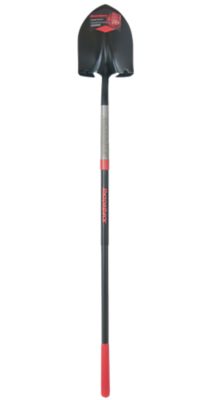
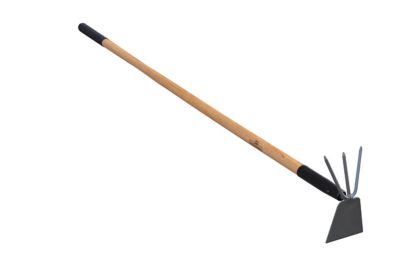
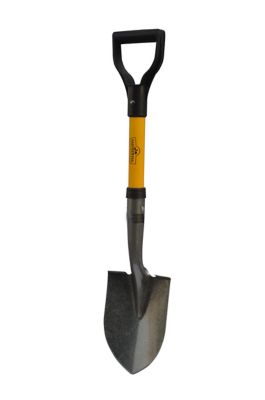
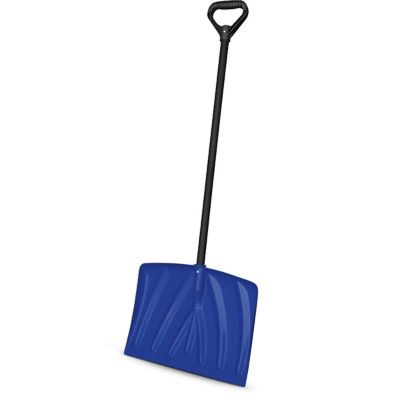
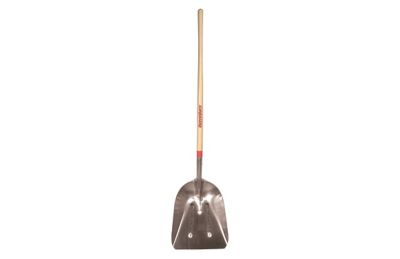
Square shovels, also called square-point shovels, are handy tools for moving, scooping, scraping, and leveling loose material around the yard, farm, workshop, and jobsite. Their flat, rectangular blades are made to carry more material in a single load and leave a cleaner, flatter surface than a pointed digging shovel. That broad, straight edge works well for scooping soil, mulch, compost, sand, gravel, animal bedding, snow, and other loose materials, especially when the pile is sitting on a driveway, trailer bed, feed room floor, or packed stretch of ground. A square shovel can also help spread topsoil across a garden bed, pull material into a wheelbarrow, fill low spots, or smooth out a trench before the next step of a project. The blade’s squared corners are useful when you need to work along an edge or scrape material away from a wall, curb, stall door, or other flat surface. While a square-point shovel is not meant to replace a round-point shovel for deep digging, roots, or breaking hard ground, it is a dependable choice for the everyday work of moving and finishing material. On a small property, one may live beside the back door for quick cleanup, while another stays in the barn, truck, or shed so it is close at hand when a load of gravel needs spreading or a walkway needs clearing.
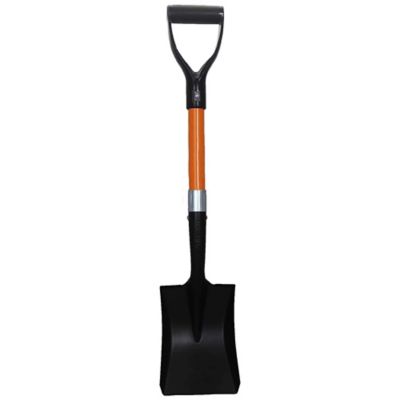
When choosing a square shovel, start with the material and the way you expect to use it. A sturdy steel blade is a practical choice for heavier loads and regular work, while a lighter design may be easier to handle during longer jobs or repeated scooping. Blade size matters, too. A wider blade can move more mulch, snow, or soil with each pass, but a narrower blade may feel easier to control in tight spaces or when working around plants. Look for a flat cutting edge that sits evenly against the ground, along with a strong connection between the blade and shaft. A forward-turned step, sometimes called a footrest, gives your boot a secure place to press when a little extra force is needed to slide the blade beneath compacted material. Handle style comes down to reach, leverage, and personal comfort. Long-handle square shovels provide more reach and can be comfortable for loading, leveling, and clearing without as much bending. A D-grip or short-handle style offers closer control and can be useful in truck beds, raised beds, stalls, or other confined areas. Wood handles bring a traditional feel and a bit of natural flex, while fiberglass handles are valued for durability and resistance to weather-related wear. Consider the user’s height, strength, and typical workload, since the best shovel is one that feels balanced when full rather than awkward or top-heavy.
Square shovels make useful additions to a range of tool collections and can be thoughtful gifts for new homeowners, gardeners, farmers, ranchers, do-it-yourselfers, and anyone who spends time maintaining a driveway, yard, barn, or acreage. They are practical during the cooler months when snow, wet leaves, and windblown debris collect on hard surfaces, and they remain useful as outdoor projects pick up and materials need to be moved, spread, or cleaned up. A square shovel can help a new homeowner handle mulch delivery, refresh a gravel path, or tidy the area around a shed without needing a large assortment of specialty tools. Gardeners often use one to transfer compost and soil, shape the edges of beds, or spread amendments before planting. Around the farm, it may be used for feed-room cleanup, bedding, manure, grain spills, and general chores where a broad blade saves time. For lighter-duty work in compact spaces, explore
Small Shovels as another option. To keep a square shovel ready for the next job, knock off packed dirt after use, rinse away corrosive residue such as fertilizer or salt, and let the blade dry before storing it. A light coat of protective oil on a clean metal blade and an occasional check of the handle, grip, and blade connection can help keep this hardworking tool in good shape through changing weather and busy seasons.