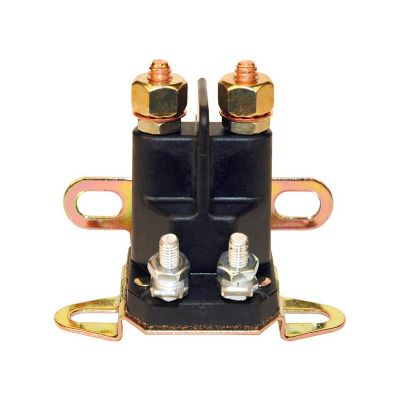
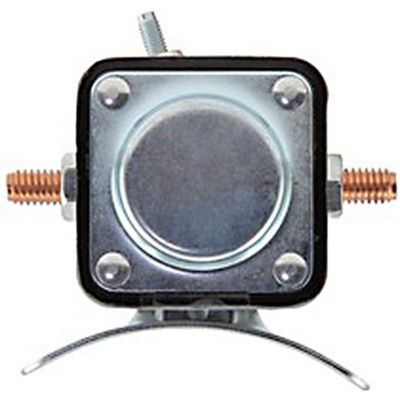
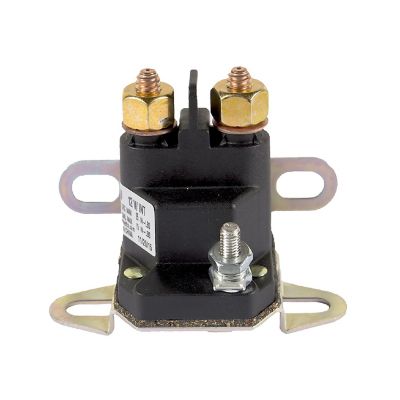
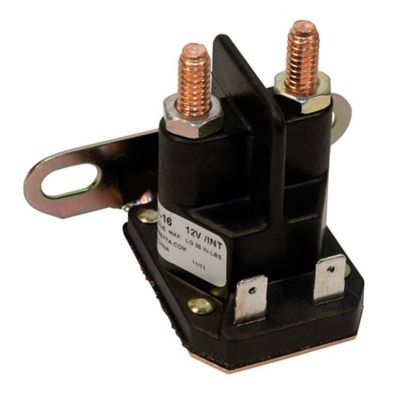
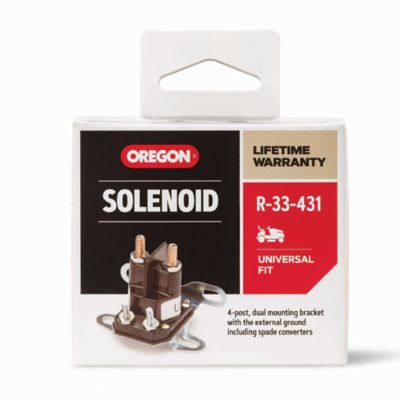
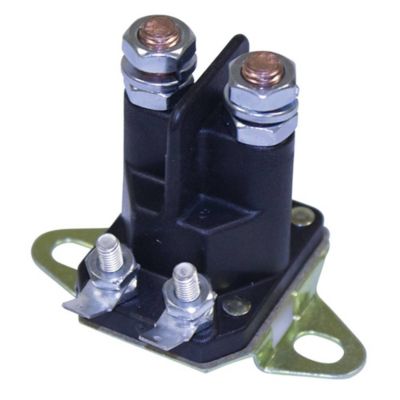
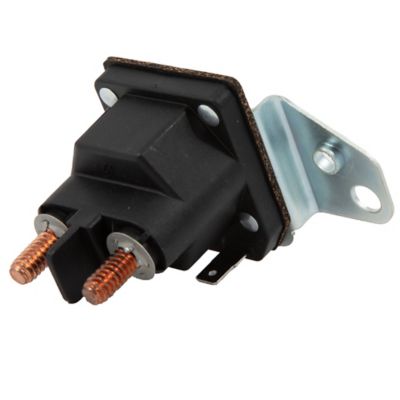
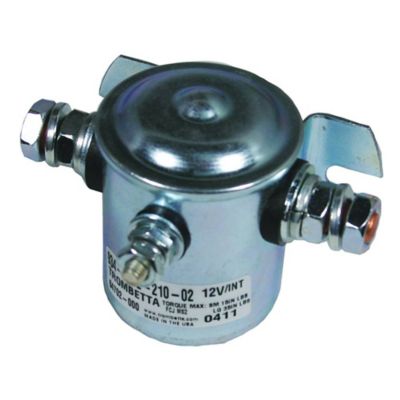
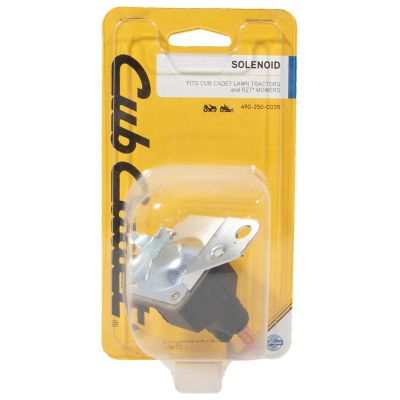
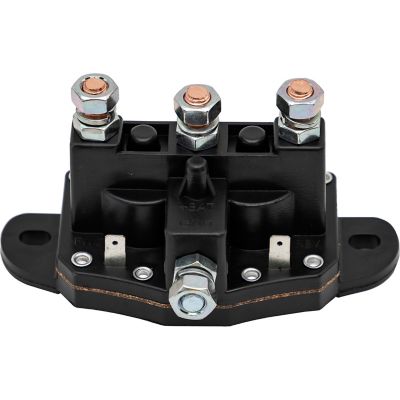
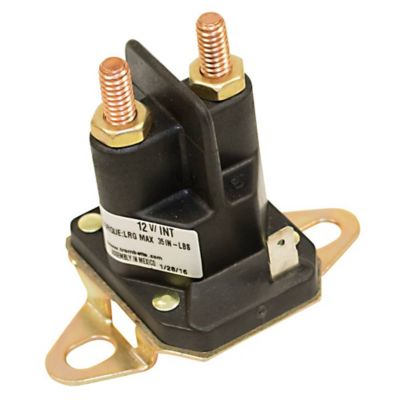
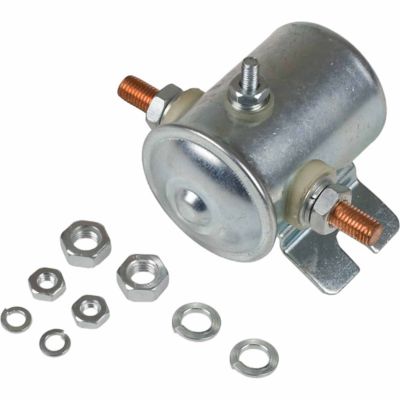
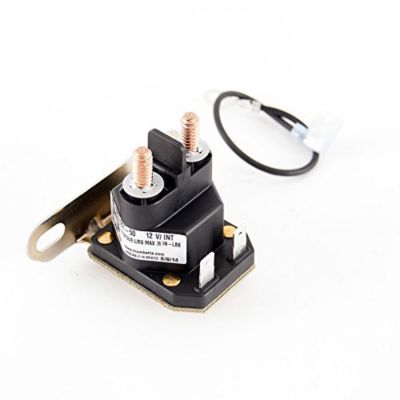
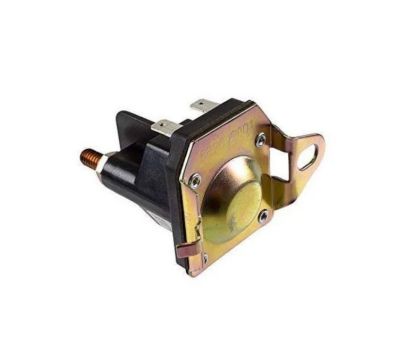
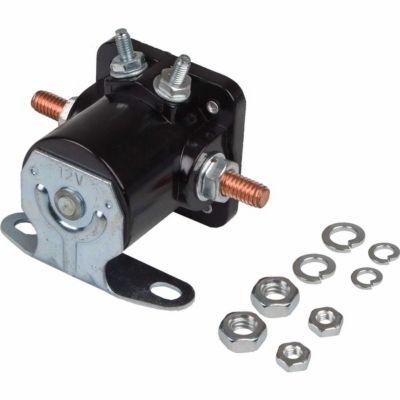
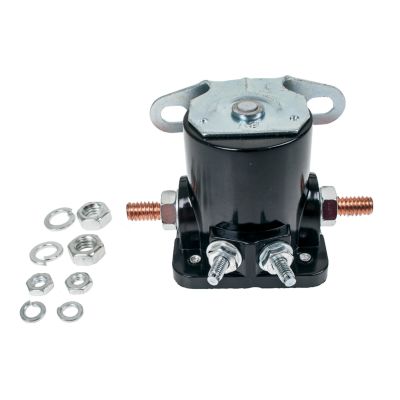
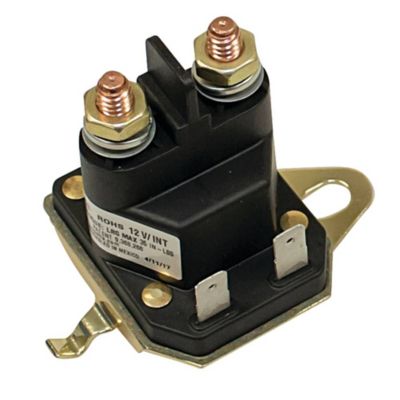
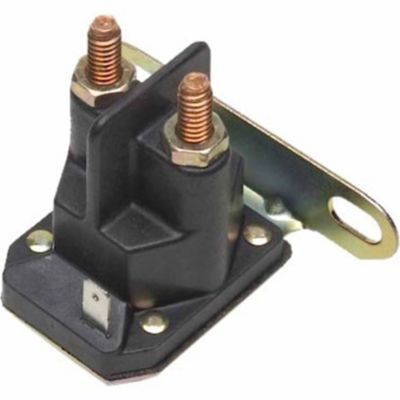
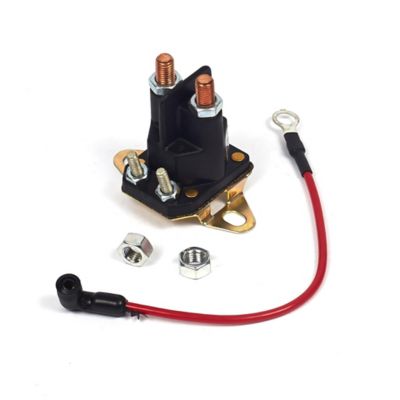
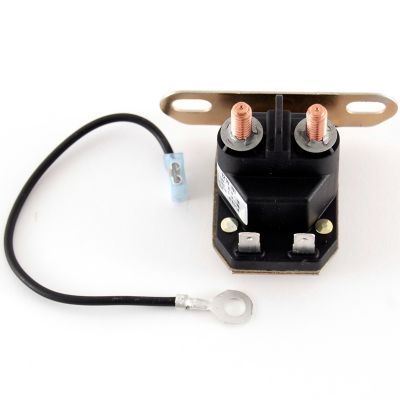
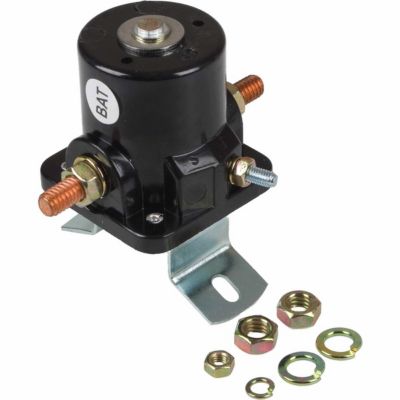
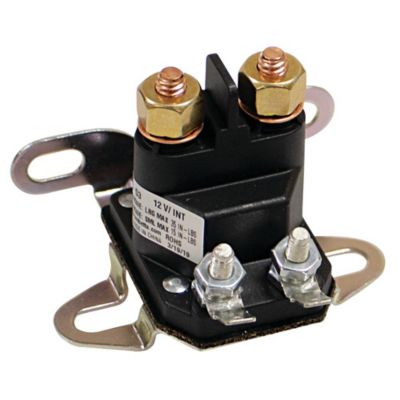
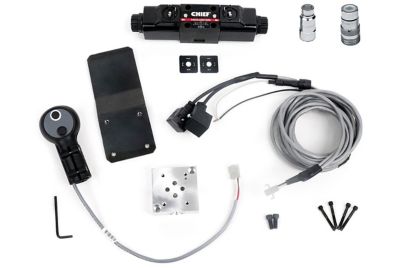
Electric solenoids are compact electromechanical parts that turn electrical energy into straight-line movement. Inside a typical solenoid, a tightly wound coil of wire creates a temporary magnetic field when electricity passes through it. That field draws a metal plunger or armature into the center of the coil, creating a pushing or pulling action. When power is removed, a spring or the movement of the connected equipment returns the plunger to its resting position. This simple motion makes electric solenoids useful in a wide range of farm, home, shop, vehicle and equipment applications. Depending on the style, an electric solenoid may operate a latch, move a linkage, engage a mechanism, or open and close a passage for water, air or another compatible fluid. Solenoid valves are commonly used in irrigation, watering systems, appliances, compressed-air equipment and automated controls, while linear solenoids can handle tasks such as releasing a catch, shifting a lever or moving a small mechanical assembly. Starter solenoids serve a different but equally important job by helping route high current to a vehicle or machine starter. When a tractor, utility vehicle or piece of equipment has trouble cranking, the solenoid may be part of the starting circuit that needs to be tested. Electric solenoids can also be found in livestock and agricultural equipment, shop machinery, access controls, fuel systems and custom projects where a dependable electrical signal needs to create quick mechanical action. For many repairs, the solenoid is the quiet part behind the scene: a small click under a hood, inside a control box or near a valve can set a larger system in motion.
Choosing the right electric solenoid starts with matching the electrical specifications to the equipment. Check the operating voltage carefully, since a solenoid made for one voltage may not work properly on another and could overheat or fail if connected incorrectly. Common systems use low-voltage direct current, while some equipment and valves are designed for alternating current. The available power supply, wiring, fuse or control switch should all be suitable for the solenoid’s voltage and current draw. Next, consider the movement needed. A pull-type solenoid draws the plunger inward, a push-type design drives it outward, and some models can be arranged for either action depending on the linkage. Compare the required stroke length, available force and mounting space with the original part or the project’s design. A solenoid that has plenty of force at the beginning of its stroke may have less force as the plunger moves farther out, so the working position matters. For valve applications, look at the port size, flow direction, pressure range, fluid compatibility and whether the valve is normally open or normally closed. A normally closed valve stays shut until energized, while a normally open valve allows flow until power closes it. This detail affects how a watering setup, air line or automatic control behaves during a power interruption. Duty cycle is another important consideration. Some solenoids are built for a brief pulse, such as releasing a latch or engaging a starter, while others are rated for longer energized periods. Using an intermittent-duty part continuously can create excess heat. For outdoor, dusty or damp locations, review the enclosure and environmental rating, protect connections from moisture and dirt, and keep the solenoid mounted where it will not be struck by tools, livestock or loose debris. Connector style, wire leads, mounting holes, return spring action and plunger dimensions are small details that can determine whether installation goes smoothly. Before ordering a replacement, compare the markings, measurements and wiring arrangement on the existing unit, then follow the equipment maker’s service information. In control panels where a low-power signal operates a larger circuit, shoppers may also want to compare related components such as
Electrical Relays, which use an electrical signal to switch another circuit rather than create the same direct linear motion.
Electric solenoids are a practical choice for maintenance workers, farmers, ranchers, mechanics, equipment operators, hobby builders and anyone repairing an automated system around the house or shop. They can help simplify a project by replacing a hand-operated lever with a button, timer, sensor or controller. In a livestock watering setup, a properly matched solenoid valve can help manage water flow; in an irrigation system, it can work with a controller to send water to different zones. On a workbench, a small linear solenoid may be used in a latch, sorting mechanism or homemade control project. On a vehicle or tractor, a starter solenoid can be part of the high-current starting system, where clean connections and secure grounds are especially important. These parts are also useful to keep in a well-organized repair cabinet when the equipment is essential to daily work and a failure cannot wait for a long parts search. They are not usually a traditional gift, but a carefully selected solenoid can make a thoughtful addition to a tool collection for someone who enjoys rebuilding equipment, wiring trailers, restoring older machinery or creating practical shop projects. The best choice depends on the job rather than appearance, so match the part to the machine, voltage and operating conditions before installation. Disconnect power before working on wiring, relieve pressure before servicing a valve or air line, and use the proper fuse, wire size and protective equipment for the circuit. During the cooler months, reliable starting systems and protected water controls become especially valuable, while changing weather can expose outdoor wiring and valve assemblies to condensation, mud and freezing conditions. Keep connections clean, route wires away from heat and moving parts, and inspect plungers and linkages for rust, grit or binding. A solenoid should move freely and operate within its rated limits; a buzzing sound, slow response, excessive heat or repeated fuse failure can point to incorrect voltage, overload, poor connections or a mechanical problem elsewhere in the system. With the right specifications and a careful installation, electric solenoids offer a straightforward way to add dependable push-pull motion or automatic flow control to equipment used on the farm, in the garage and around the home.