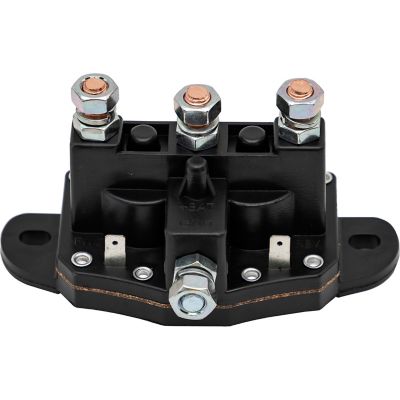
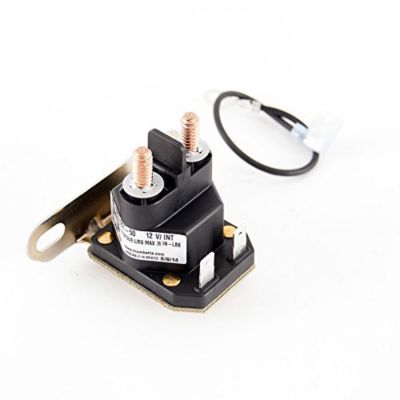
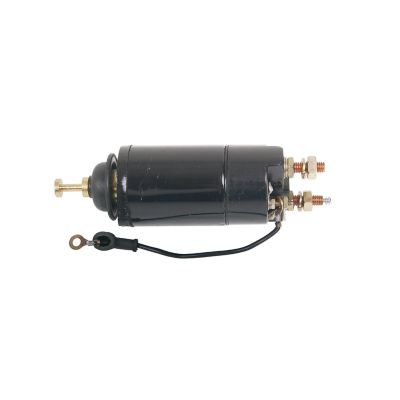
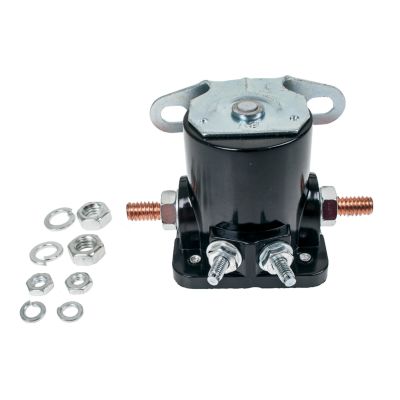
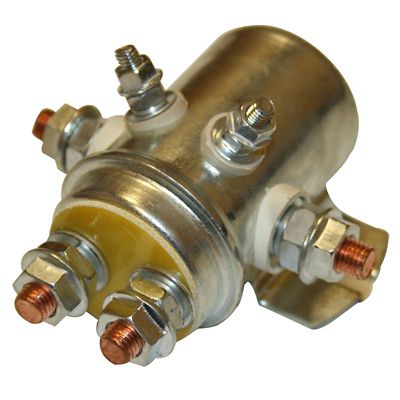
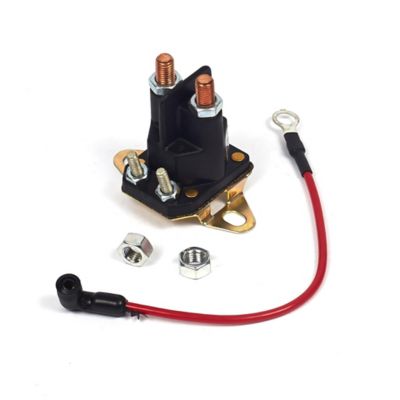
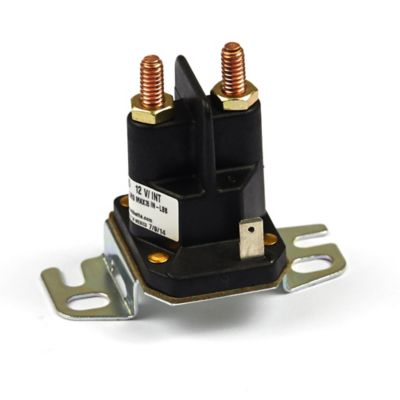
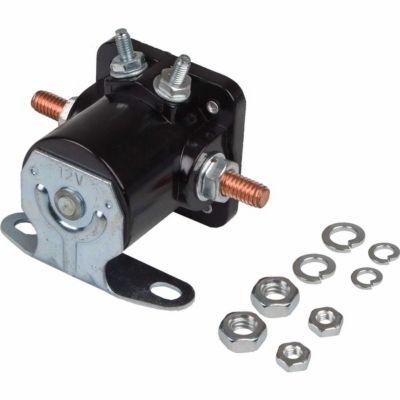
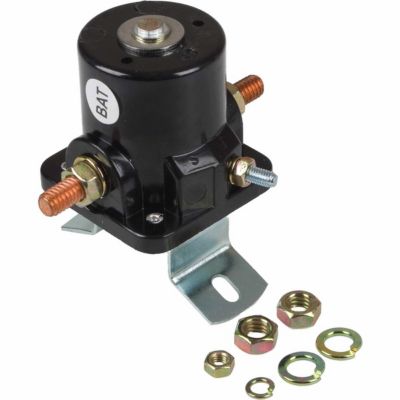
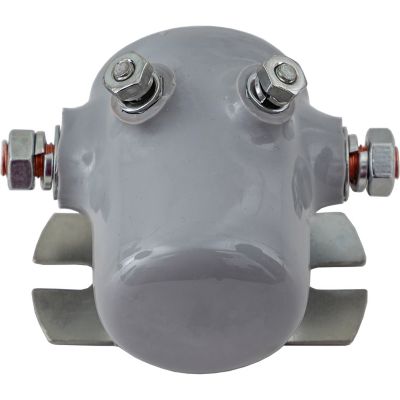
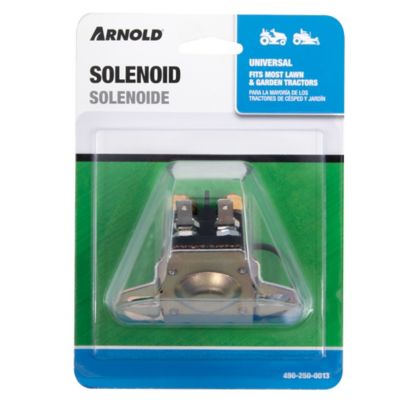
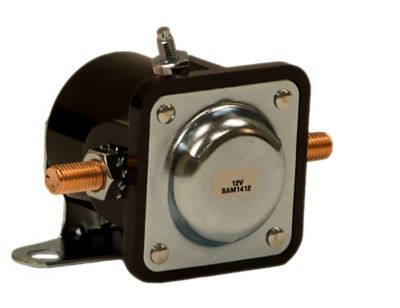
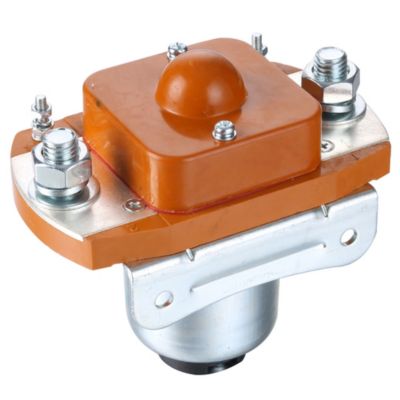
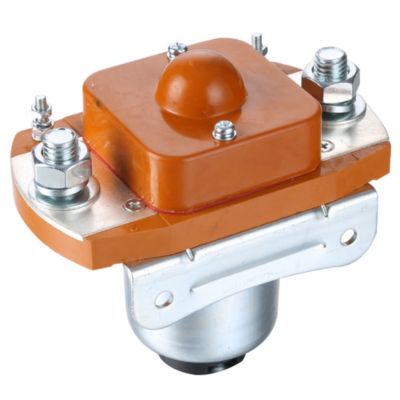
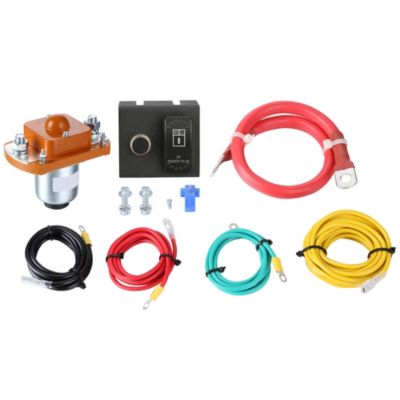
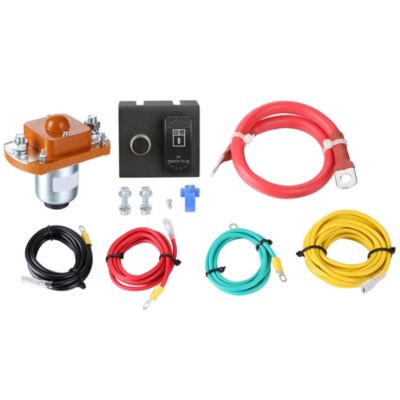
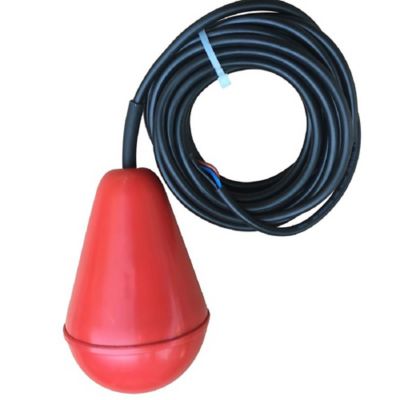
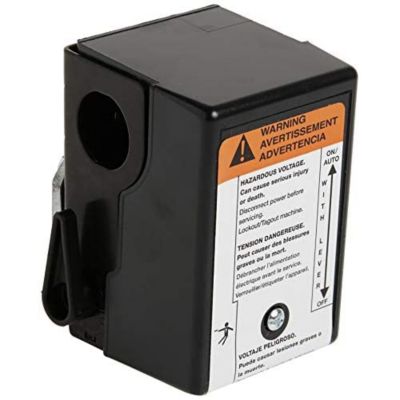
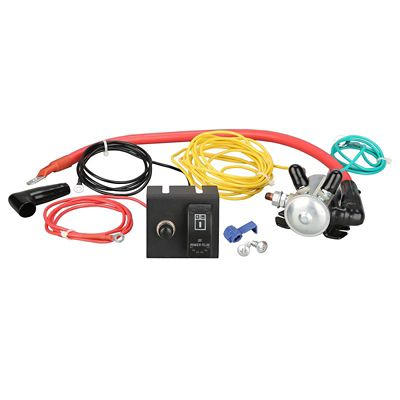
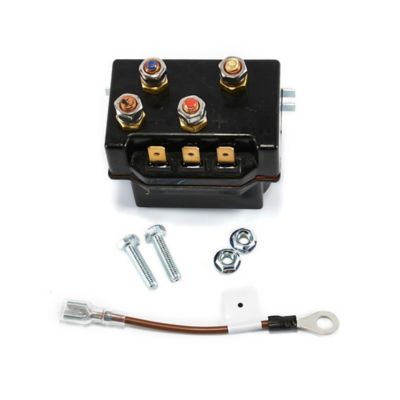
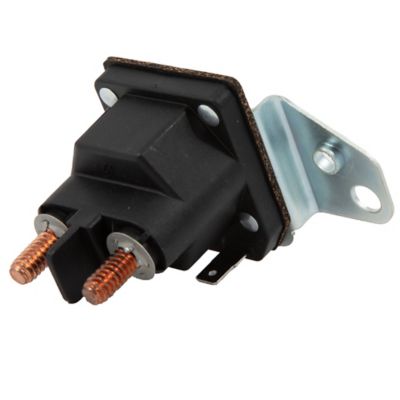
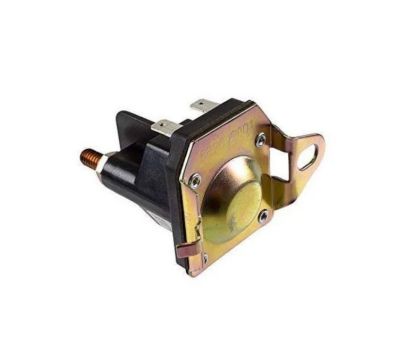
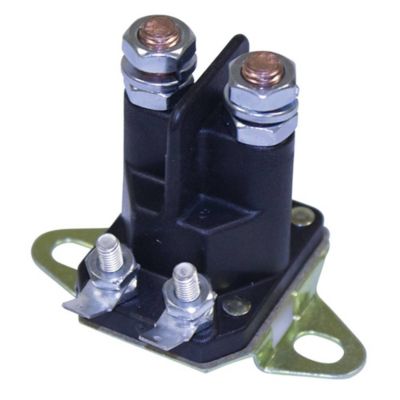
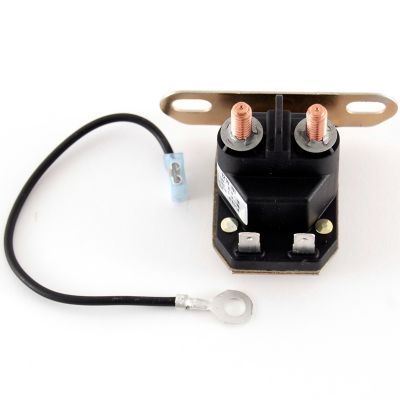
Solenoid switches put a small control signal to work handling a much larger electrical load. Inside a typical switch, an energized wire coil creates a magnetic field that moves a plunger or armature, bringing heavy electrical contacts together. Those contacts complete a circuit between the power source and equipment such as a starter motor. That arrangement lets an ignition key or control button operate the larger circuit without carrying the full motor current through the operator’s controls. On a riding mower, utility tractor, or other engine-powered machine, a starter solenoid switch helps turn the signal from the key into the power needed to crank the engine. The term can cover several related designs, though their jobs are not always identical. A remote-mounted starter solenoid generally switches electrical power, while many starter-mounted solenoids also move the starter drive into engagement with the engine’s flywheel. That distinction matters when matching a replacement to an existing setup. Solenoid switches also serve in certain winch circuits, electric utility vehicles, and other powered equipment, where the switching arrangement depends on the machine’s design. A basic on-and-off solenoid is not interchangeable with every reversing contactor or motor-control assembly, even when the housings look much alike. For folks keeping a mower ready for fence-line work or maintaining a tractor that handles chores around the barn, the right part starts with the equipment’s electrical requirements rather than appearance alone. A solenoid switch belongs to a larger system of batteries, cables, controls, grounds, and safety interlocks, and each connection affects how that system performs. Understanding its role helps separate a switching component from the motor or mechanism it controls. It also explains why two switches with similar mounting brackets can have very different applications: the work happens inside, where coil design, contact capacity, and operating limits determine what each switch can handle.
Fit involves more than lining up a pair of bolt holes. Coil voltage needs to match the control circuit, and the main contacts need ratings suited to the voltage and load they will switch. A 12-volt coil and a 24-volt coil are not substitutes for one another, and an amperage rating alone does not tell the whole story. Motors can draw a substantial surge when starting, so a switch’s ability to make and break that load matters alongside its stated current capacity. Intermittent-duty starter solenoids are intended for brief operating periods with rest between cycles. Continuous-duty solenoids are designed to remain energized for longer periods within their specified limits. Neither description automatically means a switch fits a particular machine, and a continuous-duty label does not guarantee the contact capacity needed for a starter motor. The equipment manual and the replacement component’s specifications are the best references for those details. Terminal layout deserves the same attention. Some designs ground the coil through the mounting bracket, while others provide a separate coil-ground terminal. A four-terminal housing may have two isolated coil connections, or it may include a terminal serving another circuit function; terminal count by itself does not establish compatibility. Switches with built-in suppression components may also require a particular connection polarity. Physical details matter just as much in a crowded battery compartment or beneath a mower seat. Mounting-hole spacing, bracket orientation, terminal stud size, housing clearance, and cable routing all affect whether a replacement sits properly without pulling on wiring or crowding nearby metal. Existing cables should reach their terminals without strain, and protective boots need room to cover exposed connections. For a repair shop maintaining several machines or a landowner caring for a single tractor, matching the wiring diagram and specified replacement requirements helps avoid a part that bolts into place but operates differently. Related
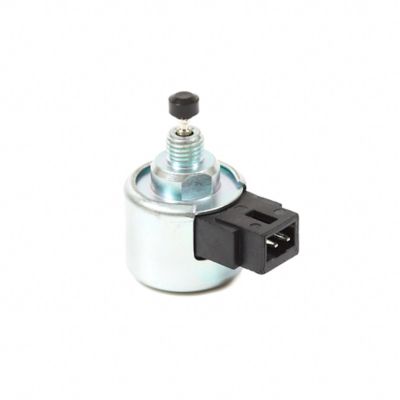
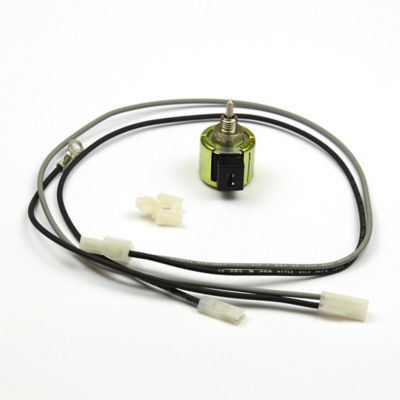
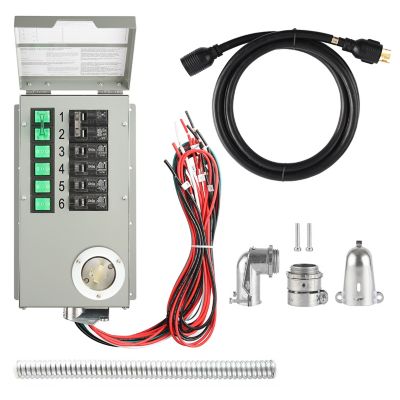
Electronic Solenoids provide another category to consider when the equipment calls for an electrically actuated component, with the application and component specifications guiding the match.
Construction influences how a solenoid switch holds up to everyday equipment work. Depending on the design, a switch may combine a steel case or bracket, an insulating molded housing, conductive copper or copper-alloy terminals, and internal contacts selected for repeated electrical switching. No single housing material tells the full story. Contact construction, terminal insulation, mounting strength, and protection against contamination all contribute to service life. Around a barnyard, gravel lane, or equipment shed, dust, vibration, and grime can challenge electrical connections, especially where cables are unsupported or a bracket has worked loose. Sealed designs can help limit entry of contaminants, but the actual enclosure rating matters more than a general description, and not every solenoid belongs in an exposed mounting location. A secure installation with properly supported cables reduces movement at the studs and helps protect the insulating base from stress. Terminal hardware also needs the manufacturer’s specified tightening torque; extra force can damage a stud or crack its surrounding insulation. Care centers on the surrounding connections as much as the switch itself. Corrosion, loose cable ends, worn insulation, and poor grounds can interfere with starting and place added strain on the circuit. A click at the turn of a key does not, by itself, prove that the solenoid has failed. A weak battery, resistance in a cable connection, or a starter problem can produce similar symptoms, so replacement decisions benefit from checking the whole starting circuit against the machine’s service information. Many solenoid switches are sealed assemblies rather than parts meant for internal cleaning or contact repair. Electrical service calls for isolating power according to the equipment manual, keeping tools clear of exposed live terminals, and leaving safety interlocks intact. Whether the job is maintaining a chore tractor, repairing a riding mower, or servicing an electric utility vehicle, a correctly matched solenoid switch supports straightforward control of demanding electrical loads. Attention to circuit function, fit, construction, and connection care helps keep a small component from becoming a repeated interruption to a full day’s work.