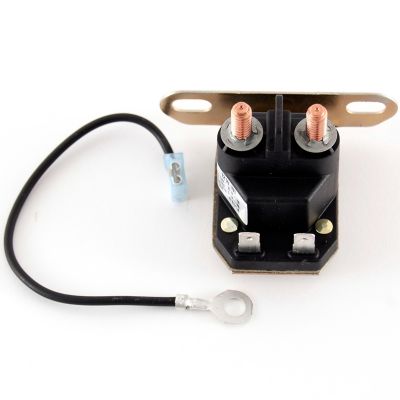
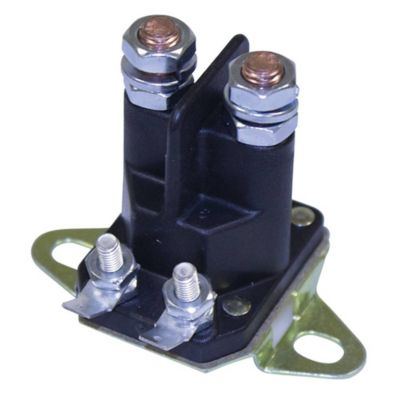
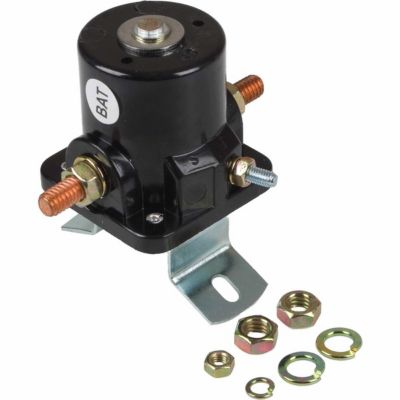
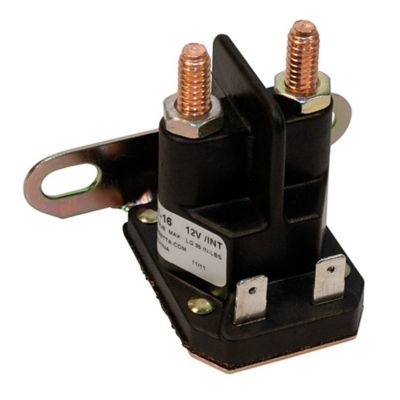
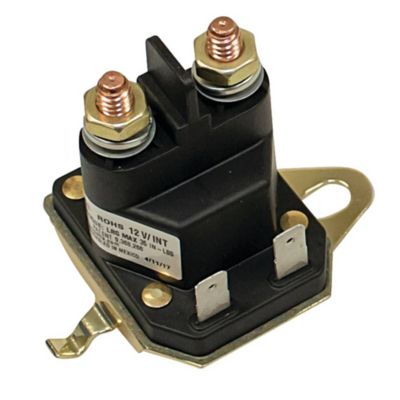
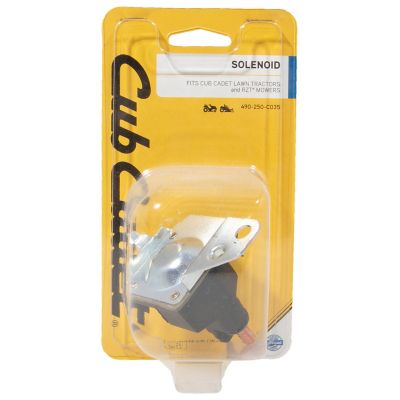
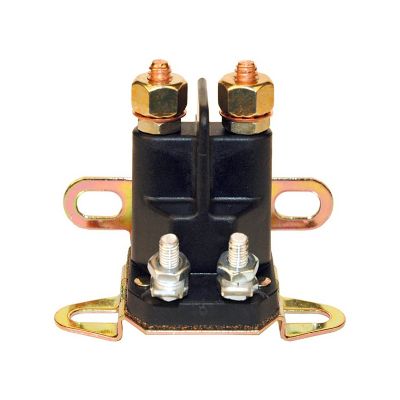
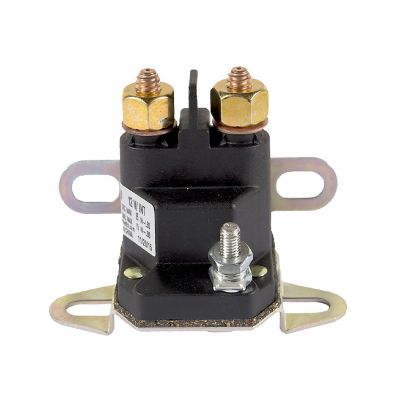
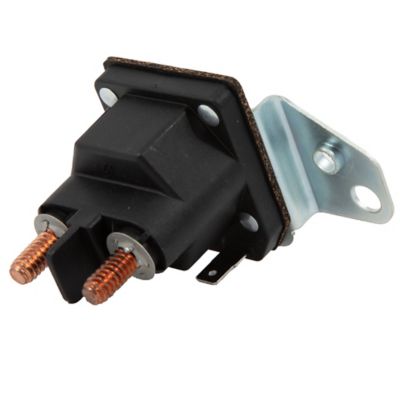
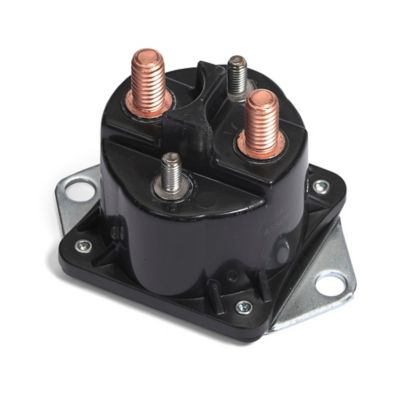
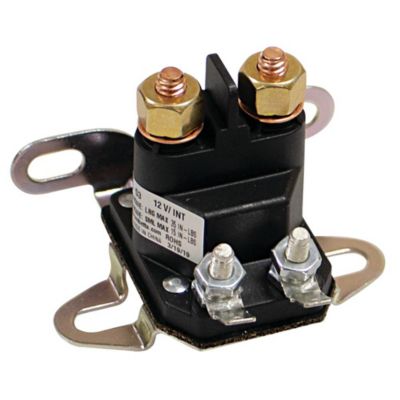
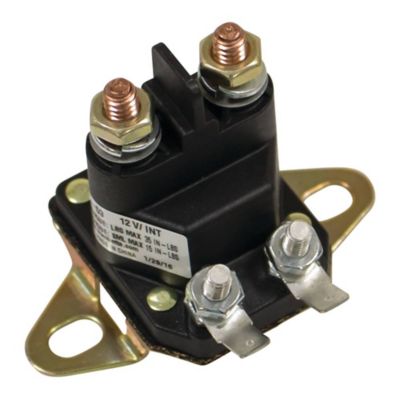
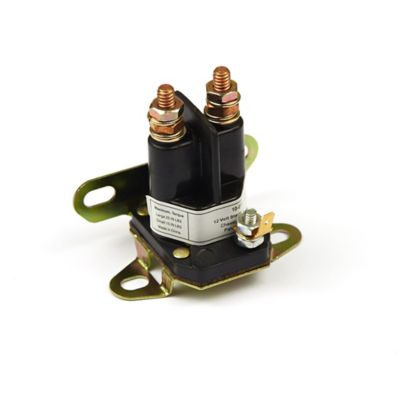
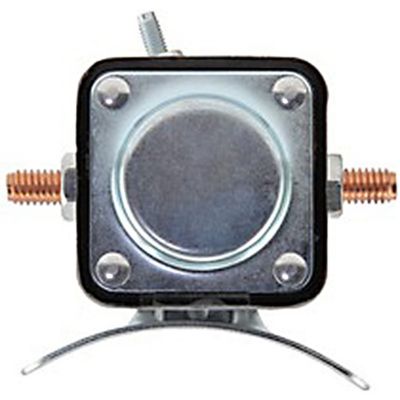
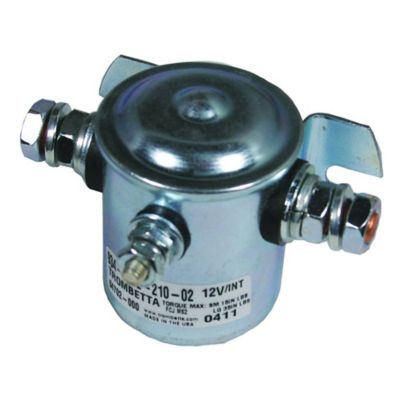
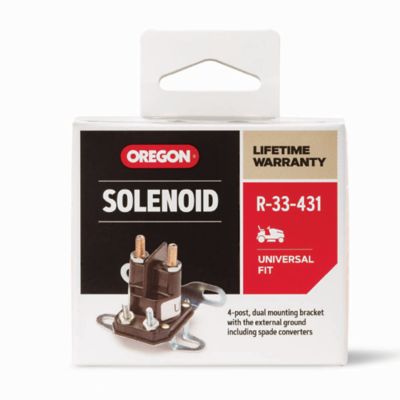
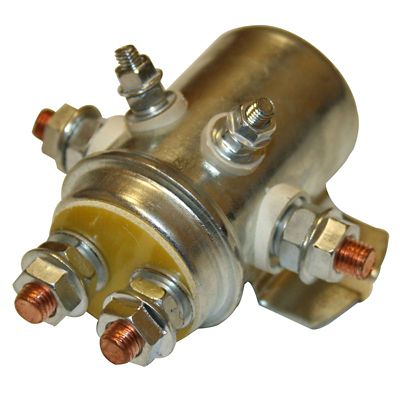
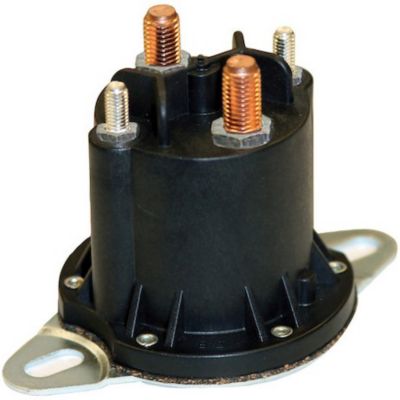
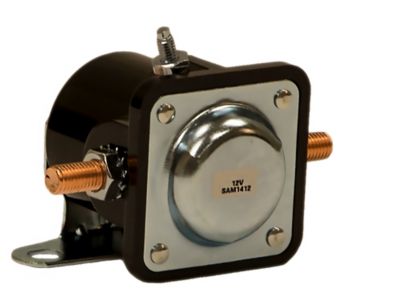
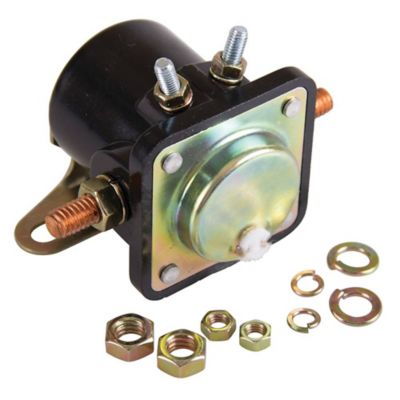
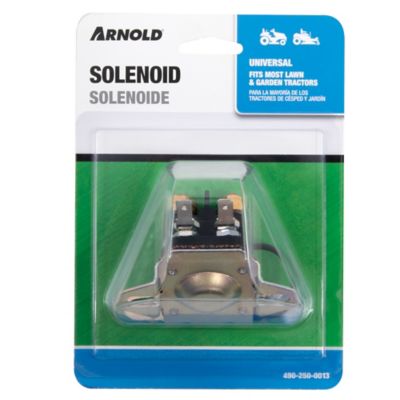
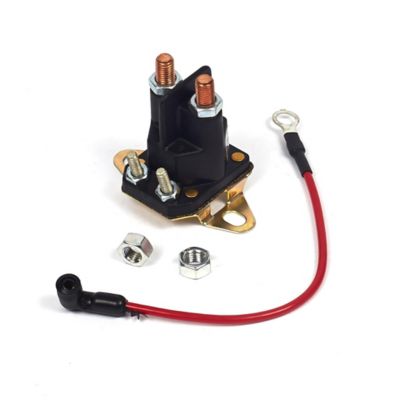
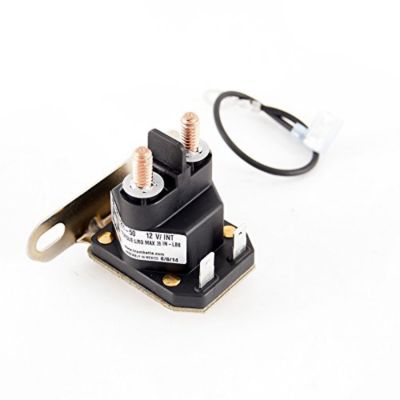
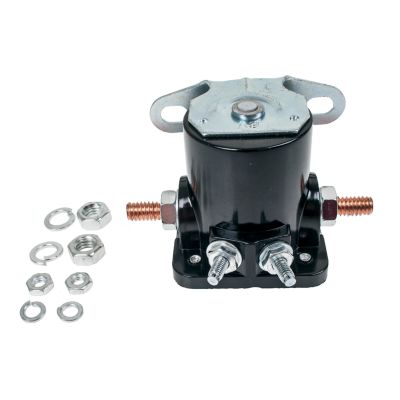
Electronic solenoids turn electrical energy into mechanical movement, letting a small control signal operate a valve, move a latch, or engage a set of electrical contacts. Inside a typical solenoid, current passes through a wire coil and creates a magnetic field that draws a movable metal core, often called a plunger, toward the coil’s center. That movement does the work, either directly or through a connected mechanism. Depending on the design, the output can pull a linkage, push a rod, or open and close a passage. On farm equipment, lawn machinery, utility vehicles, and shop systems, this simple action helps put control where an operator needs it without a long mechanical cable or handle. A starter solenoid, for example, allows a lower-current starting circuit to operate contacts that carry the much larger current needed by a starter motor. A solenoid valve instead controls the passage of a liquid or gas. A linear actuator-style solenoid moves a plunger or linkage through a defined distance. These jobs may sound similar, but the parts are not interchangeable just because they all contain a coil. Their electrical ratings, mounting arrangements, and working mechanisms serve different purposes. Many designs return to a resting position with spring force when power stops, while latching designs can hold a position without continuous electrical power. Normally open and normally closed describe a valve’s flow state when its coil is not energized, an important distinction for equipment that needs to stop or permit flow when control power is lost. For property owners keeping a mower in service, mechanics sorting out a starting circuit, or farm operators maintaining electrically controlled equipment, the right solenoid comes down to matching that everyday job. A part that looks close on the workbench can behave very differently once connected, so the equipment specifications matter more than the shape of the housing.
Electrical compatibility is one of the biggest considerations when comparing electronic solenoids. The coil needs the specified voltage and current type, whether that is alternating current or direct current; matching the voltage number alone does not establish compatibility. Coil current, power requirements, and the equipment’s control circuit also matter, especially where a switch, controller, or wiring harness has a limited load rating. Duty cycle describes how long a solenoid can remain energized within its operating cycle. An intermittent-duty design intended for brief activation is not a substitute for a continuous-duty design that must stay energized for extended periods. For related high-current switching applications,
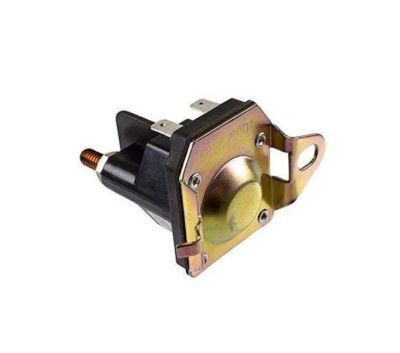
solenoid switches let a lower-current control signal operate contacts that carry a larger electrical load. Those contacts need ratings suited to the actual circuit, including whether they handle a starter motor or another type of load. Fit involves more than getting the mounting holes to line up. Terminal count, terminal function, connector style, bracket position, housing clearance, and the grounding arrangement all affect whether a replacement belongs on a particular machine. Some coils ground through the case, while others have an isolated return terminal, so a similar-looking body does not guarantee the same wiring arrangement. Stud size and cable placement also affect fit when heavy battery cables share a tight space near the engine or frame. For motion-control applications, stroke length and operating force deserve the same attention as voltage. A plunger must move far enough to complete the mechanism’s travel, with enough force for the load throughout the required movement. More force or a longer stroke is not automatically better if the linkage was designed around a particular range. Equipment manuals, wiring diagrams, and original component markings provide a firmer basis for comparison than appearance alone, especially on machines that have had earlier repairs or wiring changes.
Materials and construction influence how well a solenoid suits its surroundings and the work it performs. A typical coil contains insulated wire, often copper, while the magnetic core commonly contains iron or steel. The outer housing, terminal protection, mounting hardware, and seals help determine how the assembly stands up to vibration, dust, moisture, and repeated operation. An enclosed coil or protected connector can be worth considering where machinery works around feed dust, washdown areas, or splashing water, but enclosure ratings still need to match the actual exposure. Solenoid valves bring another set of material considerations because the valve body and internal seals contact the fluid. Brass, stainless steel, and engineered plastics each have application-specific strengths, while seal compatibility depends on the liquid or gas involved. A valve intended for water service should not be assumed suitable for fuel, compressed air, agricultural chemicals, or drinking-water service without the appropriate manufacturer specifications and certifications. Port size, thread type, pressure limits, and flow capacity help determine whether a valve fits the line and supports the job. Direct-acting valves operate differently from pilot-operated designs, which may need a minimum pressure difference to function. That distinction can matter on a low-pressure water supply just as much as the size of the threaded connection. Care also plays a part in service life. Clean, secure electrical connections and supported wiring help reduce problems from vibration and corrosion, while clean fluid and any specified filtration help protect valve passages and seals. Inspection and service belong with power disconnected and any stored pressure safely released according to the equipment instructions. A click from a solenoid can confirm movement, but it does not by itself prove that electrical contacts are carrying the required current or that a valve is passing fluid correctly. Matching the operating ratings, physical fit, and intended service helps keep the repair focused on the real job, whether that is getting an engine to crank, controlling a water line, or moving a latch on working equipment.