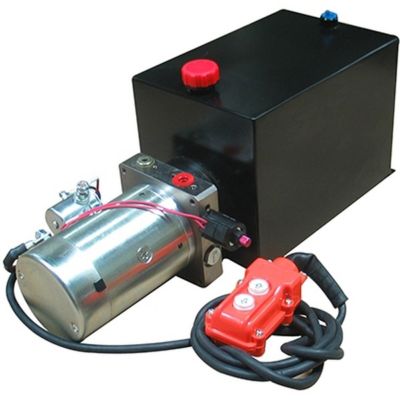
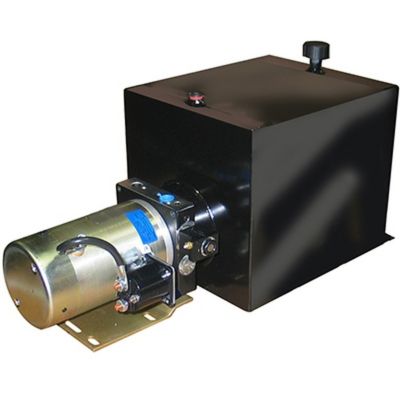
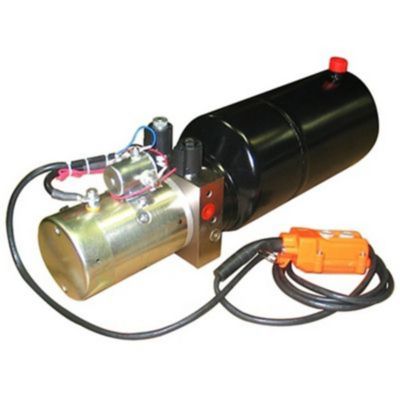
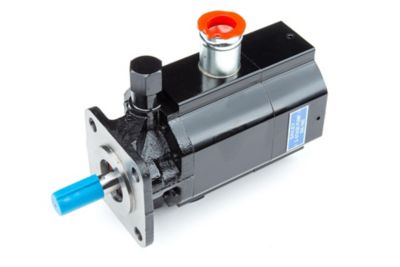
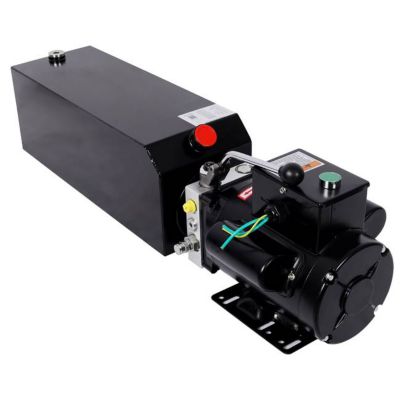
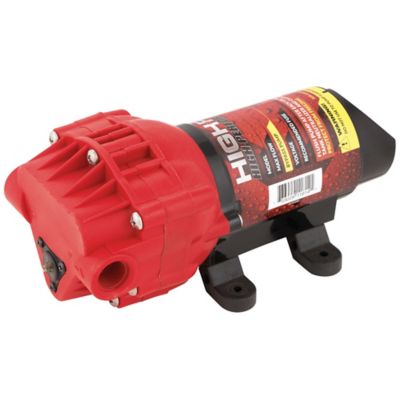
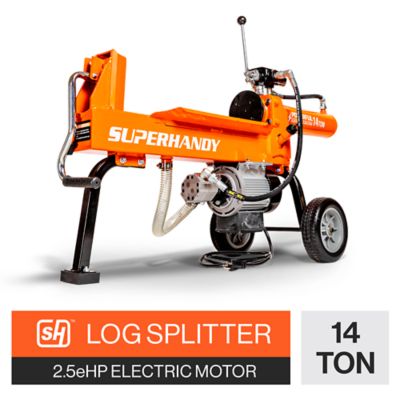
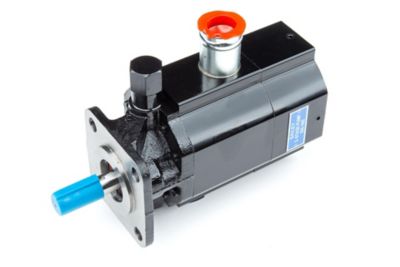
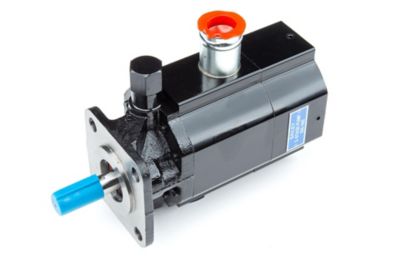
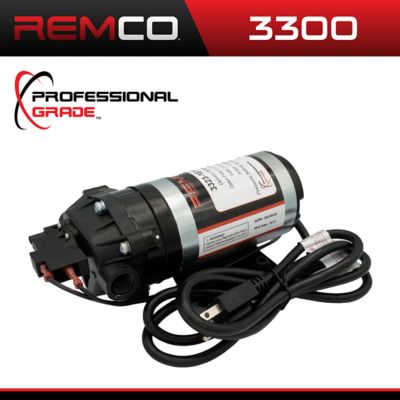
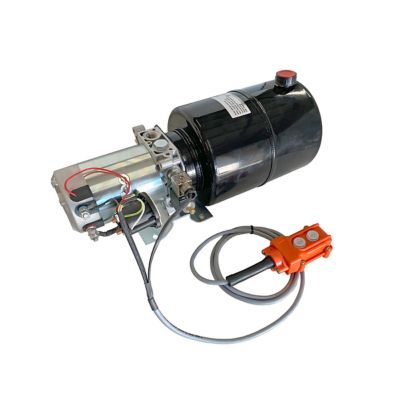
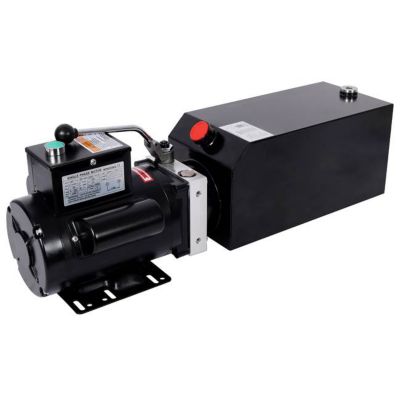
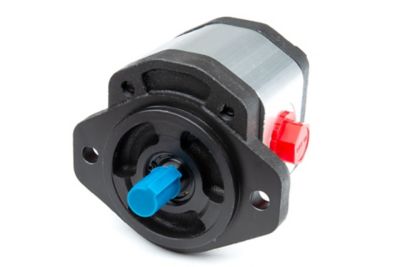
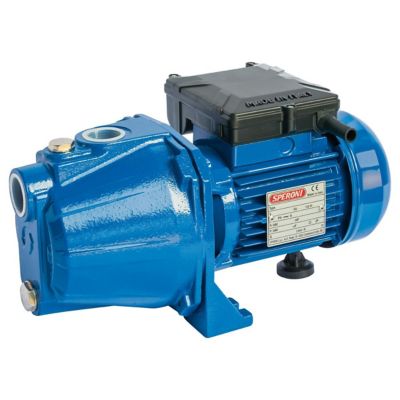
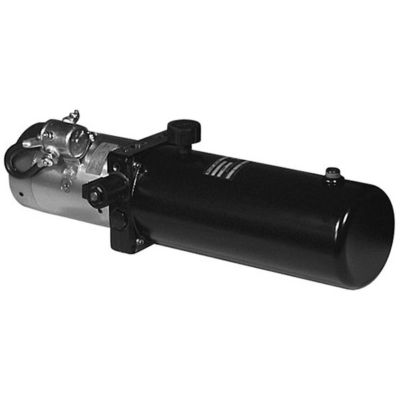
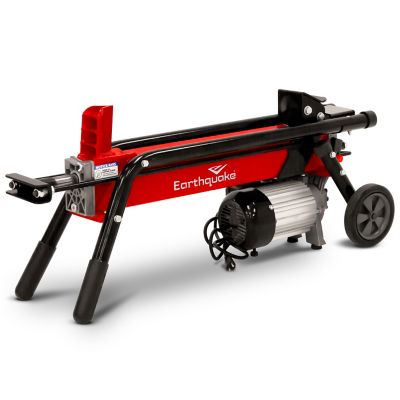
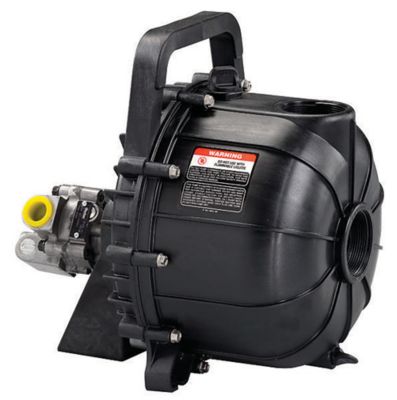
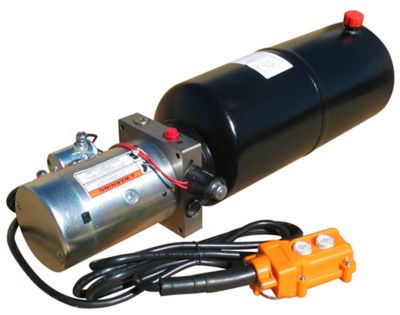
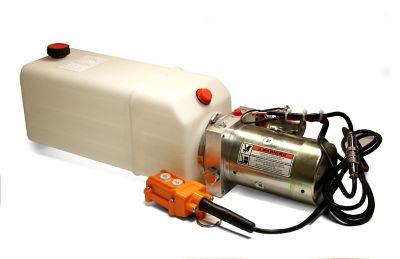
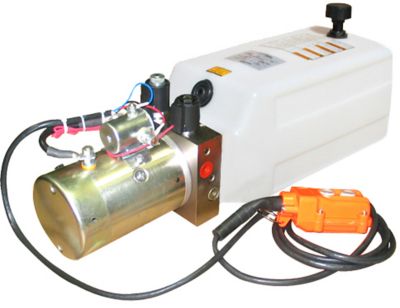
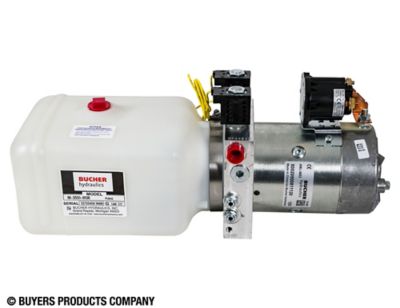
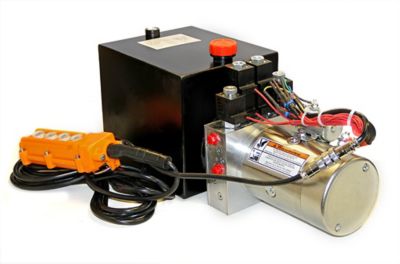
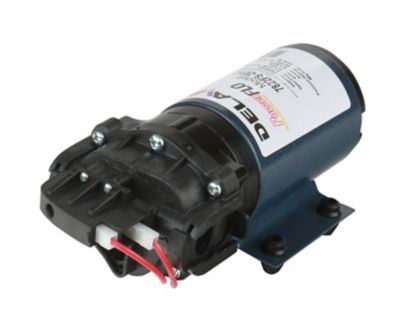
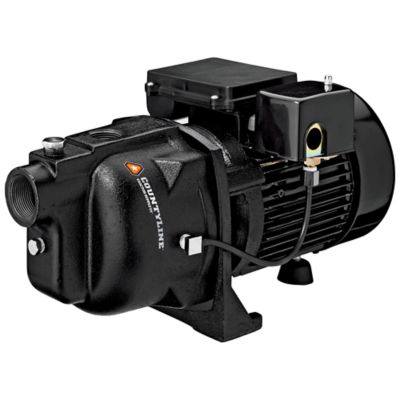
Electric hydraulic pumps bring together the steady force of hydraulics and the convenience of an electric motor. Instead of relying on a hand lever or a gas engine to move hydraulic fluid, the electric motor turns a pump assembly that sends pressurized oil through hoses and valves to operate cylinders, lifts and other hydraulic equipment. That makes these pumps a handy choice for jobs where dependable lifting power matters, but easy push-button or remote operation is preferred. A 12V or 24V DC pump is often a practical fit for mobile equipment, including dump trailers, truck beds, small cranes, wheelchair lifts and other systems powered by a vehicle or onboard battery. These compact units are built for work away from the shop, whether you're hauling gravel down a back road, opening a trailer gate at the farm or handling equipment during the cooler months when a quick, reliable lift can save time and sore muscles. Stationary equipment can call for a 115V or 230V AC pump, especially in a workshop, garage or production setting where a dependable electrical connection is available. AC-powered units are commonly used with auto hoists, hydraulic presses, metal benders and other shop tools. For specialized tooling, high-pressure electric pumps may reach pressures up to 10,000 PSI, though the correct pressure depends on the cylinder, valve, hose, fittings and tool being used. Always match the pump to the complete hydraulic system rather than choosing by pressure alone. Flow rate affects how quickly a cylinder extends or retracts, while maximum pressure affects the amount of force available. A pump with plenty of pressure but too little flow may feel slow on a busy workday, while a pump that exceeds the working limits of the rest of the system can create a serious safety hazard. Pay close attention to voltage, amperage, reservoir capacity, port size, motor wattage, mounting space and the required control setup before making a purchase. A smaller reservoir may suit an occasional-use lift or compact mobile application, while a larger tank can help support systems that cycle more often. Many electric hydraulic pumps use reservoirs in the roughly 2- to 10-quart range, but the right size depends on the cylinder volume and the amount of fluid needed to complete the full stroke. Check the equipment manufacturer's recommendations for hydraulic oil type and fluid level, and keep spare fluid, clean rags and replacement fittings on hand so a small maintenance job does not turn into a full afternoon of downtime.
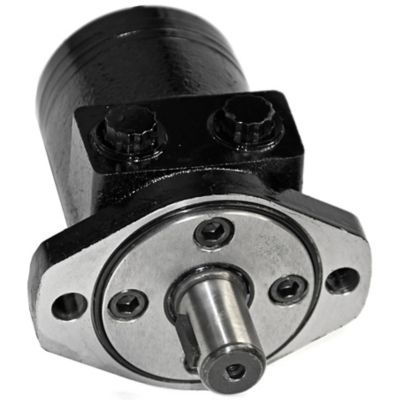
When comparing electric hydraulic pumps, start by identifying the job and the power source already available. A trailer connected to a 12V vehicle system needs a different setup than a shop press plugged into a 230V outlet. DC pumps are useful when portability, battery operation and remote control are priorities, while AC pumps are a natural choice for fixed equipment used near a reliable outlet. Look at the pump's single-acting or double-acting design, too. A single-acting system typically sends pressure in one direction and relies on gravity or a spring for the return stroke, which can work well for many dump bodies and lifting applications. A double-acting system uses hydraulic pressure to extend and retract the cylinder, giving the operator more control over equipment that must move both ways under power. Valves may be operated by a manual lever, solenoid, remote pendant or foot pedal, so choose a control style that fits the way you work. A remote can be helpful when you need to stand where the load is visible, while a manual valve may be a simple choice for a bench-mounted setup. The pump assembly itself may use a gear, vane or piston design, with each style suited to different combinations of pressure, flow and duty cycle. Look for a sturdy reservoir, protected wiring, secure mounting points and fittings that match the existing hydraulic lines. In dusty barns, gravel drives and open-sided sheds, keeping electrical connections covered and the breather cap clean helps protect the system from dirt and moisture. Before service, shut off power, relieve hydraulic pressure and support raised equipment with approved mechanical stands; never depend on hydraulic pressure alone to hold a load overhead. Inspect hoses for cracking, check fittings for leaks and keep hands away from suspected pinholes, since high-pressure fluid can penetrate skin even when a leak looks tiny. Electric hydraulic pumps can be a practical upgrade for farmers, ranchers, trailer owners, mechanics, fabricators and small shop operators who want consistent hydraulic action without pulling a manual handle over and over. They can also make a thoughtful gift for someone setting up a new homestead shop or restoring a trailer, provided the voltage, pressure, flow and mounting requirements are known first. For shoppers comparing the motor portion of a hydraulic setup, our selection of
Hydraulic Pump Motors offers another place to review compatible options. With the right match, regular fluid checks and careful installation, an electric hydraulic pump can help keep lifting, dumping, pressing and positioning work moving smoothly through changing weather and the long days of farm and shop work.