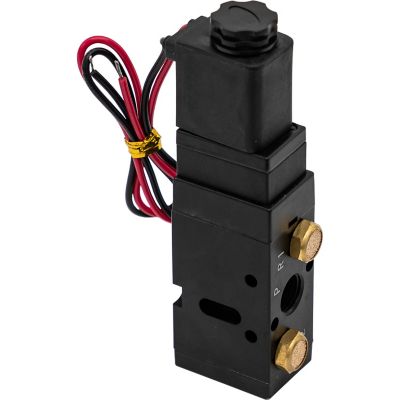
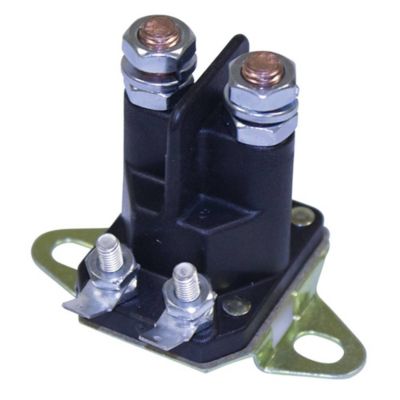
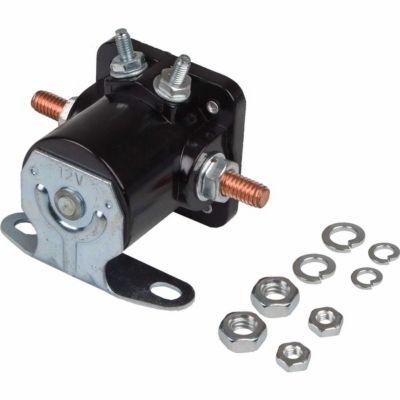
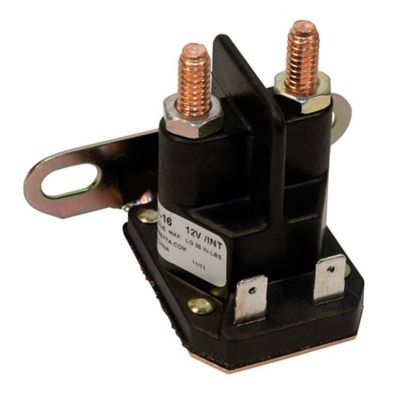
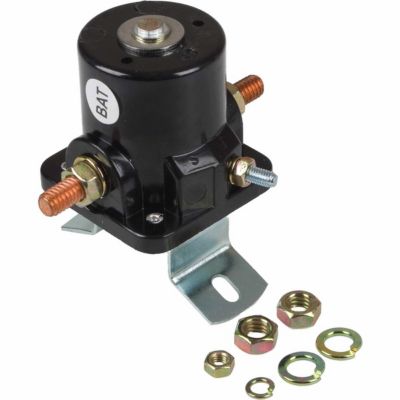
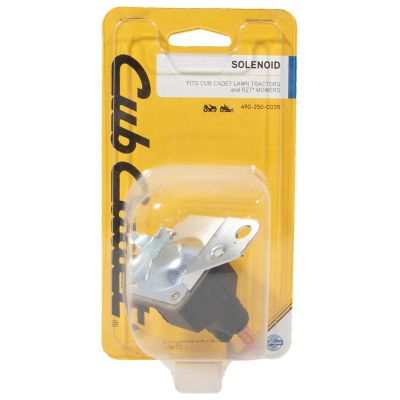
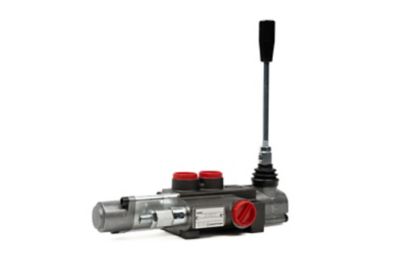
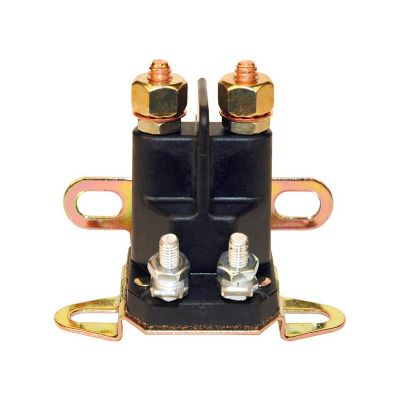
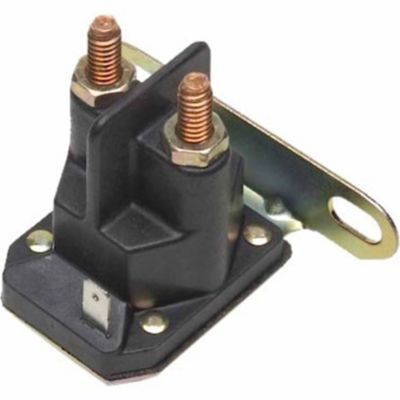
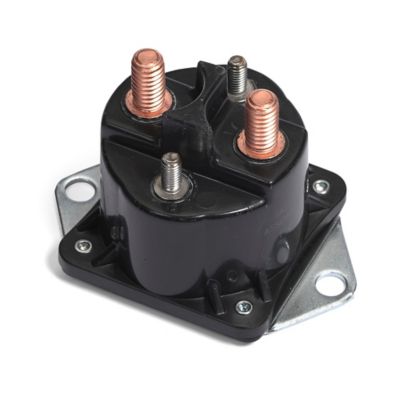
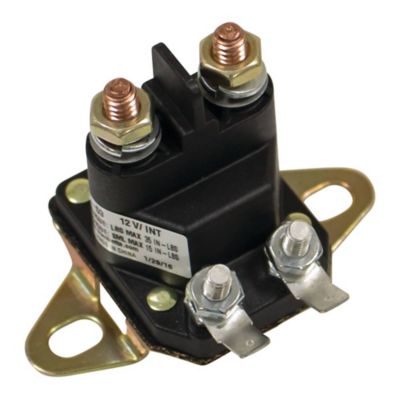
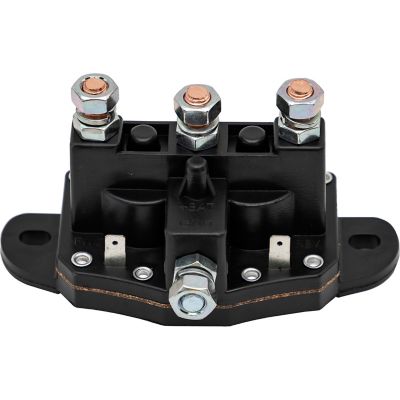
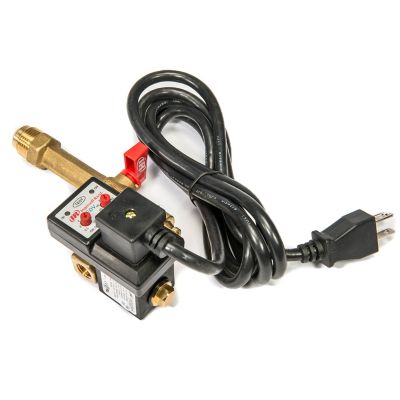
Solenoid valves are a real workhorse out on the farm or in the shop, quietly handling all sorts of jobs that keep things running smooth. These handy little devices use an electric current and a magnetic coil to open or close the flow of liquids or gases, making them a go-to choice for folks who want a bit of automation in their watering systems, livestock operations, or even in the garage. Whether you’re setting up an irrigation system to keep your pastures green as the weather shifts, or managing water lines for animal pens, solenoid valves can save you a lot of time and effort. They’re also a staple in all sorts of equipment, from pressure washers and HVAC systems to fuel lines and sprayers. You’ll find them in both normally closed (stays shut until it’s powered) and normally open (stays open until it’s powered) styles, so it’s important to know what your system needs before picking one out. For folks who like to tinker or those tackling repairs, choosing between direct acting and pilot operated valves comes down to your pressure needs and how much flow you’re working with. Direct acting valves are great for smaller jobs or when you need control at low pressures, while pilot operated ones are better suited for bigger systems and higher flow rates.
When it comes time to pick out the right solenoid valve, there’s a few things to keep in mind. First off, think about what you’re controlling—water, air, fuel, or something else—and make sure the valve’s materials can handle it. Brass and plastic are common options, each with their own strengths depending on the job. You’ll also want to match the voltage of your power supply, since solenoid valves come in a range of options like 12V DC or 110V AC. It’s a good idea to check the pressure and flow ratings too, especially if you’re working with well pumps, irrigation lines, or anything that sees heavy use during the busy harvest season or as chores ramp up before winter. Solenoid valves make thoughtful gifts for anyone who loves a good project or is always looking for ways to make chores more efficient—think of the neighbor who’s always upgrading their greenhouse, or the family member who’s got a knack for fixing up old equipment. And if you’re looking to learn more about how these little devices work or need other related parts, you can always browse our selection of
Electronic Solenoids for more options and information.
As the days get shorter and you start thinking about buttoning up outdoor projects before the cold sets in, having reliable solenoid valves on hand can make all the difference. They help keep livestock watered, gardens growing, and equipment running without a hitch. Folks around here know the value of gear that just works, especially when you’re counting on it during those long evenings or early mornings. Whether you’re maintaining an old tractor, setting up a new automated feeding system, or just making sure your shop is ready for whatever the season brings, solenoid valves are a small investment that pays off big in time saved and headaches avoided. With the right valve in place, you can spend less time worrying about leaks or manual shutoffs and more time focusing on what matters—whether that’s getting the last of the hay in before a storm, or just enjoying a quiet evening after a long day’s work.