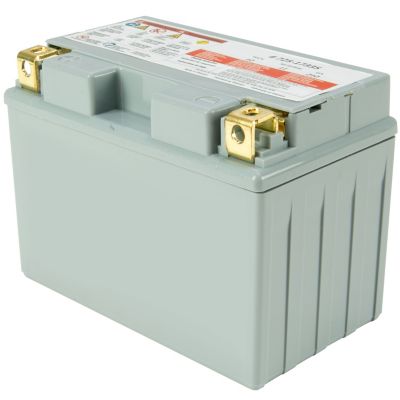
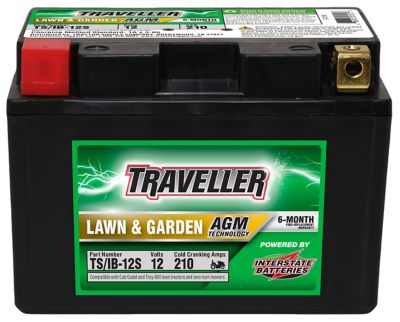
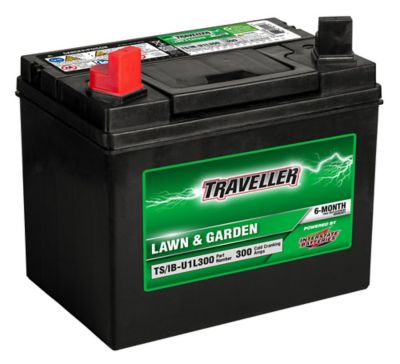
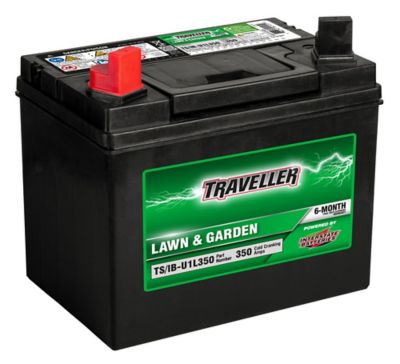
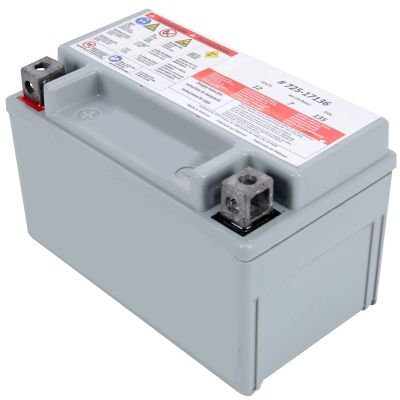
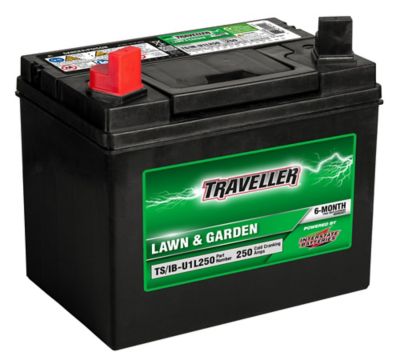
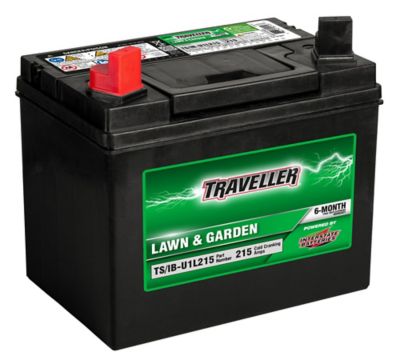
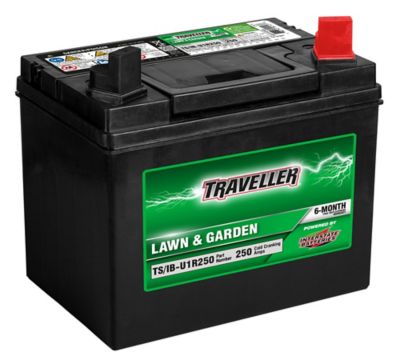
A zero-turn mower battery supplies the power that gets a gas engine cranking, helping turn a parked mower into a machine ready for another stretch of fence line or a full afternoon of cutting. Many gas-powered zero-turn mowers use a 12-volt starting battery, with Group U1 and U1R among the common battery sizes. The right replacement depends on the mower’s specified voltage, battery dimensions, terminal layout and minimum cold cranking amps, or CCA. Those details matter more than a similar-looking case. U1 and U1R batteries have different positive-terminal positions, so choosing the wrong layout can leave a cable short of its connection or put the terminals where they do not belong. Battery height deserves attention, too, especially beneath a seat or near a metal cover. A replacement needs room for its terminals and protective boots, along with a secure fit in the tray and hold-down. For someone tending a few acres around the house, keeping church grounds trimmed or running a mowing crew, that fit helps prevent movement over ruts, roots and rough patches. Cranking capacity is another important part of the match. CCA describes a battery’s starting capability under standardized test conditions; the mower manufacturer’s minimum rating is the starting point for selection. A higher CCA rating does not turn a battery into a higher-voltage unit, but extra cranking capacity cannot make up for the wrong size, terminal position or battery type. Amp-hour and reserve-capacity ratings describe other aspects of stored energy and should not be treated as interchangeable with CCA. On a gas mower, a larger battery does not add engine horsepower or automatically extend cutting time. The owner’s manual and model-specific battery requirements provide a better basis for choosing than appearance alone, particularly when the battery already in the mower may not be the original specification. A sound match brings the electrical requirements and the physical fit together without stretched cables, improvised spacers or a loose hold-down.
Battery construction affects everyday care as well as how well a replacement suits the mower. Conventional flooded lead-acid batteries contain lead plates and liquid electrolyte inside a molded case. Some have serviceable caps, while others have a sealed, maintenance-free design; care requirements depend on the particular construction. Absorbed glass mat, or AGM, batteries are also lead-acid batteries, but fiberglass mats hold the electrolyte against the plates. Their sealed construction limits spill risk in normal service and generally eliminates routine water additions, though they still need proper charging and secure mounting. Neither design makes a battery free from inspection. Mowers spend plenty of time bouncing across uneven ground, and a snug hold-down helps keep that movement from working on the case, posts and cable connections. Terminal style matters here: the cable ends need to seat properly on the battery’s posts or threaded connections without makeshift adapters. Clean connections and intact protective covers help support the starting circuit and reduce the chance of an accidental short. Around a gas-powered mower, the battery also works with the machine’s charging system, so repeated starting trouble is not always a battery problem. A loose ground, damaged cable, failing starter or charging-system fault can produce similar symptoms. Replacing the battery alone will not correct those issues. For battery care between mowing jobs, the charger should match the battery’s voltage and chemistry, with any maintenance mode approved for that design. A lead-acid charging setting is not automatically suitable for lithium, and lithium batteries are not universal replacements simply because their labels show a similar nominal voltage. Compatibility with the mower’s charging system and the battery manufacturer’s requirements matters. Safe handling belongs in the picture as well: batteries can deliver substantial current, and lead-acid designs contain corrosive electrolyte. Manufacturer instructions for handling, ventilation and charging help protect both the person doing the work and the equipment parked nearby. Spent batteries also need an appropriate recycling route rather than a place in household trash.
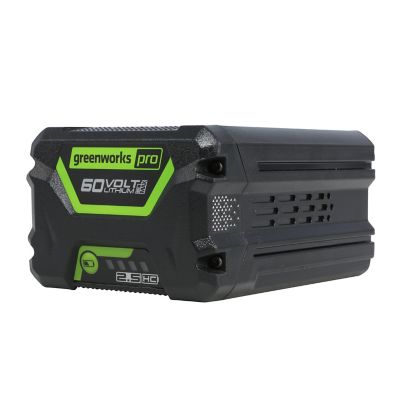
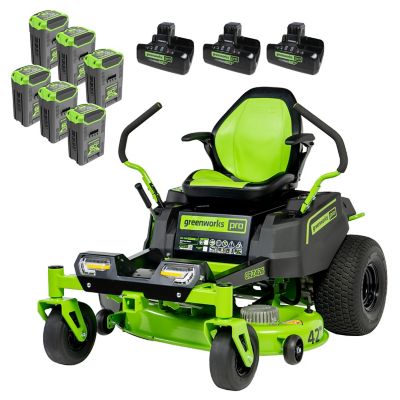
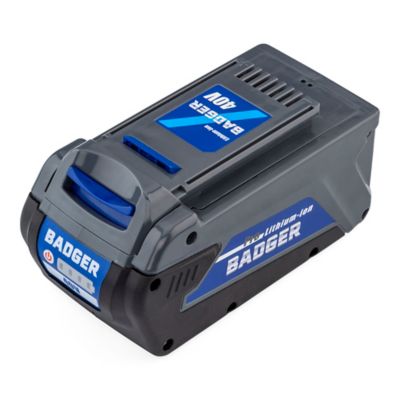
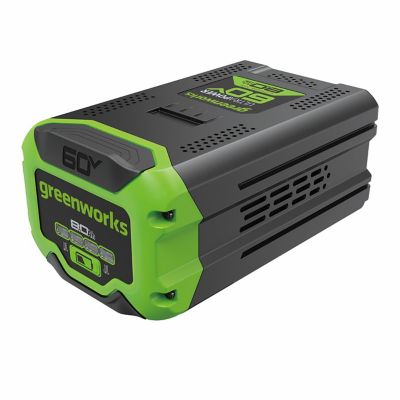
Battery-powered electric zero-turn mowers call for a different comparison than gas-powered machines. Instead of a small battery primarily responsible for engine starting, these mowers rely on a propulsion battery system that supplies energy for driving and cutting. Voltage, pack design, connectors, charging equipment and electronic controls can be specific to a mower platform. A 12-volt U1 starting battery is not a substitute for that system. For shoppers comparing power packs for electric mowing equipment, the
Electric Mower Battery page offers a related place to continue looking, with the mower’s exact compatibility requirements still leading the decision. Battery capacity can influence runtime on electric equipment, but mowing time also depends on grass height, terrain, travel speed and the load on the blades. A smooth yard with regular cuts asks something different of a mower than a sprawling property with slopes and thicker growth. Even within the same voltage category, batteries may differ in their mounting hardware, connection points and communication with the machine. For either kind of zero-turn mower, intended use helps put the specifications in perspective. A homeowner making one pass around the house each week may focus on straightforward care and a clean fit, while a groundskeeper moving between properties may place more emphasis on repeated starts and a regular charging routine. Neither situation calls for guessing at compatibility. Keeping the model information, specified battery type and terminal arrangement handy makes comparisons more meaningful. Long-term service also depends on habits beyond the initial purchase: preventing loose connections, avoiding extended discharge, inspecting the case for damage and following the mower’s storage instructions all play a part. A replacement battery should suit the machine as it sits, from the tray beneath the seat to the electrical system that depends on it. That practical match helps keep attention on neat passes along the driveway and finished acres behind the mower, rather than a starting problem before the first lap.