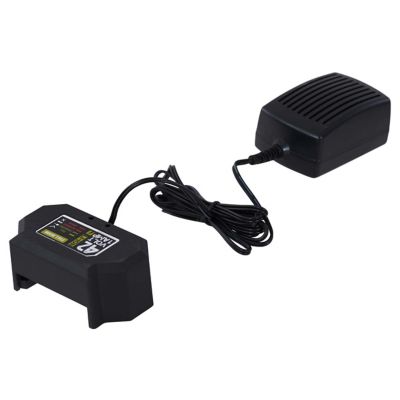
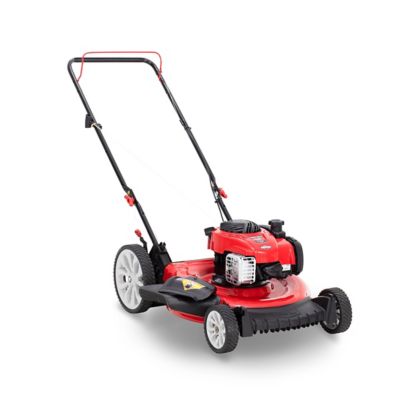
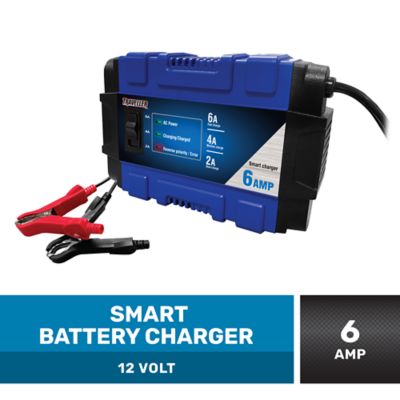
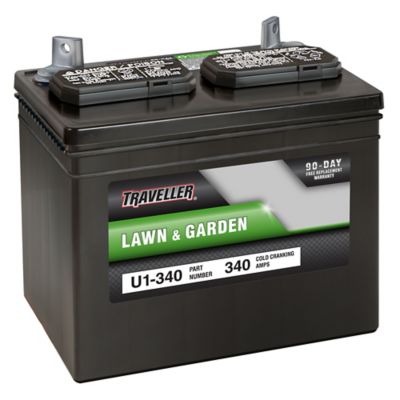
A dependable lawn mower battery charger helps keep mowing equipment ready when the grass takes off and the work around the property does not wait. These chargers are commonly used with riding mowers, lawn tractors, zero-turn equipment and other gas-powered machines that rely on a small 12V battery to start the engine. They can also be used with cordless electric mowers, though those machines require a charger made for the exact battery pack and voltage. Before choosing a charger, check the label on the battery or the mower manual for voltage, battery type and charging instructions. Most riding mower batteries are 12V lead-acid or AGM batteries, while cordless equipment may use lithium-ion packs in several different voltage ranges. A charger made for one system is not automatically safe for another, even if the connectors look similar. For a gas mower or lawn tractor, a low-amp automatic charger or battery maintainer is often a practical choice. Chargers in the 1A to 2A range are generally suited to slowly bringing a small mower battery back to full power without pushing too much current into it. Smart charging units monitor the battery and reduce or stop the charge when the battery is full, which helps prevent overcharging during storage. That slow, steady approach is handy after a long stretch of mowing, when the machine has been sitting in the shed, or when a battery needs a little help before the first cut after cooler weather arrives.
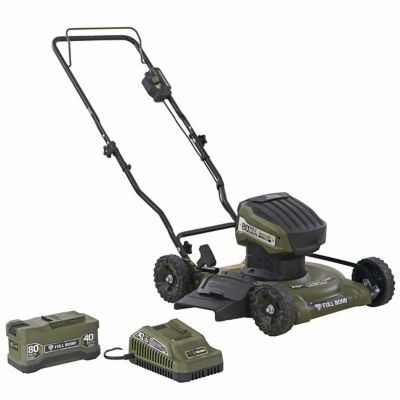
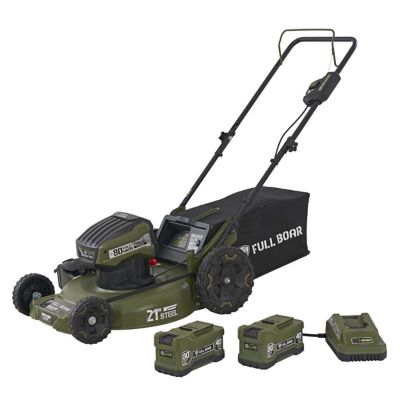
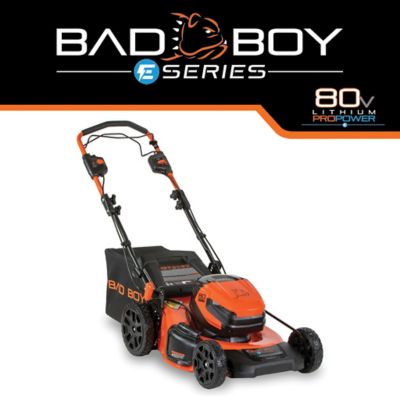
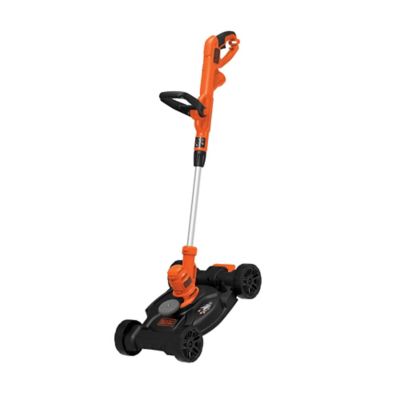
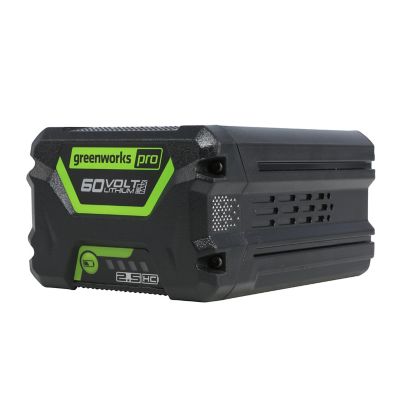
Cordless mower owners should match the charger to the battery’s voltage, chemistry and connection design. A battery pack that calls for a 24V, 40V or 80V charging system needs the proper charging dock or approved charger for that particular pack. Using a charger with the wrong voltage can damage the battery, shorten its useful life or create a safety concern. For more information about battery-powered mowing equipment, visit
Electric Mower Battery. When shopping through a lawn mower battery charger selection, look for clear information about supported battery types, output, charging speed and automatic shutoff. A basic maintainer is useful for keeping a mower battery topped off between jobs, especially when the tractor spends more time parked than running. A higher-output charger may bring a drained battery back sooner, but faster is not always better for a small lead-acid battery. Pay attention to the charger’s intended use and follow the instructions rather than guessing based on appearance. Features such as reverse-polarity protection, short-circuit protection, weather-resistant construction and easy-to-read charge indicators can make routine use less of a hassle. A built-in hook, mounting bracket or compact design is also helpful when the charger will live on a workshop shelf, in a utility room or near the mower shed. If the mower is stored outside or in a damp barn, keep the charger itself dry and protected from rain, dust and fuel vapors. An extension cord may be useful when the nearest outlet is across the garage, but it should be rated for the charger and kept away from standing water, sharp edges and vehicle traffic.
Connecting a charger safely takes only a little care. Turn the mower off, remove the key and park it on a level surface away from children, pets and open flames. Inspect the battery for cracked cases, leaking fluid, heavy corrosion or loose terminals before charging. Do not charge a damaged or swollen battery. With a typical 12V lead-acid mower battery, connect the red positive clamp to the terminal marked with a plus sign, then connect the black negative clamp to the negative terminal or an approved engine ground, following the charger and mower instructions. After the clamps are secure, plug in the charger and select the correct setting if one is required. A smart charger should indicate that charging has started and should automatically move to a maintenance mode or stop when the battery is full. Disconnect power before removing the clamps, taking off the black connection first and then the red. Wipe away light terminal buildup with the proper battery-cleaning method, and make sure the connections are snug when the charger is not in use. During the cooler months, a maintainer can help protect a mower battery while the machine sits idle, but it is still wise to check the battery and charger occasionally. A family member who keeps a small acreage, a neighbor with a riding mower or a new homeowner settling into a place with a big yard may appreciate a reliable charger as a practical gift. It is the sort of tool that earns its keep quietly: tucked beside the workbench, it can turn a silent starter into a ready machine before the morning dew has dried. Choosing the right match for the mower’s battery type and voltage gives every charge a better chance of being safe, useful and gentle on the equipment.