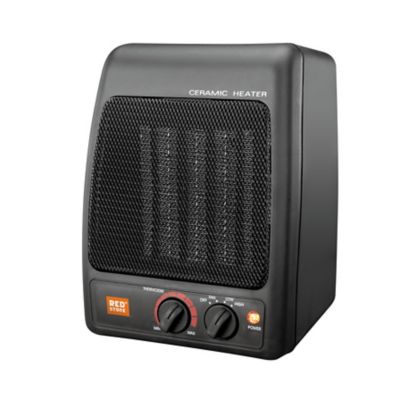
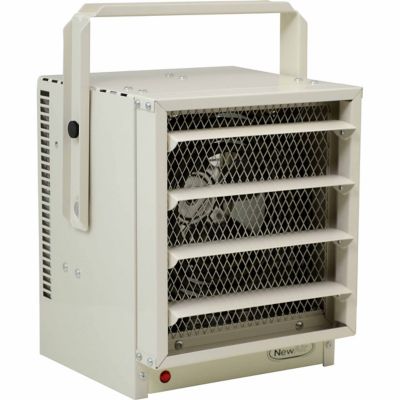
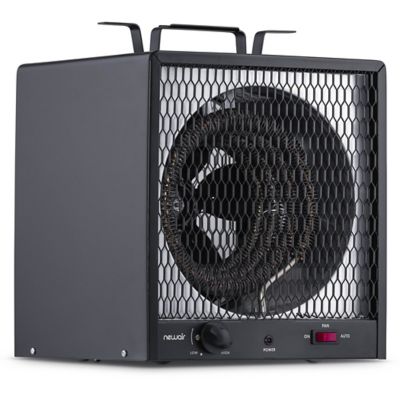
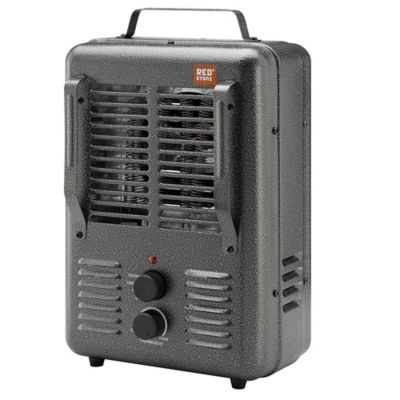
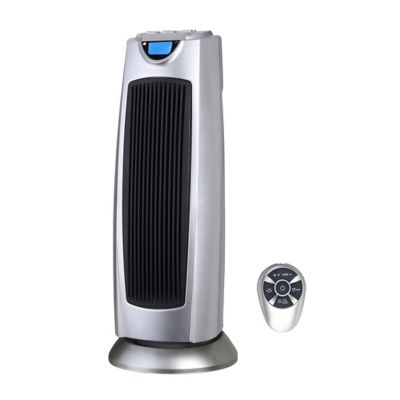
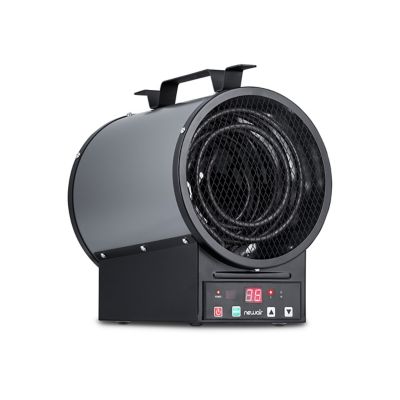
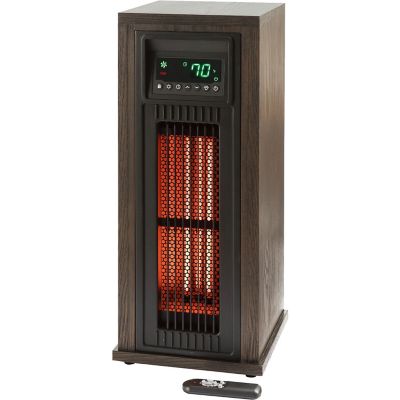
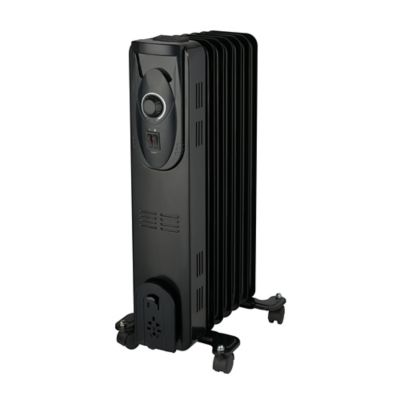
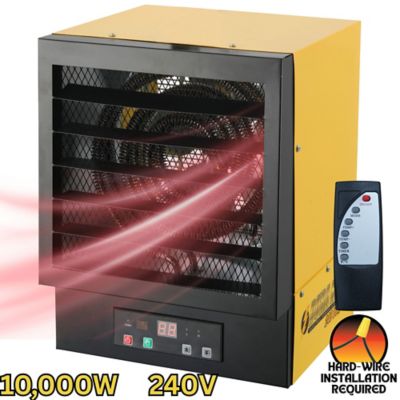
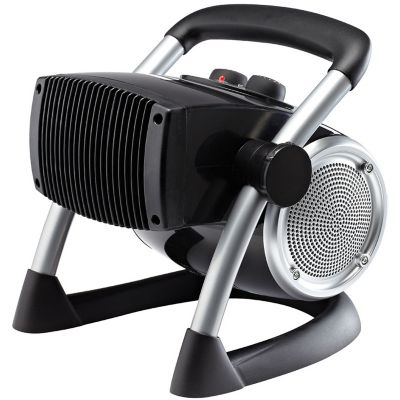
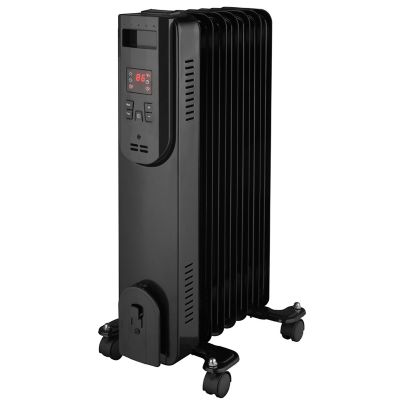
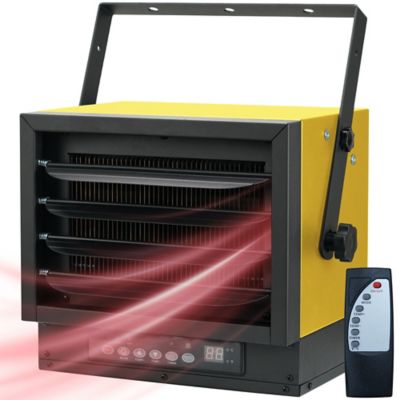
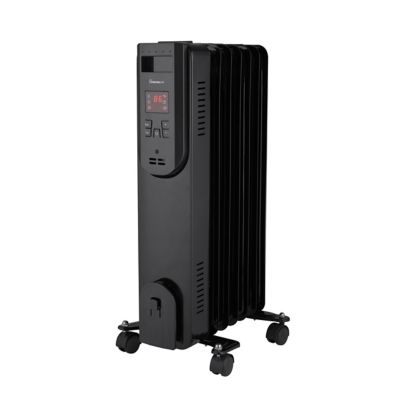
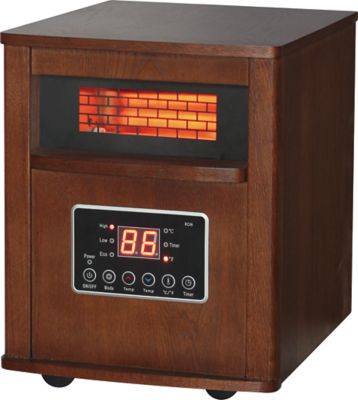
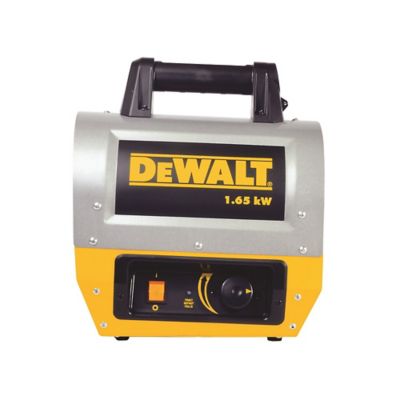
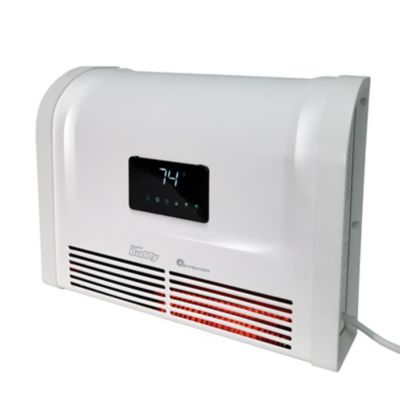
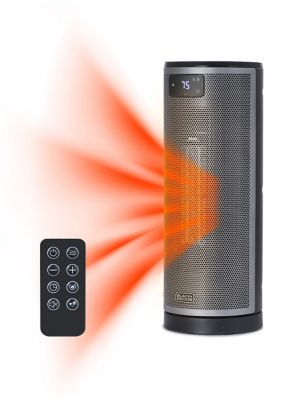
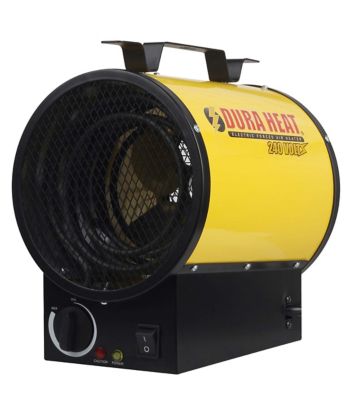
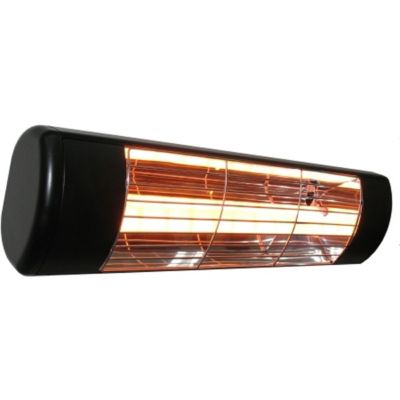
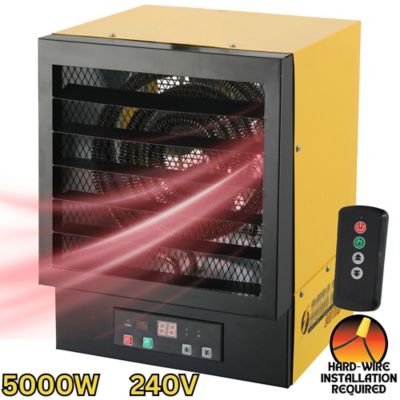
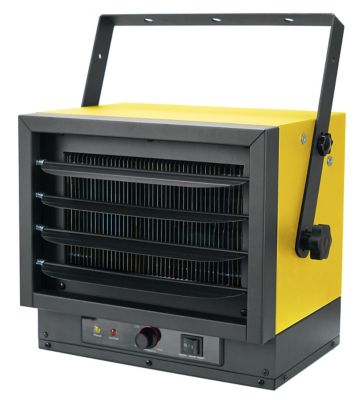
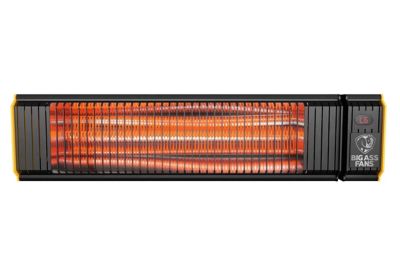
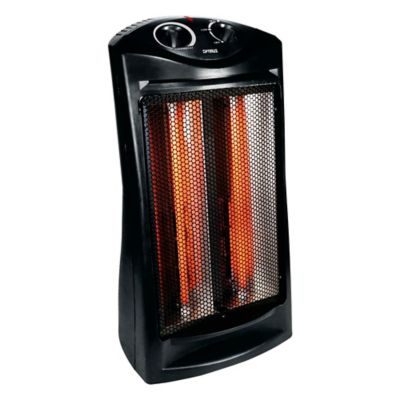
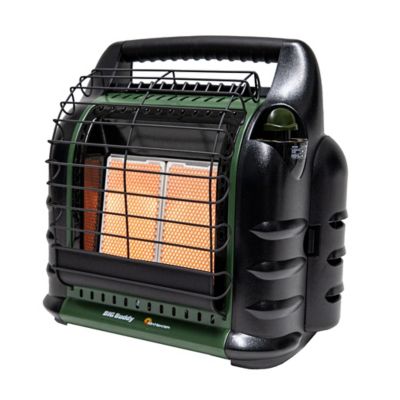
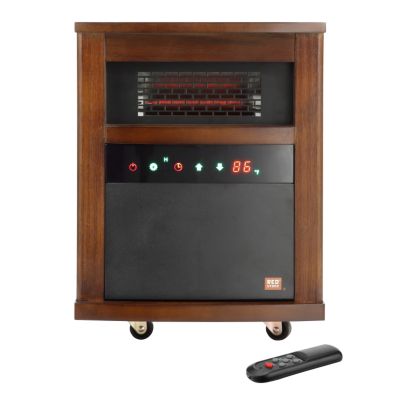
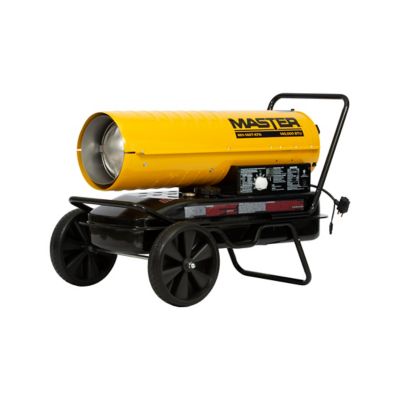
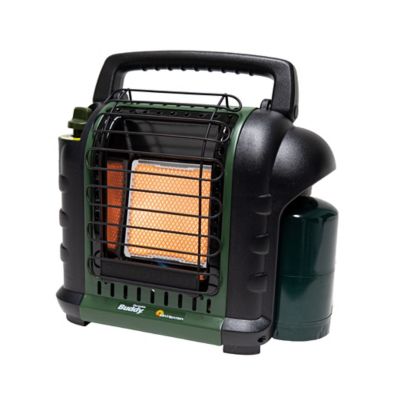
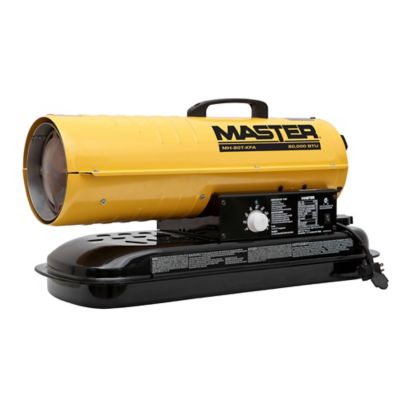
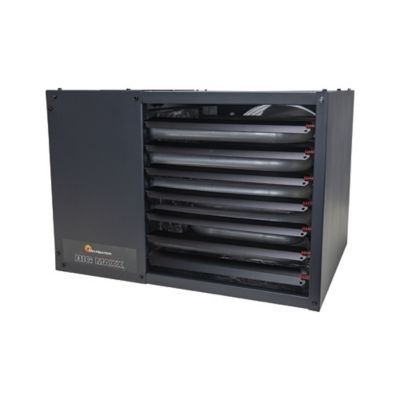
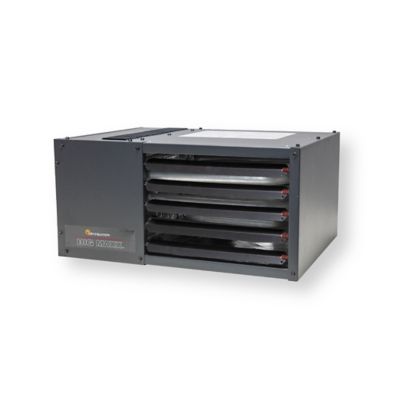
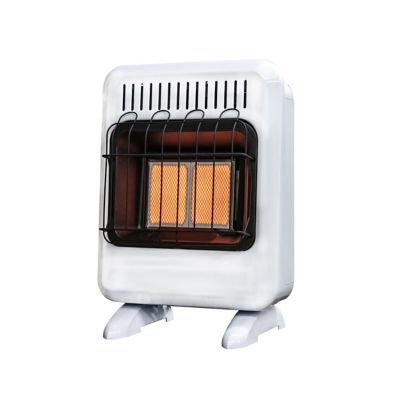
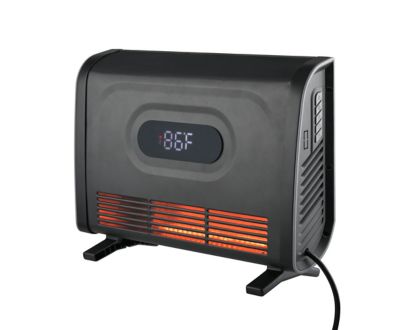
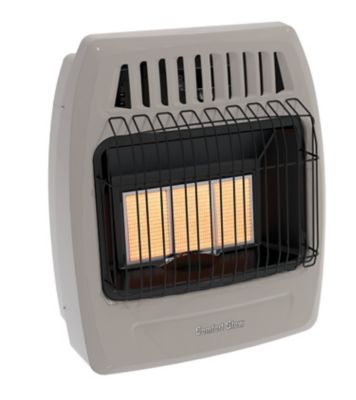
Electric heater units turn electrical energy into heat through resistance heating, also called Joule heating. As current passes through a heating element, electrical resistance generates heat that moves into the surrounding space. That straightforward process makes electric heaters a practical option for adding warmth to an enclosed garage, workshop, utility room, or other approved indoor area without burning fuel at the heater. The way that warmth reaches the room makes a difference in everyday comfort. Fan-forced heaters move air across an element and send warm air into the space, making them a common fit for work areas where air circulation matters. Radiant heaters send heat toward people and nearby surfaces, which can suit a designated work spot rather than an entire room. Convection heaters warm air that rises and circulates naturally, while fluid-filled designs transfer heat through a sealed internal fluid before releasing it through the outer housing. Metal resistance elements and ceramic elements both appear in electric heating equipment, with cabinet design, airflow, controls, and mounting arrangements helping determine how each heater performs in its intended setting. For someone sorting hardware at a bench, repairing a gate latch, or handling paperwork in a small office off the shop, comfort depends on more than the number on the thermostat. Air movement, nearby surfaces, and distance from the heater all shape how the space feels. A fan can help spread warmth, but its sound may be noticeable in a quiet room. A radiant design can provide focused warmth, but objects between the heater and the person can interrupt that heat transfer. Electric resistance heaters turn essentially all the electricity they draw into heat at the point of operation, but that does not make every heater equally suited to every building. Heating output, room layout, insulation, and the length of time the equipment runs still matter. The best match is equipment built for the space and the job, whether that means occasional supplemental warmth or a properly sized, permanently installed heating setup.
A heater’s physical fit and electrical requirements deserve as much attention as its heat output. Portable formats can suit approved spaces where occasional supplemental heat is needed, while wall- and ceiling-mounted unit heaters keep floor space open for benches, equipment, and everyday traffic. In a garage where a truck, tool chest, and worktable already take up most of the room, an overhead installation can leave more room to move, provided the structure supports the equipment and all required clearances are met. Adjustable louvers and directional outlets can help aim airflow toward the occupied area instead of straight into a nearby obstruction. Ceiling height matters, too, since warm air collects overhead and a tall building presents a different heating task than a small room with a low ceiling. Square footage is only part of sizing: insulation, window area, air leaks, door openings, and the temperature difference between indoors and outdoors also affect the heating load. A garage door that opens repeatedly can let heated air escape faster than a closed, insulated workspace. Wattage describes electrical power, while Btu per hour describes heat output; both can help compare heater capacity when the ratings refer to the same operating conditions. Voltage, amperage, plug configuration, and circuit capacity must match the installation. A standard household receptacle is not interchangeable with a higher-voltage connection, and larger electric heaters may call for a dedicated circuit or hardwired installation by a qualified electrician. Portable electric space heaters should plug directly into a suitable wall receptacle rather than an extension cord or power strip. Controls also affect day-to-day convenience. Thermostats cycle heat to maintain a setting, while selectable output levels can help match operation to the task. Timers, remote controls, and fan settings may be helpful features, but they do not replace correct sizing or safe placement. For a broader look at heating equipment for enclosed work areas, the
Unit Heaters category is another place to compare equipment formats and installation needs.
Materials, construction, and routine care help determine how well an electric heater fits life around the house or shop. Steel cabinets and metal grilles are common in work-area equipment, where the housing needs to stand up to everyday activity while keeping hands and objects away from internal components. A powder-coated finish can help protect exposed metal, though dents, scratches, corrosion, and loose mounting hardware still deserve attention. Handles, wheels, and brackets serve different purposes, and a carrying handle does not mean a heater can run safely while being moved. Portable heaters need a firm, level surface away from walkways, while mounted equipment needs the specified brackets, fasteners, and clearance from walls, ceilings, and stored belongings. Nothing should cover an intake or outlet, and warm airflow should not blow directly against cardboard boxes, clothing, bedding, or other combustible materials. Overheat protection and tip-over switches, where fitted, add safeguards without making careless placement safe. Portable space heaters should be switched off before leaving the area or going to sleep. Equipment for a clean, enclosed room should not automatically be treated as suitable for a barn, wash bay, or dusty agricultural building. Hay, airborne grain dust, fuel vapors, moisture, and corrosive conditions can call for specialized equipment and installation, so the heater’s listing and manufacturer’s stated applications matter. Bathrooms and other damp areas likewise require equipment specifically approved for the location. Care generally centers on keeping airflow paths clear and checking the heater’s condition according to its instructions. Cleaning takes place only after the equipment is switched off, disconnected from power as directed, and fully cooled; dust removal should not involve spraying liquid into the housing or opening electrical compartments without authorization. A damaged cord, scorched plug, burning smell, or repeated breaker trip calls for stopping operation and having the problem addressed. Thoughtful placement, suitable electrical service, and basic upkeep let electric heater units do their job without getting in the way of yours: bringing practical, controlled warmth to the spaces where chores, repairs, and everyday work happen.