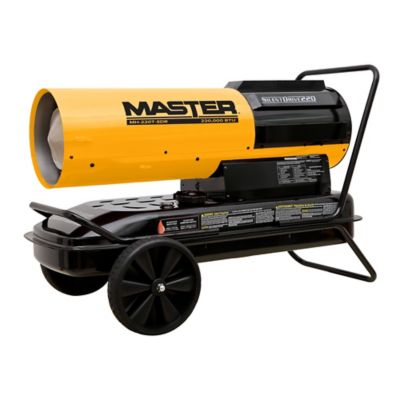
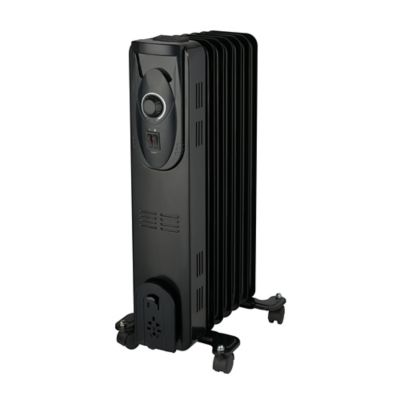
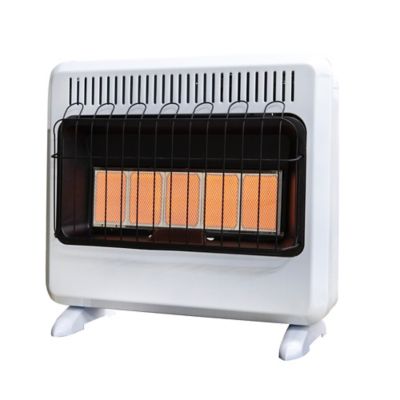
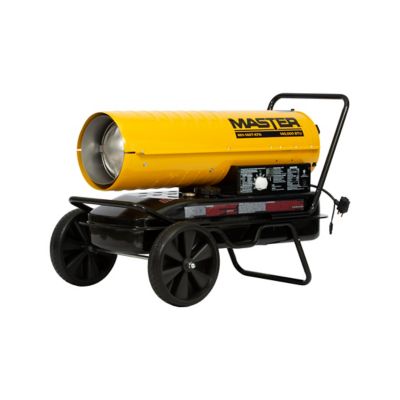
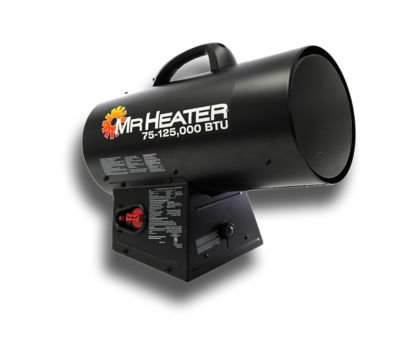
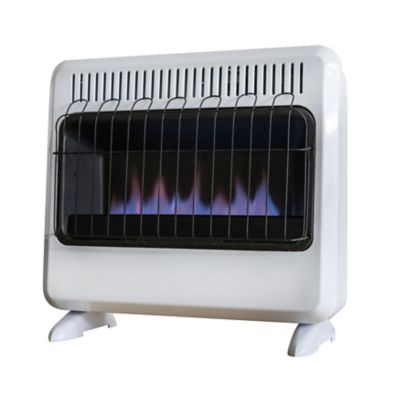
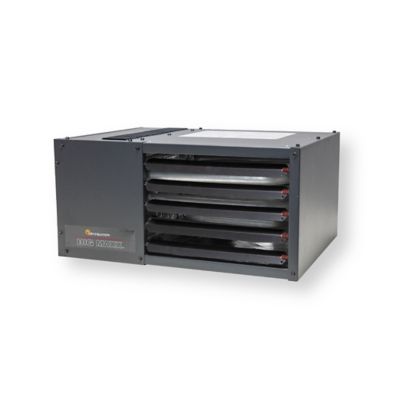
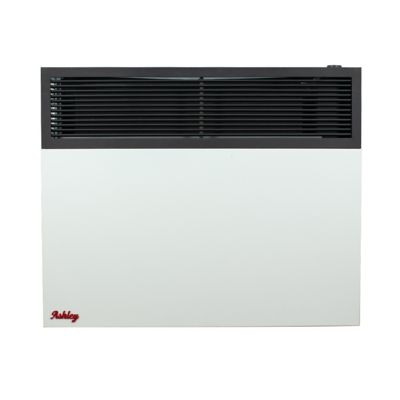
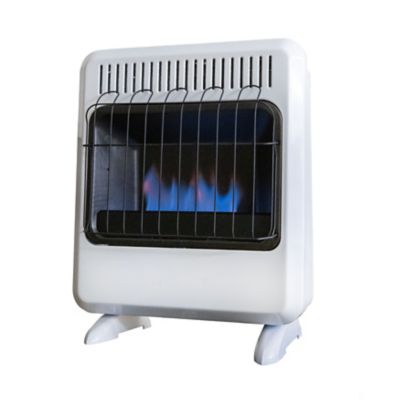
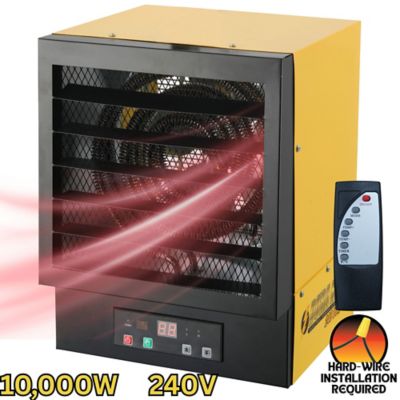
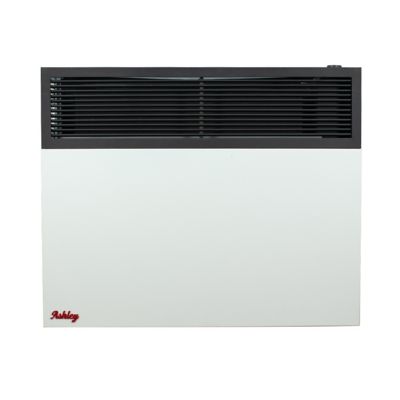
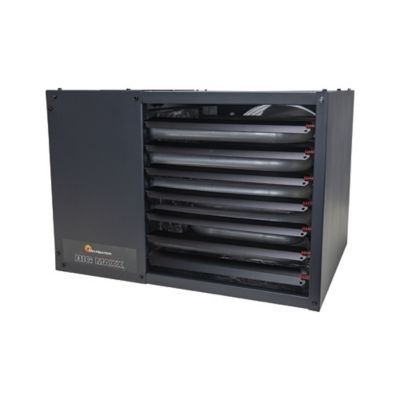
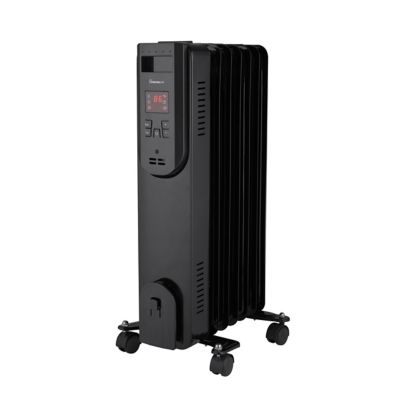
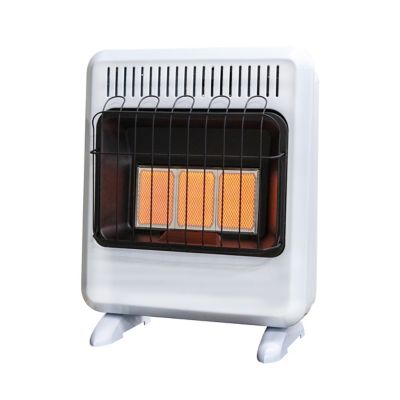
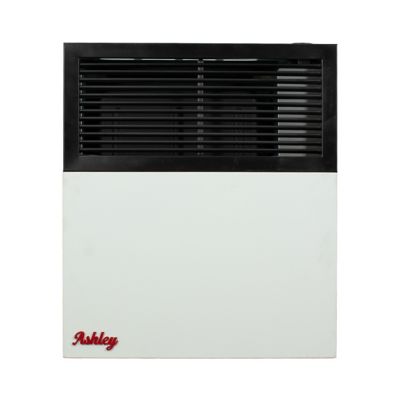
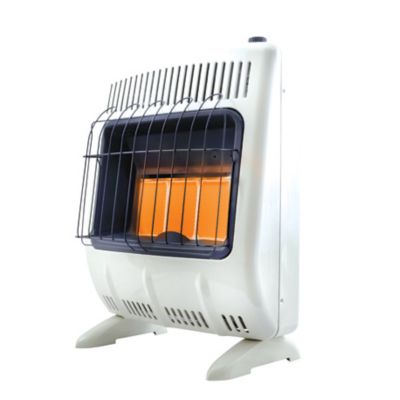
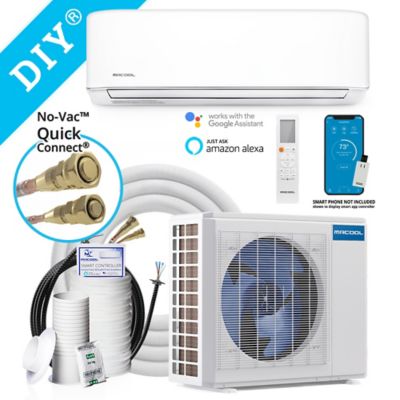
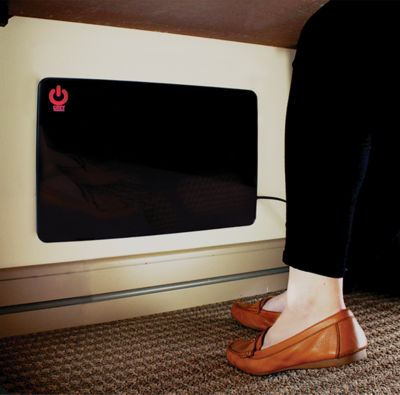
Heating units warm individual spaces or entire buildings through electricity, fuel combustion, or heat transfer. Electric resistance heaters turn electrical energy into heat, while gas and oil furnaces heat air for distribution through ductwork. Heat pumps move heat from an outdoor source into a building and, in systems designed for both jobs, also provide cooling. Boilers heat water or produce steam for radiators, baseboard systems, or radiant floor tubing. Packaged systems bring major heating and cooling components together in one cabinet, often positioned outside. Room heaters serve a smaller area, making them a different kind of solution from a whole-building system. The right fit depends on the space, its insulation, the energy source, and how the warmth needs to reach the people inside. A closed workshop with insulated walls has different heating demands than a drafty garage with a wide overhead door. Ceiling height, windows, air leaks, and doors that open throughout the day all affect heat loss. Heating output is commonly listed in British thermal units per hour, or BTU/h, while electric heater input is often shown in watts. Those ratings help describe a unit’s capacity, but square-foot coverage estimates depend on the conditions assumed by the manufacturer. A professional heat-loss calculation gives a stronger basis for sizing a whole-building system than floor area alone. For a smaller work area, the difference between heating the room’s air and directing warmth toward a workbench matters just as much. Fan-forced heaters circulate warmed air, convection heaters rely on air movement around a heating surface, and radiant heaters send warmth toward people and objects within their reach. Someone repairing a gate latch at a bench may appreciate focused radiant warmth, while an enclosed utility room may call for more even air circulation. No heating unit can fully make up for an open doorway or missing insulation, and a bigger output rating does not automatically mean a better match.
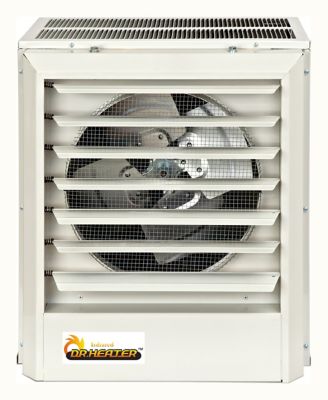
Construction, mounting position, and power requirements shape how a heating unit fits into everyday work. Steel cabinets and metal grilles are common around garages and shops, where equipment needs to stand up to regular activity without crowding a walking path. A powder-coated finish can help protect a metal housing, although scratches, dampness, and exposure still affect its condition over time. Controls should be easy to reach, and the unit needs enough room around its intake and discharge openings to move air as intended. A wall or ceiling installation can free up floor space near a workbench, shelving, or a parking area.
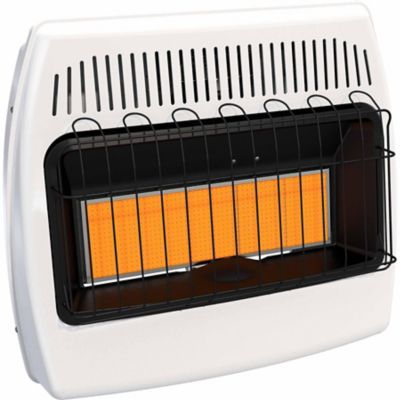
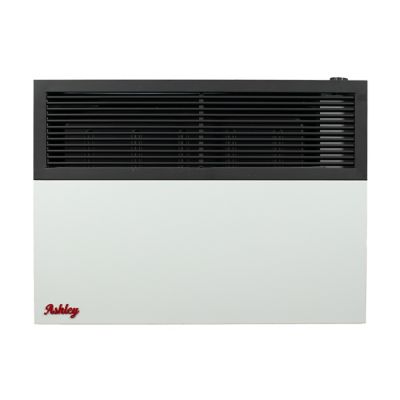
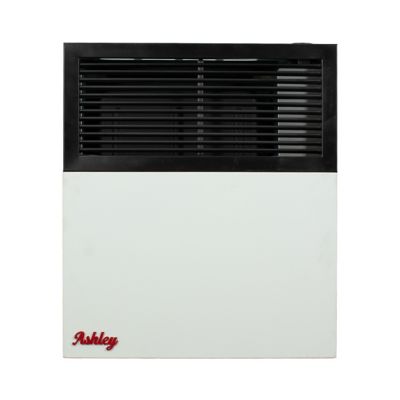
Mounted Heaters can suit spaces where keeping the floor clear matters, provided the structure, mounting hardware, and required clearances match the manufacturer’s directions. Heater placement must account for stored lumber, coats, cardboard, bedding, and anything else that could block airflow or catch fire. Overhead mounting also needs to leave room for garage doors, lights, and equipment movement. Electrical fit deserves the same attention as physical fit: some heaters connect to a suitable household outlet, while others require hardwiring or a dedicated higher-voltage circuit installed by a qualified electrician. Plug-in electric heaters belong directly in an appropriate wall outlet, not an extension cord or power strip. Fuel-burning equipment brings additional requirements for the correct fuel supply, combustion air, venting, and professional installation where specified. Outdoor-only heaters do not belong inside a house, garage, barn, or other enclosed space, even with a door cracked open. Combustion appliances also make carbon monoxide protection essential; alarms do not replace proper venting or maintenance. In farm buildings, dust, moisture, hay, flammable vapors, and animal activity can rule out equipment that would suit an ordinary room. A heater for those surroundings must be expressly rated for the setting, with placement that keeps animals and combustible materials safely away. Many ordinary room and garage heaters are not intended for those conditions.
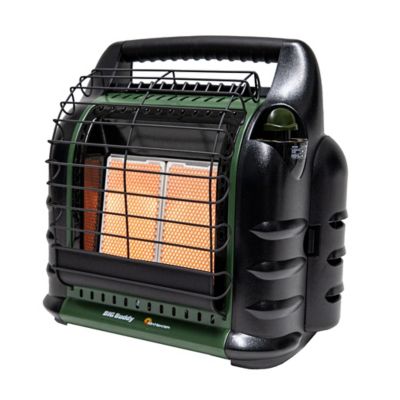
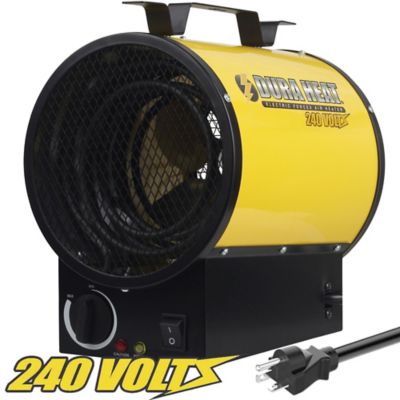
Day-to-day comfort comes from more than the amount of heat a unit produces. Thermostat range, control placement, fan sound, and airflow direction all influence how a space feels while the work gets done. A heater beside a drafty door may sense a different temperature than the sitting area across the room, while strong airflow aimed straight at a chair can feel distracting. Adjustable louvers can help direct warm air where needed without blocking the outlet. For portable electric heaters, tip-over protection and overheat shutoff are useful safeguards, but they do not replace safe placement or supervision. Portable heaters need a stable surface and the manufacturer’s required separation from curtains, furniture, bedding, and other combustible materials; they should be switched off before leaving the space or going to sleep. Care requirements vary by heating method, though keeping air passages clear is a common need. Dust collecting on an intake grille can restrict airflow, and a crowded corner can interfere with both performance and access for maintenance. Electric equipment should be switched off, unplugged when applicable, and allowed to cool before cleaning according to its instructions. Ducted systems may need regular filter checks, while fuel-burning systems need service that addresses burners, venting, and other combustion components. Unusual odors, repeated shutoffs, damaged cords, scorching, or a loose electrical connection call for stopping operation and arranging appropriate service rather than working around the problem. For a farmhouse living area, an enclosed shop, or a mudroom where boots line the wall, a suitable heating unit balances heat output with safe installation, manageable care, and the way that space functions. Clear access to controls, room for routine service, and protection from bumps or splashes help equipment stay in good working order. Matching the heating method to the building and the job makes warmth a practical part of the space, whether the day involves household chores, bench work, or getting equipment ready for the next task.