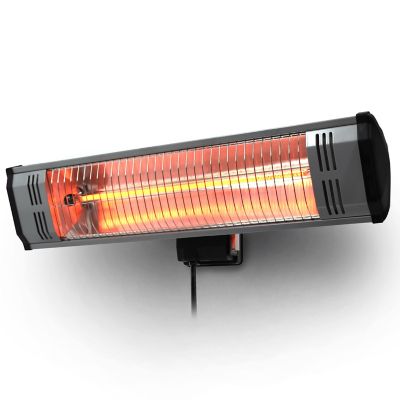
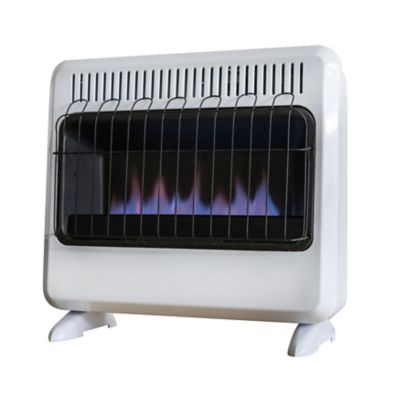
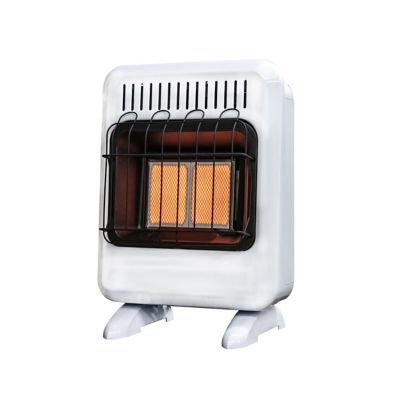
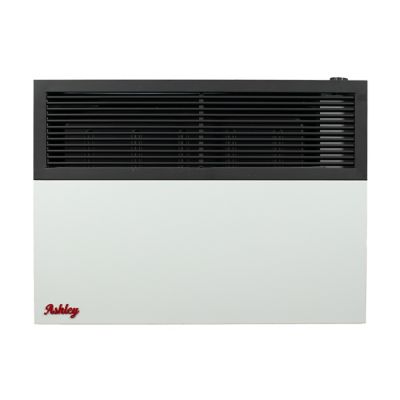
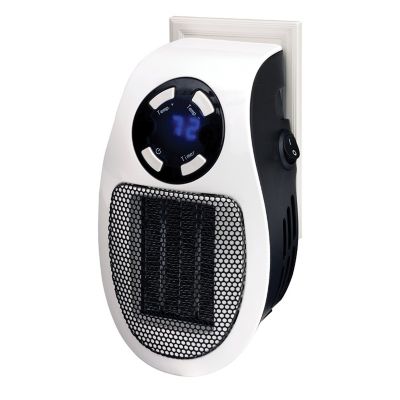
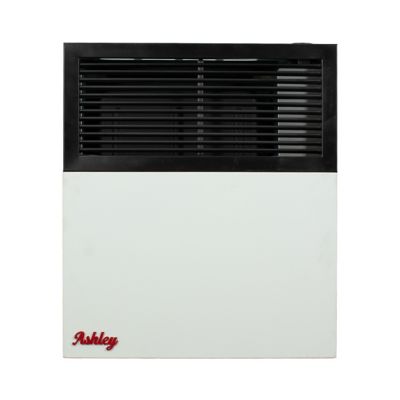
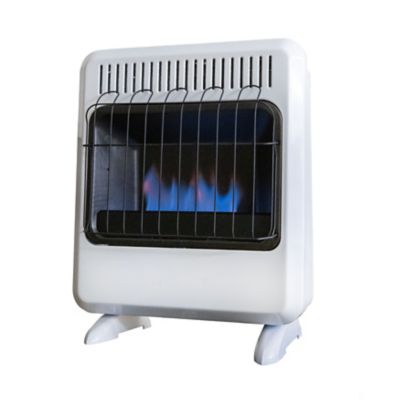
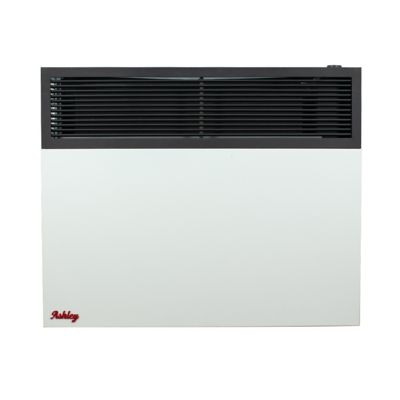
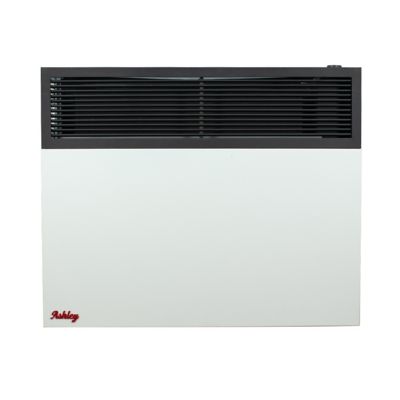
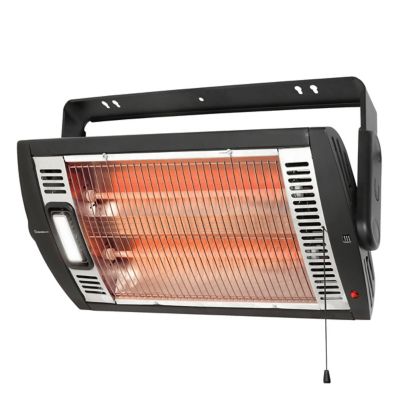
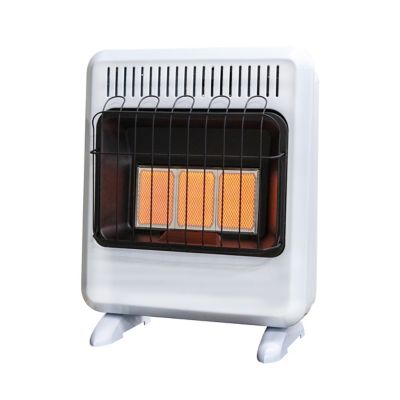
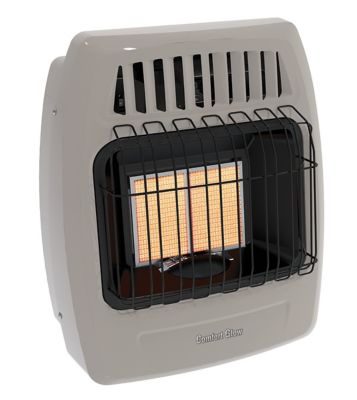
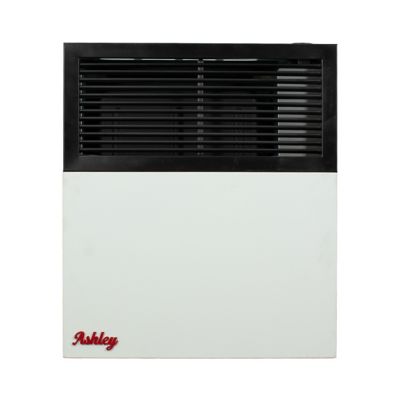
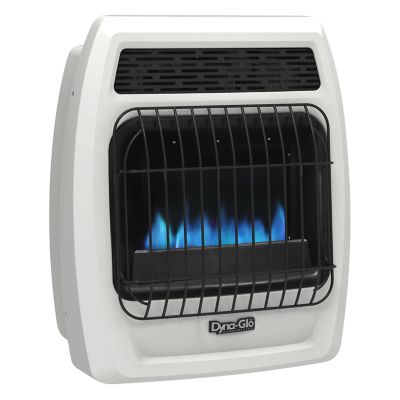
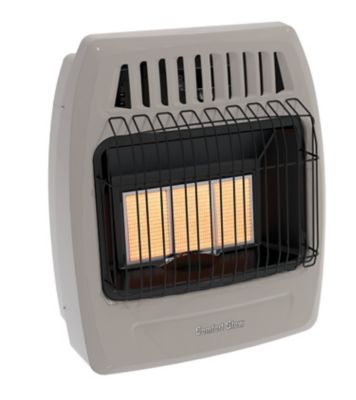
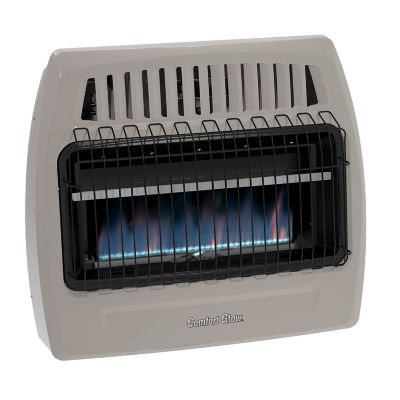
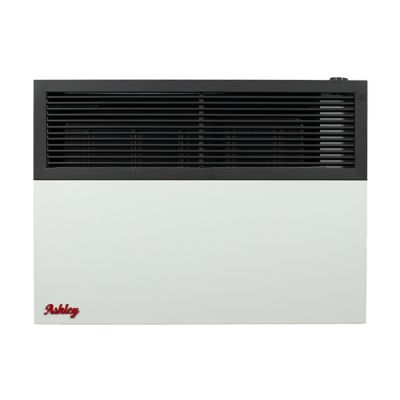
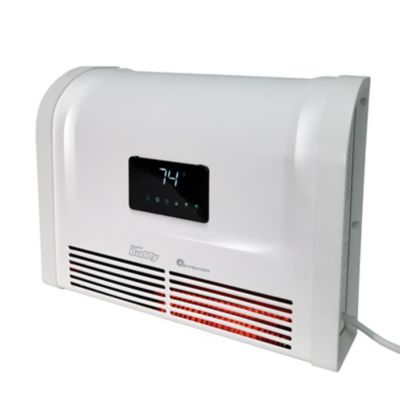
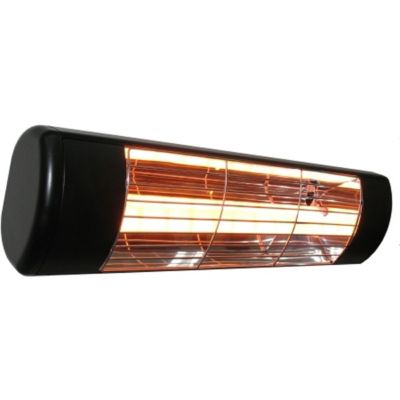
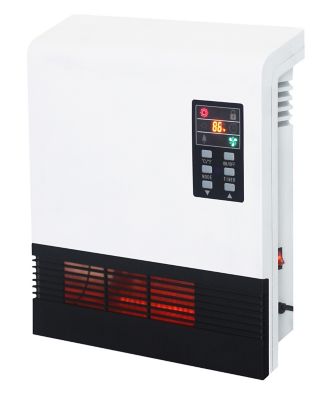
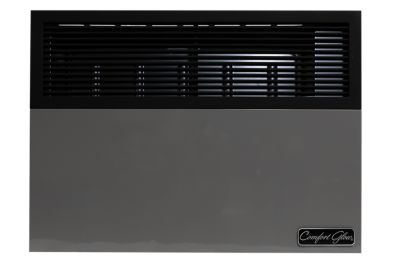
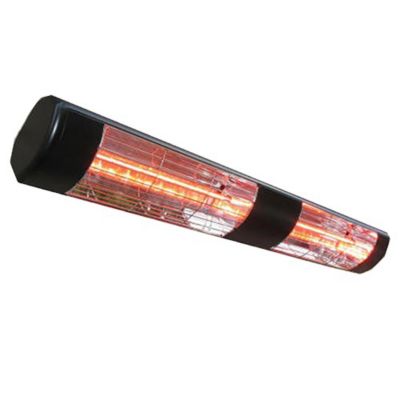
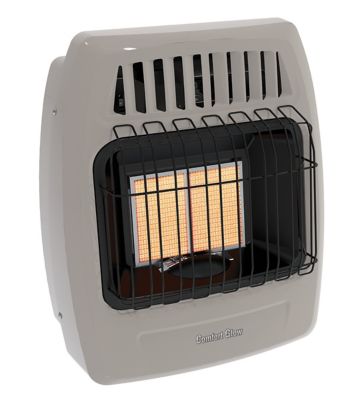
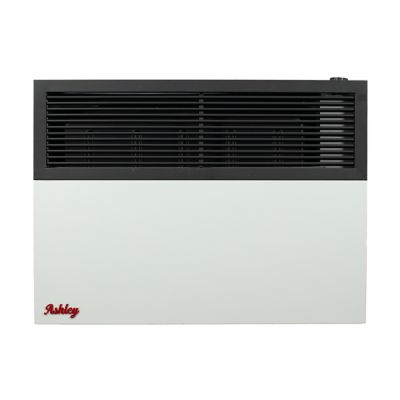
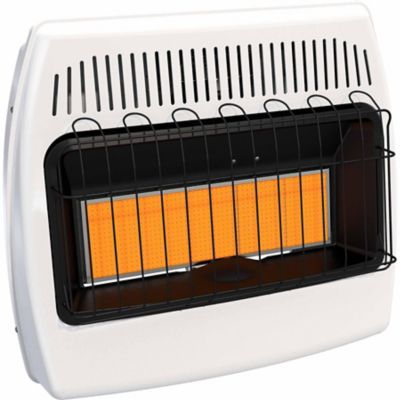
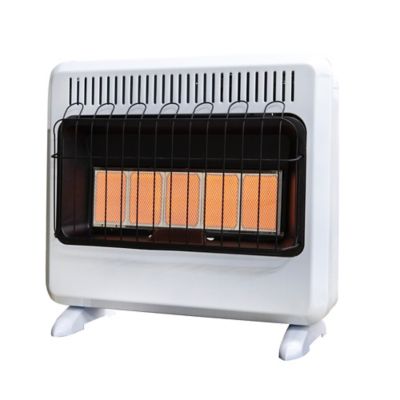
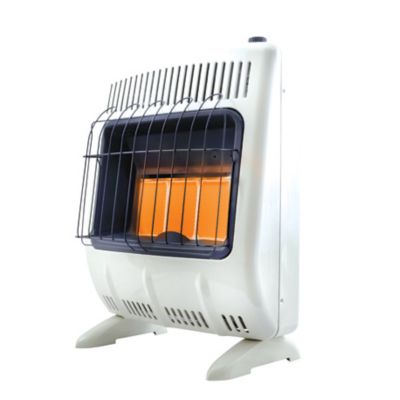
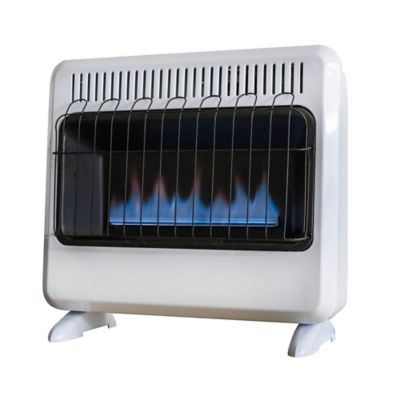
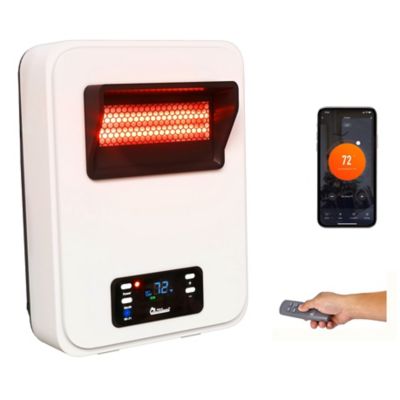
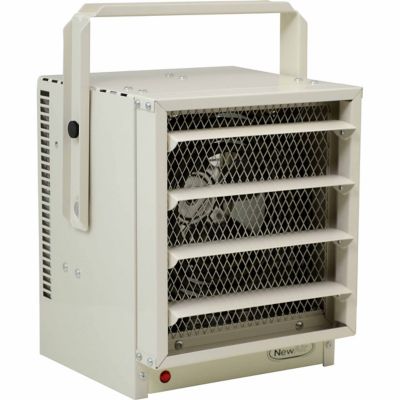
Wall heaters are heating units mounted on or recessed into a wall to bring warmth to a room without taking up floor space. They can provide supplemental heat in a chilly bedroom, home office, mudroom or other approved indoor space, while properly sized systems may serve as a room’s main heat source. Their fixed placement keeps the heater out of the walkway, which matters in a narrow entry where work boots pile up or a small room already filled with furniture. Electric wall heaters come in several heating styles, each with a different feel. Fan-forced wall heaters move air across an electric heating element and circulate that warmth into the room, making them a practical fit where quicker air movement is welcome. Convection wall heaters warm air as it passes through or around the unit; fanless designs generally operate quietly and provide a gentler flow of warmth. Infrared wall heaters deliver radiant energy that warms people and surfaces within reach of the heat, rather than relying only on warming the room’s air first. That direct warmth can suit a seating area or work spot, though furniture and other obstacles can interrupt its path. Gas wall heaters burn natural gas or propane and require a setup suited to the fuel, building and installation location. Across these categories, the best match depends on how the space functions, not simply how much wall area is open. A quiet bedroom has different needs than a busy utility room, and an enclosed room holds heat differently from a space connected to an open hallway. Ceiling height, insulation, windows and drafts all affect heating needs. Square-footage estimates provide a starting point, but they do not account for every building condition. Matching heating output to the room helps support comfortable operation without expecting a small supplemental heater to carry more space than its rating allows.
Mounting style and power requirements are just as important as heat output when comparing wall heaters. Surface-mounted units attach to the face of the wall, while recessed wall heaters sit partly inside a wall cavity for a lower-profile installation. Recessed designs need suitable framing space and room for the heater housing, wiring and required clearances. A slim appearance does not mean a heater can sit behind a sofa, beneath hanging coats or beside a curtain; the manufacturer’s clearance requirements determine the space that must remain open. Plug-in electric wall heaters need a correctly rated wall outlet and a cord path that does not cross a doorway or create a snagging point. They should connect directly to an appropriate outlet, not an extension cord or power strip. Hardwired wall heaters connect to the building’s electrical system and may require a dedicated circuit, depending on their electrical load and installation instructions. Voltage matters: 120-volt and 240-volt heaters are not interchangeable, and the existing circuit must match the heater’s requirements. Professional installation helps address circuit capacity, grounding, permits and local electrical rules. For gas wall heaters, fuel compatibility, gas-line sizing, combustion air and venting requirements all belong in the installation plan. Vented heaters exhaust combustion gases outdoors through an approved venting arrangement. Vent-free gas heaters release combustion byproducts and moisture into the room, have specific ventilation requirements and may be restricted by local rules or room type. They are not a fit for every building. Working carbon monoxide alarms are important wherever fuel-burning heating equipment operates, and an oxygen-depletion shutoff does not replace those alarms or required ventilation. Bathrooms, damp rooms and outbuildings also need special attention to location ratings. A household wall heater is not automatically suitable for a dusty feed room, a wash area or a shop where gasoline, paint or solvents are stored.
Everyday comfort comes down to more than a heater’s maximum output. Thermostat controls let the heater cycle toward a selected room temperature, while adjustable heat settings offer flexibility when the full heating level is not needed. Built-in thermostats keep controls at the unit; compatible wall thermostats can place temperature sensing elsewhere in the room. Sensor location matters because a drafty doorway or nearby heat source can affect the reading. Timers and programmable controls can suit predictable routines, such as warming a home office for the workday, while remote controls reduce trips across the room. Connected controls depend on the heater’s features, network requirements and operating instructions, so they are a convenience rather than a substitute for proper placement and supervision. Construction details also deserve a look. Metal housings and grilles protect internal components, and protective finishes help the exterior stand up to everyday wear. Neither a metal cabinet nor a finished surface means the heater stays cool to the touch. Homes with children or pets need particular care around hot surfaces, accessible controls and the required clear space. Overheat protection is a useful safety feature, but it does not make blocked airflow safe. Routine care usually includes keeping intake and outlet openings clear and removing surface dust as directed, with power disconnected and the unit fully cool before cleaning. Gas equipment also needs the inspections and servicing specified by its manufacturer. Keeping blankets, laundry, pet bedding and furniture away from the heater supports airflow and reduces fire hazards. For a mudroom where coats come off after chores, that may mean choosing a wall away from hooks and boot storage rather than the first open spot by the door. When comparing wall heaters with other
Mounted Heaters, the useful differences are where the heat travels, how the unit attaches and whether its rating fits the space. The right combination leaves room for daily life while putting warmth where it belongs.