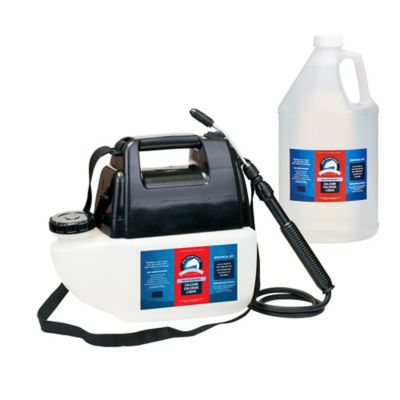
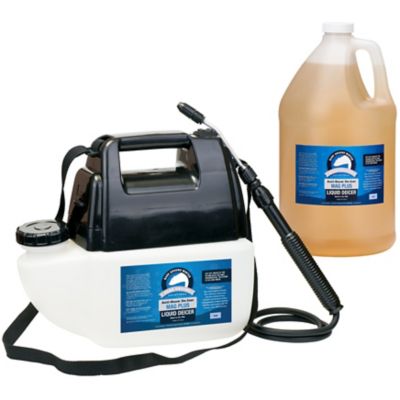
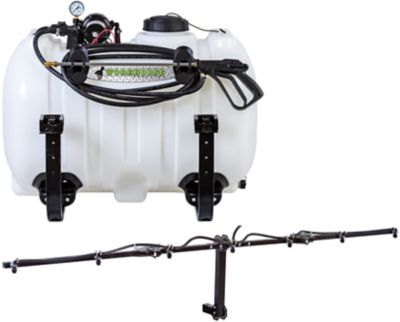
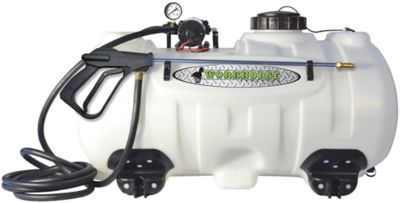
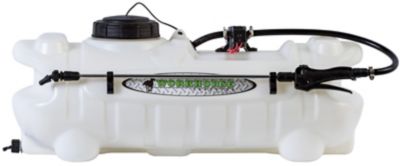
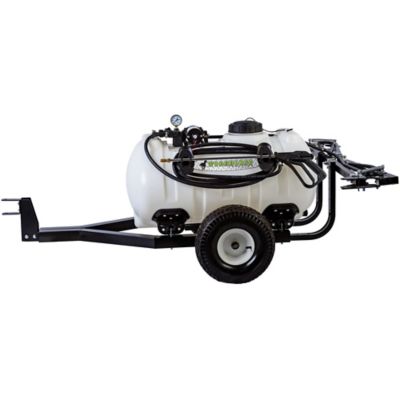
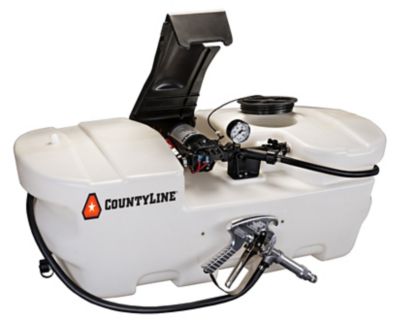
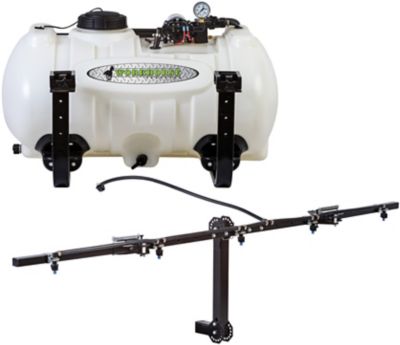
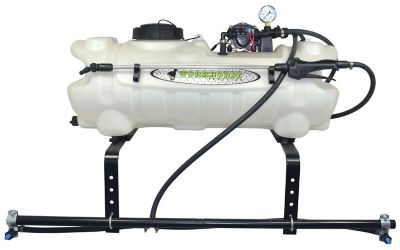
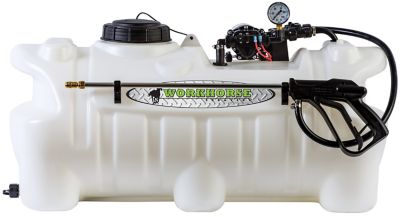
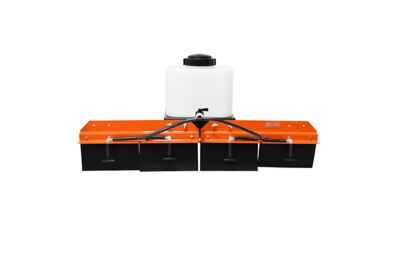
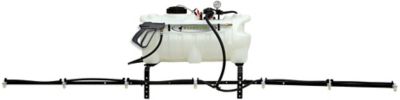
Driveway sprayers cover several different jobs, and the right match depends on what goes in the tank: concrete or paver sealer, asphalt sealcoat, weed killer, or a driveway cleaner. Those liquids do not all flow the same way or call for the same equipment. A sprayer suited to a thin weed-control solution may not handle a thick coating, while a sealer-compatible sprayer needs tank materials, seals, hoses, and fittings that match the coating’s chemistry. For concrete and paver driveways, application equipment may include manual or powered sprayers rated for the particular water-based or solvent-based sealer. Water-based does not automatically mean suitable for every sprayer, and a stainless steel tank alone does not establish solvent compatibility. The pump, gaskets, wand, and spray tip matter just as much. Some sealers also call for backrolling or another application method, so the coating label remains the deciding reference. Asphalt sealcoat is a separate category. Certain formulations contain fillers or sand and require a purpose-built spraying system with suitable pumping capacity, hose size, and material handling. An ordinary lawn and garden sprayer is not a substitute for that equipment, and some asphalt coatings call for brush or squeegee application instead. Around a home, acreage, or farm entrance, these distinctions matter whether the job covers a short parking pad or a long stretch between the road and the barn. A compatible spray pattern can help spread a coating across broad sections, while control at the wand matters along garage thresholds, stone borders, and adjoining walks. Tank capacity affects how much ground can be covered between refills, but a larger tank also means more liquid weight to move. For contractors and property owners alike, matching the sprayer to the material and application method comes before tank size or power source. A sealer sprayer helps distribute a coating; it does not replace surface preparation, repair potholes, or make an unsuitable coating right for a particular driveway. The equipment and the surface treatment need to fit the same job.
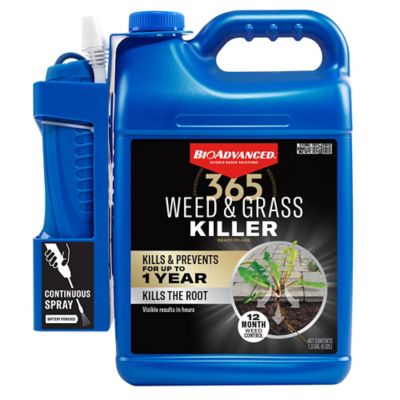
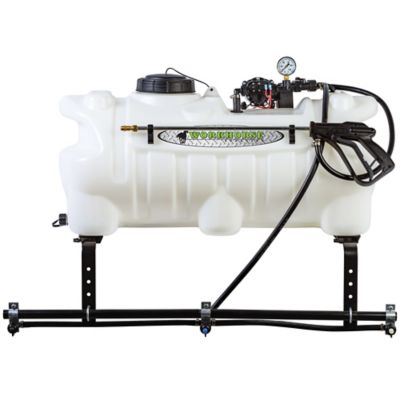
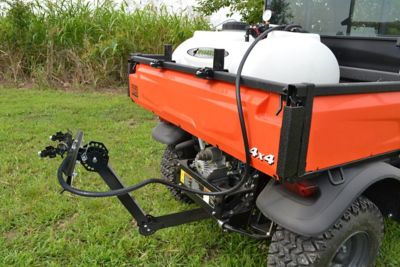
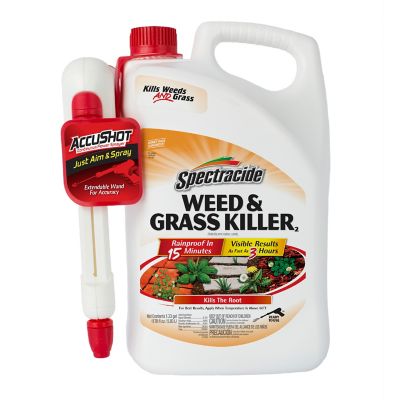
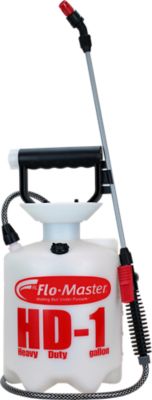
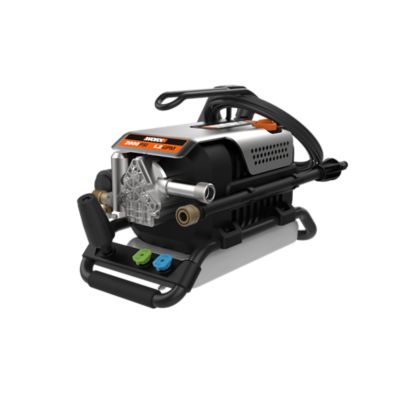
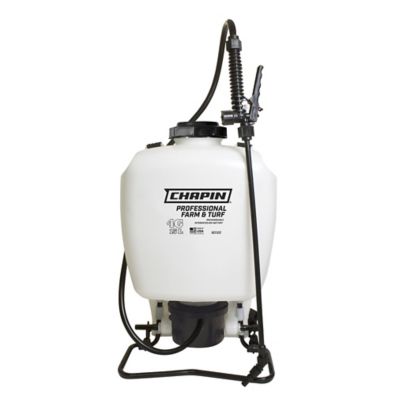
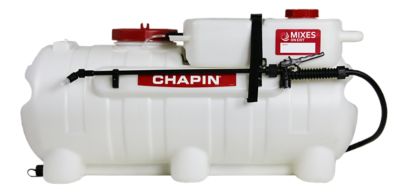
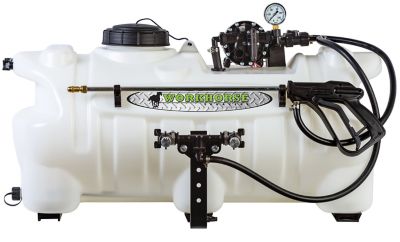
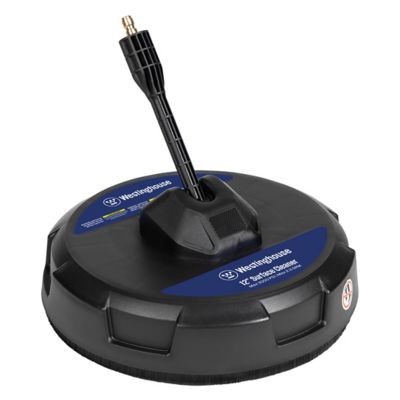
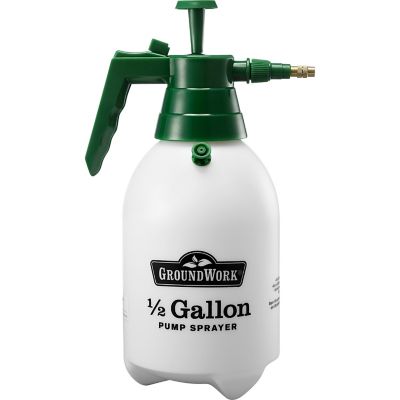
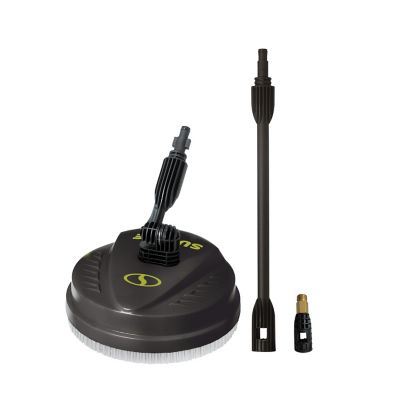
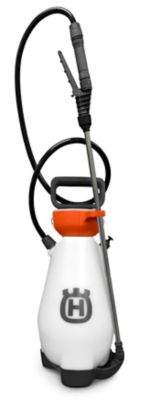
For weed control, driveway sprayers serve a different purpose: placing a labeled treatment on weeds in gravel, along pavement edges, or in joints where unwanted growth takes hold. A handheld pump sprayer can suit scattered patches near the mailbox or garage, while a backpack, wheeled, or appropriately equipped tow-behind sprayer can make sense for longer lanes and larger properties. Reach and control count here. A wand that extends comfortably toward the ground helps with weeds beside a fence, and an easy-to-operate shutoff helps limit spraying around gateposts and landscaped edges. Fan nozzles can cover broader strips, while other compatible tips offer a narrower pattern for targeted work. Spray pressure and droplet size affect placement, so equipment that provides steady output without unnecessary mist is worth considering around nearby grass and planting beds. Weed-control products must be labeled for the intended site, and their directions govern application, protective equipment, and access for people and animals. Driveway cleaners bring another set of compatibility needs. Concrete-safe cleaning solutions, degreasers, and treatments for surface buildup can differ widely in chemistry, and neither a general-purpose tank nor a standard seal set suits every formula. Cleaners containing bleach, acids, or strong solvents need equipment expressly rated for that chemistry, if spray application is permitted at all. A chemical application sprayer also does not take the place of a pressure washer: it distributes a treatment rather than providing the same force for rinsing away loosened material. Around shop entrances, equipment parking areas, and the apron outside a garage, controlled application helps keep treatment on the intended surface. Nearby vegetation, metal fixtures, painted surfaces, and drainage paths all deserve consideration. Equipment choice should support the cleaner’s label directions, including any restrictions on surface type, rinsing, and runoff. Separate, clearly labeled sprayers for weed treatments and cleaning chemicals help reduce mix-ups and cross-contamination, especially where several people share responsibility for property upkeep.
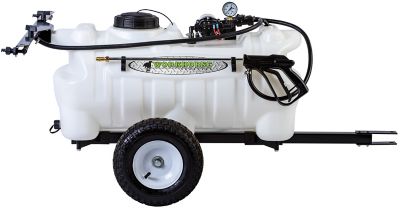
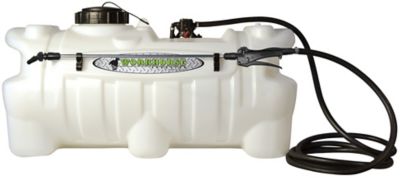
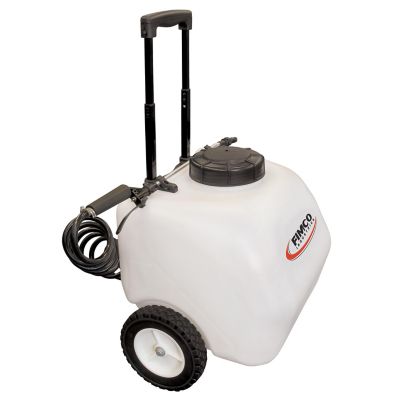
Construction and fit make a noticeable difference once a driveway sprayer is full and the job stretches past a few minutes. Polyethylene tanks keep equipment weight down, while stainless steel tanks offer another construction option; compatibility still depends on the complete sprayer, not just the tank shell. A wide fill opening can make filling and rinsing less awkward, and readable tank markings help with measuring solutions according to their labels. Filters and strainers help keep debris out of the spray path, though they cannot make an overly thick liquid suitable for a pump or nozzle. Hose length, wand reach, trigger comfort, and access to replacement seals all affect how practical the equipment feels over repeated jobs. Backpack straps should support the loaded tank without forcing an awkward reach to the controls. Wheeled frames shift that weight off the shoulders, though wheel size and ground clearance matter on loose gravel and rutted lanes. Battery-powered equipment reduces hand pumping, but run time, charging requirements, pump output, and chemical compatibility still need to match the work. Tow-behind setups bring hitch fit, loaded weight, and towing-equipment limits into the picture. For property owners tending turf beside the drive,
Sprayers for Lawns covers a related application, although equipment suitable for lawn treatments is not automatically suitable for driveway sealers or strong cleaners. Long service life also depends on care between jobs. Prompt cleaning according to the sprayer and treatment labels helps prevent residue from restricting tips, sticking valves, or affecting the next application. Pressure needs to be released as directed before opening a pressurized tank, and rinse liquid requires disposal consistent with the chemical label and local requirements. Hoses, connections, and seals benefit from regular inspection, especially before filling a tank with treatment. Protected storage, clearly identified contents, and access to routine replacement parts help keep a driveway sprayer ready for the work it was built to handle, whether that means a few weeds beside the cattle guard or a properly matched surface treatment across the drive.