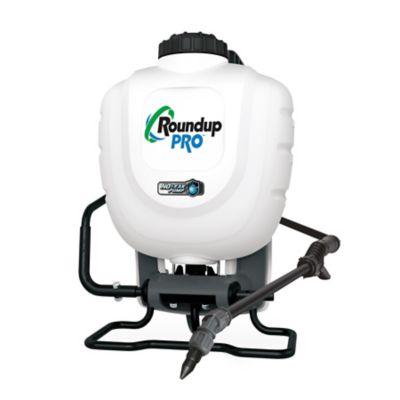
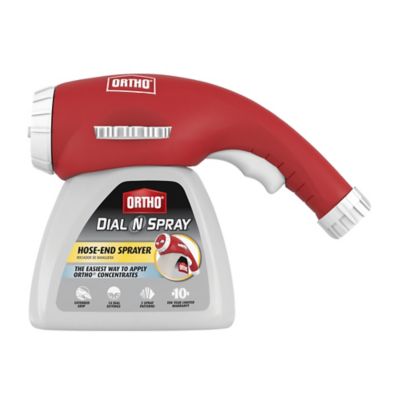
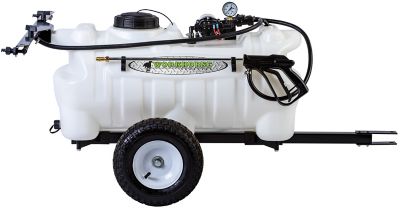
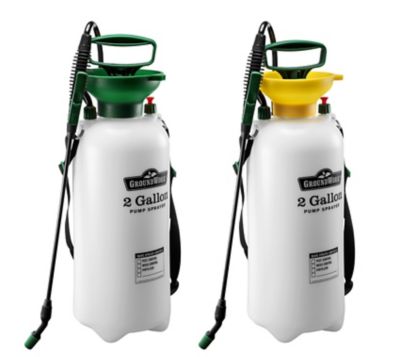
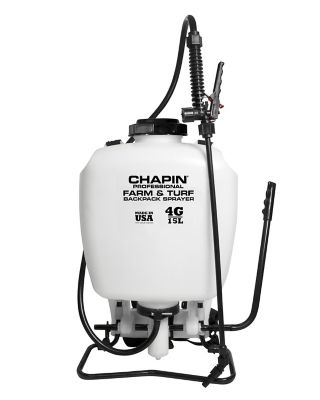
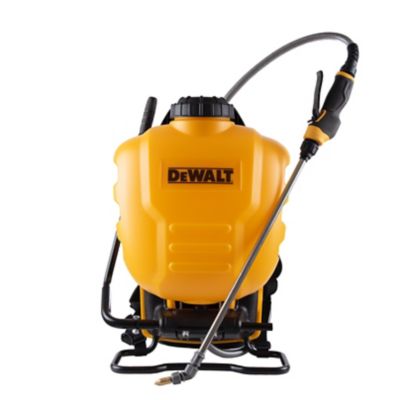
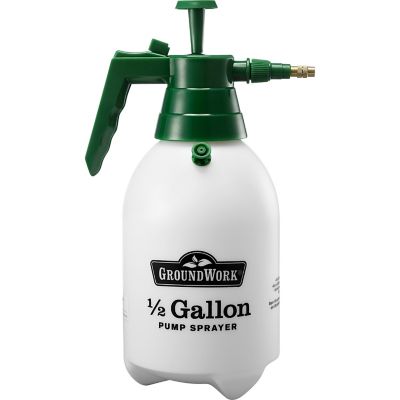
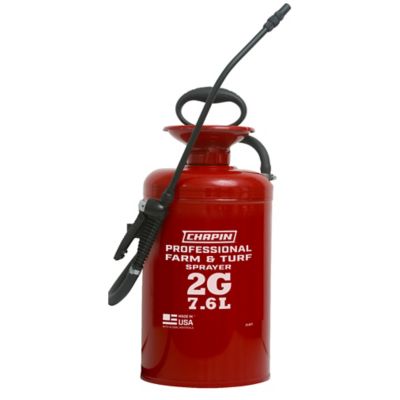
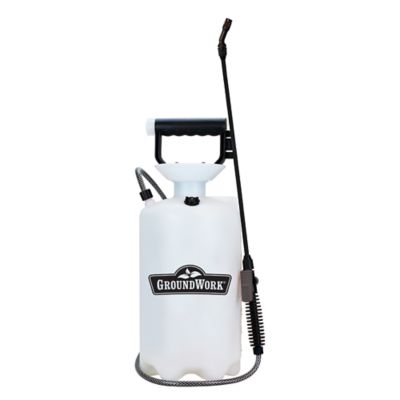
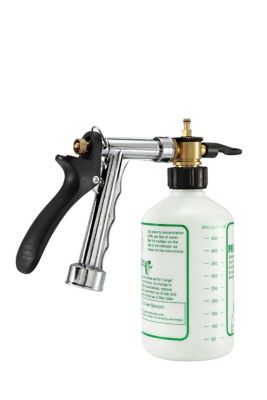
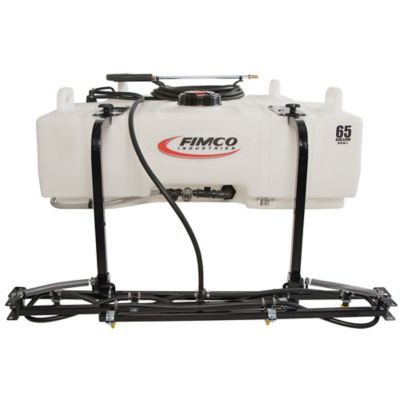
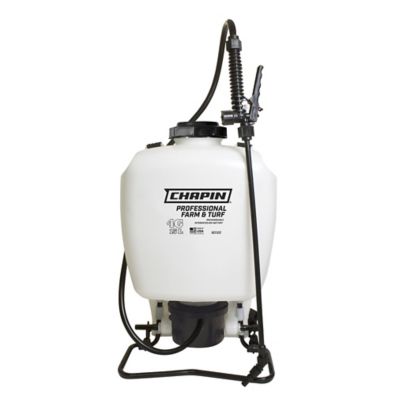
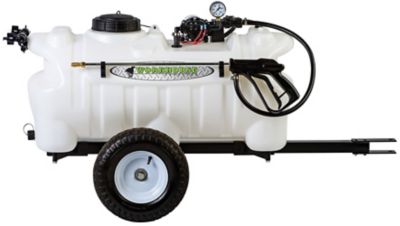
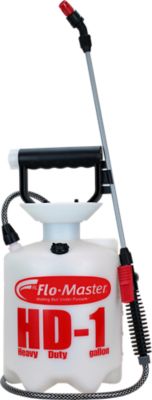
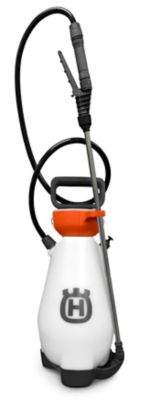
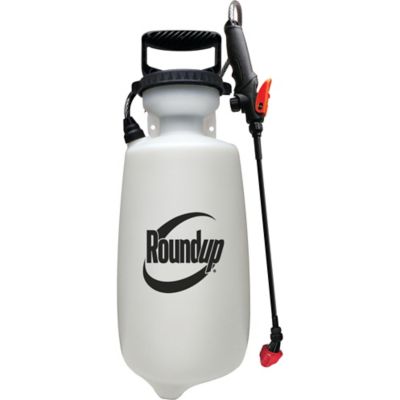
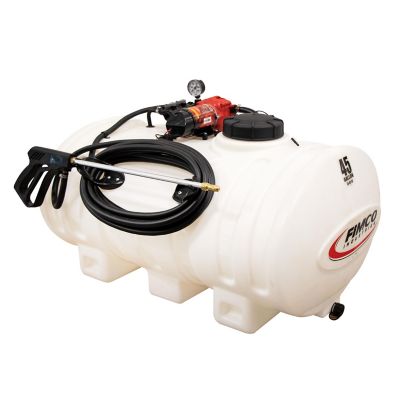
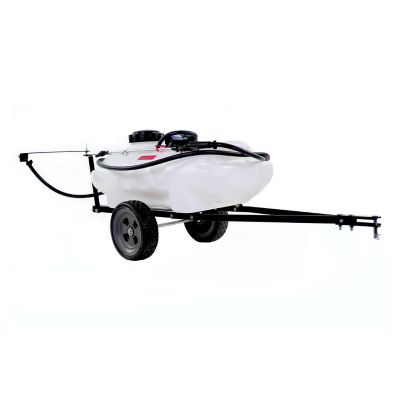
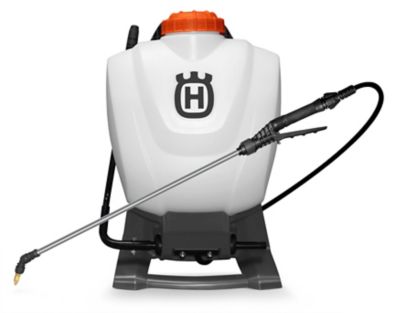
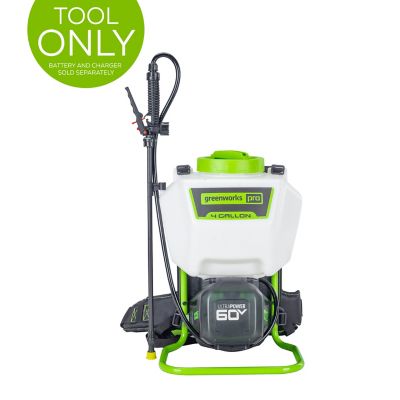
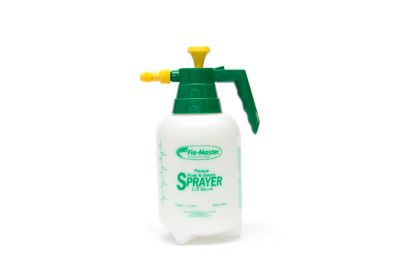
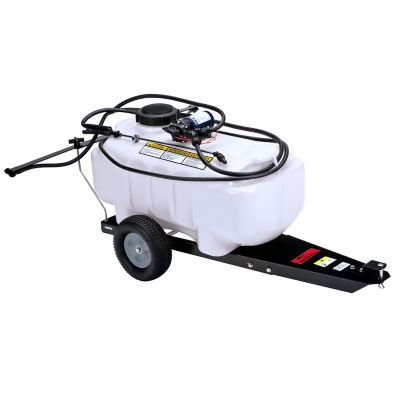
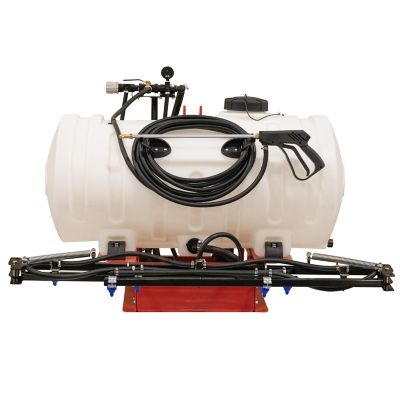
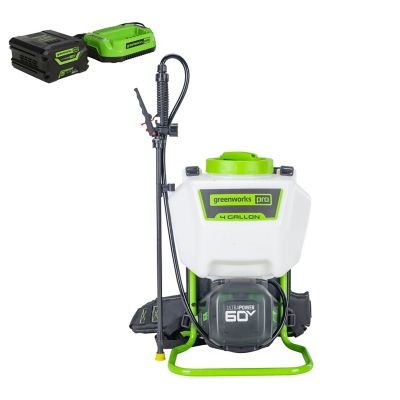
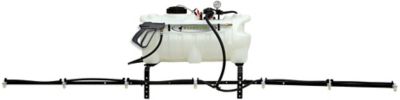
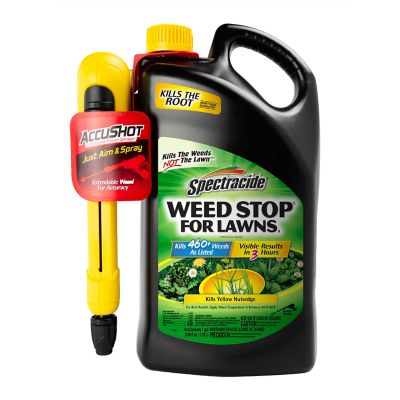
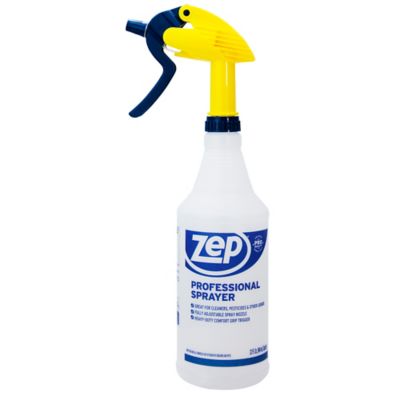
Sprayers for lawns carry and apply water, liquid fertilizers, weed control solutions and insect treatments that are compatible with the equipment and labeled for the intended job. They make it easier to reach a patch of weeds beside the fence, treat turf around a shed or cover an open stretch of yard without carrying a watering can back and forth. The main choices are handheld pump sprayers, backpack sprayers, battery-powered sprayers and larger tow-behind or vehicle-mounted setups. Handheld pump sprayers commonly have tanks holding 1 to 2 gallons, making them a practical fit for spot treatments and smaller lawn areas. Pumping the handle builds pressure inside the tank, and a trigger on the wand controls the flow. Their smaller size makes them easier to carry through a gate or around flower beds, though covering a bigger yard can mean more refills. Backpack sprayers often hold around 4 gallons and carry the tank on shoulder straps, leaving a hand free to work the wand. Manual backpack models build pressure with a pump lever, while battery-powered versions run an electric pump without repeated hand pumping. That difference can matter when a job involves several passes along a fence line or a broad patch of turf. Tow-behind and ATV-mounted sprayers typically have larger tanks, often starting around 15 gallons, for properties where walking with a full tank would be a chore. Depending on the setup, a boom covers a wider swath, while a hose and wand reach corners and other areas outside the vehicle’s path. Tank size alone does not determine how much lawn a sprayer can cover. The treatment’s application rate, nozzle output and travel speed all affect coverage, so matching capacity to the job means looking beyond the gallon number. A small tank can handle scattered weed patches across a large property, while a whole-lawn application may call for more capacity even on a modest yard. Homeowners, acreage owners and grounds crews all benefit from equipment that matches the area, access and frequency of the work.
Tank construction, seals, hoses and fittings help determine which liquids a lawn sprayer can handle and how well it stands up to regular work. Molded polyethylene tanks are common because they keep equipment weight manageable and resist many lawn treatment formulations, but compatibility still depends on the sprayer’s components and the treatment label. Brass, stainless steel and plastic parts each have a place in spray wands and nozzles; the right choice depends on chemical compatibility, maintenance needs and the manufacturer’s specifications rather than material alone. A wide tank opening makes filling and rinsing less awkward, while clear gallon markings help with measuring water. Strainers and filters help keep debris out of the pump and nozzle, and accessible connections make routine inspection easier. The wand should reach the target comfortably without forcing the operator to bend over every few steps. For backpack models, padded straps, an adjustable harness and a tank shape that sits comfortably against the back make a difference on longer walks. A gallon of water weighs about 8.3 pounds, so a full 4-gallon tank carries roughly 33 pounds of water before counting the sprayer itself. That weight is worth considering around slopes, uneven ground and narrow passages. Nozzle selection matters just as much as carrying comfort. A fan pattern can suit broad turf coverage, while a directed stream can help reach an isolated target when the treatment label permits it. Adjustable tips offer flexibility, but the nozzle pattern, pressure and droplet size still need to fit the application. More pressure is not automatically better; it can change output and produce finer droplets that are harder to keep on target. Consistent coverage comes from a suitable nozzle, steady movement and a properly checked application rate. Matching the equipment with the right
lawn care spray also means checking that the treatment is labeled for the grass type, target problem and application method, especially where turf meets garden plants or animal areas.
Good sprayer care starts with keeping the tank, pump and hose ready for the next job rather than letting leftover solution sit inside. Residue can clog a nozzle, interfere with seals or carry into a later application. A sprayer dedicated to herbicides helps reduce the risk of accidentally carrying weed control residue into fertilizer applications or onto plants that should not receive it. Clear tank labeling is useful in a shed where several pieces of lawn equipment share the same shelf. Cleaning, rinsing and disposal should follow both the equipment instructions and the treatment label, with rinse water handled as directed rather than emptied into a drain or ditch. Releasing pressure before opening a pressurized tank and checking hoses, seals and connections for leaks are part of keeping the equipment in working order. Worn tips can change the spray pattern or flow rate even when the sprayer still seems to run normally, so replaceable nozzles and accessible service parts are helpful for equipment that sees frequent work. Battery-powered models also need a suitable charging routine and protected storage for the battery and charger, according to the manufacturer’s directions. For tow-behind equipment, hitch fit, wheel condition, loaded tank weight and the towing vehicle’s limits deserve attention before a full tank heads across the property. A mounting system should fit the intended ATV or utility vehicle without interfering with safe operation. On any setup, a shutoff within easy reach helps control application around gates, paths and lawn edges. Gloves, eye protection and any additional protective equipment specified on the treatment label belong alongside the sprayer, and children and animals need to remain outside treated areas for the stated interval. Whether the work is a few weed patches near the barn or a planned application across a wide front lawn, the best fit is equipment that carries comfortably, reaches the target and delivers the required amount without unnecessary handling. Practical features such as a readable tank, manageable hose length, accessible controls and straightforward cleaning can make everyday lawn work less of a chore.