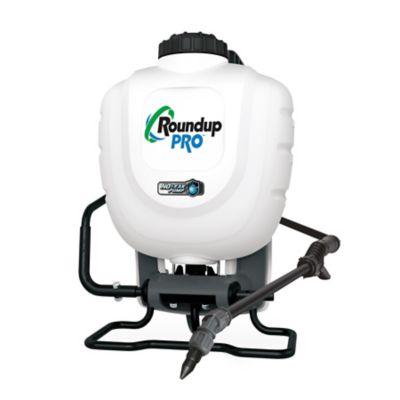
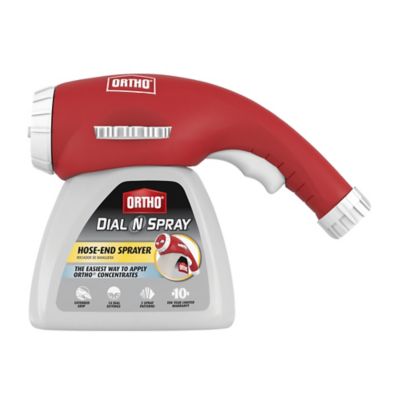
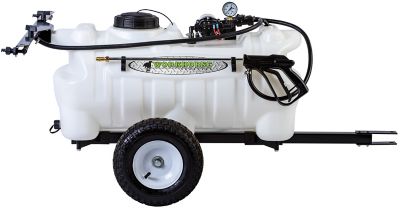
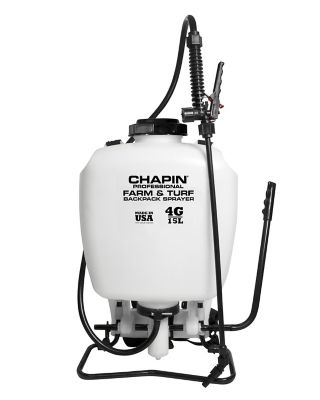
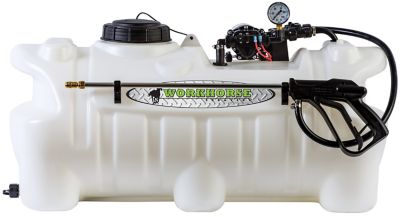
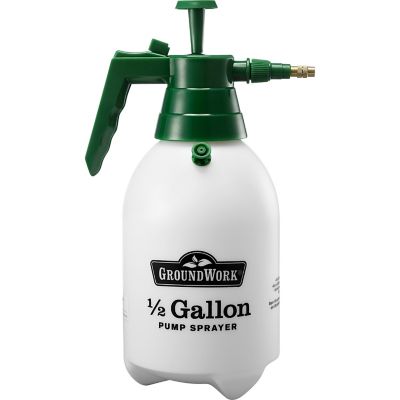
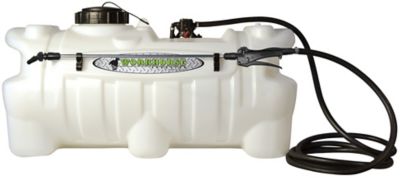
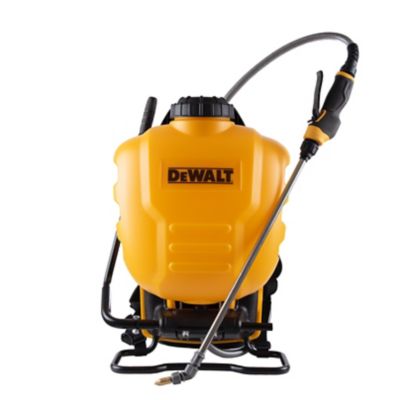
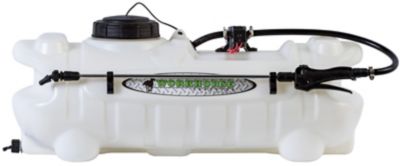
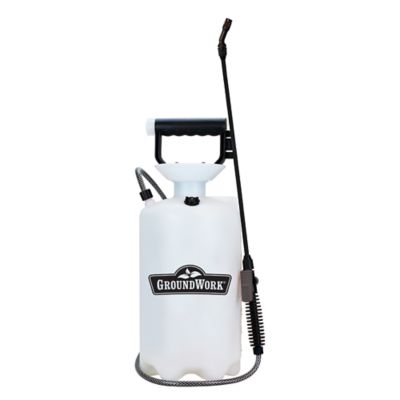
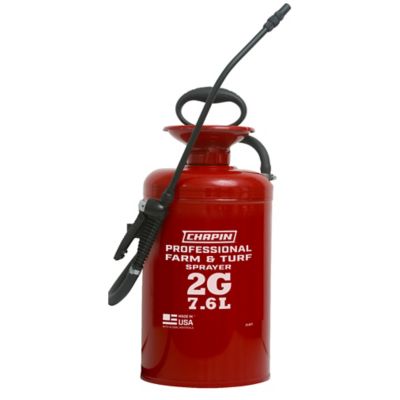
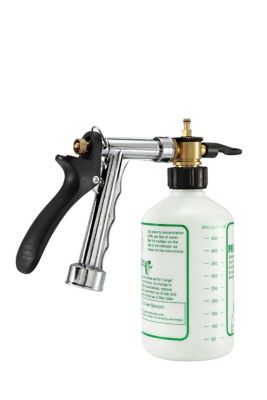
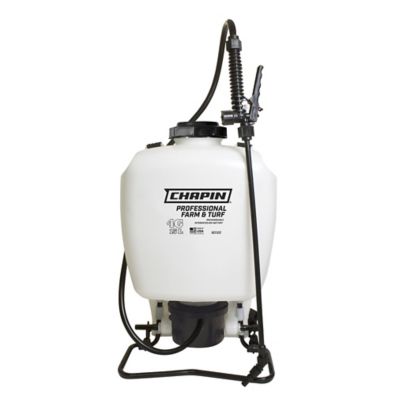
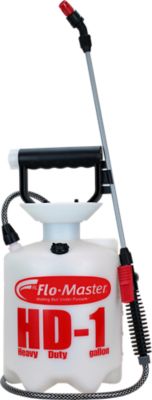
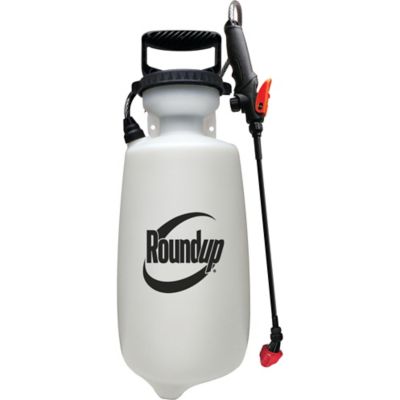
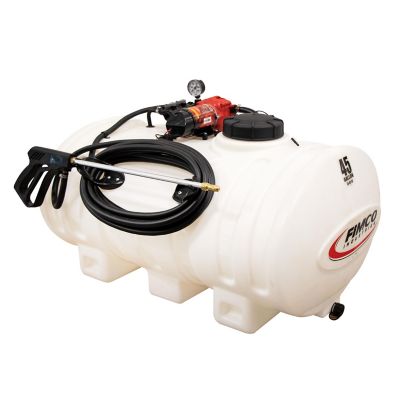
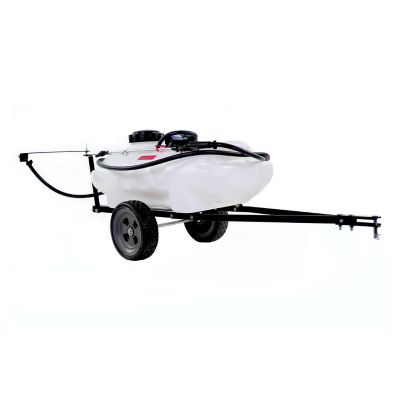
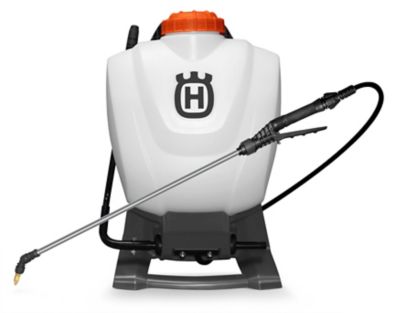
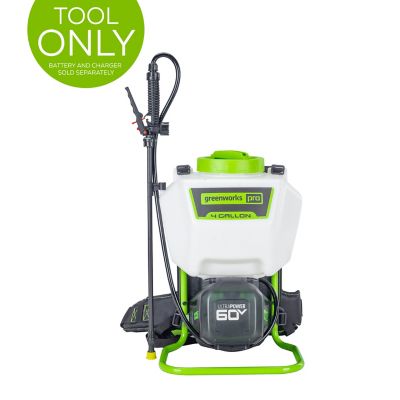
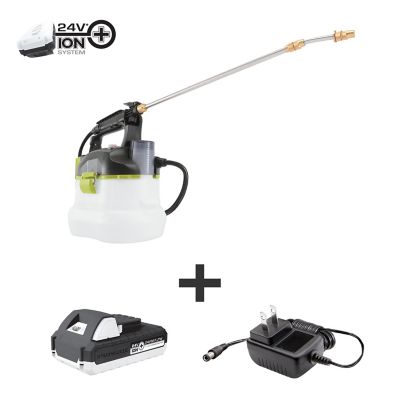
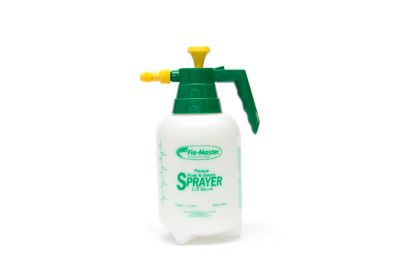
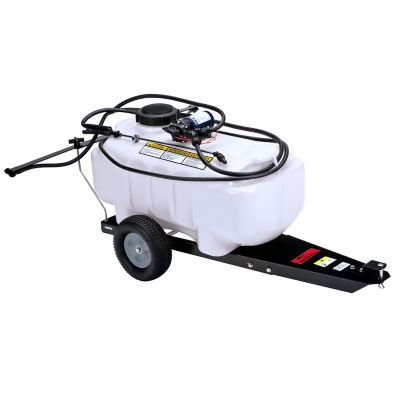
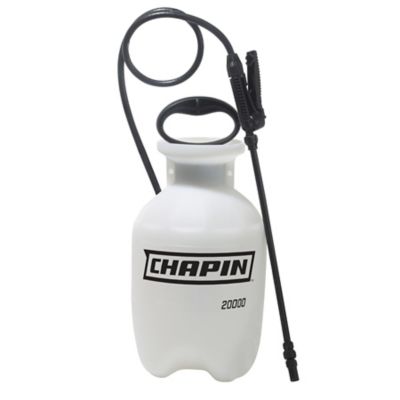
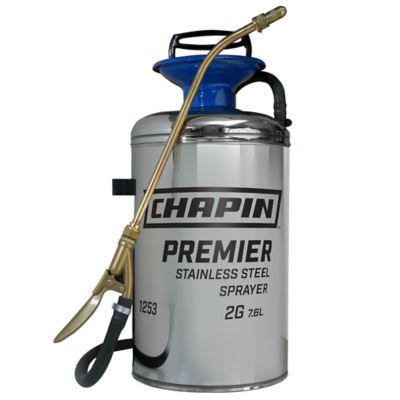
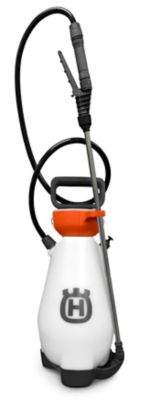
Gardening sprayers apply water, liquid fertilizer, and labeled lawn and garden treatments to plants, soil, and targeted areas around a property. Depending on the treatment and its label, that can mean feeding container plants, applying an insect control to ornamental shrubs, or treating weeds along a garden path. A sprayer puts the liquid in a tank or reservoir and delivers it through a nozzle, giving the person handling it control over where the spray lands. Different designs suit different amounts of ground and different kinds of work. A small handheld sprayer fits quick jobs among porch pots or a few raised beds, while a pump tank with a hose and wand offers more reach along borders and beneath foliage. Backpack sprayers carry the tank on the shoulders, leaving hands free to operate the wand and manage the hose. Battery-powered designs reduce the need for repeated pumping, which can make longer stretches along fence lines or broad planting beds less tiring. Wheeled sprayers take the tank’s weight off the person carrying out the job, although wheel size and ground clearance matter on gravel paths and uneven ground. Hose-end sprayers connect to a garden hose and, on designs made for concentrates, mix the treatment with flowing water at a selected setting. Their reach depends on the hose, and their mixing settings need to match the treatment’s directions. For a gardener tending vegetables beside the barn or keeping flower beds neat around the house, the right sprayer is less about the biggest tank and more about matching the delivery system to the task. Garden chemicals are not interchangeable, and neither are the sprayers that handle them. Watering, feeding, weed control, and insect control may call for different equipment, nozzle settings, or separate tanks. A clear match between the treatment label and the sprayer’s stated capabilities helps keep routine chores straightforward without putting nearby plants at unnecessary risk.
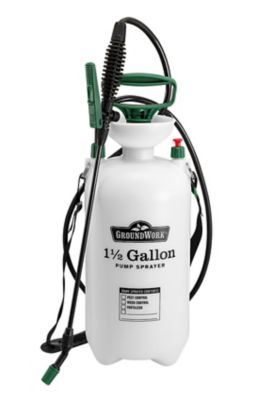
Tank capacity affects both how much ground a garden sprayer can cover between refills and how it feels to carry. A gallon of water weighs about 8.3 pounds before adding the tank, hose, and other parts, so even a modest increase in capacity makes a noticeable difference along a long row. For shoppers comparing manageable tank sizes,
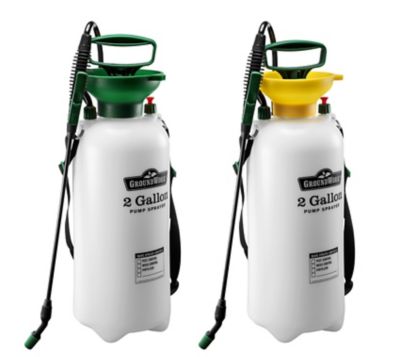
2 Gallon Garden Sprayers offer a useful point of comparison between small handheld containers and larger carrying setups. Actual coverage depends on the application rate, nozzle, pressure, and walking pace rather than tank size alone. A broad fill opening leaves more room for measuring and pouring, while molded markings help show the liquid level. Translucent plastic tanks make that level easier to see at a glance; metal tanks may appeal for other handling needs, but the tank material alone does not establish chemical compatibility. Seals, hoses, valves, and fittings also need to suit the intended liquid. Polyethylene tanks are common in garden applications, and compatibility information matters more than assuming that every plastic or metal sprayer can handle every treatment. The parts that meet the hands and body deserve just as much attention. A comfortable handle helps when carrying a tank from the water source to the garden, and a shoulder strap can distribute the load on compatible designs. Backpack fit depends on strap adjustment, padding, tank shape, and how securely the load sits while walking or bending. A long wand can reach across a bed without stepping between plants, while a shorter wand may feel handier in tight spaces. Hose length adds working room, but extra hose also needs somewhere to rest without snagging a trellis or dragging through seedlings. Replaceable seals, accessible filters, and serviceable wand parts can help extend a sprayer’s working life when routine wear eventually calls for attention.
The nozzle is where a garden sprayer’s setup becomes visible on the plants or ground. An adjustable nozzle may offer anything from a narrow stream to a broader spray, while dedicated fan or cone tips produce particular patterns for compatible applications. A narrow pattern can help direct liquid into a confined area; a broader pattern can cover more surface with each pass. Neither setting is right for every job. The treatment label determines the appropriate application method, and the sprayer instructions explain which nozzles and pressures the equipment supports. More pressure is not automatically better: it can change output and droplet size, making it harder to keep the spray where it belongs. Pressure control, a comfortable trigger, and a shutoff valve that closes cleanly all contribute to manageable application. A shield can help contain spray near a target, though it does not replace careful placement or label requirements. Around vegetable beds, attention to the named crop, permitted treatment, application rate, and any required interval before harvest is especially important. Around lawns and ornamental beds, keeping a separate, clearly marked sprayer for herbicides helps prevent leftover weed-control treatment from reaching plants meant to stay. After the work, care starts with the treatment label’s cleaning and disposal directions, along with the sprayer manufacturer’s maintenance instructions. Leftover mixtures and rinse water need proper handling rather than a trip down a household drain. Pressure should be released as directed before opening a pressurized tank, and nozzles and filters need gentle cleaning that will not enlarge or damage their openings. Checking hoses for cracks, fittings for leaks, and seals for wear can catch trouble before the next application. Protective clothing and equipment should match the treatment label, and people and animals should remain away from treated areas for the stated interval. Clean equipment, legible tank labels, and secure storage away from children, pets, feed, and food help keep gardening sprayers ready for their next job.